Based on recorded story, mood and style. Your preferences can change the order.
Constructed reality · Survival
What changes Das Experiment: a journalist joins a simulated-prison study that deteriorates as guards and prisoners struggle for control.. The Experiment: contained psychological build, rapid breakdown of rules and violent escape climax.
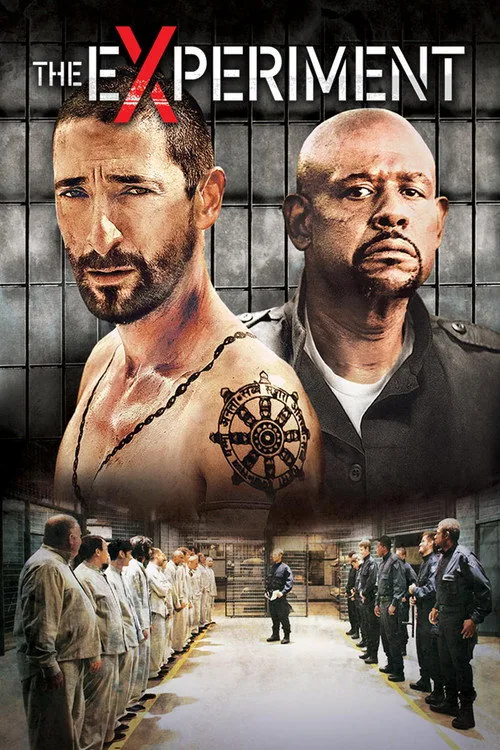
A group of volunteers agrees to spend two weeks in a simulated prison, where some are assigned to act as guards and others as inmates. The researchers expect the paid study to remain under control, but the division of authority and the participants' personal histories rapidly reshape the experiment. Travis resists the guards' growing aggression while Michael embraces his role, turning a behavioral study into a dangerous struggle over obedience and power. The thriller dramatizes what happens when social roles become physical threats.
Based on recorded story, mood and style. Your preferences can change the order.
What changes Das Experiment: a journalist joins a simulated-prison study that deteriorates as guards and prisoners struggle for control.. Escape Plan: fast.
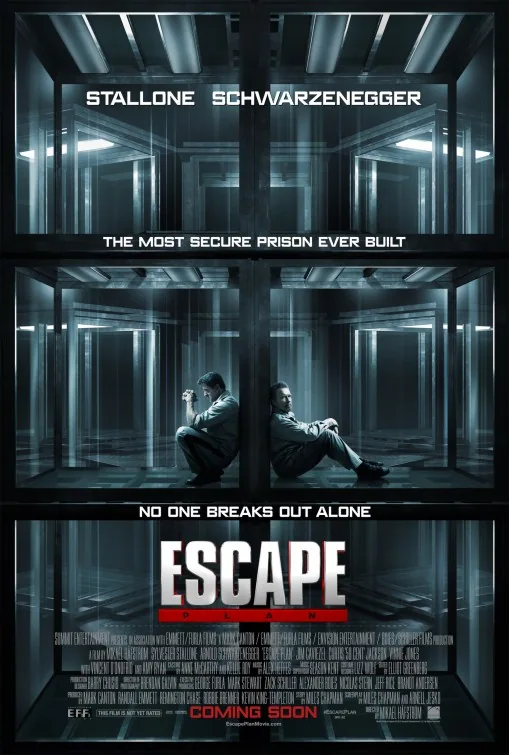
A professional prison-security tester agrees to enter a secret facility whose location and procedures are withheld from his team. Discovering that his emergency safeguards have been removed turns a controlled assignment into actual captivity. His published methods have helped design the prison around him, so understanding the architecture is no longer enough: escape requires cooperation with a prisoner whose identity and motives may be as carefully managed as the institution itself.
Based on recorded story, mood and style. Your preferences can change the order.
What changes Das Experiment: a journalist joins a simulated-prison study that deteriorates as guards and prisoners struggle for control.. The Stanford Prison Experiment: gradual escalation, contained and pressure-building.
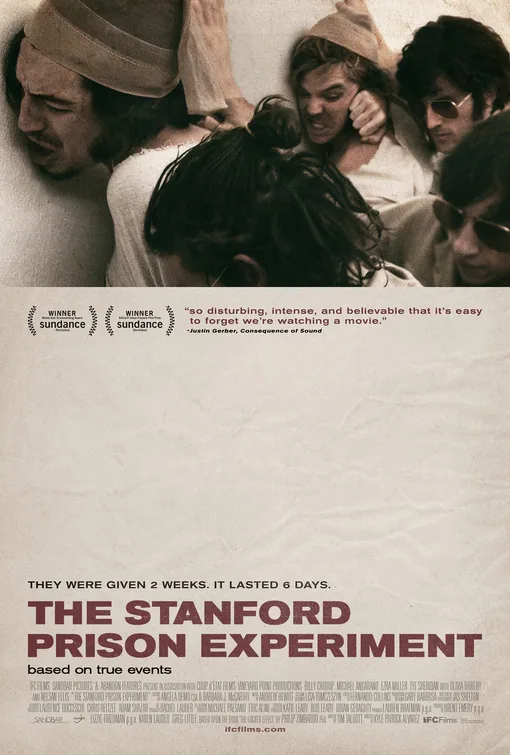
Psychology professor Philip Zimbardo recruits male college students for a mock prison study at Stanford, assigning some to act as guards and others as prisoners. What begins as a controlled research exercise becomes increasingly volatile as the participants respond to their roles and to one another. The experiment’s staff struggle to maintain boundaries between observation and intervention, raising questions about authority, conformity and the responsibilities of researchers who shape the conditions they study.
Based on recorded story, mood and style. Your preferences can change the order.
Constructed reality · Survival
What changes Das Experiment: a journalist joins a simulated-prison study that deteriorates as guards and prisoners struggle for control.. Spiderhead: contained psychological tension, experiment-driven scenes and rebellion escalation.
At a remote, comfortable-looking penitentiary, inmates receive mind-altering drugs through an implanted device in exchange for reduced sentences. Jeff begins to question the experiments run by facility director Steve Abnesti after he forms a connection with fellow inmate Lizzy and observes how the drugs affect consent and behavior. Joseph Kosinski’s science-fiction thriller adapts a George Saunders story, blending dark humor with a controlled setting to examine free will, institutional power, and the limits of human experimentation.
Based on recorded story, mood and style. Your preferences can change the order.
What changes Das Experiment: a journalist joins a simulated-prison study that deteriorates as guards and prisoners struggle for control.. Exam: a timed puzzle escalates through changing group alliances.
Eight applicants for a desirable corporate position enter a sealed room for a final exam with one question and strict rules. They soon discover that the papers appear blank, and their attempts to understand what is being tested turn cooperation into suspicion and competition. Stuart Hazeldine’s psychological thriller confines its cast to a single room, using shifting alliances, timed pressure, and small clues to make problem-solving and human judgment inseparable.
Both share themes of identity, plus a claustrophobic and tense atmosphere.
Why this matches +
Genres: Crime / Drama
Shared film traits
Based on recorded story, mood and style. Your preferences can change the order.
What changes Das Experiment: a journalist joins a simulated-prison study that deteriorates as guards and prisoners struggle for control.. Infernal Affairs: propulsive and intercut.
A police officer works undercover inside a Hong Kong triad while a gang member has infiltrated the police force, leaving each man to live under a constructed identity. As their organizations close in on the compromised arrangement, surveillance and loyalty become personal tests. The thriller’s mirrored lives turn the procedural premise into an anxious study of selfhood, trust and the costs of sustained deception.
Based on recorded story, mood and style. Your preferences can change the order.
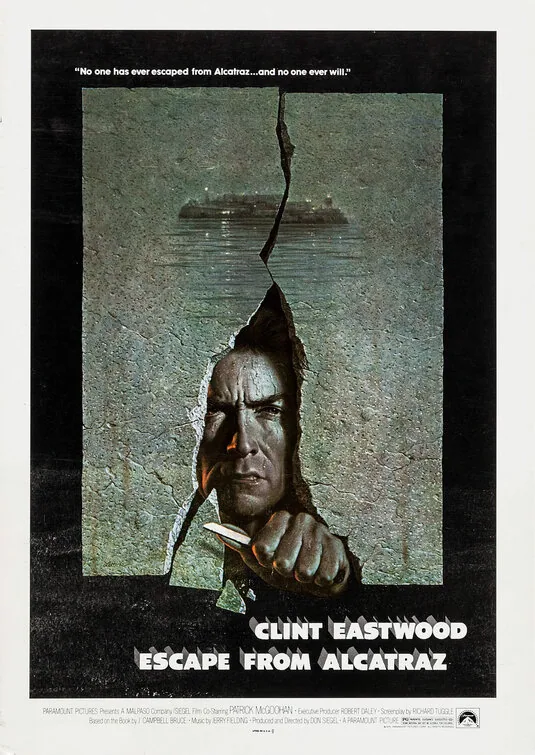
What changes Das Experiment: a journalist joins a simulated-prison study that deteriorates as guards and prisoners struggle for control.. Escape from Alcatraz: measured.
A prisoner transferred to Alcatraz encounters a regime whose confidence depends on making escape seem materially and psychologically impossible. Small observations of objects, routines and deteriorating surfaces gradually reveal a different set of possibilities. Building an alliance allows repeated acts of patient preparation to become a collective plan, while the warden's treatment of other inmates makes departure a refusal of humiliation as well as a practical contest with walls and surveillance.
Based on recorded story, mood and style. Your preferences can change the order.
What changes Das Experiment: a journalist joins a simulated-prison study that deteriorates as guards and prisoners struggle for control.. Collateral: intense.
A Los Angeles taxi driver hoping eventually to run his own business picks up a passenger whose apparently ordinary evening itinerary conceals a series of killings. Forced to continue driving, he becomes both witness and instrument while trying to preserve a fragile distinction between cooperating and surrendering. Encounters across the city turn an intimate captivity into a confrontation between habitual postponement and an adversary who presents indifference as clear-eyed realism.
Both share themes of identity, plus a tense atmosphere.
Why this matches +
Genres: Drama / Thriller
Shared film traits
Based on recorded story, mood and style. Your preferences can change the order.
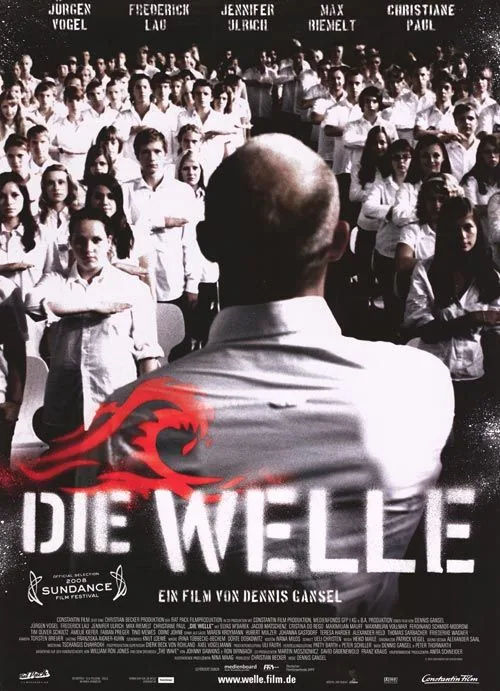
What changes Das Experiment: a journalist joins a simulated-prison study that deteriorates as guards and prisoners struggle for control.. The Wave: building and escalating.
A teacher running a classroom exercise on autocracy finds that students quickly begin organizing around a shared movement and its symbols. What starts as a lesson about social conformity grows into a real group with rules, status and pressure to belong. The German drama examines how authoritarian behavior can develop in ordinary settings and how difficult it becomes to resist once group identity takes hold.
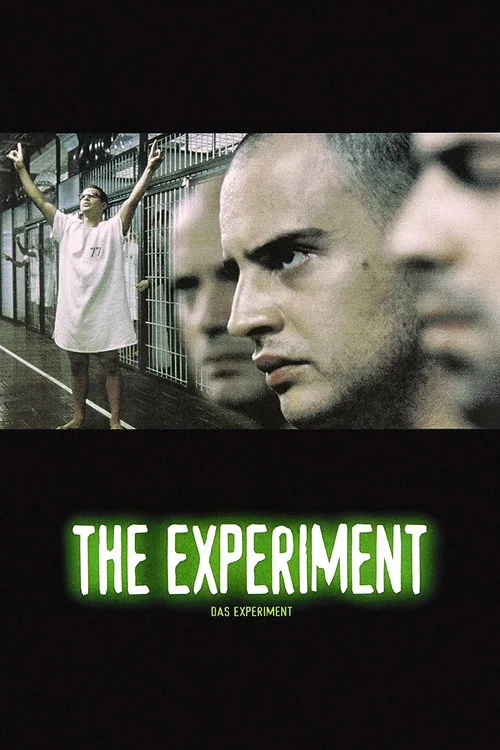
Taxis arrive at a research facility where volunteers are assigned roles as guards or prisoners in a simulated jail. The participants are told to follow the rules of the experiment, but tensions grow as authority, humiliation, and group behavior begin to override the researchers’ expectations. Journalist Tarek Fahd enters the study under an assumed identity and attempts to document what is happening from inside. Oliver Hirschbiegel’s German psychological thriller draws on the Stanford prison experiment and escalates a controlled social study into a crisis about power and obedience.
What drives the story
The researchers’ rules fail to contain the behavior their experiment encourages among participants.
The people at its centre
Tarek’s undercover role leaves him caught between reporting the study and helping the people trapped inside it.
What it feels like
The film contains coercion, assault, public humiliation, and psychological breakdown.
Worth knowing
Its prison setting is an experiment, making the story a study of power dynamics rather than a conventional incarceration drama.
AuthorityObedienceIdentity
Mood
Tense · Claustrophobic · Escalating
Pacing
A journalist joins a simulated-prison study that deteriorates as guards and prisoners struggle for control.