Explore films connected to The Stanford Prison Experiment through authority, conformity, ethics. Choose the qualities you want to carry into your next watch.
What should feel similar?
Find your next favourite
9 films · Closest overall matches
Hide films you’ve seen or don’t want. Saved on this device.
No matches for this combination yet.
Try another option or reset your choices to see more films.
Both share themes of group behavior, plus a claustrophobic atmosphere.
Why this matches +
Genres: Thriller / Drama
Shared film traits
Based on recorded story, mood and style. Your preferences can change the order.
What changes The Stanford Prison Experiment: gradual escalation, contained and pressure-building. The Experiment: contained psychological build, rapid breakdown of rules and violent escape climax.
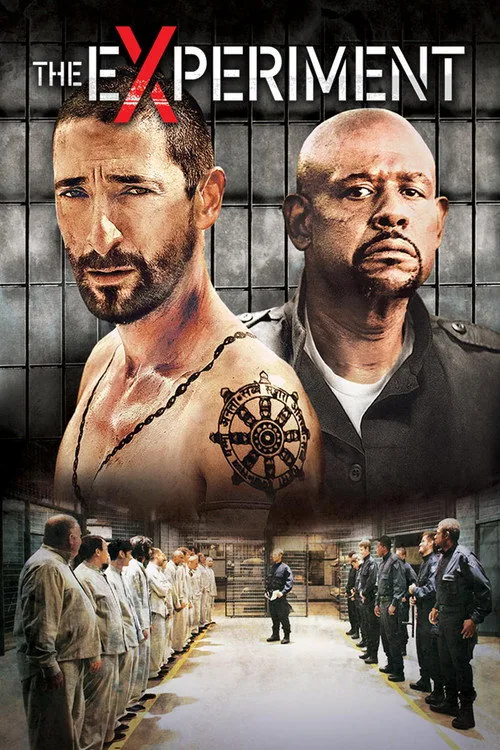
A group of volunteers agrees to spend two weeks in a simulated prison, where some are assigned to act as guards and others as inmates. The researchers expect the paid study to remain under control, but the division of authority and the participants' personal histories rapidly reshape the experiment. Travis resists the guards' growing aggression while Michael embraces his role, turning a behavioral study into a dangerous struggle over obedience and power. The thriller dramatizes what happens when social roles become physical threats.
Based on recorded story, mood and style. Your preferences can change the order.
What changes The Stanford Prison Experiment: gradual escalation, contained and pressure-building. Das Experiment: a journalist joins a simulated-prison study that deteriorates as guards and prisoners struggle for control..
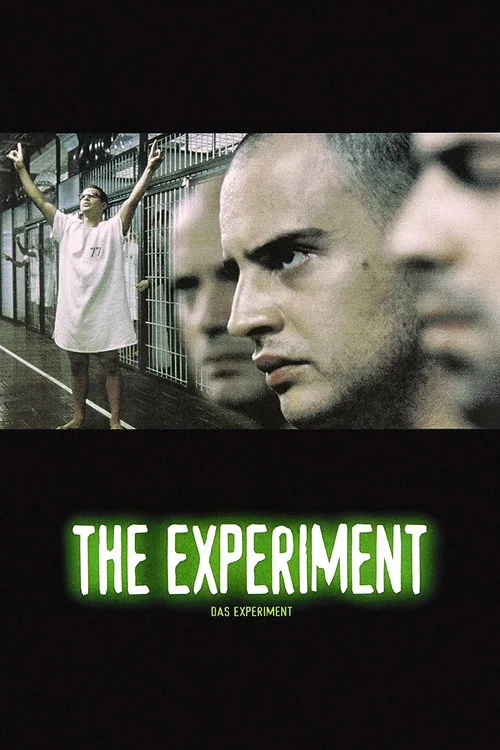
Taxis arrive at a research facility where volunteers are assigned roles as guards or prisoners in a simulated jail. The participants are told to follow the rules of the experiment, but tensions grow as authority, humiliation, and group behavior begin to override the researchers’ expectations. Journalist Tarek Fahd enters the study under an assumed identity and attempts to document what is happening from inside. Oliver Hirschbiegel’s German psychological thriller draws on the Stanford prison experiment and escalates a controlled social study into a crisis about power and obedience.
Based on recorded story, mood and style. Your preferences can change the order.
What changes The Stanford Prison Experiment: gradual escalation, contained and pressure-building. Escape Plan: fast.
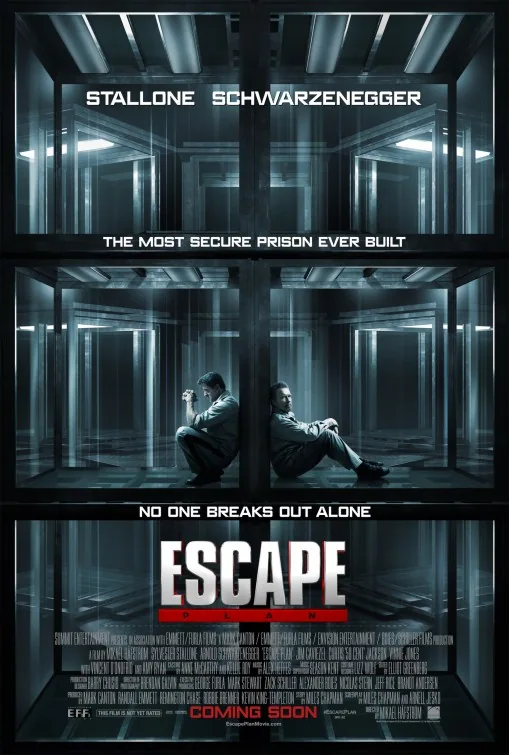
A professional prison-security tester agrees to enter a secret facility whose location and procedures are withheld from his team. Discovering that his emergency safeguards have been removed turns a controlled assignment into actual captivity. His published methods have helped design the prison around him, so understanding the architecture is no longer enough: escape requires cooperation with a prisoner whose identity and motives may be as carefully managed as the institution itself.
Based on recorded story, mood and style. Your preferences can change the order.
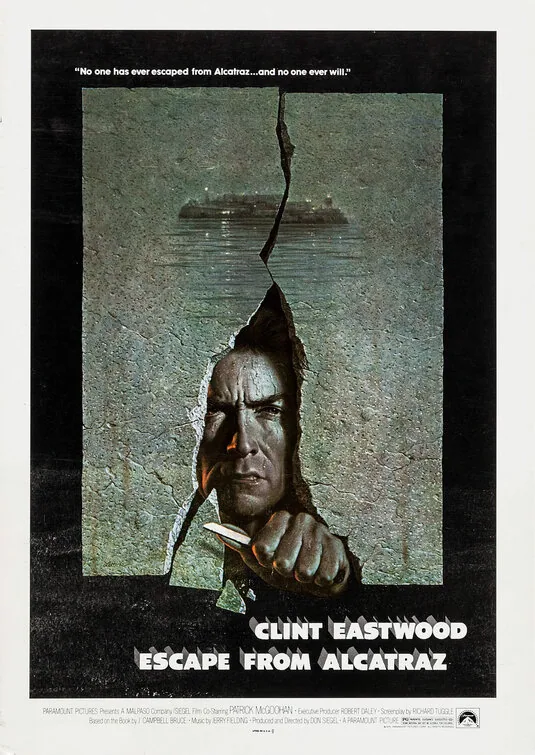
What changes The Stanford Prison Experiment: gradual escalation, contained and pressure-building. Escape from Alcatraz: measured.
A prisoner transferred to Alcatraz encounters a regime whose confidence depends on making escape seem materially and psychologically impossible. Small observations of objects, routines and deteriorating surfaces gradually reveal a different set of possibilities. Building an alliance allows repeated acts of patient preparation to become a collective plan, while the warden's treatment of other inmates makes departure a refusal of humiliation as well as a practical contest with walls and surveillance.
Both share themes of conformity, plus a tense and claustrophobic atmosphere.
Why this matches +
Genres: Drama / Thriller
Shared film traits
Based on recorded story, mood and style. Your preferences can change the order.
Social hierarchy · Mental health
Expect tense and unsettling, with slow-burn and pressure-building pacing.
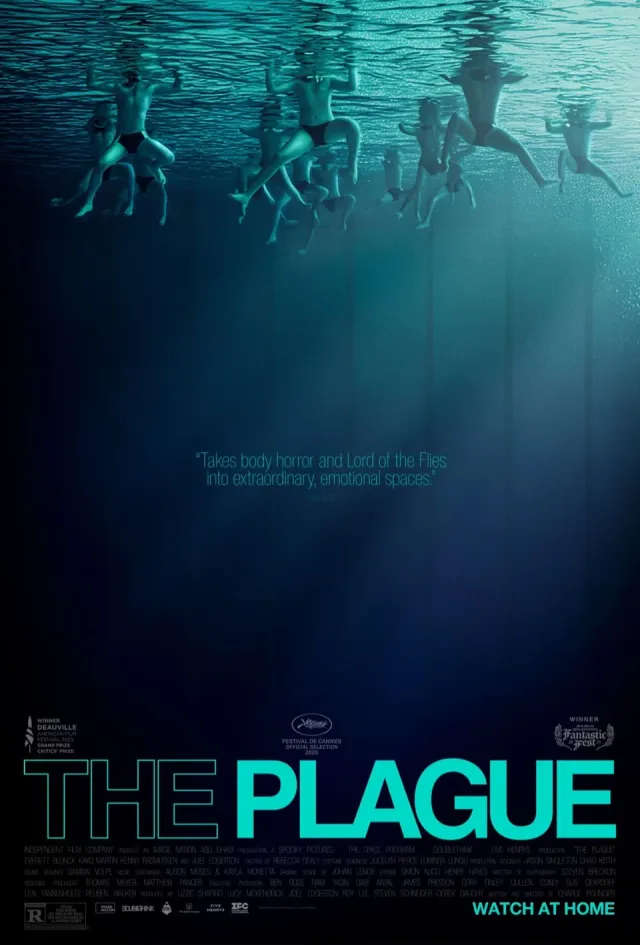
At a boys’ summer water-polo camp, socially anxious twelve-year-old Ben is drawn into a cruel game that labels an outcast, Eli, as infected. What begins as teasing grows harder to dismiss as the boys’ anxieties spread and the boundary between performance and danger blurs. Charlie Polinger frames the story around peer hierarchy, shame, and the instability of childhood belonging.
Based on recorded story, mood and style. Your preferences can change the order.
What changes The Stanford Prison Experiment: gradual escalation, contained and pressure-building. The Report: document-driven procedure, gradual accumulation of evidence and political release climax.
In 2009, Senate staffer Daniel Jones is asked to review millions of pages of CIA records about the agency's post-9/11 interrogation program. Working with a small team, he documents how officials authorized and described the practices, while facing delays, political pressure, and resistance from the intelligence agency. Senator Dianne Feinstein backs the inquiry, but the report's publication becomes a struggle of its own. The political drama follows the patient work of assembling evidence and making an official record public.
Based on recorded story, mood and style. Your preferences can change the order.
What changes The Stanford Prison Experiment: gradual escalation, contained and pressure-building. It Was Just an Accident: journey-based and building tension.
A mechanic believes he has recognized the former prison official who tortured him, identified by the sound of a prosthetic leg. Unable to be certain, he turns to other former detainees, and each person's reaction complicates the decision about what should happen next. Jafar Panahi builds a tense moral road story from doubt, memory and revenge, asking how people carry the past when legal accountability remains uncertain.
Both share themes of authority, plus a disturbing atmosphere.
Why this matches +
Genres: Drama / Thriller
Shared film traits
Based on recorded story, mood and style. Your preferences can change the order.
Power and authority
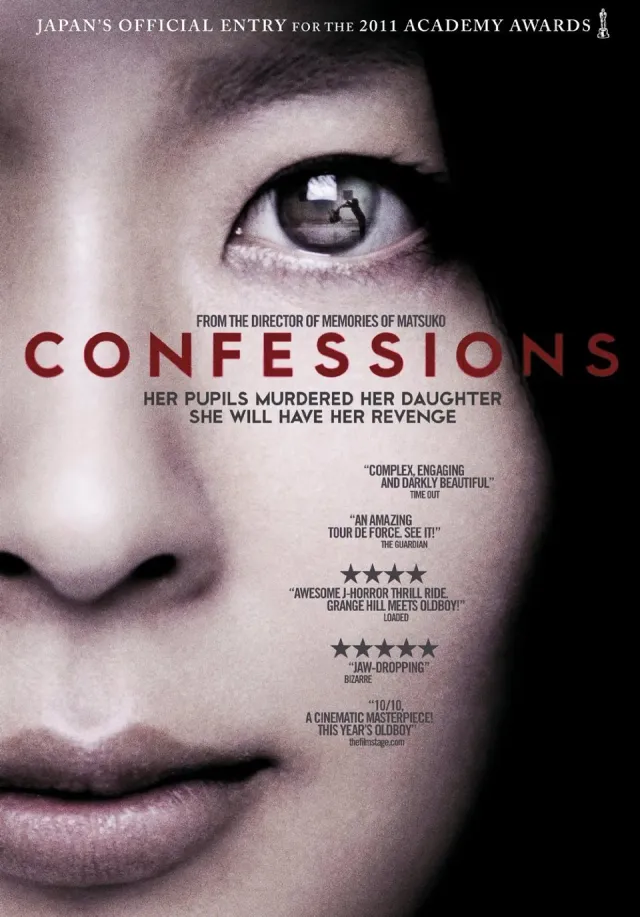
What changes The Stanford Prison Experiment: gradual escalation, contained and pressure-building. Confessions: chaptered, escalating and revelation-driven.
Before leaving her junior high school, teacher Yuko Moriguchi addresses her class about her daughter’s death in the school swimming pool. She says two of the students in the room were responsible and describes a deliberate response to what she sees as a failure of the justice system. The class breaks into shifting reactions as the students’ histories emerge through testimony, memory and flashback. Tetsuya Nakashima’s thriller turns school routines into a stage for revenge, guilt and contested ideas of responsibility.
Based on recorded story, mood and style. Your preferences can change the order.
What changes The Stanford Prison Experiment: gradual escalation, contained and pressure-building. Oldboy: intense.
A man imprisoned without explanation for fifteen years is abruptly released into a world where his missing family and damaged memory offer few reliable anchors. With help from a young woman, he follows small material clues toward the people who confined him. His demand to know why becomes part of another person's continuing design, turning the search for revenge into a disturbing inquiry about responsibility, intimacy and knowledge he may not want to possess.
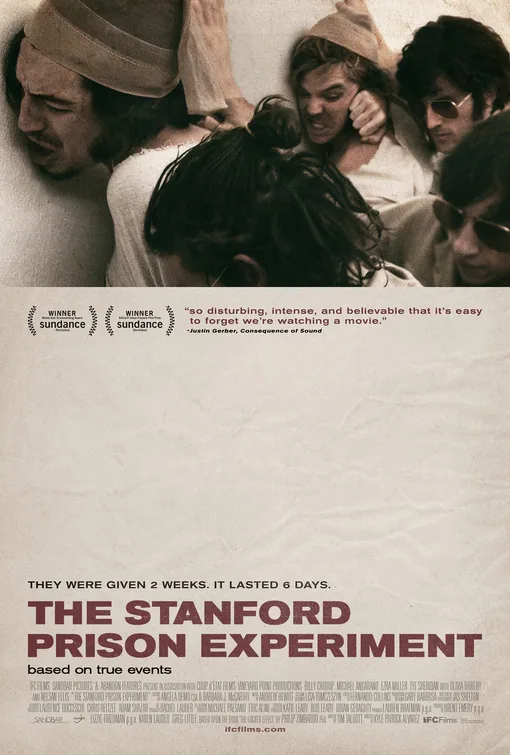
Psychology professor Philip Zimbardo recruits male college students for a mock prison study at Stanford, assigning some to act as guards and others as prisoners. What begins as a controlled research exercise becomes increasingly volatile as the participants respond to their roles and to one another. The experiment’s staff struggle to maintain boundaries between observation and intervention, raising questions about authority, conformity and the responsibilities of researchers who shape the conditions they study.
What drives the story
The student experiment grows beyond its planned boundaries as assigned roles and the researchers’ decisions alter the behavior being observed.
The people at its centre
Participants adapt unevenly to their guard and prisoner roles, while Zimbardo and his colleagues debate how much control they should exercise.
What it feels like
A confined setting and shifting group dynamics turn a historical psychology study into a tense examination of power and research ethics.
Worth knowing
Its drama centers on a specific mock-prison experiment and the ethical limits of observation, rather than a conventional prison escape.