Both share themes of belonging, plus a tense atmosphere.
Why this matches +
Genres: Crime / Drama
Shared film traits
Based on recorded story, mood and style. Your preferences can change the order.
What changes The Plague: slow-burn, pressure-building and observational. Witness: investigative and slow-burn then violent.
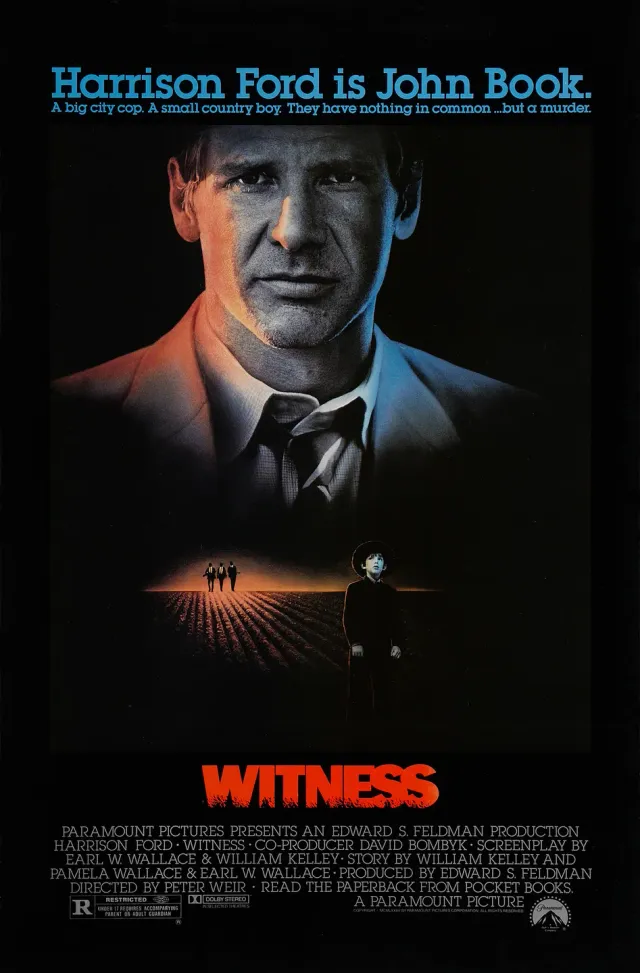
Amish boy Samuel witnesses the murder of an undercover police officer while traveling with his mother Rachel. Philadelphia detective John Book investigates and discovers that the crime reaches into his own department, making Samuel and Rachel targets. Book hides with them in their rural community while he waits for a safe chance to act, and his presence creates both cultural friction and a quiet attraction to Rachel. Peter Weir’s thriller lets the contrast between city policing and Amish life shape the suspense rather than treating the setting as decoration. Samuel's memory and Book's official investigation converge, while the community's protection puts all three at risk. Book's presence alters daily work and his ability to stay hidden.
Both share themes of conformity, plus a tense and claustrophobic atmosphere.
Why this matches +
Genres: Drama / History
Shared film traits
Based on recorded story, mood and style. Your preferences can change the order.
Social hierarchy · Mental health
Expect tense and claustrophobic, with gradual escalation and contained pacing.
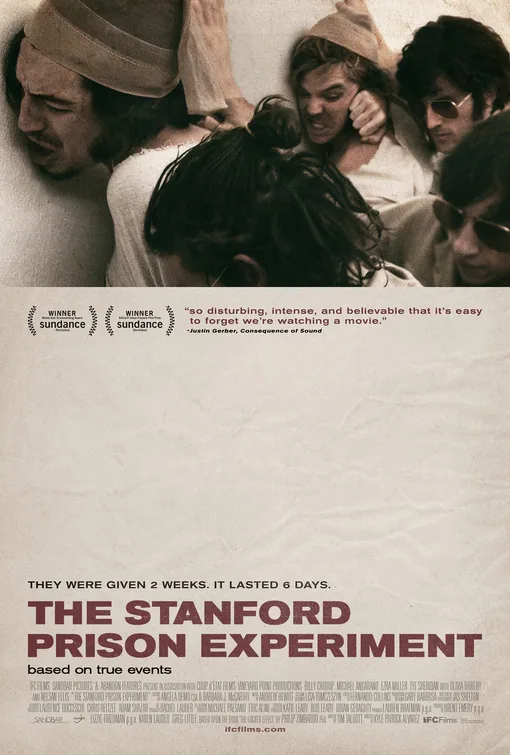
Psychology professor Philip Zimbardo recruits male college students for a mock prison study at Stanford, assigning some to act as guards and others as prisoners. What begins as a controlled research exercise becomes increasingly volatile as the participants respond to their roles and to one another. The experiment’s staff struggle to maintain boundaries between observation and intervention, raising questions about authority, conformity and the responsibilities of researchers who shape the conditions they study.
Both share an unsettling and claustrophobic atmosphere.
Why this matches +
Genres: Drama / Mystery
Shared film traits
Based on recorded story, mood and style. Your preferences can change the order.
What changes The Plague: slow-burn, pressure-building and observational. The Hole: emergence opens a mystery, flashbacks revise the group's history and psychological reveal reframes the story.
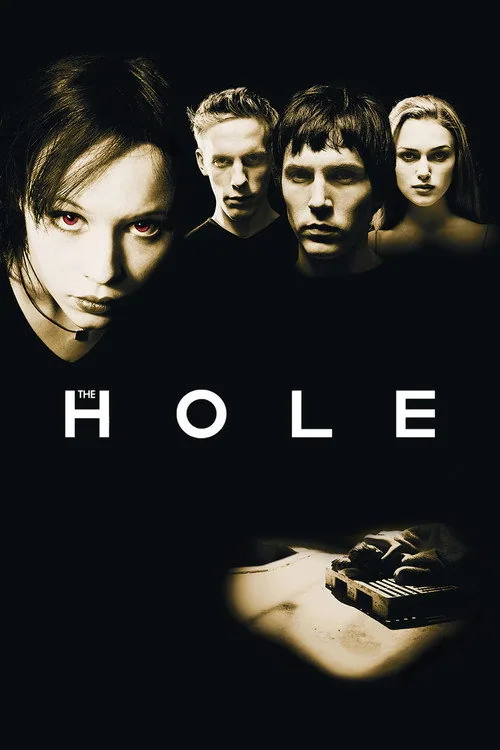
After disappearing for eighteen days, British school student Liz emerges from an underground bunker, while three of her classmates remain missing. In interviews with psychiatrist Dr. Horwood, Liz tells a story about being unpopular, joining an exclusive group, and hiding in a disused wartime shelter during a school outing. Her account shifts as details fail to align, turning the rescue into a psychological mystery about adolescent desire, betrayal, and the dangers of trusting a single narrator.
Based on recorded story, mood and style. Your preferences can change the order.
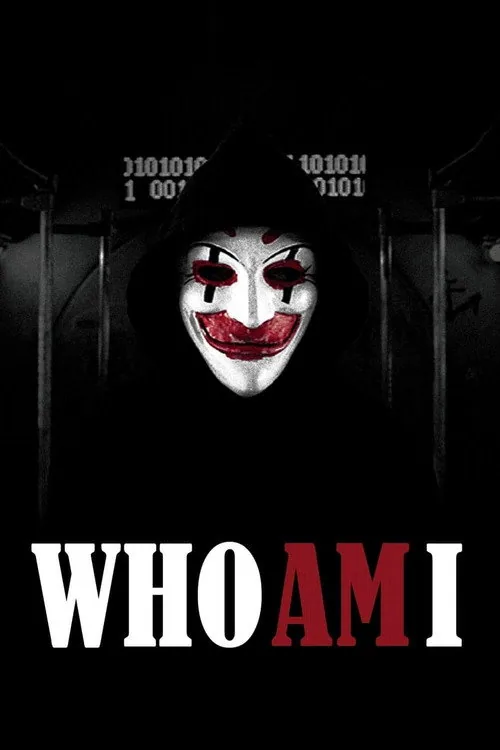
What changes The Plague: slow-burn, pressure-building and observational. Who Am I – No System is Safe: rapid escalation, nonlinear framing and montage-heavy sequences.
Benjamin, a socially isolated Berlin hacker, joins a small group whose pranks and intrusions are meant to win the attention of an elusive underground celebrity. Their escalating attacks draw the attention of Europol and turn online bravado into a real-world manhunt. The story is presented through Benjamin's account during an interrogation, making the frame itself part of a techno-thriller concerned with performance, identity, and unreliable narration. Rapid editing and graphic computer interfaces externalize the group's online ambitions while leaving the audience to question how much of the tale is stable.
Based on recorded story, mood and style. Your preferences can change the order.
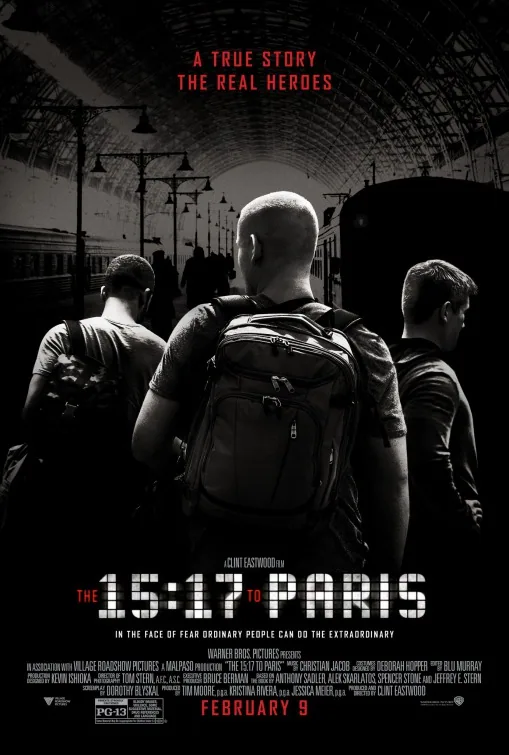
What changes The Plague: slow-burn, pressure-building and observational. The 15:17 to Paris: biographical episodes give way to a concentrated real-time crisis.
Three childhood friends traveling through Europe are aboard a train when a gunman begins an attack. Clint Eastwood’s dramatization follows their earlier lives and military experiences before reconstructing the 2015 incident, with the three real participants playing themselves. Its structure connects ordinary preparation to a sudden public crisis, emphasizing the limits of prediction and the decisive consequences of acting under pressure.
Based on recorded story, mood and style. Your preferences can change the order.
What changes The Plague: slow-burn, pressure-building and observational. Nerve: rapid task sequence accelerates into a final confrontation.
A high-school senior joins an anonymous online game that pays players to complete public dares while viewers watch and vote on what happens next. As the tasks become more dangerous, the game turns entertainment into coercion and puts friendship, privacy and personal agency at risk. The thriller connects digital spectatorship to real consequences, using a fast-paced sequence of challenges to test the players’ limits.
Based on recorded story, mood and style. Your preferences can change the order.
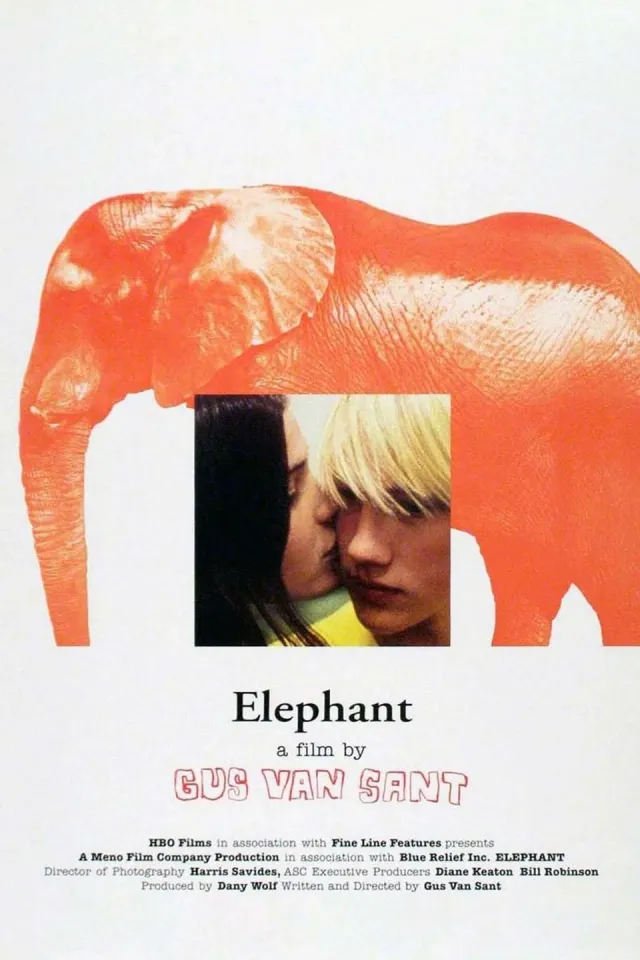
What changes The Plague: slow-burn, pressure-building and observational. Elephant: fragmented and understated.
Over the course of an ordinary school day, the film follows several students through corridors, classrooms and small social encounters before their paths converge in a sudden act of violence. It offers fragments rather than a conventional explanation, shifting perspective and revisiting moments with little interpretive guidance. The restrained surface makes routine detail unsettling, while its refusal to simplify causation leaves space for difficult questions.
Based on recorded story, mood and style. Your preferences can change the order.
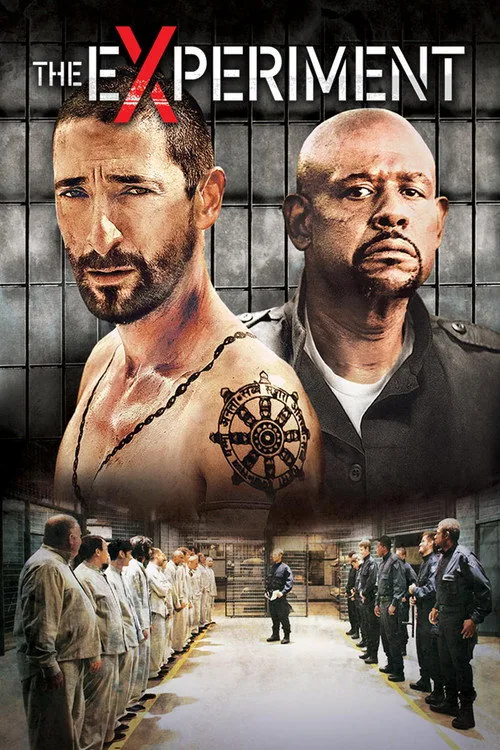
What changes The Plague: slow-burn, pressure-building and observational. The Experiment: contained psychological build, rapid breakdown of rules and violent escape climax.
A group of volunteers agrees to spend two weeks in a simulated prison, where some are assigned to act as guards and others as inmates. The researchers expect the paid study to remain under control, but the division of authority and the participants' personal histories rapidly reshape the experiment. Travis resists the guards' growing aggression while Michael embraces his role, turning a behavioral study into a dangerous struggle over obedience and power. The thriller dramatizes what happens when social roles become physical threats.
Based on recorded story, mood and style. Your preferences can change the order.
Coming of age
What changes The Plague: slow-burn, pressure-building and observational. Moonlight: measured.
Across childhood, adolescence and adulthood, a quiet boy from Miami learns different ways to protect himself from bullying, instability at home and expectations of masculinity. A drug dealer and his partner offer care complicated by the economy harming his mother, while one friendship creates a vulnerable possibility of intimacy. The divisions between the three periods reveal how a hardened adult identity can preserve earlier wounds without extinguishing the desire to be known.
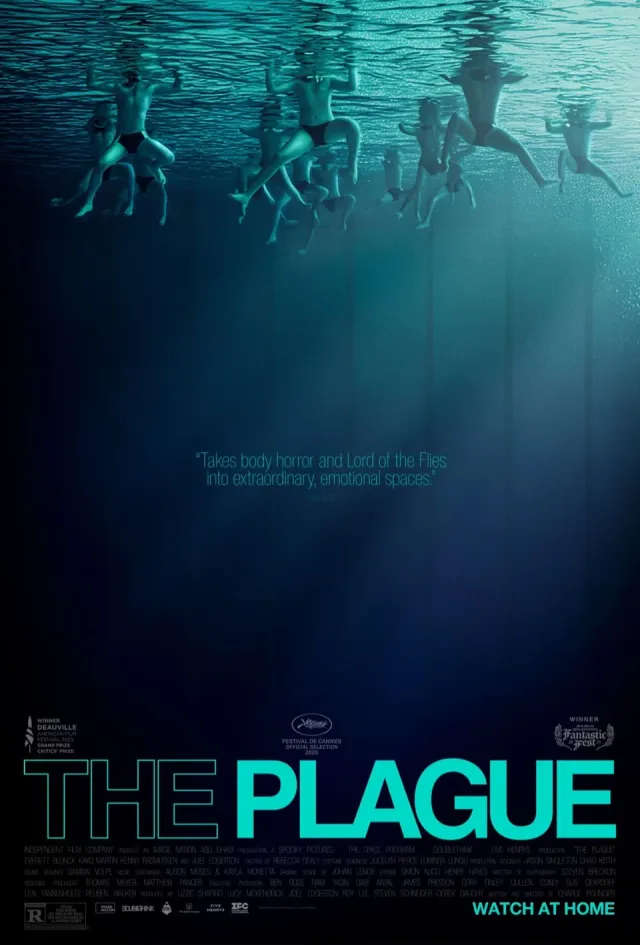
At a boys’ summer water-polo camp, socially anxious twelve-year-old Ben is drawn into a cruel game that labels an outcast, Eli, as infected. What begins as teasing grows harder to dismiss as the boys’ anxieties spread and the boundary between performance and danger blurs. Charlie Polinger frames the story around peer hierarchy, shame, and the instability of childhood belonging.
What drives the story
Ben's need to belong draws him into a camp ritual that increasingly targets Eli.
The people at its centre
The boys reinforce a hierarchy through teasing, while Ben struggles between participation and unease.
What it feels like
The film turns an ordinary summer setting into a study of social contagion and fear.
Worth knowing
Its suspense comes from uncertain perception and group cruelty rather than a conventional mystery reveal.
bullyingconformityfear
Mood
tense · unsettling · claustrophobic · adolescent
Pacing
slow-burn · pressure-building · observational
Visual style
naturalistic · humid summer texture · close group framing · restrained
Storytelling
summer-camp drama · peer cruelty · group ritual · psychological suspense