A government translator leaks a memo that could influence the Iraq invasion and is prosecuted for revealing it.
Why this matches +
An evidence-led professional inquiry confronts official secrecy and the institutional normalization of abuse.
Genres: Drama / Thriller
Shared film traits
Based on recorded story, mood and style. Your preferences can change the order.
Investigation · Political resistance
What changes The Report: document-driven procedure, gradual accumulation of evidence and political release climax. Official Secrets: press investigation, legal escalation and steady procedural tension.
In 2003, GCHQ translator Katharine Gun sees a request for intelligence that could help secure support for the invasion of Iraq. Believing the request is illegal and morally indefensible, she leaks a memo to the press, then faces arrest under Britain's Official Secrets Act. The film follows the effort to verify the story, the mounting pressure on Gun and her husband, and a legal case whose outcome depends on whether the government will disclose its own conduct.
Small inconsistencies accumulate into a publishable case through interviews, documents and repeated verification.
Why this matches +
An evidence-led professional inquiry confronts official secrecy and the institutional normalization of abuse.
Genres: Drama / Thriller
Shared film traits
Based on recorded story, mood and style. Your preferences can change the order.
Investigation
What changes The Report: document-driven procedure, gradual accumulation of evidence and political release climax. All the President's Men: measured.
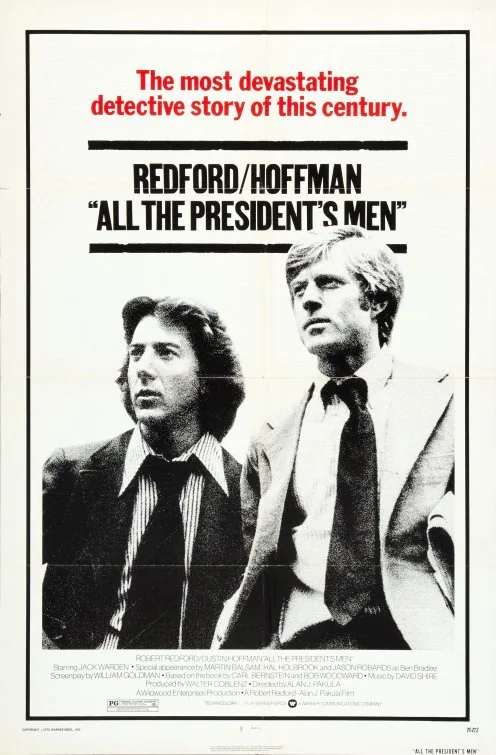
Two newspaper reporters investigate a burglary whose apparently minor details lead towards senior political figures. Interviews, records and reluctant sources gradually reveal a larger operation, but each claim requires corroboration before publication. Their progress depends less on a single revelation than on patient persistence inside a newsroom negotiating evidence, risk and the pressure exerted by powerful people.
The manhunt advances through fragmented intelligence and repeated reassessment, with Maya’s pursuit of one lead sustained against bureaucratic delay and uncertainty.
Why this matches +
An evidence-led professional inquiry confronts official secrecy and the institutional normalization of abuse.
Genres: Drama / Thriller
Shared film traits
Based on recorded story, mood and style. Your preferences can change the order.
Investigation
What changes The Report: document-driven procedure, gradual accumulation of evidence and political release climax. Zero Dark Thirty: decade-spanning procedural.
Kathryn Bigelow’s drama follows Maya, a CIA analyst assigned to the search for Osama bin Laden after the September 11 attacks. Years of intelligence work, interrogations, failed leads and institutional disagreement gradually narrow the focus to a courier and a compound in Abbottabad. Maya’s certainty grows even when the evidence remains contested and senior officials hesitate to act. The film moves from a drawn-out investigation to the covert raid, presenting a dramatized account of real events whose treatment of torture and intelligence has been widely disputed. The narrative compresses an enormous intelligence apparatus into one determined analyst’s perspective.
A local allegation expands into an investigation of systematic concealment, requiring documentary proof of institutional knowledge rather than another isolated accusation.
Why this matches +
An evidence-led professional inquiry confronts official secrecy and the institutional normalization of abuse.
Genres: Drama / Biography
Shared film traits
Based on recorded story, mood and style. Your preferences can change the order.
Investigation
What changes The Report: document-driven procedure, gradual accumulation of evidence and political release climax. Spotlight: slow burn.
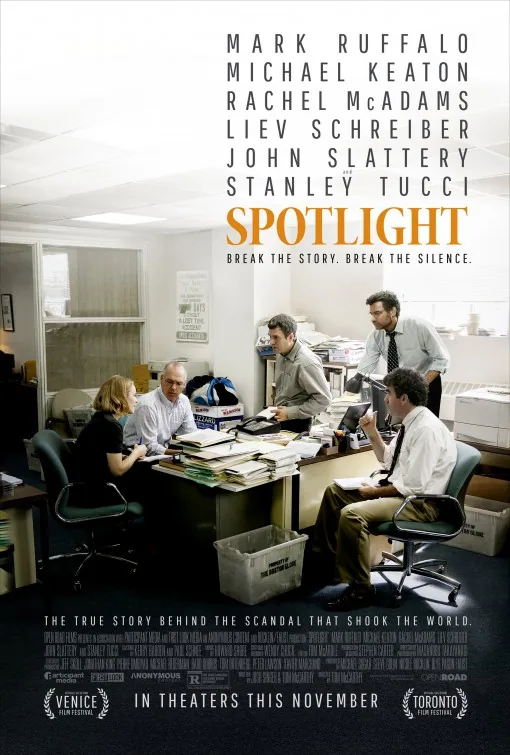
A newspaper's investigative team begins examining allegations against a Boston priest and encounters a pattern extending far beyond an individual offence. Reporters work through court records, reluctant witnesses and professional networks while institutional resistance repeatedly narrows what can be made public. The inquiry also forces them to confront how their own organisation previously missed opportunities to act, making publication a test of collective responsibility as well as evidentiary persistence.
A Supreme Court fight over the Times's publication raises the stakes of the Post's own decision to print classified documents before a public offering.
Why this matches +
An evidence-led professional inquiry confronts official secrecy and the institutional normalization of abuse.
Genres: Drama / Thriller
Shared film traits
Based on recorded story, mood and style. Your preferences can change the order.
Investigation · Political resistance
What changes The Report: document-driven procedure, gradual accumulation of evidence and political release climax. The Post: deadline-driven and escalating.
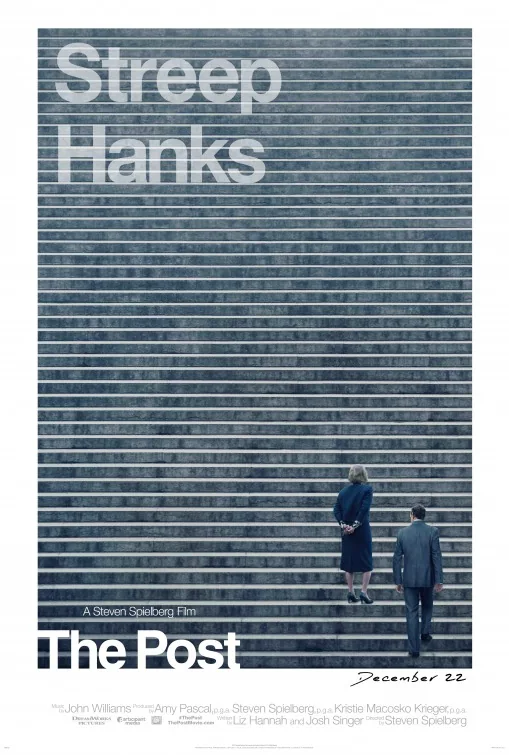
In 1971, Washington Post publisher Katharine Graham weighs the future of the paper as it prepares for a public stock offering and faces pressure from the Nixon administration. After the New York Times is enjoined from publishing the Pentagon Papers, editor Ben Bradlee pushes the Post to obtain and print the documents. Graham must decide whether the paper's duty to readers outweighs legal risk, possible criminal charges and the financial exposure of a company about to go public. Reporters work to verify the leak while lawyers and board members argue over what can safely be published. The story follows a newsroom making an institutional choice under a deadline, with Graham's authority changing as she moves from social and business constraints toward editorial responsibility.
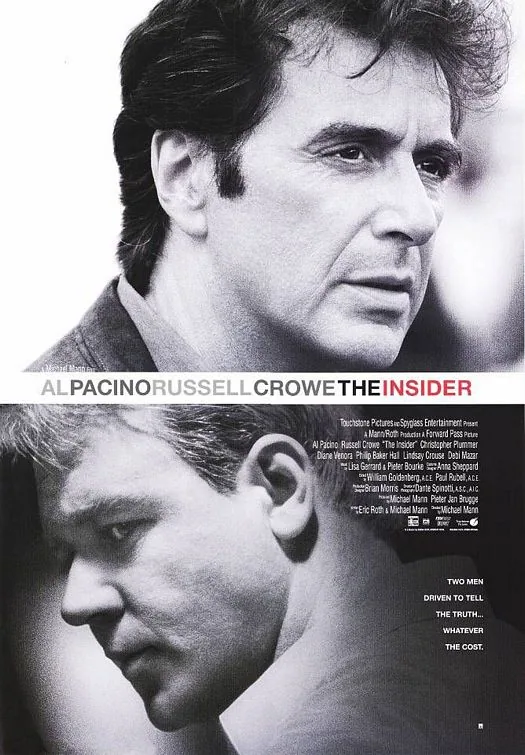
The threat of publication links two risks: Wigand may lose his safety and livelihood, while CBS may suppress the interview to protect itself.
Why this matches +
An evidence-led professional inquiry confronts official secrecy and the institutional normalization of abuse.
Genres: Drama / Thriller
Shared film traits
Based on recorded story, mood and style. Your preferences can change the order.
Investigation
What changes The Report: document-driven procedure, gradual accumulation of evidence and political release climax. The Insider: reporting and verification and publicity escalation.
CBS producer Lowell Bergman persuades former tobacco executive Jeffrey Wigand to explain what he knows about Brown & Williamson’s practices for a 60 Minutes investigation. Wigand’s confidentiality agreement, threats and family pressures make cooperation dangerous, while CBS executives worry about legal and financial exposure. As the broadcast is delayed and edited, Bergman must decide whether protecting the story means confronting the network that employs him. The film turns investigative reporting into a battle over sources, corporate pressure and newsroom independence, dramatizing real events without serving as a transcript of every participant’s perspective.
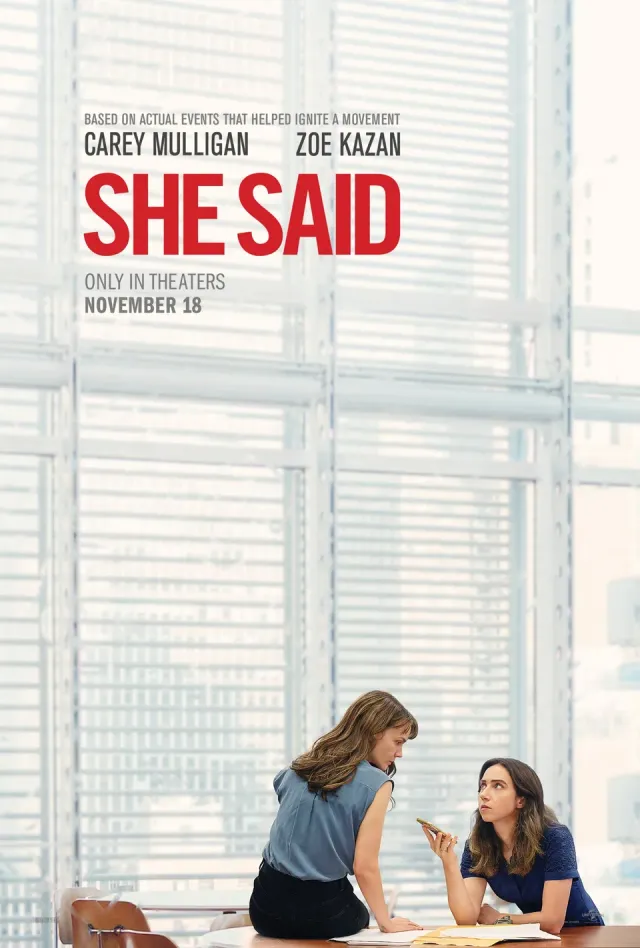
The reporters’ collaboration allows the investigation to continue when one avenue stalls.
Why this matches +
An evidence-led professional inquiry confronts official secrecy and the institutional normalization of abuse.
Genres: Biography / Drama
Shared film traits
Based on recorded story, mood and style. Your preferences can change the order.
Investigation · Political resistance
What changes The Report: document-driven procedure, gradual accumulation of evidence and political release climax. She Said: a procedural rhythm advances through interviews and verification.
New York Times journalists Jodi Kantor and Megan Twohey investigate allegations of sexual abuse by producer Harvey Weinstein. Their reporting depends on finding sources willing to speak despite fear of career damage, legal threats, and years of institutional silence. The newsroom drama focuses on methodical interviews, corroboration, and publication, showing how collaborative reporting can turn private accounts into a public record.
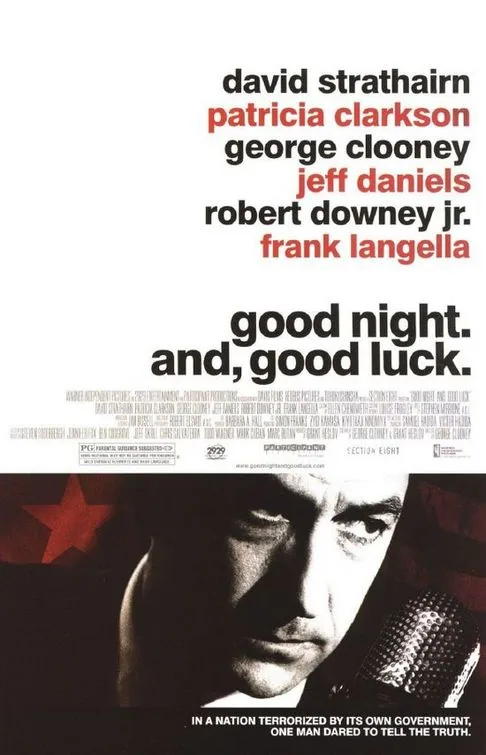
A newsroom's evidence-based challenge to political intimidation tests how far a commercial broadcaster will support the independence it publicly endorses.
Why this matches +
An evidence-led professional inquiry confronts official secrecy and the institutional normalization of abuse.
Genres: Drama / History
Shared film traits
Based on recorded story, mood and style. Your preferences can change the order.
Investigation
What changes The Report: document-driven procedure, gradual accumulation of evidence and political release climax. Good Night, and Good Luck.: measured.
A television news team challenges accusations and procedures associated with Senator McCarthy while working inside a network vulnerable to sponsors and political pressure. Decisions about evidence, wording and airtime make editorial independence a practical risk rather than an abstract professional virtue. Personal consequences unfold around the broadcasts, including scrutiny of colleagues whose lives do not fit institutional rules. The restrained historical drama presents journalism as coordinated work whose public authority depends on choices made under commercial and political constraint.
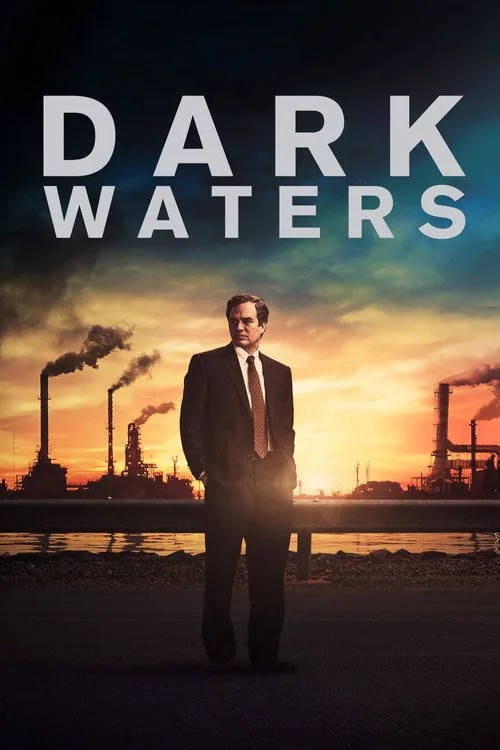
A farmer's evidence leads a corporate lawyer into a long legal challenge over chemical contamination.
Why this matches +
An evidence-led professional inquiry confronts official secrecy and the institutional normalization of abuse.
Genres: biography / drama
Shared film traits
Based on recorded story, mood and style. Your preferences can change the order.
Investigation
What changes The Report: document-driven procedure, gradual accumulation of evidence and political release climax. Dark Waters: procedural, cumulative and multi-year.
Corporate defense lawyer Robert Bilott is asked by West Virginia farmer Wilbur Tennant to investigate unexplained animal deaths near a DuPont chemical operation. His research connects the farm's contamination to a persistent compound used in making Teflon, and a local dispute grows into a decades-long legal and public-health fight. Bilott's pursuit strains his work and family life as corporate resistance makes evidence, time, and accountability central obstacles.
Poitras documents the meeting in which Snowden discloses NSA surveillance evidence to journalists and prepares to go public.
Why this matches +
An evidence-led professional inquiry confronts official secrecy and the institutional normalization of abuse.
Genres: Documentary / History
The approach A documentary treatment rather than a dramatic feature.
Shared film traits
Based on recorded story, mood and style. Your preferences can change the order.
Investigation · Political resistance
What changes The Report: document-driven procedure, gradual accumulation of evidence and political release climax. Citizenfour: real-time hotel conversations, reporting milestones and news-event escalation.
Documentarian Laura Poitras receives encrypted messages from someone using the name Citizen Four and travels to Hong Kong with journalists Glenn Greenwald and Ewen MacAskill. There they meet Edward Snowden, who reveals classified information about government surveillance programs while protecting his identity inside a hotel room. The film records the disclosures as they unfold, including the reporters' decisions, Snowden's anxiety, and the public consequences that begin to follow. Its immediacy comes from watching an international news story develop in real time.
A politically motivated surveillance assignment turns a loyal operative's access to private evidence into a conflict between bureaucratic obedience and covert protection.
Why this matches +
Accepted procedures cannot remove personal responsibility for the violence or injustice carried out in an institution's name.
An adjacent discovery: a related idea with a different viewing experience.
Genres: Drama / Thriller
Shared film traits
Based on recorded story, mood and style. Your preferences can change the order.
Political resistance
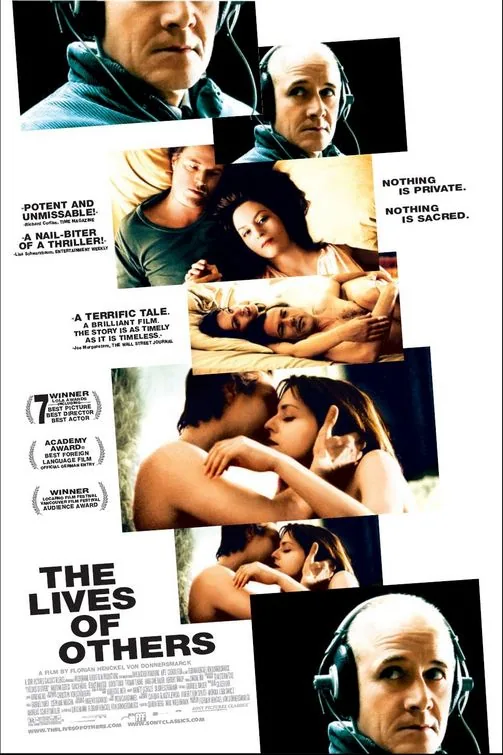
What changes The Report: document-driven procedure, gradual accumulation of evidence and political release climax. The Lives of Others: slow burn.
An East German surveillance officer is assigned to monitor a celebrated playwright and his partner, ostensibly for national security. Listening to their private life reveals artistic friendships, fear and a senior official's exploitative motive behind the operation. The officer's identification with people he is meant to expose creates small opportunities to intervene, but every altered report risks his position within an institution that treats conscience as disloyalty.
Navalny and the journalists test leads and evidence to identify those behind the attempt on his life.
Why this matches +
Accepted procedures cannot remove personal responsibility for the violence or injustice carried out in an institution's name.
An adjacent discovery: a related idea with a different viewing experience.
Genres: Documentary / Biography
The approach A documentary treatment rather than a dramatic feature.
Shared film traits
Based on recorded story, mood and style. Your preferences can change the order.
Investigation · Political resistance
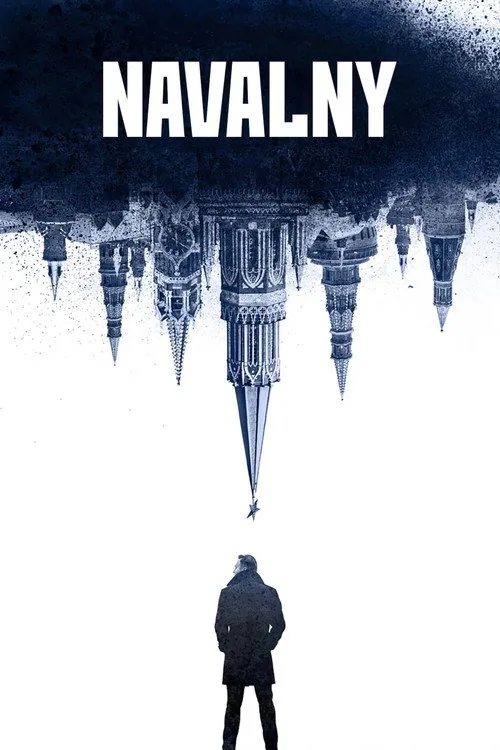
What changes The Report: document-driven procedure, gradual accumulation of evidence and political release climax. Navalny: real-time investigative turns and escalating political tension.
Daniel Roher’s documentary follows Russian opposition politician Alexei Navalny after he survives a poisoning in 2020 and recovers in Germany. With his family and a team of investigative journalists, Navalny tries to identify those responsible and trace the operation through a mix of interviews, digital evidence, and direct contact with people connected to the case. The film unfolds as a political documentary thriller, combining an intimate portrait of its subject with the mechanics of an investigation and the risks of returning to public opposition.
A principled defense creates the relationship and institutional position through which an unofficial negotiator can challenge the unequal treatment of people in a prisoner exchange.
Why this matches +
Accepted procedures cannot remove personal responsibility for the violence or injustice carried out in an institution's name.
An adjacent discovery: a related idea with a different viewing experience.
Genres: Drama / Thriller
Shared film traits
Based on recorded story, mood and style. Your preferences can change the order.
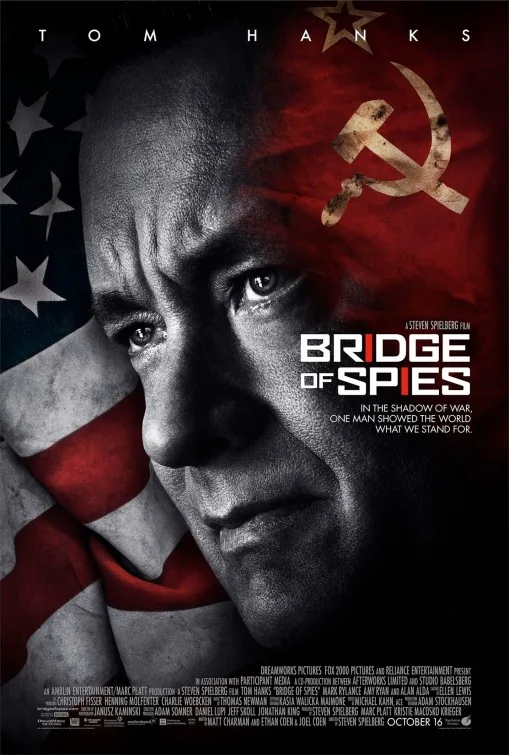
What changes The Report: document-driven procedure, gradual accumulation of evidence and political release climax. Bridge of Spies: measured.
An American lawyer agrees to defend an accused Soviet spy at a moment when public fear makes professional duty appear disloyal. His insistence on legal protections later becomes part of an unofficial effort to exchange prisoners across a divided Berlin. Negotiating among authorities with different needs requires maintaining attention to individuals whom strategic accounts would prefer to treat as unequal assets, making consistency a practical risk rather than merely an admirable statement.
The murder investigation becomes a fight over whether evidence can survive the pressure of a state that wants the crime reduced to a private or accidental act.
Why this matches +
Accepted procedures cannot remove personal responsibility for the violence or injustice carried out in an institution's name.
An adjacent discovery: a related idea with a different viewing experience.
Genres: Drama / Thriller
Shared film traits
Based on recorded story, mood and style. Your preferences can change the order.
Investigation · Political resistance
What changes The Report: document-driven procedure, gradual accumulation of evidence and political release climax. Z: rapid procedural build.
After a prominent Greek left-wing politician is attacked and dies following a public rally, a magistrate investigates the case despite pressure from officials who want it contained. Journalists and witnesses help expose the gap between the public account and the network of people who planned and concealed the violence. Costa-Gavras shapes the story as a political investigation, using an unnamed country and documentary-like urgency to connect individual testimony with institutional complicity. The title’s protest slogan becomes both a demand to remember the victim and a challenge to an attempted cover-up. Its reportorial momentum makes the investigation itself the chief source of suspense.
A required unanimous decision becomes a contest over whether uncertainty will be examined or dismissed for the convenience of the group.
Why this matches +
Accepted procedures cannot remove personal responsibility for the violence or injustice carried out in an institution's name.
An adjacent discovery: a related idea with a different viewing experience.
Genres: Drama / Huis-clos
Shared film traits
Based on recorded story, mood and style. Your preferences can change the order.
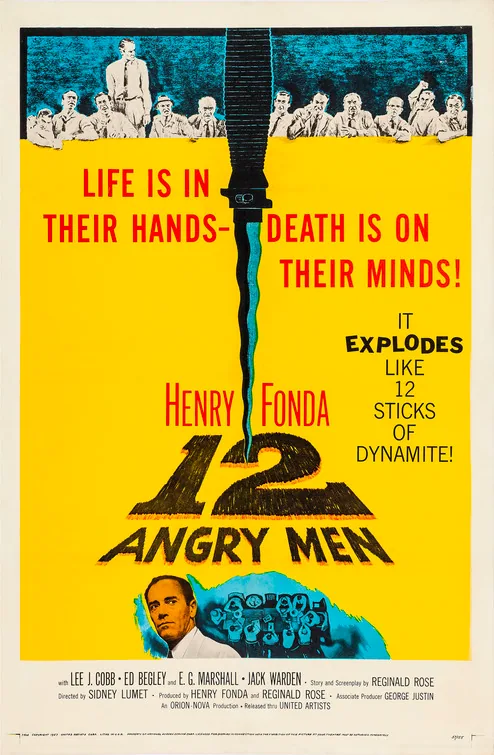
What changes The Report: document-driven procedure, gradual accumulation of evidence and political release climax. 12 Angry Men: measured and intense.
A jury assembled after a murder trial initially expects to return a quick guilty verdict against a young defendant. One member's insistence on discussing the evidence interrupts that consensus and forces the others to revisit testimony they have accepted as settled. Confined deliberation exposes impatience, personal resentment and prejudice as influences on an apparently factual decision whose consequences cannot be reversed.
A case expected to end in a settlement becomes a test of whether an impaired lawyer can turn a vulnerable client’s injury into public evidence.
Why this matches +
Accepted procedures cannot remove personal responsibility for the violence or injustice carried out in an institution's name.
An adjacent discovery: a related idea with a different viewing experience.
Genres: Drama / Trial
Shared film traits
Based on recorded story, mood and style. Your preferences can change the order.
Investigation
What changes The Report: document-driven procedure, gradual accumulation of evidence and political release climax. The Verdict: measured and courtroom escalation.
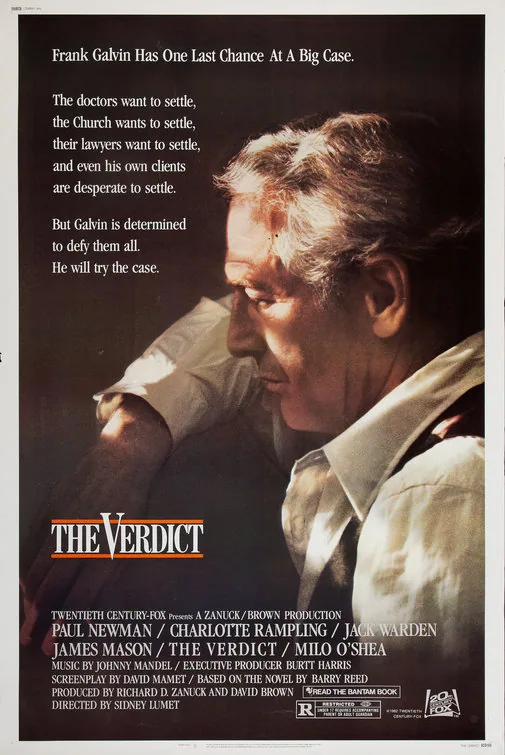
Frank Galvin is a once-promising Boston lawyer whose drinking and professional decline have left him chasing minor cases. His former colleague gives him a medical malpractice suit involving a young woman left comatose after childbirth, expecting him to accept a settlement from the hospital’s powerful legal team. A visit to the patient changes Frank’s response: he decides that a trial may expose what happened, even though his preparation is disorganized and witnesses prove difficult to secure. Opposing counsel Ed Concannon uses influence and procedure to contain the case, forcing Frank to choose between a quick payment and the uncertain chance to make the evidence heard. Frank’s rejection of the settlement also puts his professional credibility and the client’s legal remedy at risk.
Adams’s account is weighed against Harris’s changing statements and the memories of people involved in the investigation.
Why this matches +
Accepted procedures cannot remove personal responsibility for the violence or injustice carried out in an institution's name.
An adjacent discovery: a related idea with a different viewing experience.
Genres: Documentary / Crime
The approach A documentary treatment rather than a dramatic feature.
Shared film traits
Based on recorded story, mood and style. Your preferences can change the order.
Investigation
What changes The Report: document-driven procedure, gradual accumulation of evidence and political release climax. The Thin Blue Line: interview-driven inquiry, repeated reconstruction, accumulating contradictions and open evidentiary question.
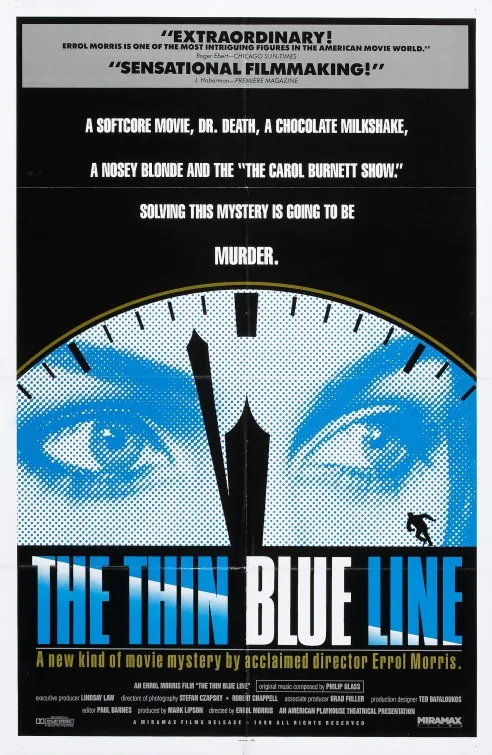
Errol Morris reexamines the 1976 murder of Dallas police officer Robert Wood and the conviction of Randall Adams, a man sentenced to death for the crime. Through interviews with Adams, David Harris, police officers, lawyers and witnesses, the documentary tests how testimony and memory shaped the case. Stylized reenactments return to key moments from different angles, exposing contradictions without presenting a conventional omniscient reconstruction. Rather than relying on a narrator to settle every uncertainty, the film makes the viewer compare claims, motives and visual evidence. Its investigation asks how an official story becomes accepted and what can happen when courts, police and witnesses fail to question it. The result is both a true-crime inquiry and a study of the power of representation in the justice system.
Former perpetrators devise cinematic scenes about their actions, and the filmmaking process brings their accounts into view alongside the human consequences they avoid.
Why this matches +
Accepted procedures cannot remove personal responsibility for the violence or injustice carried out in an institution's name.
An adjacent discovery: a related idea with a different viewing experience.
Genres: Documentary / History
The approach A documentary treatment rather than a dramatic feature.
Shared film traits
Based on recorded story, mood and style. Your preferences can change the order.
Political resistance
What changes The Report: document-driven procedure, gradual accumulation of evidence and political release climax. The Act of Killing: patient, episodic and cumulatively revealing.
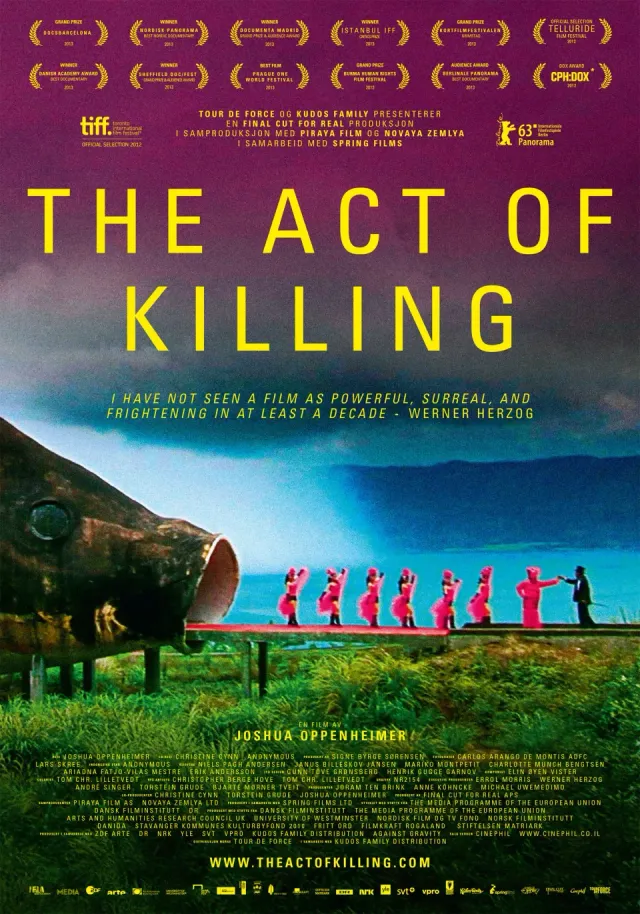
Documentarians give former Indonesian death-squad leader Anwar Congo and other men involved in the 1965–66 killings the freedom to stage scenes from their past in styles drawn from the movies they admire. The participants move between reenactment, interviews and everyday life, performing versions of their own histories while discussing how they understand them. Their choices expose the distance between public self-image and the violence remembered by victims and survivors.
Adi uses recordings and face-to-face conversations to ask former perpetrators about the killing of his brother and the history carried by his family.
Why this matches +
Accepted procedures cannot remove personal responsibility for the violence or injustice carried out in an institution's name.
An adjacent discovery: a related idea with a different viewing experience.
Genres: Documentary / History
The approach A documentary treatment rather than a dramatic feature.
Shared film traits
Based on recorded story, mood and style. Your preferences can change the order.
Political resistance
What changes The Report: document-driven procedure, gradual accumulation of evidence and political release climax. The Look of Silence: patient, conversation-based and cumulatively revealing.
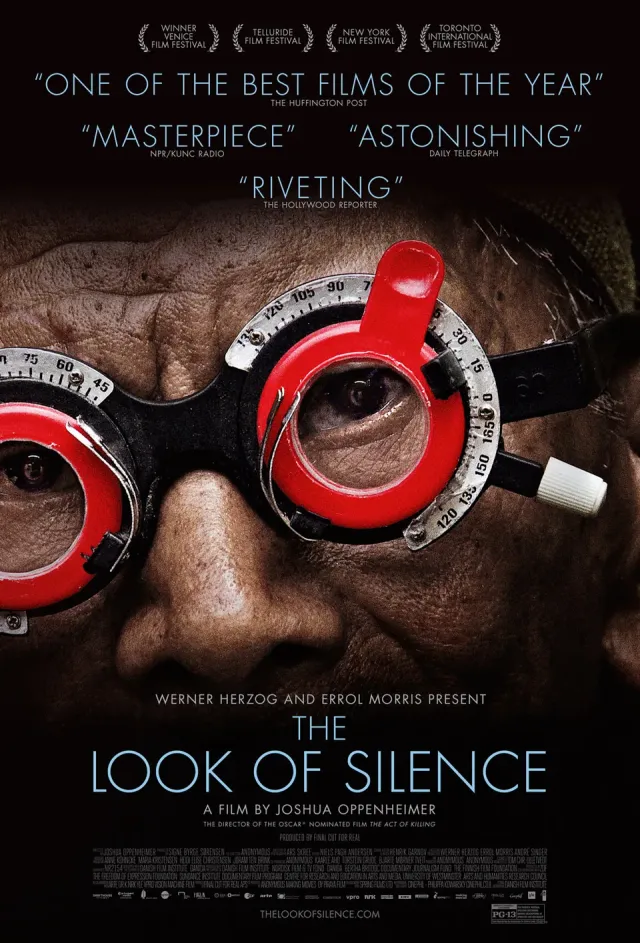
Adi Rukun, an Indonesian optometrist, grew up after his older brother Ramli was killed during the 1965–66 anti-communist purges. While serving customers, Adi watches recordings of former perpetrators describing the violence and decides to meet some of them with his family’s story in hand. He asks direct questions about what happened and how they understand their actions. Joshua Oppenheimer’s documentary centers on the risks and emotional strain of confronting a history that remains publicly unresolved.
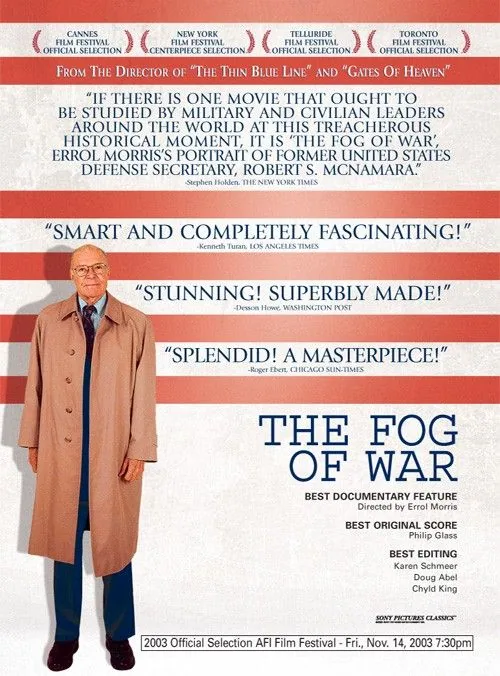
McNamara’s explanations reveal both his willingness to criticize past decisions and his limits in accounting for them.
Why this matches +
Accepted procedures cannot remove personal responsibility for the violence or injustice carried out in an institution's name.
An adjacent discovery: a related idea with a different viewing experience.
Genres: Documentary / History
The approach A documentary treatment rather than a dramatic feature.
Shared film traits
Based on recorded story, mood and style. Your preferences can change the order.
Investigation
What changes The Report: document-driven procedure, gradual accumulation of evidence and political release climax. The Fog of War: interviews and archival sequences move between mcnamara’s career and major crises and retrospective judgments.
Director Errol Morris interviews former U.S. Secretary of Defense Robert McNamara, pairing his recollections with archival footage and recordings from government discussions. Structured around eleven lessons, the documentary follows McNamara’s life and examines his role in the bombing campaigns of World War II, the Cuban Missile Crisis and the escalation of the Vietnam War. He reflects on how leaders make decisions with incomplete information and sometimes speaks critically about his own actions. The film leaves viewers weighing the distance between strategic reasoning and human consequences.
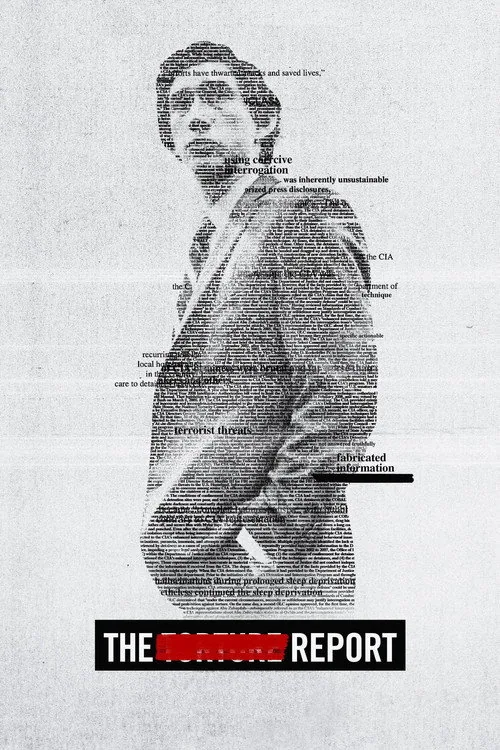
In 2009, Senate staffer Daniel Jones is asked to review millions of pages of CIA records about the agency's post-9/11 interrogation program. Working with a small team, he documents how officials authorized and described the practices, while facing delays, political pressure, and resistance from the intelligence agency. Senator Dianne Feinstein backs the inquiry, but the report's publication becomes a struggle of its own. The political drama follows the patient work of assembling evidence and making an official record public.
What drives the story
Jones and his small team examine a vast record and try to substantiate what the CIA did during interrogation.
The people at its centre
His working relationship with Feinstein and tense contact with agency officials shape what can be learned and released.
What it feels like
A disciplined political procedural finds suspense in documents, redactions, meetings, and a long struggle over publication.
Worth knowing
It dramatizes a Senate investigation of detention practices, rather than a courtroom prosecution or spy operation.
accountability and secrecyevidence and truthinstitutional power
Mood
methodical · serious · tense
Pacing
document-driven procedure · gradual accumulation of evidence · political release climax
Visual style
confined offices and archives · restrained government settings · close procedural framing
Storytelling
Senate investigator reviews CIA records · report faces institutional obstruction · publication becomes a second battle