A local allegation expands into an investigation of systematic concealment, requiring documentary proof of institutional knowledge rather than another isolated accusation.
Why this matches +
Patient collaborative investigation gives neglected witnesses a hearing despite powerful resistance to publication.
Genres: Drama / Biography
Shared film traits
Based on recorded story, mood and style. Your preferences can change the order.
Investigation
What changes She Said: a procedural rhythm advances through interviews and verification. Spotlight: slow burn.
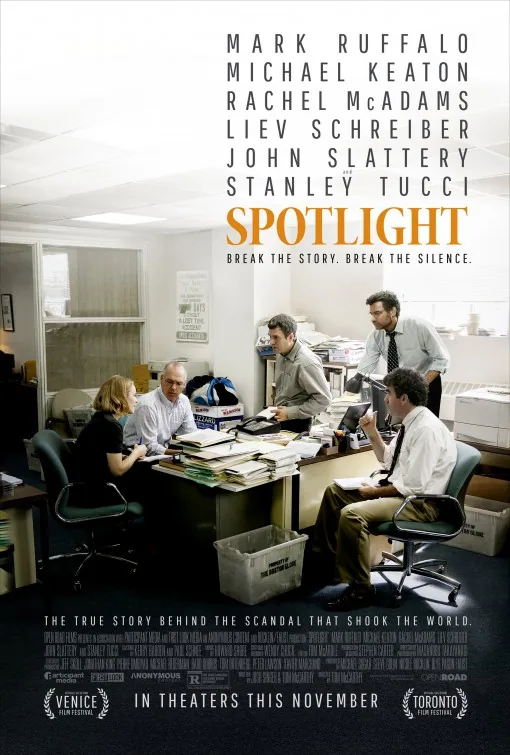
A newspaper's investigative team begins examining allegations against a Boston priest and encounters a pattern extending far beyond an individual offence. Reporters work through court records, reluctant witnesses and professional networks while institutional resistance repeatedly narrows what can be made public. The inquiry also forces them to confront how their own organisation previously missed opportunities to act, making publication a test of collective responsibility as well as evidentiary persistence.
Small inconsistencies accumulate into a publishable case through interviews, documents and repeated verification.
Why this matches +
Patient collaborative investigation gives neglected witnesses a hearing despite powerful resistance to publication.
Genres: Drama / Thriller
Shared film traits
Based on recorded story, mood and style. Your preferences can change the order.
Investigation
What changes She Said: a procedural rhythm advances through interviews and verification. All the President's Men: measured.
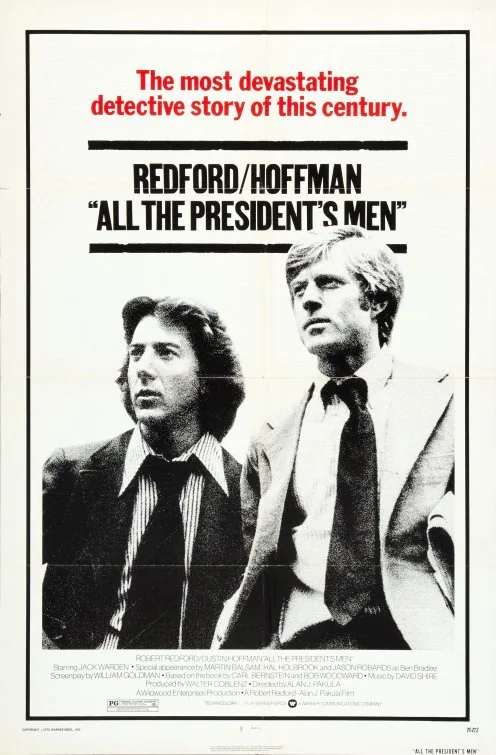
Two newspaper reporters investigate a burglary whose apparently minor details lead towards senior political figures. Interviews, records and reluctant sources gradually reveal a larger operation, but each claim requires corroboration before publication. Their progress depends less on a single revelation than on patient persistence inside a newsroom negotiating evidence, risk and the pressure exerted by powerful people.
A Supreme Court fight over the Times's publication raises the stakes of the Post's own decision to print classified documents before a public offering.
Why this matches +
Patient collaborative investigation gives neglected witnesses a hearing despite powerful resistance to publication.
Genres: Drama / Thriller
Shared film traits
Based on recorded story, mood and style. Your preferences can change the order.
Investigation · Political resistance
What changes She Said: a procedural rhythm advances through interviews and verification. The Post: deadline-driven and escalating.
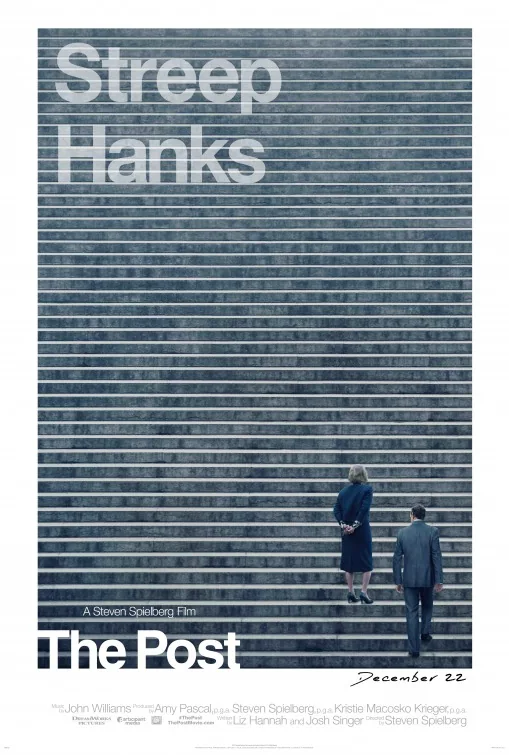
In 1971, Washington Post publisher Katharine Graham weighs the future of the paper as it prepares for a public stock offering and faces pressure from the Nixon administration. After the New York Times is enjoined from publishing the Pentagon Papers, editor Ben Bradlee pushes the Post to obtain and print the documents. Graham must decide whether the paper's duty to readers outweighs legal risk, possible criminal charges and the financial exposure of a company about to go public. Reporters work to verify the leak while lawyers and board members argue over what can safely be published. The story follows a newsroom making an institutional choice under a deadline, with Graham's authority changing as she moves from social and business constraints toward editorial responsibility.
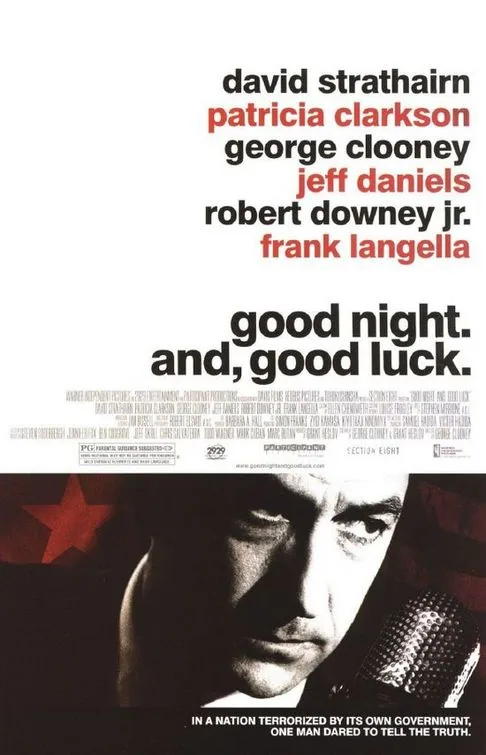
A newsroom's evidence-based challenge to political intimidation tests how far a commercial broadcaster will support the independence it publicly endorses.
Why this matches +
Patient collaborative investigation gives neglected witnesses a hearing despite powerful resistance to publication.
Genres: Drama / History
Shared film traits
Based on recorded story, mood and style. Your preferences can change the order.
Investigation
What changes She Said: a procedural rhythm advances through interviews and verification. Good Night, and Good Luck.: measured.
A television news team challenges accusations and procedures associated with Senator McCarthy while working inside a network vulnerable to sponsors and political pressure. Decisions about evidence, wording and airtime make editorial independence a practical risk rather than an abstract professional virtue. Personal consequences unfold around the broadcasts, including scrutiny of colleagues whose lives do not fit institutional rules. The restrained historical drama presents journalism as coordinated work whose public authority depends on choices made under commercial and political constraint.
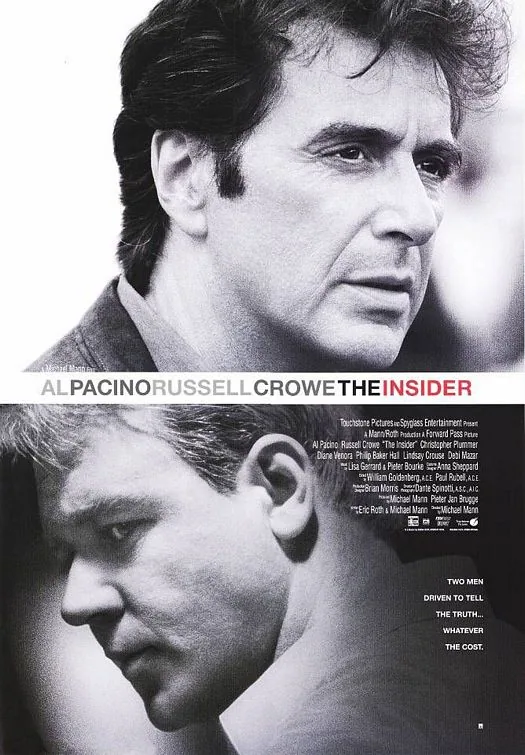
The threat of publication links two risks: Wigand may lose his safety and livelihood, while CBS may suppress the interview to protect itself.
Why this matches +
Patient collaborative investigation gives neglected witnesses a hearing despite powerful resistance to publication.
Genres: Drama / Thriller
Shared film traits
Based on recorded story, mood and style. Your preferences can change the order.
Investigation
What changes She Said: a procedural rhythm advances through interviews and verification. The Insider: reporting and verification and publicity escalation.
CBS producer Lowell Bergman persuades former tobacco executive Jeffrey Wigand to explain what he knows about Brown & Williamson’s practices for a 60 Minutes investigation. Wigand’s confidentiality agreement, threats and family pressures make cooperation dangerous, while CBS executives worry about legal and financial exposure. As the broadcast is delayed and edited, Bergman must decide whether protecting the story means confronting the network that employs him. The film turns investigative reporting into a battle over sources, corporate pressure and newsroom independence, dramatizing real events without serving as a transcript of every participant’s perspective.
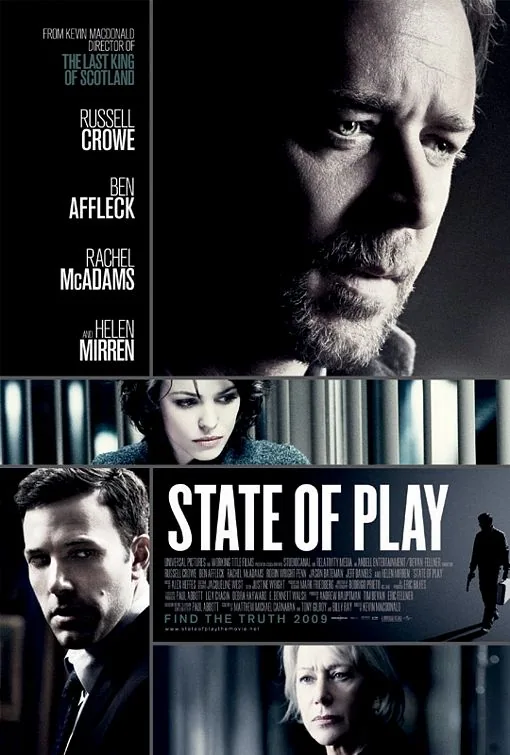
A suspicious death leads a reporter through political relationships and corporate interests that resist a simple explanation.
Why this matches +
Patient collaborative investigation gives neglected witnesses a hearing despite powerful resistance to publication.
Genres: Drama / Thriller
Shared film traits
Based on recorded story, mood and style. Your preferences can change the order.
Investigation · Political resistance
What changes She Said: a procedural rhythm advances through interviews and verification. State of Play: measured and investigation-led.
A veteran newspaper reporter investigates the death of a congressional aide and discovers connections to the congressman’s private life and a defense contractor. His work intersects with a political blogger and editor as sources offer conflicting accounts and pressure grows to publish quickly. The newsroom thriller examines evidence, friendship and the cost of public scrutiny, while treating reporting as a process that can expose power but also damage people close to the reporter.
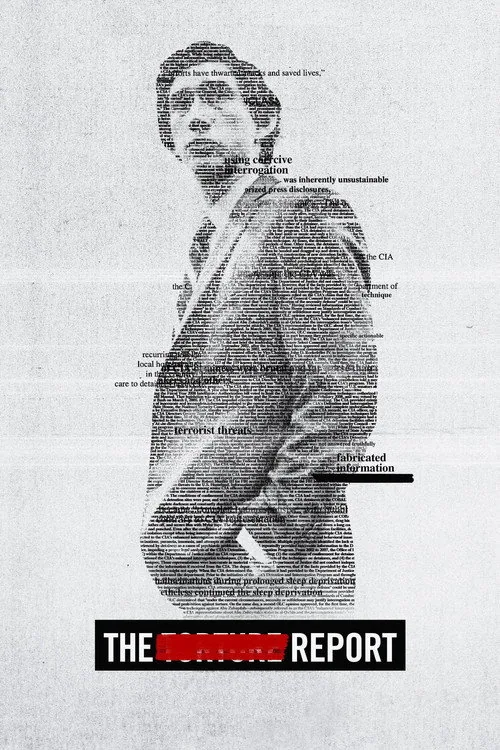
Jones and his small team examine a vast record and try to substantiate what the CIA did during interrogation.
Why this matches +
Patient collaborative investigation gives neglected witnesses a hearing despite powerful resistance to publication.
Genres: Drama / History
Shared film traits
Based on recorded story, mood and style. Your preferences can change the order.
Investigation · Political resistance
What changes She Said: a procedural rhythm advances through interviews and verification. The Report: document-driven procedure, gradual accumulation of evidence and political release climax.
In 2009, Senate staffer Daniel Jones is asked to review millions of pages of CIA records about the agency's post-9/11 interrogation program. Working with a small team, he documents how officials authorized and described the practices, while facing delays, political pressure, and resistance from the intelligence agency. Senator Dianne Feinstein backs the inquiry, but the report's publication becomes a struggle of its own. The political drama follows the patient work of assembling evidence and making an official record public.
An elusive criminal's intermittent evidence creates a prolonged investigation whose uncertainty becomes a sustaining obsession of its own.
Why this matches +
Patient collaborative investigation gives neglected witnesses a hearing despite powerful resistance to publication.
Genres: Thriller / Mystery
Shared film traits
Based on recorded story, mood and style. Your preferences can change the order.
Investigation
What changes She Said: a procedural rhythm advances through interviews and verification. Zodiac: slow burn.
A series of killings and public messages draws police officers and newspaper staff into a search for an offender who controls attention through selective disclosure. Years of interviews, uncertain identifications and jurisdictional boundaries make progress difficult to distinguish from renewed speculation. A cartoonist's growing private commitment to the case exposes the personal cost of treating an unresolved account as a problem that more persistence must eventually close.
A government translator leaks a memo that could influence the Iraq invasion and is prosecuted for revealing it.
Why this matches +
Patient collaborative investigation gives neglected witnesses a hearing despite powerful resistance to publication.
Genres: Drama / Thriller
Shared film traits
Based on recorded story, mood and style. Your preferences can change the order.
Investigation · Political resistance
What changes She Said: a procedural rhythm advances through interviews and verification. Official Secrets: press investigation, legal escalation and steady procedural tension.
In 2003, GCHQ translator Katharine Gun sees a request for intelligence that could help secure support for the invasion of Iraq. Believing the request is illegal and morally indefensible, she leaks a memo to the press, then faces arrest under Britain's Official Secrets Act. The film follows the effort to verify the story, the mounting pressure on Gun and her husband, and a legal case whose outcome depends on whether the government will disclose its own conduct.
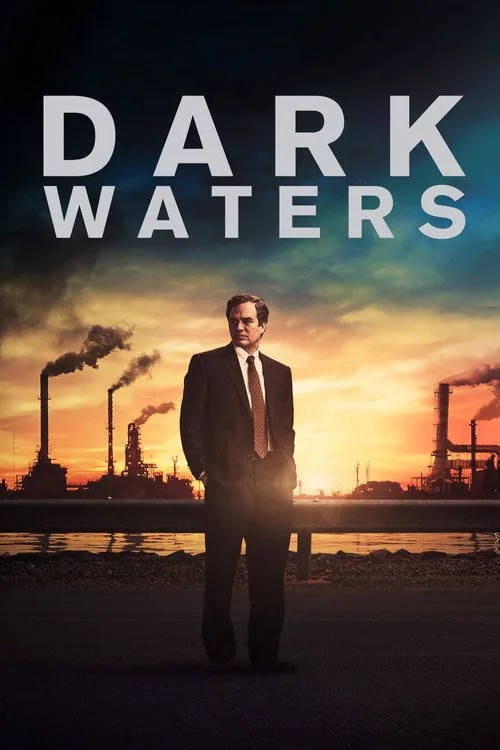
A farmer's evidence leads a corporate lawyer into a long legal challenge over chemical contamination.
Why this matches +
Patient collaborative investigation gives neglected witnesses a hearing despite powerful resistance to publication.
Genres: biography / drama
Shared film traits
Based on recorded story, mood and style. Your preferences can change the order.
Investigation
What changes She Said: a procedural rhythm advances through interviews and verification. Dark Waters: procedural, cumulative and multi-year.
Corporate defense lawyer Robert Bilott is asked by West Virginia farmer Wilbur Tennant to investigate unexplained animal deaths near a DuPont chemical operation. His research connects the farm's contamination to a persistent compound used in making Teflon, and a local dispute grows into a decades-long legal and public-health fight. Bilott's pursuit strains his work and family life as corporate resistance makes evidence, time, and accountability central obstacles.
An overlooked employee turns a paperwork anomaly into an investigation whose strength depends on linking personal testimony with evidence of corporate knowledge.
Why this matches +
Records and testimony expose how institutional legitimacy can conceal harm to people with little power to challenge it.
An adjacent discovery: a related idea with a different viewing experience.
Genres: Drama / Biography
Shared film traits
Based on recorded story, mood and style. Your preferences can change the order.
Investigation
What changes She Said: a procedural rhythm advances through interviews and verification. Erin Brockovich: steady.
A single mother with limited formal qualifications obtains work in a small law office and follows inconsistencies in a property file towards evidence of contaminated water. Listening to affected residents supplies connections that an apparently routine transaction has obscured, but building a case requires records, trust and time she also owes her children. Her insistence on being taken seriously becomes inseparable from recognising the households whose experiences have been discounted by a much more powerful company.
The manhunt advances through fragmented intelligence and repeated reassessment, with Maya’s pursuit of one lead sustained against bureaucratic delay and uncertainty.
Why this matches +
Records and testimony expose how institutional legitimacy can conceal harm to people with little power to challenge it.
An adjacent discovery: a related idea with a different viewing experience.
Genres: Drama / Thriller
Shared film traits
Based on recorded story, mood and style. Your preferences can change the order.
Investigation
What changes She Said: a procedural rhythm advances through interviews and verification. Zero Dark Thirty: decade-spanning procedural.
Kathryn Bigelow’s drama follows Maya, a CIA analyst assigned to the search for Osama bin Laden after the September 11 attacks. Years of intelligence work, interrogations, failed leads and institutional disagreement gradually narrow the focus to a courier and a compound in Abbottabad. Maya’s certainty grows even when the evidence remains contested and senior officials hesitate to act. The film moves from a drawn-out investigation to the covert raid, presenting a dramatized account of real events whose treatment of torture and intelligence has been widely disputed. The narrative compresses an enormous intelligence apparatus into one determined analyst’s perspective.
Poitras documents the meeting in which Snowden discloses NSA surveillance evidence to journalists and prepares to go public.
Why this matches +
Records and testimony expose how institutional legitimacy can conceal harm to people with little power to challenge it.
An adjacent discovery: a related idea with a different viewing experience.
Genres: Documentary / History
The approach A documentary treatment rather than a dramatic feature.
Shared film traits
Based on recorded story, mood and style. Your preferences can change the order.
Investigation · Political resistance
What changes She Said: a procedural rhythm advances through interviews and verification. Citizenfour: real-time hotel conversations, reporting milestones and news-event escalation.
Documentarian Laura Poitras receives encrypted messages from someone using the name Citizen Four and travels to Hong Kong with journalists Glenn Greenwald and Ewen MacAskill. There they meet Edward Snowden, who reveals classified information about government surveillance programs while protecting his identity inside a hotel room. The film records the disclosures as they unfold, including the reporters' decisions, Snowden's anxiety, and the public consequences that begin to follow. Its immediacy comes from watching an international news story develop in real time.
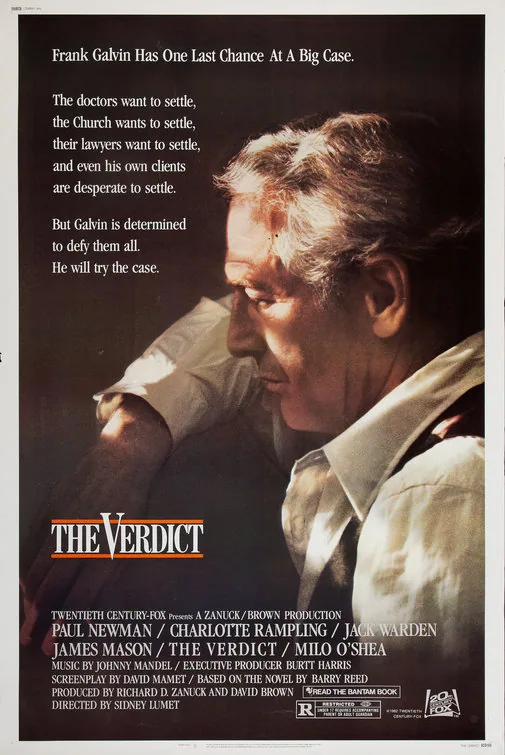
A case expected to end in a settlement becomes a test of whether an impaired lawyer can turn a vulnerable client’s injury into public evidence.
Why this matches +
Records and testimony expose how institutional legitimacy can conceal harm to people with little power to challenge it.
An adjacent discovery: a related idea with a different viewing experience.
Genres: Drama / Trial
Shared film traits
Based on recorded story, mood and style. Your preferences can change the order.
Investigation
What changes She Said: a procedural rhythm advances through interviews and verification. The Verdict: measured and courtroom escalation.
Frank Galvin is a once-promising Boston lawyer whose drinking and professional decline have left him chasing minor cases. His former colleague gives him a medical malpractice suit involving a young woman left comatose after childbirth, expecting him to accept a settlement from the hospital’s powerful legal team. A visit to the patient changes Frank’s response: he decides that a trial may expose what happened, even though his preparation is disorganized and witnesses prove difficult to secure. Opposing counsel Ed Concannon uses influence and procedure to contain the case, forcing Frank to choose between a quick payment and the uncertain chance to make the evidence heard. Frank’s rejection of the settlement also puts his professional credibility and the client’s legal remedy at risk.
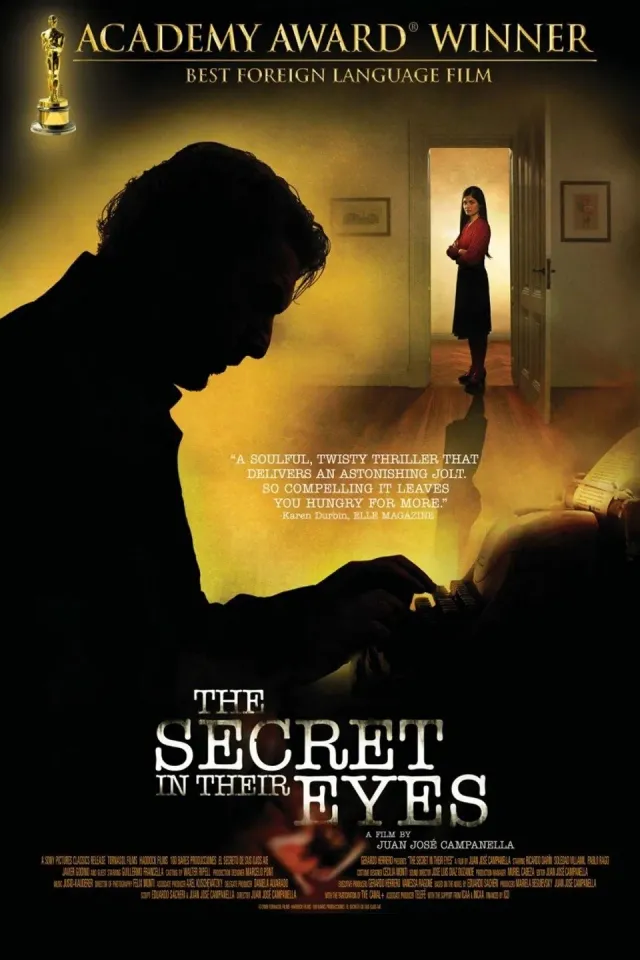
A retired investigator revisits an unresolved murder through memory and writing, uncovering how legal power and political violence shaped the original case.
Why this matches +
Records and testimony expose how institutional legitimacy can conceal harm to people with little power to challenge it.
An adjacent discovery: a related idea with a different viewing experience.
Genres: Crime / Drama
Shared film traits
Based on recorded story, mood and style. Your preferences can change the order.
Investigation
What changes She Said: a procedural rhythm advances through interviews and verification. The Secret in Their Eyes: nonlinear and patiently unfolding.
Retired legal investigator Benjamín Espósito begins writing about a rape and murder case that has haunted him for decades. Reconstructing the investigation takes him back to 1970s Argentina, where he worked with his superior Irene and encountered Ricardo Morales, the victim's grieving husband. The search for the killer was shaped by institutional corruption and the political climate, while Benjamín's restrained feelings for Irene remained unresolved. In the present, details that seemed settled become newly uncertain as memory and evidence are tested against one another. Benjamín's decision to revisit the case is not only professional: the act of writing forces him to confront what he has avoided in both the investigation and his personal life.
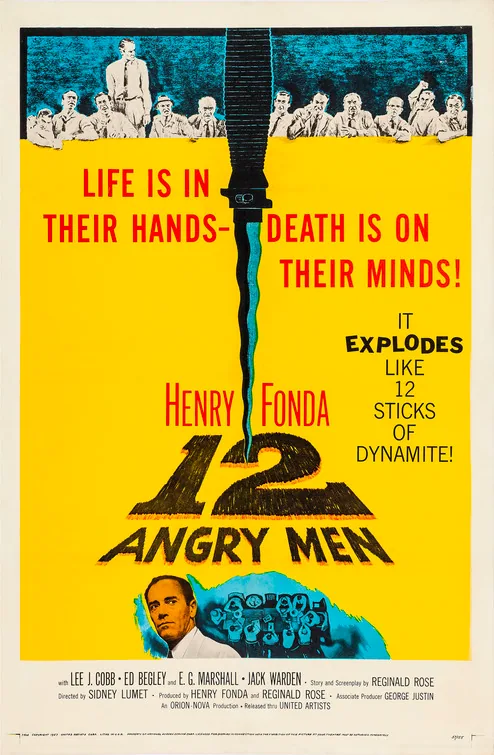
A required unanimous decision becomes a contest over whether uncertainty will be examined or dismissed for the convenience of the group.
Why this matches +
Records and testimony expose how institutional legitimacy can conceal harm to people with little power to challenge it.
An adjacent discovery: a related idea with a different viewing experience.
Genres: Drama / Huis-clos
Shared film traits
Based on recorded story, mood and style. Your preferences can change the order.
What changes She Said: a procedural rhythm advances through interviews and verification. 12 Angry Men: measured and intense.
A jury assembled after a murder trial initially expects to return a quick guilty verdict against a young defendant. One member's insistence on discussing the evidence interrupts that consensus and forces the others to revisit testimony they have accepted as settled. Confined deliberation exposes impatience, personal resentment and prejudice as influences on an apparently factual decision whose consequences cannot be reversed.
Adams’s account is weighed against Harris’s changing statements and the memories of people involved in the investigation.
Why this matches +
Records and testimony expose how institutional legitimacy can conceal harm to people with little power to challenge it.
An adjacent discovery: a related idea with a different viewing experience.
Genres: Documentary / Crime
The approach A documentary treatment rather than a dramatic feature.
Shared film traits
Based on recorded story, mood and style. Your preferences can change the order.
Investigation
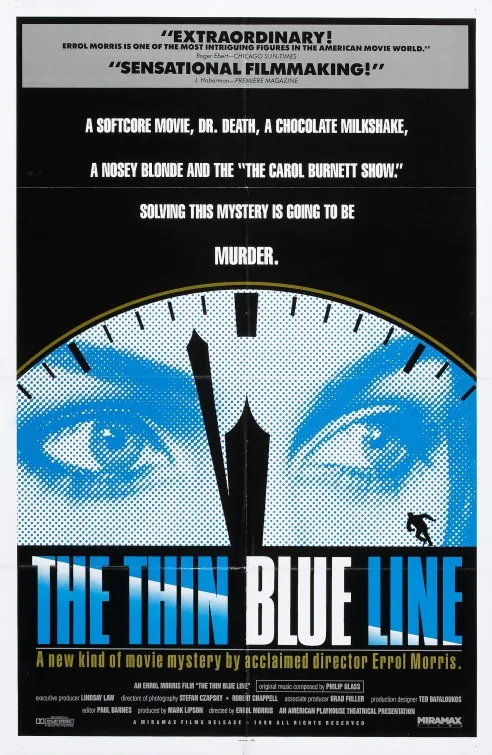
What changes She Said: a procedural rhythm advances through interviews and verification. The Thin Blue Line: interview-driven inquiry, repeated reconstruction, accumulating contradictions and open evidentiary question.
Errol Morris reexamines the 1976 murder of Dallas police officer Robert Wood and the conviction of Randall Adams, a man sentenced to death for the crime. Through interviews with Adams, David Harris, police officers, lawyers and witnesses, the documentary tests how testimony and memory shaped the case. Stylized reenactments return to key moments from different angles, exposing contradictions without presenting a conventional omniscient reconstruction. Rather than relying on a narrator to settle every uncertainty, the film makes the viewer compare claims, motives and visual evidence. Its investigation asks how an official story becomes accepted and what can happen when courts, police and witnesses fail to question it. The result is both a true-crime inquiry and a study of the power of representation in the justice system.
Body-camera recordings and emergency calls trace how a series of neighbor disputes preceded Ajike Owens's fatal shooting.
Why this matches +
Records and testimony expose how institutional legitimacy can conceal harm to people with little power to challenge it.
An adjacent discovery: a related idea with a different viewing experience.
Genres: Crime / Documentary
The approach A documentary treatment rather than a dramatic feature.
Shared film traits
Based on recorded story, mood and style. Your preferences can change the order.
Investigation
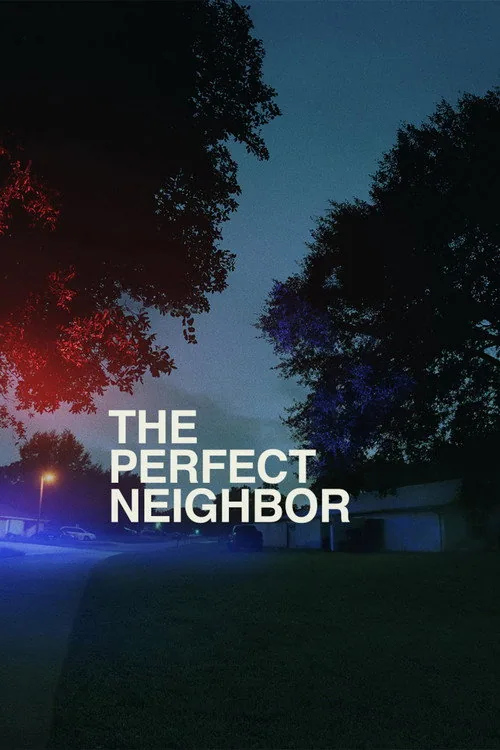
What changes She Said: a procedural rhythm advances through interviews and verification. The Perfect Neighbor: earlier calls reveal a growing dispute, recorded encounters accumulate context and fatal incident and investigation force reassessment.
This documentary reconstructs disputes between neighbors in Ocala, Florida, that preceded the 2023 killing of Ajike Owens by Susan Lorincz. It uses body-camera footage from repeated sheriff's-office responses, 911 calls, and interviews to show how complaints escalated and how local authorities encountered the conflict. The film asks viewers to assess what the recorded interactions reveal about race, neighbor relations, and institutional response before the fatal shooting. Its evidence-led structure turns public records into a tense account of a preventable neighborhood tragedy.
Former technology insiders describe how platforms capture attention and predict behavior; a fictional family illustrates possible effects on users.
Why this matches +
Records and testimony expose how institutional legitimacy can conceal harm to people with little power to challenge it.
An adjacent discovery: a related idea with a different viewing experience.
Genres: Documentary / Drama
The approach A documentary treatment rather than a dramatic feature.
Shared film traits
Based on recorded story, mood and style. Your preferences can change the order.
What changes She Said: a procedural rhythm advances through interviews and verification. The Social Dilemma: alternating, expository and argument-driven.
This documentary combines interviews with former technology employees and researchers with a fictional story about a family shaped by social media. Interviewees discuss persuasive design, behavioral data, recommendation systems, advertising, misinformation, and platform incentives. The dramatized family illustrates how a teenager’s engagement can affect attention, mood, and political beliefs. Jeff Orlowski’s film makes a case about technology’s social costs, using testimony and scripted scenes to present its argument.
An elusive serial case tests methods that produce certainty more easily than reliable evidence.
Why this matches +
Records and testimony expose how institutional legitimacy can conceal harm to people with little power to challenge it.
An adjacent discovery: a related idea with a different viewing experience.
Genres: Crime / Mystery
Shared film traits
Based on recorded story, mood and style. Your preferences can change the order.
Investigation
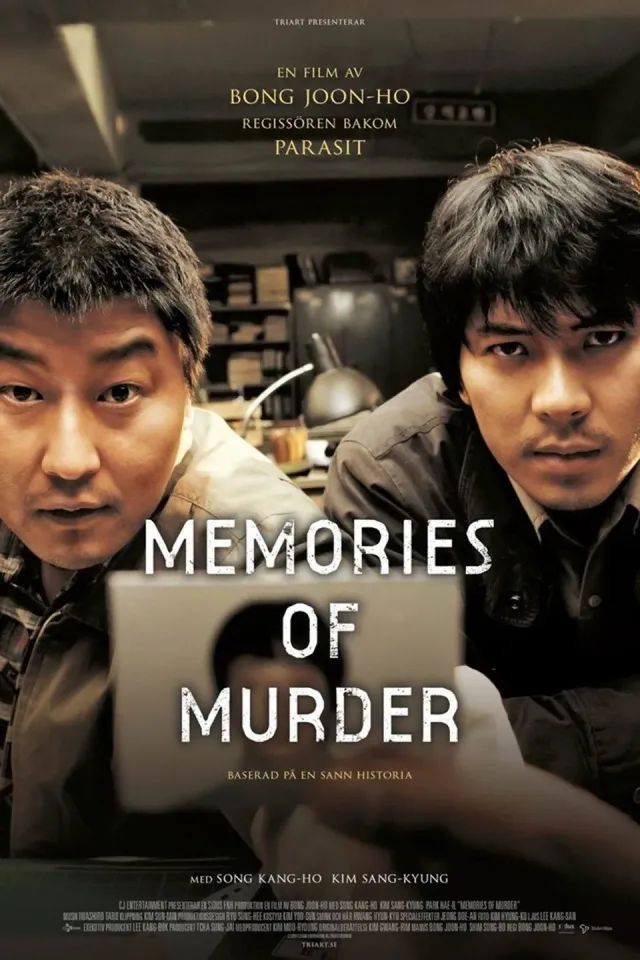
What changes She Said: a procedural rhythm advances through interviews and verification. Memories of Murder: measured and escalating.
Detectives in a rural Korean district investigate a series of killings with limited forensic resources and deeply unreliable police practices. A visiting investigator's faith in evidence collides with local coercion, intuition and pressure for a quick arrest. Repeated failures erode their confidence as the search exposes both the victims' vulnerability and the institutions meant to protect them.
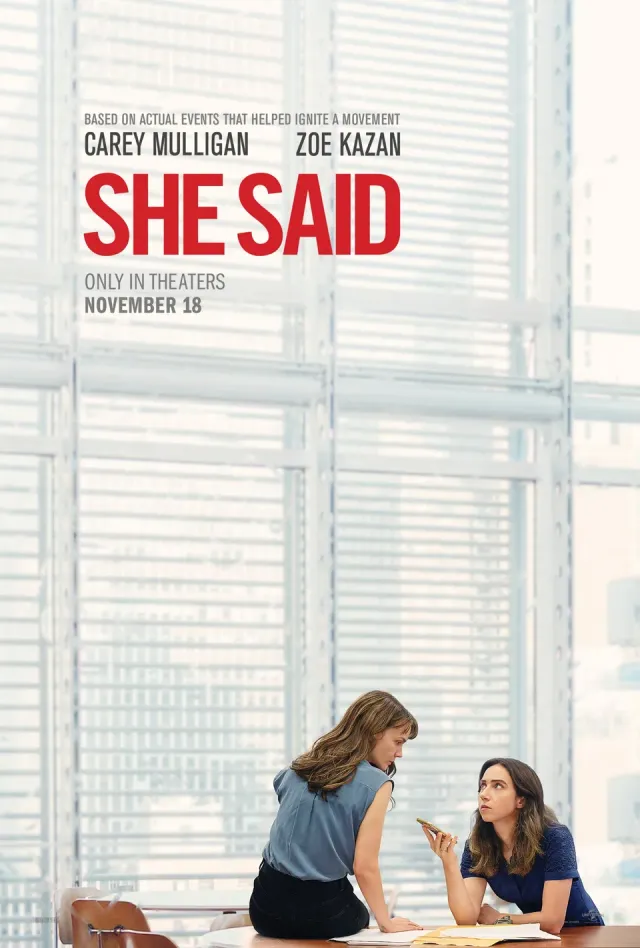
New York Times journalists Jodi Kantor and Megan Twohey investigate allegations of sexual abuse by producer Harvey Weinstein. Their reporting depends on finding sources willing to speak despite fear of career damage, legal threats, and years of institutional silence. The newsroom drama focuses on methodical interviews, corroboration, and publication, showing how collaborative reporting can turn private accounts into a public record.
What drives the story
The reporters’ collaboration allows the investigation to continue when one avenue stalls.
The people at its centre
Source protection is presented as an ethical practice with real emotional stakes.
What it feels like
The film emphasizes corroboration and patient reporting over a single revelation.
Worth knowing
Its quiet procedural form respects the labor behind public accountability.
JusticeTestimonyJournalism
Mood
Restrained · Determined · Grave
Pacing
A procedural rhythm advances through interviews and verification
Visual style
Newsroom realism · Muted palette · Close conversational framing