Explore films connected to The Perfect Neighbor through neighbor conflict and escalation, race and community safety, public accountability. Choose the qualities you want to carry into your next watch.
What should feel similar?
Find your next favourite
9 films · Closest overall matches
Hide films you’ve seen or don’t want. Saved on this device.
No matches for this combination yet.
Try another option or reset your choices to see more films.
Based on recorded story, mood and style. Your preferences can change the order.
Investigation
What changes The Perfect Neighbor: earlier calls reveal a growing dispute, recorded encounters accumulate context and fatal incident and investigation force reassessment. Unknown Number: The High School Catfish: texts begin and escalate over months, families and authorities investigate and evidence changes the understanding of the case.
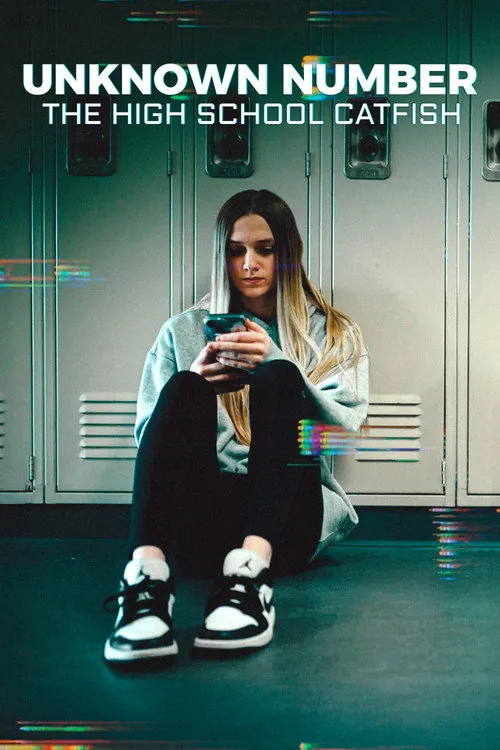
This true-crime documentary follows a Michigan teenager and her boyfriend after they begin receiving cruel, threatening text messages from an unknown number. The harassment damages their relationship and unsettles a small community as families and law enforcement try to identify the sender. Interviews, digital evidence, and investigative footage reveal a case whose answer is far closer to the victims than anyone expects. Directed by Skye Borgman, the film examines cyberbullying, trust, and the ways technology can be used to disguise a damaging campaign inside an apparently ordinary family and school environment.
Based on recorded story, mood and style. Your preferences can change the order.
Investigation
What changes The Perfect Neighbor: earlier calls reveal a growing dispute, recorded encounters accumulate context and fatal incident and investigation force reassessment. The Cove: mission and restricted access, covert preparation and surveillance and footage revealed to public audience.
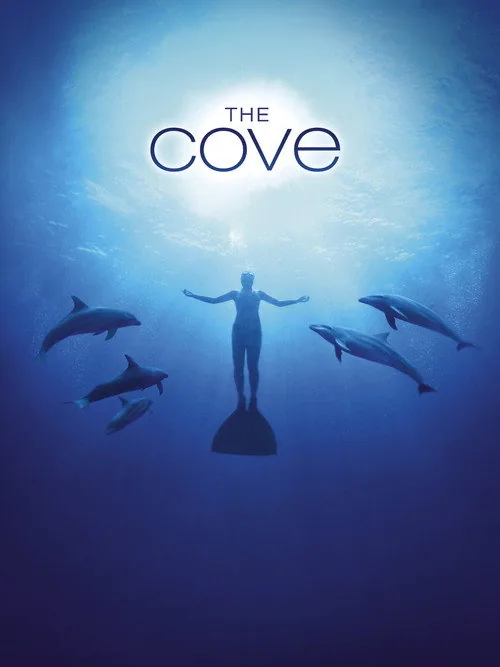
Former dolphin trainer Ric O'Barry joins a team of activists and filmmakers to document the dolphin drive hunt in Taiji, Japan. Because local authorities restrict access to the cove where the animals are captured, the team secretly installs cameras and recording equipment to film what happens out of public view. Their investigation connects the hunt to dolphin performance industries, international policy, and concerns about contaminated meat. The documentary turns covert footage into a campaign for public awareness while examining the risks and ethics of exposing hidden practices.
Based on recorded story, mood and style. Your preferences can change the order.
Investigation
What changes The Perfect Neighbor: earlier calls reveal a growing dispute, recorded encounters accumulate context and fatal incident and investigation force reassessment. Untraceable: digital clue discovery, victim countdowns and race to identify perpetrator.
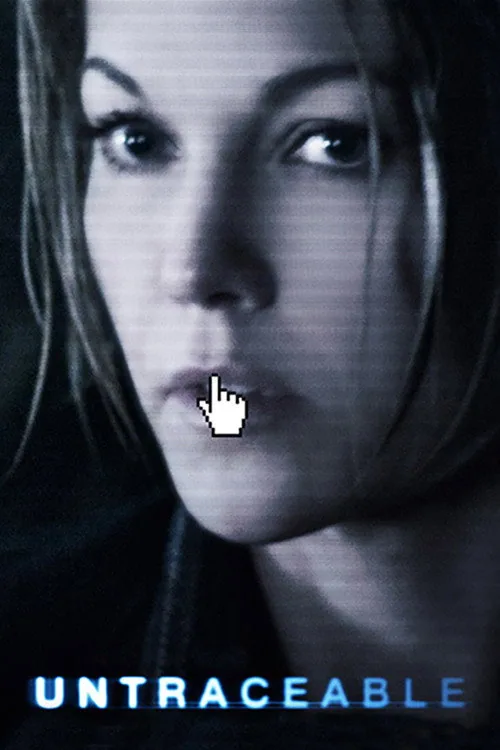
FBI cybercrime agent Jennifer Marsh discovers a website that streams the torture and killing of victims, with the deaths accelerated by the number of viewers. The site's anonymous creator has built in mirrors to evade shutdown, turning public attention into part of the murder mechanism. Jennifer and her team search for the person behind it while balancing the case with her life as a single parent. The thriller centers on online spectatorship, digital anonymity, and an investigation where watching can become a form of participation.
Based on recorded story, mood and style. Your preferences can change the order.
Investigation
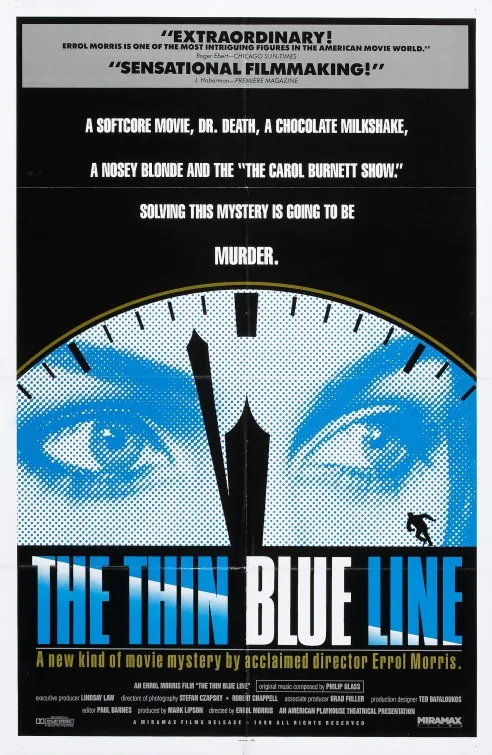
What changes The Perfect Neighbor: earlier calls reveal a growing dispute, recorded encounters accumulate context and fatal incident and investigation force reassessment. The Thin Blue Line: interview-driven inquiry, repeated reconstruction, accumulating contradictions and open evidentiary question.
Errol Morris reexamines the 1976 murder of Dallas police officer Robert Wood and the conviction of Randall Adams, a man sentenced to death for the crime. Through interviews with Adams, David Harris, police officers, lawyers and witnesses, the documentary tests how testimony and memory shaped the case. Stylized reenactments return to key moments from different angles, exposing contradictions without presenting a conventional omniscient reconstruction. Rather than relying on a narrator to settle every uncertainty, the film makes the viewer compare claims, motives and visual evidence. Its investigation asks how an official story becomes accepted and what can happen when courts, police and witnesses fail to question it. The result is both a true-crime inquiry and a study of the power of representation in the justice system.
Based on recorded story, mood and style. Your preferences can change the order.
Investigation
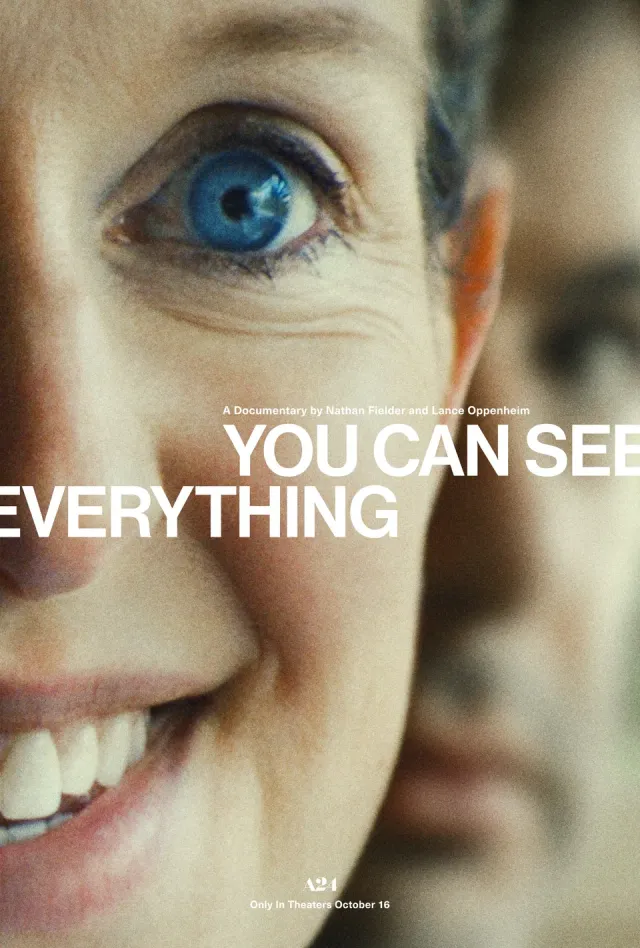
What changes The Perfect Neighbor: earlier calls reveal a growing dispute, recorded encounters accumulate context and fatal incident and investigation force reassessment. You Can See Everything: measured and cumulative.
Nathan Fielder and Lance Oppenheim's documentary follows Elizabeth Holmes during the weeks before she enters prison, with the filmmakers' own presence and methods becoming part of the subject. The project begins as an act of observation, but the camera's access, the subject's performance, and the crew's decisions complicate any simple claim to truth. Its tension comes from watching a public figure and a documentary production negotiate who controls the scene and what viewers can reasonably infer.
Based on recorded story, mood and style. Your preferences can change the order.
Investigation
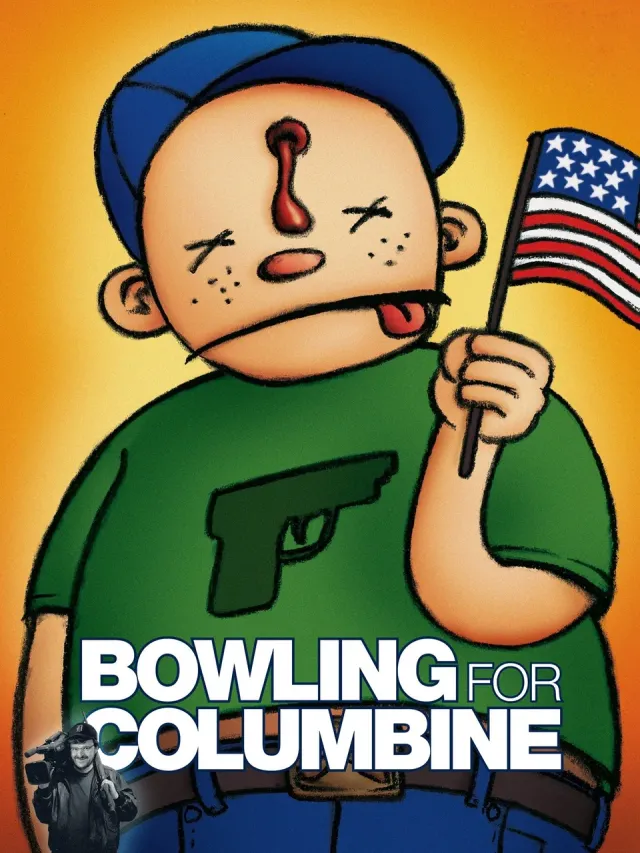
What changes The Perfect Neighbor: earlier calls reveal a growing dispute, recorded encounters accumulate context and fatal incident and investigation force reassessment. Bowling for Columbine: segmented and argument-building.
Michael Moore assembles interviews, news material and pointed juxtapositions to investigate gun violence and gun culture in the United States. The film begins with the Columbine school shooting but widens its inquiry toward fear, media narratives, history and public policy. Its argumentative documentary form invites viewers to consider how evidence and framing shape explanations of violence rather than offering a detached survey.
Based on recorded story, mood and style. Your preferences can change the order.
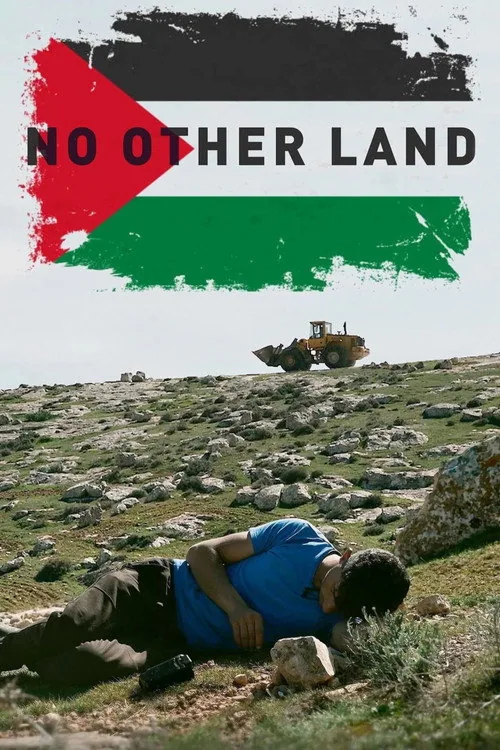
What changes The Perfect Neighbor: earlier calls reveal a growing dispute, recorded encounters accumulate context and fatal incident and investigation force reassessment. No Other Land: long-term observational record, recurring demolition and protest cycles and open-ended political urgency.
Filmed over several years, this documentary follows Palestinian activist Basel Adra as Israeli military authorities demolish homes and structures in the West Bank region of Masafer Yatta. Basel records the destruction and organizes with residents, while Israeli journalist Yuval Abraham joins him to report on the community's struggle. Their collaboration creates a personal friendship across unequal political positions without softening the ongoing displacement. The film is built from direct footage of protests, demolitions, and daily life, showing the work of bearing witness as a form of resistance.
Based on recorded story, mood and style. Your preferences can change the order.
Investigation
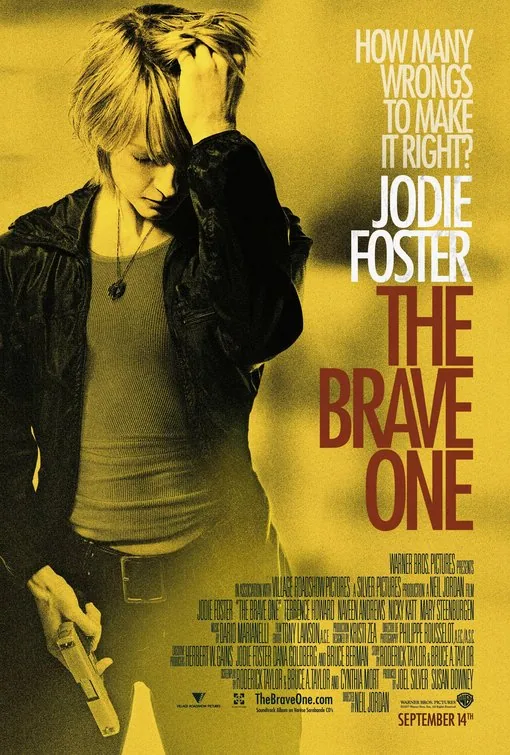
What changes The Perfect Neighbor: earlier calls reveal a growing dispute, recorded encounters accumulate context and fatal incident and investigation force reassessment. The Brave One: escalating and character-led.
After a brutal attack kills her fiancé and leaves her seriously injured, a radio host becomes increasingly fearful of the city she once knew. When she begins carrying a weapon and using it during encounters with violence, a detective investigates the cases and becomes drawn into her moral crisis. The film follows the unsettling shift from victimhood toward retaliation, asking whether self-protection can become a new identity organized around revenge.
Based on recorded story, mood and style. Your preferences can change the order.
Investigation
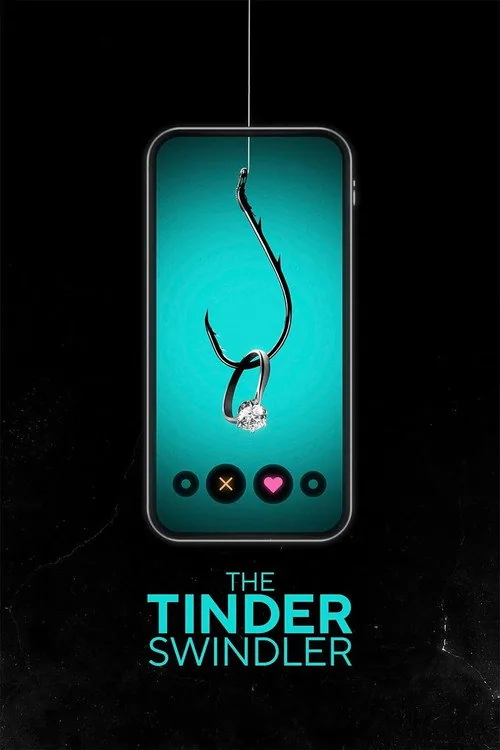
What changes The Perfect Neighbor: earlier calls reveal a growing dispute, recorded encounters accumulate context and fatal incident and investigation force reassessment. The Tinder Swindler: interview-led, revelation-based and investigation and response.
This documentary follows women who say they were deceived by a man presenting himself on Tinder as a wealthy diamond heir. The film recounts how he cultivated romance and trust before asking for money under the claim that he faced urgent danger, and it follows victims as they compare experiences and try to hold him accountable. Felicity Morris’s true-crime documentary combines interviews, messages, and media coverage to examine romance scams, digital identity, and the financial aftermath for survivors.
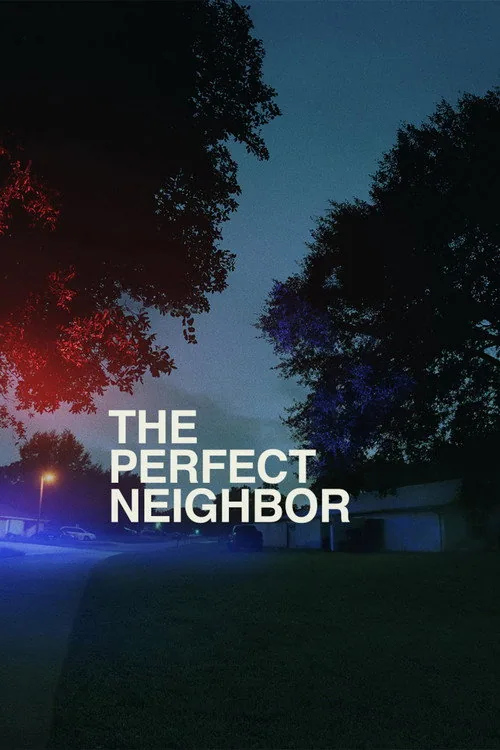
This documentary reconstructs disputes between neighbors in Ocala, Florida, that preceded the 2023 killing of Ajike Owens by Susan Lorincz. It uses body-camera footage from repeated sheriff's-office responses, 911 calls, and interviews to show how complaints escalated and how local authorities encountered the conflict. The film asks viewers to assess what the recorded interactions reveal about race, neighbor relations, and institutional response before the fatal shooting. Its evidence-led structure turns public records into a tense account of a preventable neighborhood tragedy.
What drives the story
Body-camera recordings and emergency calls trace how a series of neighbor disputes preceded Ajike Owens's fatal shooting.
The people at its centre
The film shows the changing relationship between Lorincz, Owens, their families, and deputies repeatedly called to intervene.
What it feels like
An evidence-led documentary uses unpolished recordings to create immediacy and invite scrutiny of official responses.
Worth knowing
Its story is assembled from real bodycam records and calls, rather than reenactments or a single investigator's narration.
neighbor conflict and escalationrace and community safetypublic accountability
Mood
urgent · documentary · disturbing
Pacing
earlier calls reveal a growing dispute · recorded encounters accumulate context · fatal incident and investigation force reassessment
Visual style
police body-camera footage · 911 audio and official records · direct observational documentary editing
Storytelling
bodycam footage reconstructs a fatal neighbor dispute · 911 calls and police visits form the evidence · documentary revisits a real Florida shooting