Personal stories of denied care are set against other national systems to challenge what Americans accept as inevitable.
Why this matches +
These films share important themes, atmosphere or storytelling interests with this selection.
Genres: Documentary
Shared film traits
Based on recorded story, mood and style. Your preferences can change the order.
Political resistance · Investigation
What changes Its own story: Personal stories of denied care are set against other national systems to challenge what Americans accept as inevitable.
Michael Moore examines the American health-care system by comparing personal accounts of denied treatment and financial hardship with systems in other countries. The documentary follows patients, workers and institutions to make access to care a public question rather than a private misfortune. Its arguments are presented through interviews, staged visits and pointed contrasts, blending advocacy with humor while asking who bears responsibility when illness meets bureaucracy.
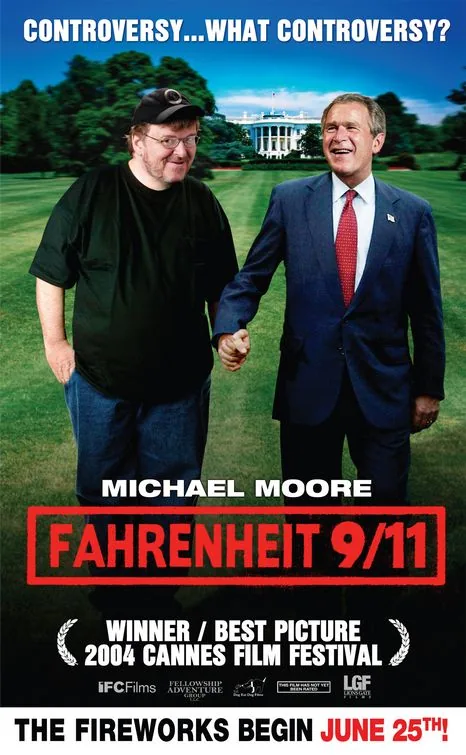
The montage repeatedly moves from political decision-makers to people asked to enlist or grieve, turning questions of access and policy into questions of who bears consequences. The sequence from elite access to recruitment shifts the question from presidential intent to who carries the risk.
Why this matches +
These films share important themes, atmosphere or storytelling interests with this selection.
Genres: Documentary
Shared film traits
Based on recorded story, mood and style. Your preferences can change the order.
What changes A related investigative polemic moves to war, political power and distressing civilian consequences, with a harsher sustained tone.
Michael Moore builds an openly adversarial argument from broadcast footage, interviews, archival images and public interventions, linking the Bush administration’s response to September 11 with the invasion of Iraq and the unequal distribution of wartime risk. The shifts between elite access, recruitment, military service and bereaved families make the film’s emotional movement as important as its allegations. Moore’s selection and narration are visible parts of the case: the documentary invites scrutiny of both the evidence it presents and the editorial connections through which it persuades.
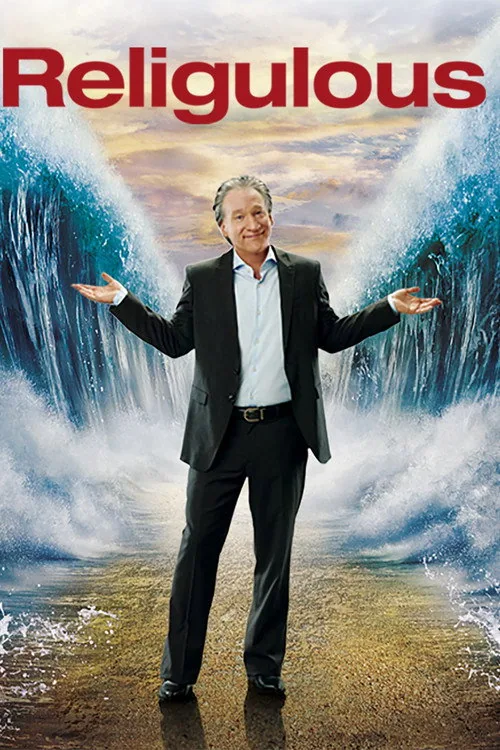
Maher visits religious communities and interviews adherents to challenge belief and institutional claims through pointed questions.
Why this matches +
These films share important themes, atmosphere or storytelling interests with this selection.
Genres: Documentary / Comedy
Shared film traits
Based on recorded story, mood and style. Your preferences can change the order.
Political resistance · Investigation
What changes Its own story: Maher visits religious communities and interviews adherents to challenge belief and institutional claims through pointed questions.
Comedian Bill Maher travels to religious sites and communities around the world, speaking with believers, clergy, and skeptics about faith and religious institutions. The interviews range from Christianity and Judaism to Islam and other traditions, often using irony to challenge claims about doctrine, history, and certainty. Larry Charles's documentary is openly polemical: it invites disagreement as part of its form and approaches religion through satire rather than detached observational reporting.
The documentary traces common food products through industrial production systems and asks how corporate practices affect workers, consumers, and the environment.
Why this matches +
These films share important themes, atmosphere or storytelling interests with this selection.
Genres: Documentary
Shared film traits
Based on recorded story, mood and style. Your preferences can change the order.
Political resistance · Investigation
What changes Its own story: The documentary traces common food products through industrial production systems and asks how corporate practices affect workers, consumers, and the environment.
This documentary examines the industrial food system in the United States, moving from large-scale meat production to grain and vegetable farming and the companies that control much of the supply chain. Interviews with writers, farmers, workers, and advocates consider how corporate efficiency affects food quality, animal welfare, labor, the environment, and consumer choice. The film links everyday supermarket products to hidden production practices and asks viewers to consider how regulation, purchasing habits, and concentrated corporate power shape what people eat.
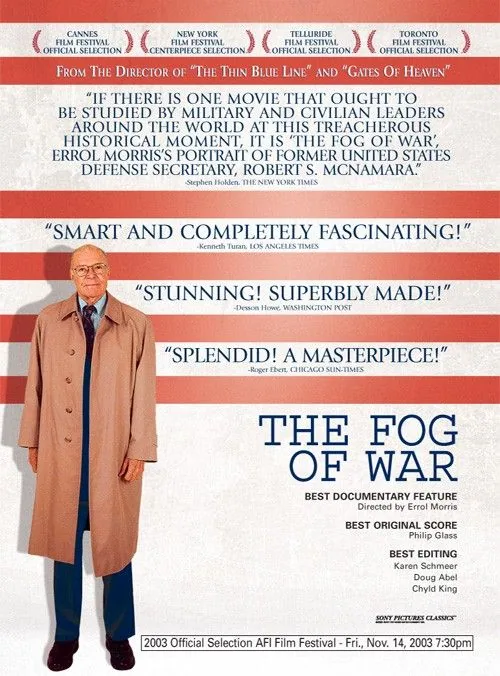
McNamara’s explanations reveal both his willingness to criticize past decisions and his limits in accounting for them.
Why this matches +
These films share important themes, atmosphere or storytelling interests with this selection.
Genres: Documentary / History
Shared film traits
Based on recorded story, mood and style. Your preferences can change the order.
Investigation
What changes Its own story: McNamara’s explanations reveal both his willingness to criticize past decisions and his limits in accounting for them.
Director Errol Morris interviews former U.S. Secretary of Defense Robert McNamara, pairing his recollections with archival footage and recordings from government discussions. Structured around eleven lessons, the documentary follows McNamara’s life and examines his role in the bombing campaigns of World War II, the Cuban Missile Crisis and the escalation of the Vietnam War. He reflects on how leaders make decisions with incomplete information and sometimes speaks critically about his own actions. The film leaves viewers weighing the distance between strategic reasoning and human consequences.
Former technology insiders describe how platforms capture attention and predict behavior; a fictional family illustrates possible effects on users.
Why this matches +
These films share important themes, atmosphere or storytelling interests with this selection.
Genres: Documentary / Drama
Shared film traits
Based on recorded story, mood and style. Your preferences can change the order.
What changes Its own story: Former technology insiders describe how platforms capture attention and predict behavior; a fictional family illustrates possible effects on users.
This documentary combines interviews with former technology employees and researchers with a fictional story about a family shaped by social media. Interviewees discuss persuasive design, behavioral data, recommendation systems, advertising, misinformation, and platform incentives. The dramatized family illustrates how a teenager’s engagement can affect attention, mood, and political beliefs. Jeff Orlowski’s film makes a case about technology’s social costs, using testimony and scripted scenes to present its argument.
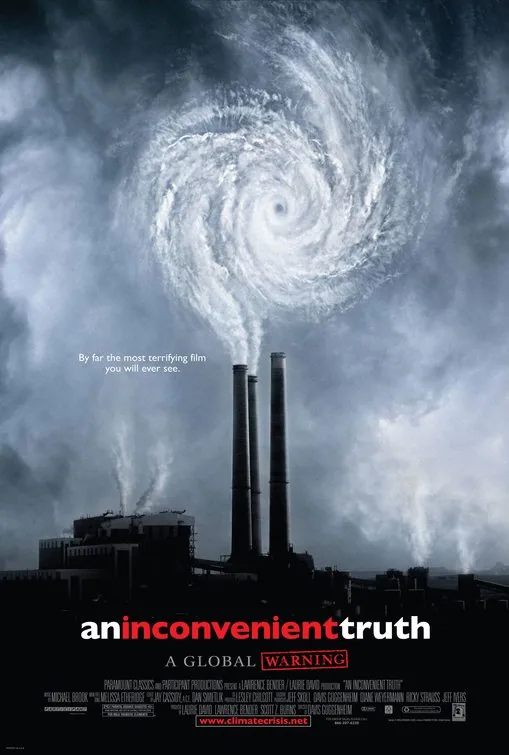
A structured public presentation moves from climate evidence to consequences and a call for action, while personal and political recollections explain why Gore has taken up the campaign. The lecture is the film's main organizing device.
Why this matches +
These films explore a related idea in a different setting, genre or style.
An adjacent discovery: a related idea with a different viewing experience.
Genres: Documentary
Shared film traits
Based on recorded story, mood and style. Your preferences can change the order.
What changes Its own story: A structured public presentation moves from climate evidence to consequences and a call for action, while personal and political recollections explain why Gore has taken up the campaign. The lecture is the film's main organizing device.
Al Gore presents a lecture on climate change, explaining the evidence for human-caused warming through charts, photographs and projections while the film places the presentation alongside episodes from his political and personal life. The lecture's visual explanations are designed to make a large-scale, long-term problem legible to an audience, and its campaigning form makes persuasion part of the documentary's subject. Its 2006 claims should be read as a dated intervention in climate communication, not as the latest scientific assessment. The film asks viewers to connect evidence with civic responsibility, while leaving the limits of individual action in view.
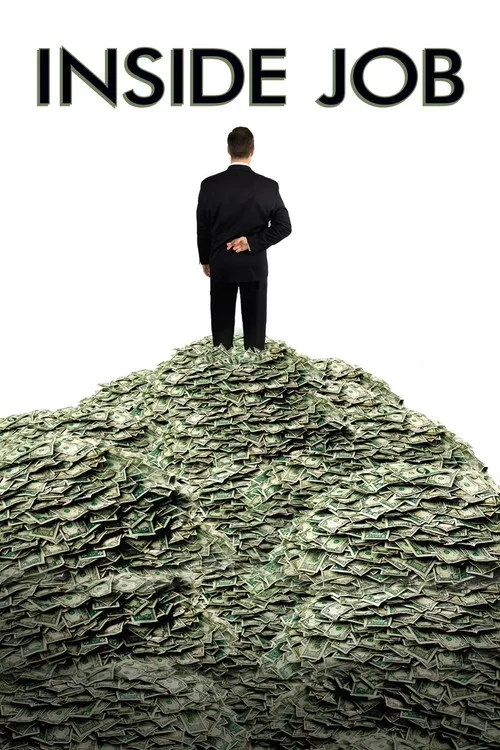
The documentary traces how regulatory choices and financial practices helped generate the crisis, then examines who benefited and who faced consequences.
Why this matches +
These films explore a related idea in a different setting, genre or style.
An adjacent discovery: a related idea with a different viewing experience.
Genres: Documentary / History
Shared film traits
Based on recorded story, mood and style. Your preferences can change the order.
Political resistance · Investigation
What changes Its own story: The documentary traces how regulatory choices and financial practices helped generate the crisis, then examines who benefited and who faced consequences.
Charles Ferguson’s documentary investigates the 2008 global financial crisis and the decisions that helped create it. Organized in five parts, it moves from deregulation and financial innovation through the housing bubble, institutional collapse, bailouts, and questions of accountability. Interviews with officials, executives, economists, and journalists are combined with narration and data to explain complex systems in accessible terms. Rather than focusing on one household or firm, the film argues that conflicts of interest and policy choices across an interconnected industry had consequences for workers, borrowers, and national economies.
Poitras documents the meeting in which Snowden discloses NSA surveillance evidence to journalists and prepares to go public.
Why this matches +
These films explore a related idea in a different setting, genre or style.
An adjacent discovery: a related idea with a different viewing experience.
Genres: Documentary / History
Shared film traits
Based on recorded story, mood and style. Your preferences can change the order.
Political resistance · Investigation
What changes Its own story: Poitras documents the meeting in which Snowden discloses NSA surveillance evidence to journalists and prepares to go public.
Documentarian Laura Poitras receives encrypted messages from someone using the name Citizen Four and travels to Hong Kong with journalists Glenn Greenwald and Ewen MacAskill. There they meet Edward Snowden, who reveals classified information about government surveillance programs while protecting his identity inside a hotel room. The film records the disclosures as they unfold, including the reporters' decisions, Snowden's anxiety, and the public consequences that begin to follow. Its immediacy comes from watching an international news story develop in real time.
O'Barry and the activist team work around local surveillance and restricted access to capture evidence of the dolphin hunt.
Why this matches +
These films explore a related idea in a different setting, genre or style.
An adjacent discovery: a related idea with a different viewing experience.
Genres: Documentary
Shared film traits
Based on recorded story, mood and style. Your preferences can change the order.
Political resistance · Investigation
What changes Its own story: O'Barry and the activist team work around local surveillance and restricted access to capture evidence of the dolphin hunt.
Former dolphin trainer Ric O'Barry joins a team of activists and filmmakers to document the dolphin drive hunt in Taiji, Japan. Because local authorities restrict access to the cove where the animals are captured, the team secretly installs cameras and recording equipment to film what happens out of public view. Their investigation connects the hunt to dolphin performance industries, international policy, and concerns about contaminated meat. The documentary turns covert footage into a campaign for public awareness while examining the risks and ethics of exposing hidden practices.
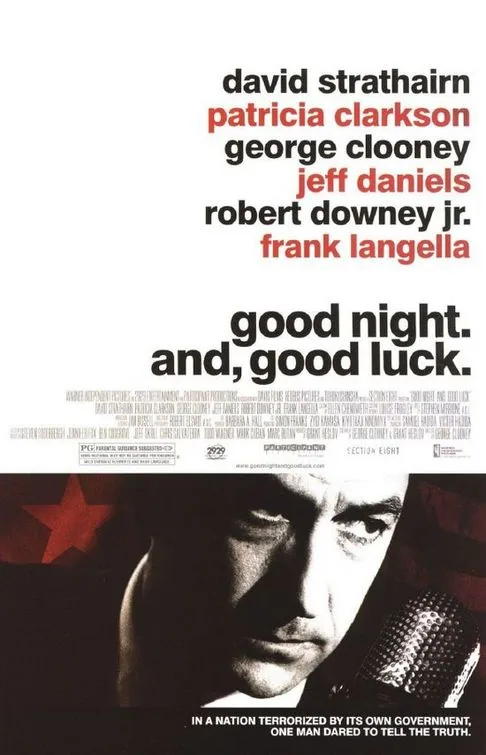
A newsroom's evidence-based challenge to political intimidation tests how far a commercial broadcaster will support the independence it publicly endorses.
Why this matches +
These films explore a related idea in a different setting, genre or style.
An adjacent discovery: a related idea with a different viewing experience.
Genres: Drama / History
The approach A dramatic feature rather than documentary footage.
Shared film traits
Based on recorded story, mood and style. Your preferences can change the order.
Investigation
What changes Its own story: A newsroom's evidence-based challenge to political intimidation tests how far a commercial broadcaster will support the independence it publicly endorses.
A television news team challenges accusations and procedures associated with Senator McCarthy while working inside a network vulnerable to sponsors and political pressure. Decisions about evidence, wording and airtime make editorial independence a practical risk rather than an abstract professional virtue. Personal consequences unfold around the broadcasts, including scrutiny of colleagues whose lives do not fit institutional rules. The restrained historical drama presents journalism as coordinated work whose public authority depends on choices made under commercial and political constraint.
The film assembles Tilikum’s history and trainer testimony to question whether captive conditions create avoidable danger.
Why this matches +
These films explore a related idea in a different setting, genre or style.
An adjacent discovery: a related idea with a different viewing experience.
Genres: Documentary / Biography
Shared film traits
Based on recorded story, mood and style. Your preferences can change the order.
Investigation
What changes Its own story: The film assembles Tilikum’s history and trainer testimony to question whether captive conditions create avoidable danger.
Gabriela Cowperthwaite’s documentary examines Tilikum, an orca kept in captivity by marine parks, and the deaths of trainers associated with him. Through interviews, archival footage, and expert testimony, it traces the animal’s capture, conditions in captivity, and the practices used in public performances. The film argues that captivity and management decisions shaped the risks faced by both animals and people, inviting viewers to reconsider the ethics of keeping large marine mammals for entertainment.
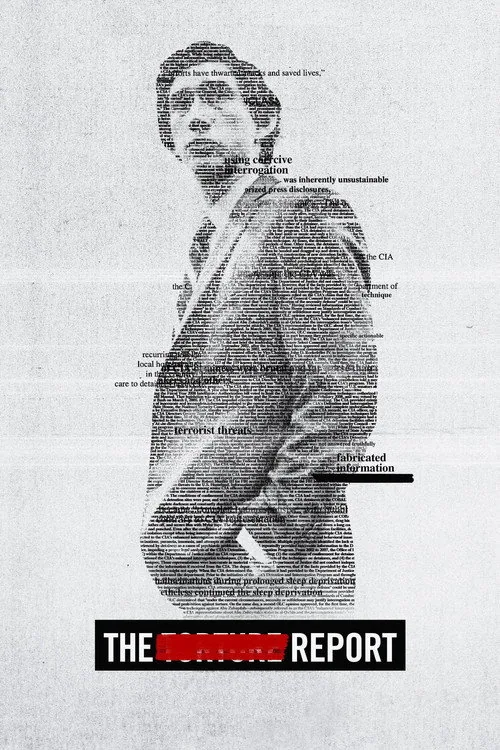
Jones and his small team examine a vast record and try to substantiate what the CIA did during interrogation.
Why this matches +
These films explore a related idea in a different setting, genre or style.
An adjacent discovery: a related idea with a different viewing experience.
Genres: Drama / History
The approach A dramatic feature rather than documentary footage.
Shared film traits
Based on recorded story, mood and style. Your preferences can change the order.
Political resistance · Investigation
What changes Its own story: Jones and his small team examine a vast record and try to substantiate what the CIA did during interrogation.
In 2009, Senate staffer Daniel Jones is asked to review millions of pages of CIA records about the agency's post-9/11 interrogation program. Working with a small team, he documents how officials authorized and described the practices, while facing delays, political pressure, and resistance from the intelligence agency. Senator Dianne Feinstein backs the inquiry, but the report's publication becomes a struggle of its own. The political drama follows the patient work of assembling evidence and making an official record public.
A government translator leaks a memo that could influence the Iraq invasion and is prosecuted for revealing it.
Why this matches +
These films explore a related idea in a different setting, genre or style.
An adjacent discovery: a related idea with a different viewing experience.
Genres: Drama / Thriller
The approach A dramatic feature rather than documentary footage.
Shared film traits
Based on recorded story, mood and style. Your preferences can change the order.
Political resistance · Investigation
What changes Its own story: A government translator leaks a memo that could influence the Iraq invasion and is prosecuted for revealing it.
In 2003, GCHQ translator Katharine Gun sees a request for intelligence that could help secure support for the invasion of Iraq. Believing the request is illegal and morally indefensible, she leaks a memo to the press, then faces arrest under Britain's Official Secrets Act. The film follows the effort to verify the story, the mounting pressure on Gun and her husband, and a legal case whose outcome depends on whether the government will disclose its own conduct.
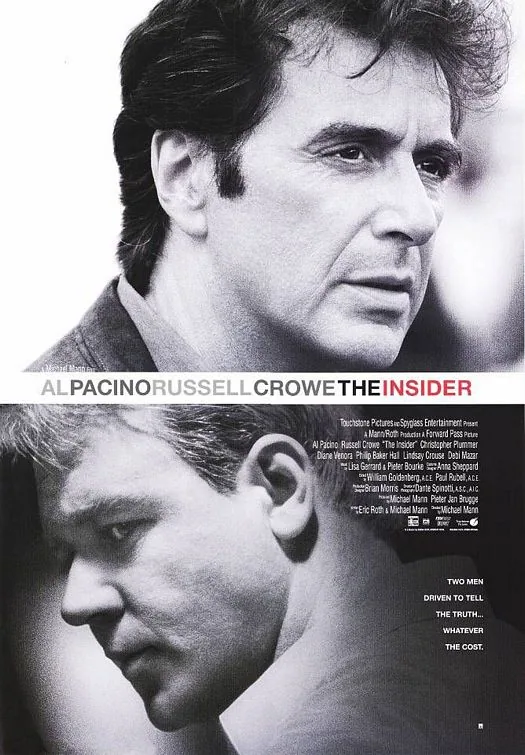
The threat of publication links two risks: Wigand may lose his safety and livelihood, while CBS may suppress the interview to protect itself.
Why this matches +
These films explore a related idea in a different setting, genre or style.
An adjacent discovery: a related idea with a different viewing experience.
Genres: Drama / Thriller
The approach A dramatic feature rather than documentary footage.
Shared film traits
Based on recorded story, mood and style. Your preferences can change the order.
Investigation
What changes Its own story: The threat of publication links two risks: Wigand may lose his safety and livelihood, while CBS may suppress the interview to protect itself.
CBS producer Lowell Bergman persuades former tobacco executive Jeffrey Wigand to explain what he knows about Brown & Williamson’s practices for a 60 Minutes investigation. Wigand’s confidentiality agreement, threats and family pressures make cooperation dangerous, while CBS executives worry about legal and financial exposure. As the broadcast is delayed and edited, Bergman must decide whether protecting the story means confronting the network that employs him. The film turns investigative reporting into a battle over sources, corporate pressure and newsroom independence, dramatizing real events without serving as a transcript of every participant’s perspective.
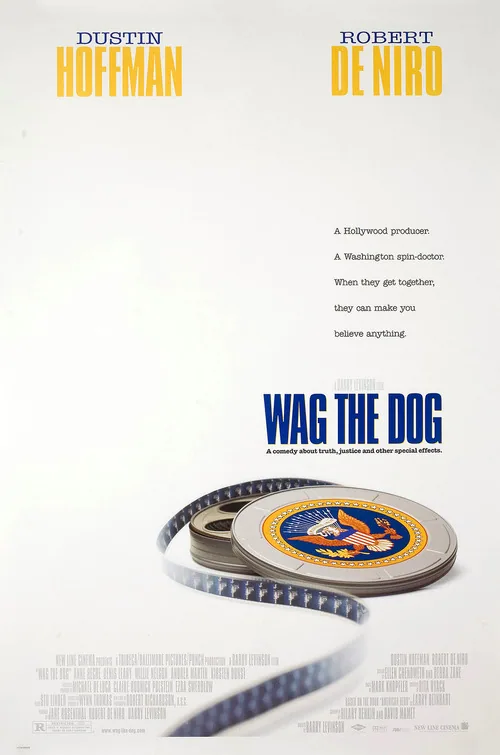
A political crisis becomes a media production in which a fictional war is assembled from repeatable images and a marketable narrative.
Why this matches +
These films explore a related idea in a different setting, genre or style.
An adjacent discovery: a related idea with a different viewing experience.
Genres: Drama / Comedy
The approach A dramatic feature rather than documentary footage.
Shared film traits
Based on recorded story, mood and style. Your preferences can change the order.
What changes Its own story: A political crisis becomes a media production in which a fictional war is assembled from repeatable images and a marketable narrative.
With a presidential sex scandal threatening an election, political consultant Conrad Brean hires Hollywood producer Stanley Motss to invent a distant war that can redirect the news. Motss treats the crisis as a production problem, assembling images, slogans, music and a fictional hero with the same craft he would use for a movie. Brean manages government messaging while the fabricated conflict begins to acquire an independent life in the media. The film’s comedy comes from watching public belief depend on the details of a story that exists mainly because two professionals know how to stage it. As the campaign grows, it becomes less controllable, even for the people who made it. The satire targets both political spin and entertainment’s ability to make images feel like evidence.
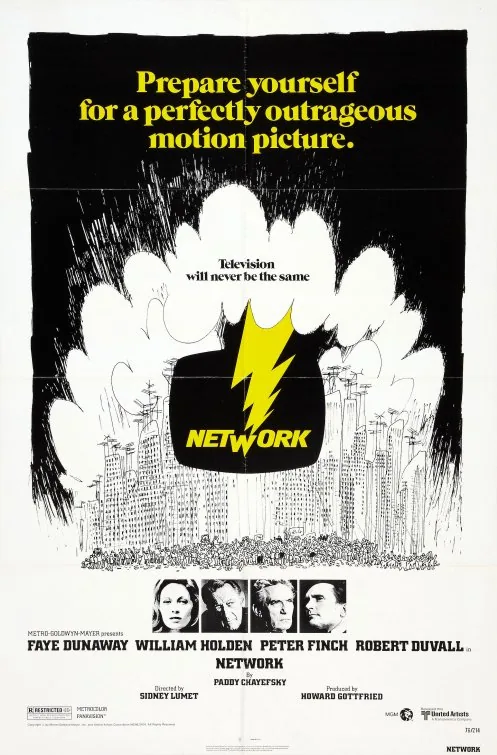
Ratings convert Beale's breakdown into a product, and every attempt to restore control becomes another negotiation between truth, profit and public appetite.
Why this matches +
These films explore a related idea in a different setting, genre or style.
An adjacent discovery: a related idea with a different viewing experience.
Genres: Drama / Comedy
The approach A dramatic feature rather than documentary footage.
Shared film traits
Based on recorded story, mood and style. Your preferences can change the order.
What changes Its own story: Ratings convert Beale's breakdown into a product, and every attempt to restore control becomes another negotiation between truth, profit and public appetite.
When veteran news anchor Howard Beale learns he will be dismissed, he announces on air that he will kill himself, then turns a farewell broadcast into an angry ratings sensation. Network executive Diana Christensen sells the outburst as entertainment, while division president Max Schumacher worries about the erosion of journalism and begins an affair with her. As Beale's populist persona grows, corporate leaders exploit his audience and eventually object when his message threatens a merger. The network answers a business problem with a lethal programming decision, turning the news division's cynicism into the plot's final spectacle.
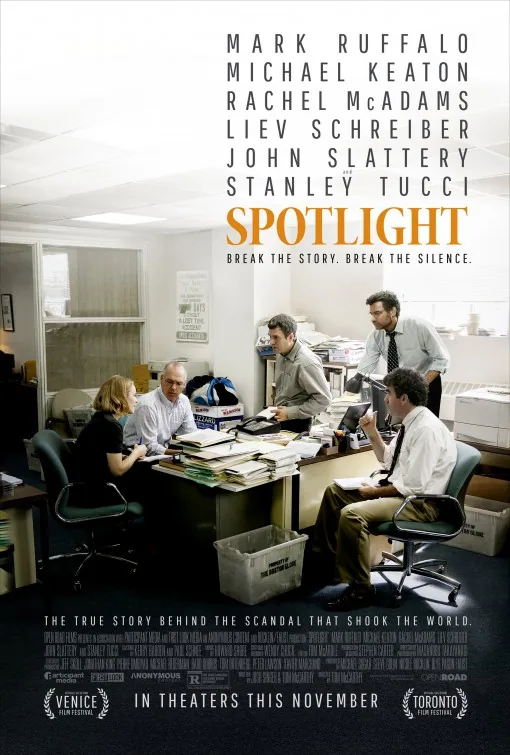
A local allegation expands into an investigation of systematic concealment, requiring documentary proof of institutional knowledge rather than another isolated accusation.
Why this matches +
These films explore a related idea in a different setting, genre or style.
An adjacent discovery: a related idea with a different viewing experience.
Genres: Drama / Biography
The approach A dramatic feature rather than documentary footage.
Shared film traits
Based on recorded story, mood and style. Your preferences can change the order.
Investigation
What changes Its own story: A local allegation expands into an investigation of systematic concealment, requiring documentary proof of institutional knowledge rather than another isolated accusation.
A newspaper's investigative team begins examining allegations against a Boston priest and encounters a pattern extending far beyond an individual offence. Reporters work through court records, reluctant witnesses and professional networks while institutional resistance repeatedly narrows what can be made public. The inquiry also forces them to confront how their own organisation previously missed opportunities to act, making publication a test of collective responsibility as well as evidentiary persistence.
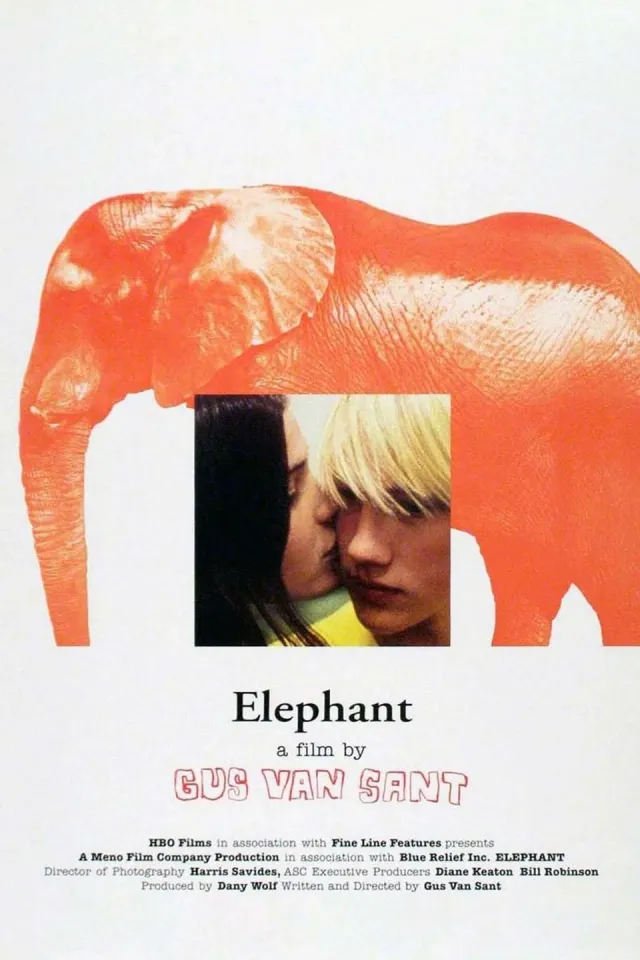
The repeated passage through familiar school spaces gradually changes how earlier ordinary moments feel.
Why this matches +
These films explore a related idea in a different setting, genre or style.
An adjacent discovery: a related idea with a different viewing experience.
Genres: Drama / Thriller
The approach A dramatic feature rather than documentary footage.
Shared film traits
Based on recorded story, mood and style. Your preferences can change the order.
Investigation
What changes A restrained fictional school-day structure leads to distressing violence without reproducing the source's interviewer-led explanation and argument.
Over the course of an ordinary school day, the film follows several students through corridors, classrooms and small social encounters before their paths converge in a sudden act of violence. It offers fragments rather than a conventional explanation, shifting perspective and revisiting moments with little interpretive guidance. The restrained surface makes routine detail unsettling, while its refusal to simplify causation leaves space for difficult questions.
A farmer's evidence leads a corporate lawyer into a long legal challenge over chemical contamination.
Why this matches +
These films explore a related idea in a different setting, genre or style.
An adjacent discovery: a related idea with a different viewing experience.
Genres: biography / drama
The approach A dramatic feature rather than documentary footage.
Shared film traits
Based on recorded story, mood and style. Your preferences can change the order.
Investigation
What changes Its own story: A farmer's evidence leads a corporate lawyer into a long legal challenge over chemical contamination.
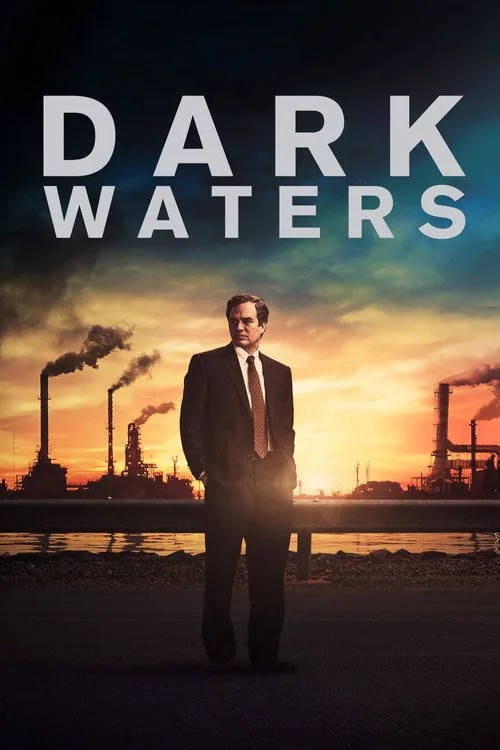
Corporate defense lawyer Robert Bilott is asked by West Virginia farmer Wilbur Tennant to investigate unexplained animal deaths near a DuPont chemical operation. His research connects the farm's contamination to a persistent compound used in making Teflon, and a local dispute grows into a decades-long legal and public-health fight. Bilott's pursuit strains his work and family life as corporate resistance makes evidence, time, and accountability central obstacles.
Michael Moore assembles interviews, news material and pointed juxtapositions to investigate gun violence and gun culture in the United States. The film begins with the Columbine school shooting but widens its inquiry toward fear, media narratives, history and public policy. Its argumentative documentary form invites viewers to consider how evidence and framing shape explanations of violence rather than offering a detached survey.
What drives the story
Moore’s interviews and contrasts test competing explanations for the prevalence of gun violence.
The people at its centre
The filmmaker’s encounters with officials and ordinary people create friction around accountability.
What it feels like
Montage, provocation and direct address make the documentary’s point of view conspicuous.
Worth knowing
Its polemical collage differs from a neutral archival history or observational documentary.
ViolenceMediaPublic responsibility
Mood
Provocative · Angry · Inquisitive
Pacing
Segmented · Argument-building
Visual style
Interview-led documentary
Storytelling
Documentary investigation · Social argument · Historical comparison