Moore’s interviews and contrasts test competing explanations for the prevalence of gun violence.
Why this matches +
These films share important themes, atmosphere or storytelling interests with this selection.
Genres: Documentary
Shared film traits
Based on recorded story, mood and style. Your preferences can change the order.
Investigation · Political resistance
What changes Its own story: Moore’s interviews and contrasts test competing explanations for the prevalence of gun violence.
Michael Moore assembles interviews, news material and pointed juxtapositions to investigate gun violence and gun culture in the United States. The film begins with the Columbine school shooting but widens its inquiry toward fear, media narratives, history and public policy. Its argumentative documentary form invites viewers to consider how evidence and framing shape explanations of violence rather than offering a detached survey.
The documentary traces how regulatory choices and financial practices helped generate the crisis, then examines who benefited and who faced consequences.
Why this matches +
These films share important themes, atmosphere or storytelling interests with this selection.
Genres: Documentary / History
Shared film traits
Based on recorded story, mood and style. Your preferences can change the order.
Investigation · Political resistance
What changes Its own story: The documentary traces how regulatory choices and financial practices helped generate the crisis, then examines who benefited and who faced consequences.
Charles Ferguson’s documentary investigates the 2008 global financial crisis and the decisions that helped create it. Organized in five parts, it moves from deregulation and financial innovation through the housing bubble, institutional collapse, bailouts, and questions of accountability. Interviews with officials, executives, economists, and journalists are combined with narration and data to explain complex systems in accessible terms. Rather than focusing on one household or firm, the film argues that conflicts of interest and policy choices across an interconnected industry had consequences for workers, borrowers, and national economies.
Spurlock follows a month of fast-food meals while recording health indicators and interviewing experts.
Why this matches +
These films share important themes, atmosphere or storytelling interests with this selection.
Genres: Documentary
Shared film traits
Based on recorded story, mood and style. Your preferences can change the order.
Investigation
What changes Its own story: Spurlock follows a month of fast-food meals while recording health indicators and interviewing experts.
Filmmaker Morgan Spurlock sets himself a month-long experiment: eat only food from McDonald’s, accept the chain’s largest size when offered, and track the physical effects. He also consults physicians and nutrition specialists and examines marketing, school meals, and the growth of fast-food culture in the United States. The documentary uses a personal test and an advocacy-driven argument to make its point, mixing interviews, travel, and comic stunts. Its conclusions belong to the film’s self-experiment and should be read as the documentary’s case rather than a controlled nutrition study.
The documentary traces common food products through industrial production systems and asks how corporate practices affect workers, consumers, and the environment.
Why this matches +
These films share important themes, atmosphere or storytelling interests with this selection.
Genres: Documentary
Shared film traits
Based on recorded story, mood and style. Your preferences can change the order.
Investigation · Political resistance
What changes Its own story: The documentary traces common food products through industrial production systems and asks how corporate practices affect workers, consumers, and the environment.
This documentary examines the industrial food system in the United States, moving from large-scale meat production to grain and vegetable farming and the companies that control much of the supply chain. Interviews with writers, farmers, workers, and advocates consider how corporate efficiency affects food quality, animal welfare, labor, the environment, and consumer choice. The film links everyday supermarket products to hidden production practices and asks viewers to consider how regulation, purchasing habits, and concentrated corporate power shape what people eat.
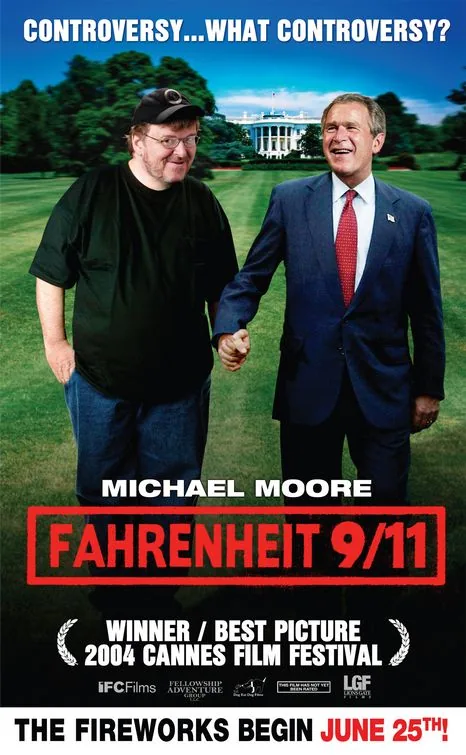
The montage repeatedly moves from political decision-makers to people asked to enlist or grieve, turning questions of access and policy into questions of who bears consequences. The sequence from elite access to recruitment shifts the question from presidential intent to who carries the risk.
Why this matches +
These films share important themes, atmosphere or storytelling interests with this selection.
Genres: Documentary
Shared film traits
Based on recorded story, mood and style. Your preferences can change the order.
What changes Its own story: The montage repeatedly moves from political decision-makers to people asked to enlist or grieve, turning questions of access and policy into questions of who bears consequences. The sequence from elite access to recruitment shifts the question from presidential intent to who carries the risk.
Michael Moore builds an openly adversarial argument from broadcast footage, interviews, archival images and public interventions, linking the Bush administration’s response to September 11 with the invasion of Iraq and the unequal distribution of wartime risk. The shifts between elite access, recruitment, military service and bereaved families make the film’s emotional movement as important as its allegations. Moore’s selection and narration are visible parts of the case: the documentary invites scrutiny of both the evidence it presents and the editorial connections through which it persuades.
A novice lawyer challenges an insurer that denied treatment to a terminally ill young man while building a fragile practice.
Why this matches +
These films share important themes, atmosphere or storytelling interests with this selection.
Genres: Drama / Crime
The approach A dramatic feature rather than documentary footage.
Shared film traits
Based on recorded story, mood and style. Your preferences can change the order.
Investigation · Political resistance
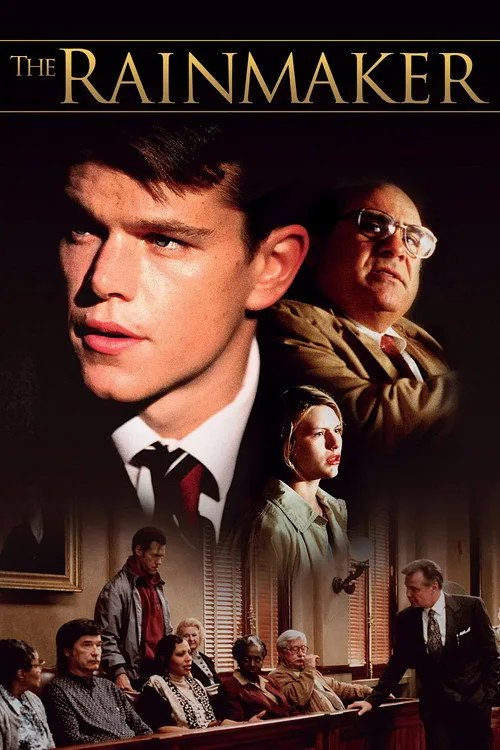
What changes Its own story: A novice lawyer challenges an insurer that denied treatment to a terminally ill young man while building a fragile practice.
Newly licensed lawyer Rudy Baylor opens a small practice with paralegal Deck Shifflet after his first employer disappears during an FBI raid. They take a case for a Memphis family whose insurer denied treatment that might have saved their son. Rudy faces a formidable legal team while also helping Kelly Riker, a hospital patient experiencing domestic abuse. Francis Ford Coppola’s adaptation of John Grisham’s novel follows a novice advocate confronting institutional power, courtroom strategy, and difficult choices beyond the trial.
Maher visits religious communities and interviews adherents to challenge belief and institutional claims through pointed questions.
Why this matches +
These films explore a related idea in a different setting, genre or style.
An adjacent discovery: a related idea with a different viewing experience.
Genres: Documentary / Comedy
Shared film traits
Based on recorded story, mood and style. Your preferences can change the order.
Investigation · Political resistance
What changes Its own story: Maher visits religious communities and interviews adherents to challenge belief and institutional claims through pointed questions.
Comedian Bill Maher travels to religious sites and communities around the world, speaking with believers, clergy, and skeptics about faith and religious institutions. The interviews range from Christianity and Judaism to Islam and other traditions, often using irony to challenge claims about doctrine, history, and certainty. Larry Charles's documentary is openly polemical: it invites disagreement as part of its form and approaches religion through satire rather than detached observational reporting.
Former technology insiders describe how platforms capture attention and predict behavior; a fictional family illustrates possible effects on users.
Why this matches +
These films explore a related idea in a different setting, genre or style.
An adjacent discovery: a related idea with a different viewing experience.
Genres: Documentary / Drama
Shared film traits
Based on recorded story, mood and style. Your preferences can change the order.
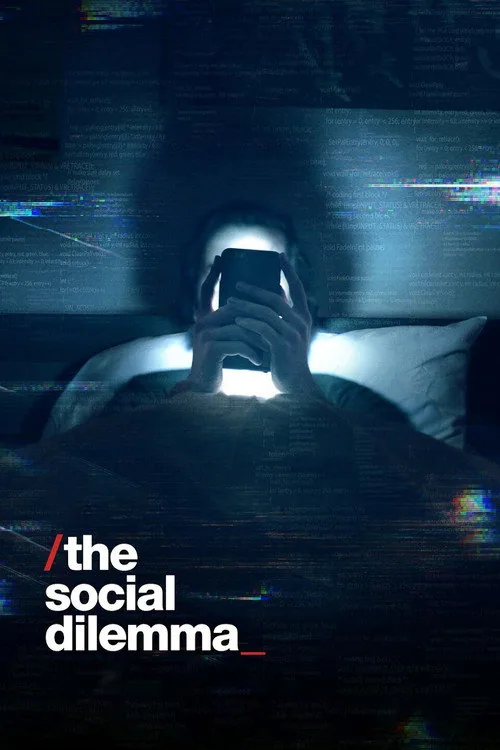
What changes Its own story: Former technology insiders describe how platforms capture attention and predict behavior; a fictional family illustrates possible effects on users.
This documentary combines interviews with former technology employees and researchers with a fictional story about a family shaped by social media. Interviewees discuss persuasive design, behavioral data, recommendation systems, advertising, misinformation, and platform incentives. The dramatized family illustrates how a teenager’s engagement can affect attention, mood, and political beliefs. Jeff Orlowski’s film makes a case about technology’s social costs, using testimony and scripted scenes to present its argument.
A denied treatment decision triggers a hostage standoff, with each new conversation changing the risk for the child and everyone in the hospital.
Why this matches +
These films explore a related idea in a different setting, genre or style.
An adjacent discovery: a related idea with a different viewing experience.
Genres: Crime / Drama
The approach A dramatic feature rather than documentary footage.
Shared film traits
Based on recorded story, mood and style. Your preferences can change the order.
Political resistance
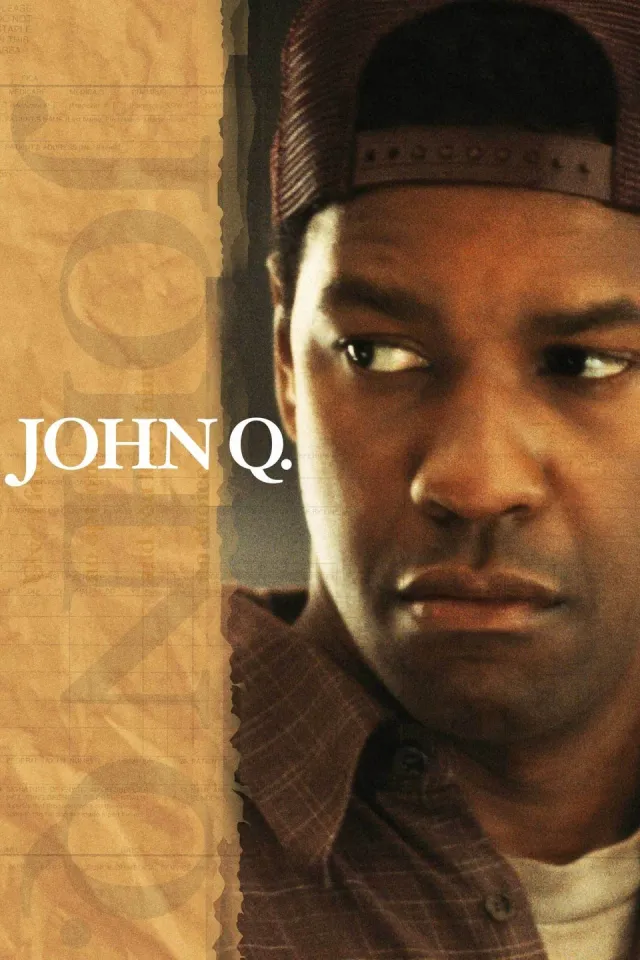
What changes Its own story: A denied treatment decision triggers a hostage standoff, with each new conversation changing the risk for the child and everyone in the hospital.
John Q (2002), directed by Nick Cassavetes, follows When an insurance dispute blocks his young son's access to a heart transplant, a Chicago father takes an emergency-room department hostage in an attempt to force officials to hear his case. The crisis puts patients, staff, and police into a dangerous negotiation. The film turns a family's medical emergency into a tense argument about institutional access, desperation, and the human cost of a system's refusal.
A wrongful-dismissal lawsuit requires proof that an apparently professional decision conceals prejudice, while the claimant's worsening illness makes legal procedure emotionally urgent.
Why this matches +
These films explore a related idea in a different setting, genre or style.
An adjacent discovery: a related idea with a different viewing experience.
Genres: Drama / LGBTQ-related
The approach A dramatic feature rather than documentary footage.
Shared film traits
Based on recorded story, mood and style. Your preferences can change the order.
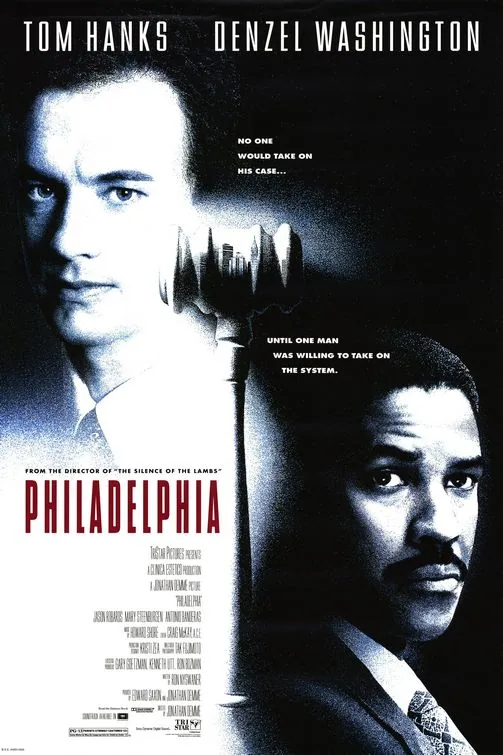
What changes Its own story: A wrongful-dismissal lawsuit requires proof that an apparently professional decision conceals prejudice, while the claimant's worsening illness makes legal procedure emotionally urgent.
A successful lawyer who has concealed his AIDS diagnosis is dismissed after a disputed failure at work. Believing the explanation masks discrimination, he seeks representation from a lawyer whose own fear and prejudice initially make assistance unlikely. Preparing and trying the case turns professional evidence into a demand for public dignity, while illness gives each delay a personal cost and exposes the difference between legal sympathy and actual acceptance.
Adams’s playful bedside manner challenges the medical school’s formal approach to care.
Why this matches +
These films explore a related idea in a different setting, genre or style.
An adjacent discovery: a related idea with a different viewing experience.
Genres: Comedy / Drama
The approach A dramatic feature rather than documentary footage.
Shared film traits
Based on recorded story, mood and style. Your preferences can change the order.
What changes Its own story: Adams’s playful bedside manner challenges the medical school’s formal approach to care.
After a period of personal crisis, Hunter Adams enters medical school and finds that humor helps him connect with patients whom conventional routines leave unseen. His methods clash with faculty expectations and raise questions about professional rules, while friendships and a developing romance shape his time at school. Tom Shadyac’s comedy-drama presents medicine as both a technical discipline and a human relationship, following Adams’s effort to preserve empathy inside an institution focused on standards and hierarchy.
A search for access to treatment grows into an informal distribution business, forcing a prejudiced outsider to rely on a community he had rejected. Ron becomes an organizer, but market success does not mean patients control the system.
Why this matches +
These films explore a related idea in a different setting, genre or style.
An adjacent discovery: a related idea with a different viewing experience.
Genres: Drama / Biography
The approach A dramatic feature rather than documentary footage.
Shared film traits
Based on recorded story, mood and style. Your preferences can change the order.
What changes Its own story: A search for access to treatment grows into an informal distribution business, forcing a prejudiced outsider to rely on a community he had rejected. Ron becomes an organizer, but market success does not mean patients control the system.
After receiving an AIDS diagnosis in 1980s Texas, Ron Woodroof searches outside the approved medical system for treatments and organizes a dues-based buyers club. His relationship with Rayon, a trans woman, becomes part of both the business and a personal change the film wants viewers to recognize. That change remains uneven, and Rayon's fictionalized role has drawn criticism for centering a cisgender protagonist's growth through a trans character's suffering. The plot is a dramatization, not current medical advice or a reliable account of every treatment and regulatory dispute it depicts. The club's cross-border supply and recurring raids bring access into conflict with regulation.
A treatment trial makes patients' hidden capacities visible, then confronts clinicians with the limits and side effects of a response they cannot preserve. The central question changes from whether to wake someone to how to respect a life after the awakening.
Why this matches +
These films explore a related idea in a different setting, genre or style.
An adjacent discovery: a related idea with a different viewing experience.
Genres: Drama / Biography
The approach A dramatic feature rather than documentary footage.
Shared film traits
Based on recorded story, mood and style. Your preferences can change the order.
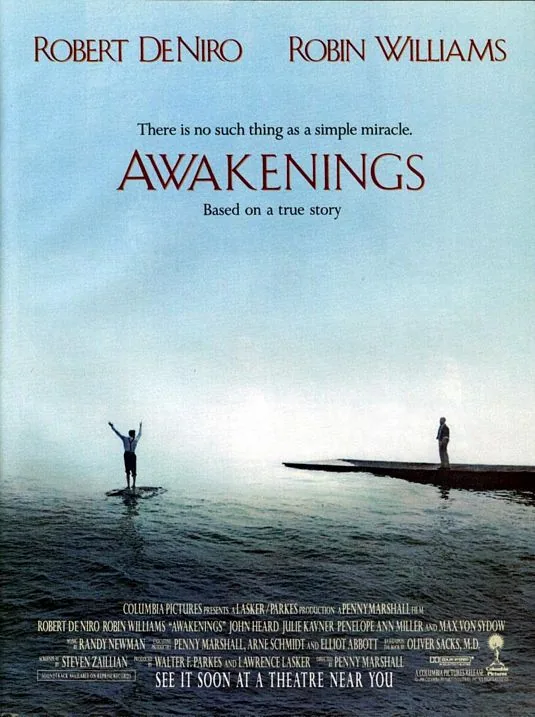
What changes Its own story: A treatment trial makes patients' hidden capacities visible, then confronts clinicians with the limits and side effects of a response they cannot preserve. The central question changes from whether to wake someone to how to respect a life after the awakening.
Neurologist Malcolm Sayer begins working with patients who survived encephalitis lethargica but have spent years in catatonic or severely limited states. His careful observations lead him to try L-DOPA, and Leonard Lowe's response opens a brief period of renewed speech, movement and independent desire. The change is a medical breakthrough and a challenge to the institution's assumptions about what the patients can experience. When the improvement proves unstable, the story shifts from cure to the difficult ethics of care, dignity and time. It is inspired by Oliver Sacks's work but substantially dramatized.
Tessa's report about a clinical trial gives Justin a trail to follow after her death; institutional complicity makes each new disclosure more dangerous.
Why this matches +
These films explore a related idea in a different setting, genre or style.
An adjacent discovery: a related idea with a different viewing experience.
Genres: Drama / Thriller
The approach A dramatic feature rather than documentary footage.
Shared film traits
Based on recorded story, mood and style. Your preferences can change the order.
Investigation · Political resistance
What changes Its own story: Tessa's report about a clinical trial gives Justin a trail to follow after her death; institutional complicity makes each new disclosure more dangerous.
British diplomat Justin Quayle meets activist Tessa, marries her and follows her to a posting in Kenya. Tessa and doctor Arnold Bluhm investigate deaths they connect to drug trials by the pharmaceutical company Three Bees, but their report threatens powerful corporate and government interests. After Tessa is murdered, Justin follows the evidence she left behind, moving through official files, colleagues' memories and the places where she worked. His private grief becomes a public investigation that reveals the cost of protecting a profitable drug program.
An overlooked employee turns a paperwork anomaly into an investigation whose strength depends on linking personal testimony with evidence of corporate knowledge.
Why this matches +
These films explore a related idea in a different setting, genre or style.
An adjacent discovery: a related idea with a different viewing experience.
Genres: Drama / Biography
The approach A dramatic feature rather than documentary footage.
Shared film traits
Based on recorded story, mood and style. Your preferences can change the order.
Investigation
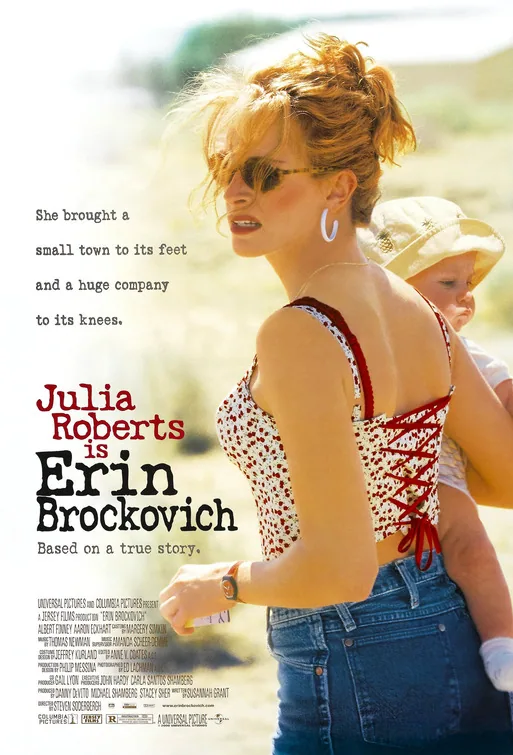
What changes Its own story: An overlooked employee turns a paperwork anomaly into an investigation whose strength depends on linking personal testimony with evidence of corporate knowledge.
A single mother with limited formal qualifications obtains work in a small law office and follows inconsistencies in a property file towards evidence of contaminated water. Listening to affected residents supplies connections that an apparently routine transaction has obscured, but building a case requires records, trust and time she also owes her children. Her insistence on being taken seriously becomes inseparable from recognising the households whose experiences have been discounted by a much more powerful company.
A farmer's evidence leads a corporate lawyer into a long legal challenge over chemical contamination.
Why this matches +
These films explore a related idea in a different setting, genre or style.
An adjacent discovery: a related idea with a different viewing experience.
Genres: biography / drama
The approach A dramatic feature rather than documentary footage.
Shared film traits
Based on recorded story, mood and style. Your preferences can change the order.
Investigation
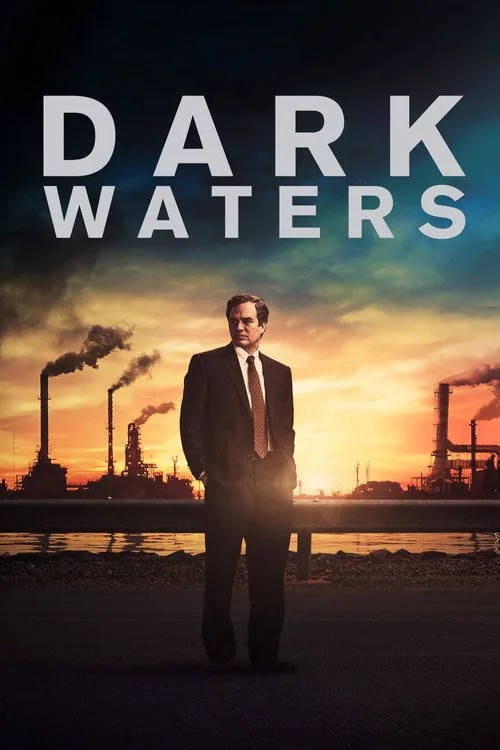
What changes Its own story: A farmer's evidence leads a corporate lawyer into a long legal challenge over chemical contamination.
Corporate defense lawyer Robert Bilott is asked by West Virginia farmer Wilbur Tennant to investigate unexplained animal deaths near a DuPont chemical operation. His research connects the farm's contamination to a persistent compound used in making Teflon, and a local dispute grows into a decades-long legal and public-health fight. Bilott's pursuit strains his work and family life as corporate resistance makes evidence, time, and accountability central obstacles.
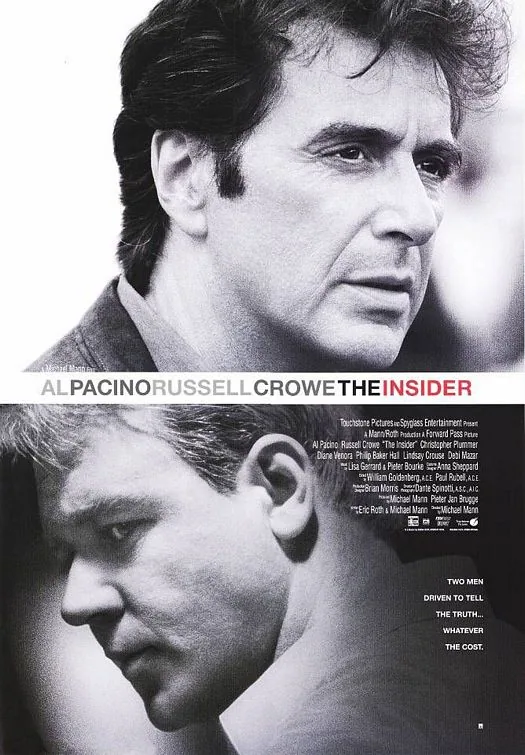
The threat of publication links two risks: Wigand may lose his safety and livelihood, while CBS may suppress the interview to protect itself.
Why this matches +
These films explore a related idea in a different setting, genre or style.
An adjacent discovery: a related idea with a different viewing experience.
Genres: Drama / Thriller
The approach A dramatic feature rather than documentary footage.
Shared film traits
Based on recorded story, mood and style. Your preferences can change the order.
Investigation
What changes Its own story: The threat of publication links two risks: Wigand may lose his safety and livelihood, while CBS may suppress the interview to protect itself.
CBS producer Lowell Bergman persuades former tobacco executive Jeffrey Wigand to explain what he knows about Brown & Williamson’s practices for a 60 Minutes investigation. Wigand’s confidentiality agreement, threats and family pressures make cooperation dangerous, while CBS executives worry about legal and financial exposure. As the broadcast is delayed and edited, Bergman must decide whether protecting the story means confronting the network that employs him. The film turns investigative reporting into a battle over sources, corporate pressure and newsroom independence, dramatizing real events without serving as a transcript of every participant’s perspective.
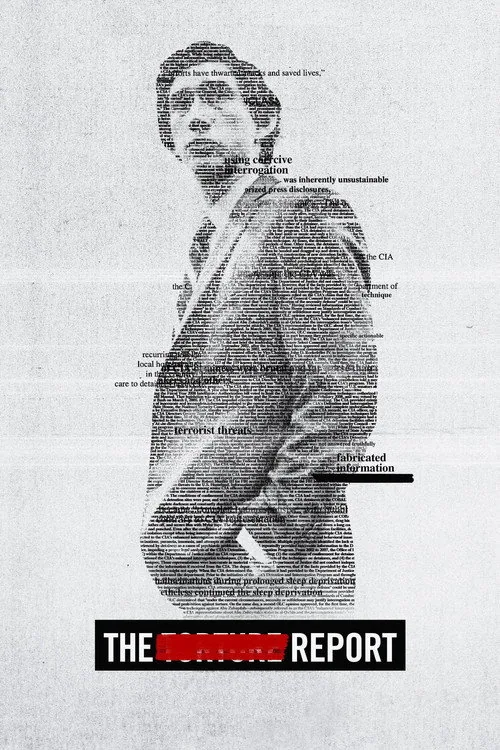
Jones and his small team examine a vast record and try to substantiate what the CIA did during interrogation.
Why this matches +
These films explore a related idea in a different setting, genre or style.
An adjacent discovery: a related idea with a different viewing experience.
Genres: Drama / History
The approach A dramatic feature rather than documentary footage.
Shared film traits
Based on recorded story, mood and style. Your preferences can change the order.
Investigation · Political resistance
What changes Its own story: Jones and his small team examine a vast record and try to substantiate what the CIA did during interrogation.
In 2009, Senate staffer Daniel Jones is asked to review millions of pages of CIA records about the agency's post-9/11 interrogation program. Working with a small team, he documents how officials authorized and described the practices, while facing delays, political pressure, and resistance from the intelligence agency. Senator Dianne Feinstein backs the inquiry, but the report's publication becomes a struggle of its own. The political drama follows the patient work of assembling evidence and making an official record public.
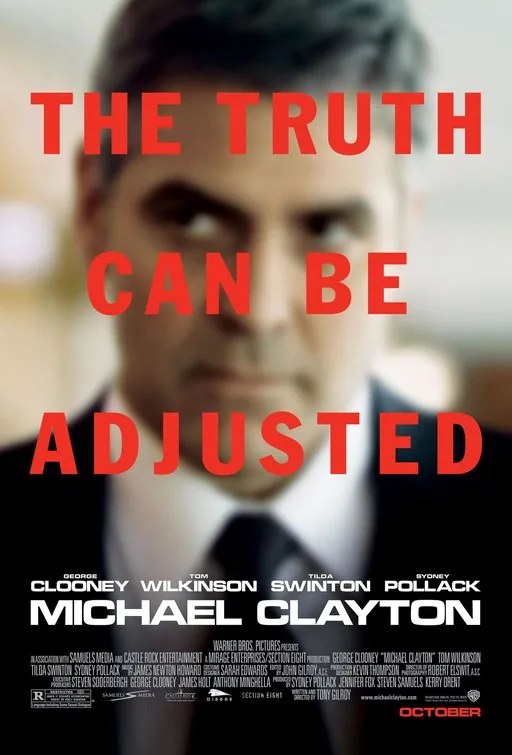
A routine containment assignment becomes a test of whether an institutional fixer will expose the interests employing him.
Why this matches +
These films explore a related idea in a different setting, genre or style.
An adjacent discovery: a related idea with a different viewing experience.
Genres: Drama / Thriller
The approach A dramatic feature rather than documentary footage.
Shared film traits
Based on recorded story, mood and style. Your preferences can change the order.
Investigation
What changes Its own story: A routine containment assignment becomes a test of whether an institutional fixer will expose the interests employing him.
A law firm's fixer is called in after a senior attorney suffers a public breakdown during a major corporate case. What first appears to be professional damage control becomes entangled with evidence that the client wants suppressed. Personal debt and exhaustion make the fixer vulnerable, while his colleague's crisis forces him to confront what years of solving other people's problems have required him to ignore.
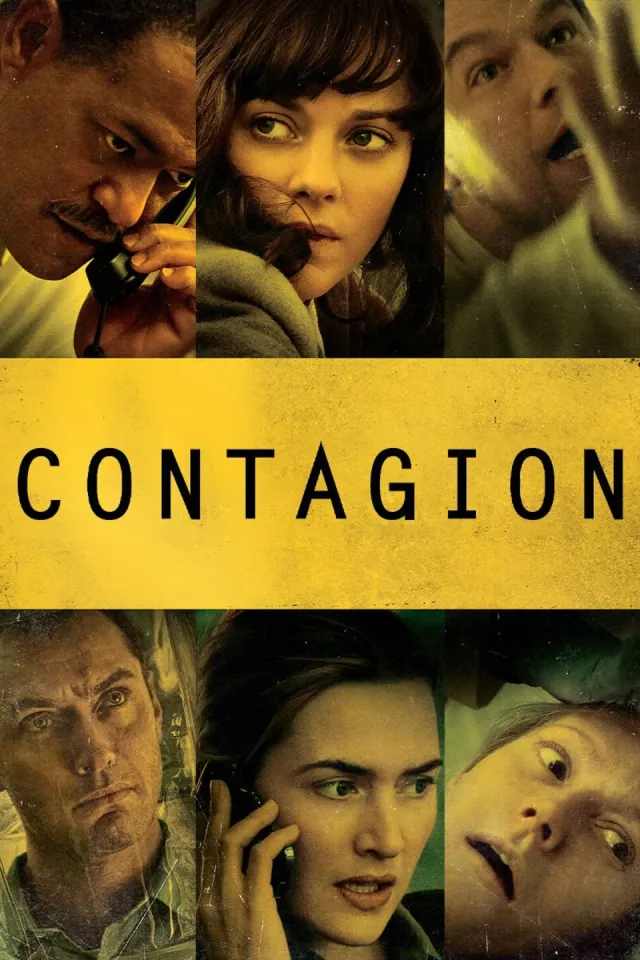
A widening outbreak creates simultaneous scientific, administrative and personal problems under severe time pressure.
Why this matches +
These films explore a related idea in a different setting, genre or style.
An adjacent discovery: a related idea with a different viewing experience.
Genres: Thriller / Drama
The approach A dramatic feature rather than documentary footage.
Shared film traits
Based on recorded story, mood and style. Your preferences can change the order.
Investigation
What changes Its own story: A widening outbreak creates simultaneous scientific, administrative and personal problems under severe time pressure.
A lethal new virus spreads through travel and ordinary contact, leaving doctors, researchers, public officials and families to respond with incomplete information. Their parallel efforts follow transmission, treatment and the social consequences of uncertainty. Scientific work competes with political pressure and misinformation, while individual grief unfolds inside a crisis no single protagonist can solve.
Michael Moore examines the American health-care system by comparing personal accounts of denied treatment and financial hardship with systems in other countries. The documentary follows patients, workers and institutions to make access to care a public question rather than a private misfortune. Its arguments are presented through interviews, staged visits and pointed contrasts, blending advocacy with humor while asking who bears responsibility when illness meets bureaucracy.
What drives the story
Personal stories of denied care are set against other national systems to challenge what Americans accept as inevitable.
The people at its centre
Patients’ experiences ground the argument, while the filmmaker’s on-camera presence shapes its confrontational tone.
What it feels like
A mix of testimony, travel and pointed humor makes policy debate deliberately accessible.
Worth knowing
An advocacy documentary about health systems differs from a clinical account of medical practice.
HealthJusticePublic policy
Mood
Indignant · Accessible · Provocative
Pacing
Essay-like · Interview-led
Visual style
Participatory documentary
Storytelling
Investigative documentary · Medical access · Comparative systems