Explore films connected to Dark Waters through corporate accountability, public health, persistence. Choose the qualities you want to carry into your next watch.
What should feel similar?
Find your next favourite
9 films · Closest overall matches
Hide films you’ve seen or don’t want. Saved on this device.
No matches for this combination yet.
Try another option or reset your choices to see more films.
Based on recorded story, mood and style. Your preferences can change the order.
Investigation
What changes Dark Waters: procedural, cumulative and multi-year. Filth: episodic, spiraling and subjective.
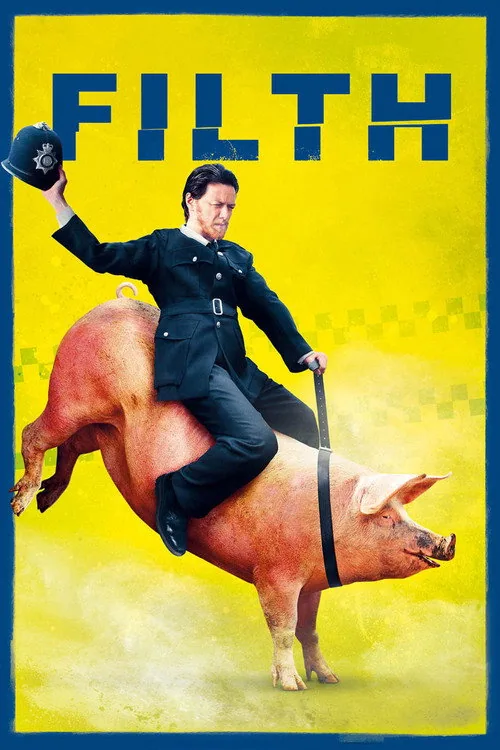
Edinburgh detective Bruce Robertson is assigned to investigate a colleague's murder while campaigning for a promotion he assumes he deserves. His drinking, drug use, cruelty, and increasingly unreliable perceptions damage nearly every relationship around him, even as he tries to manipulate the case and his rivals. The adaptation of Irvine Welsh's novel uses abrasive black comedy to reveal a man whose appetite for control conceals grief and serious psychological collapse.
Based on recorded story, mood and style. Your preferences can change the order.
What changes Dark Waters: procedural, cumulative and multi-year. Kesari Chapter 2: argument-driven, dramatic and building.
Lawyer C. Sankaran Nair challenges the British account of the Jallianwala Bagh massacre and pursues accountability through a legal confrontation. The film begins with the violence in Amritsar and follows the survivors, witnesses, and officials whose testimony brings the event into a courtroom. Rather than centering battlefield action, Kesari Chapter 2 frames history as a struggle over evidence and public memory, asking how an empire can be compelled to answer for violence against civilians.
Based on recorded story, mood and style. Your preferences can change the order.
Investigation
What changes Dark Waters: procedural, cumulative and multi-year. Bhagwat Chapter One: Raakshas: case-driven, revealing and tense.
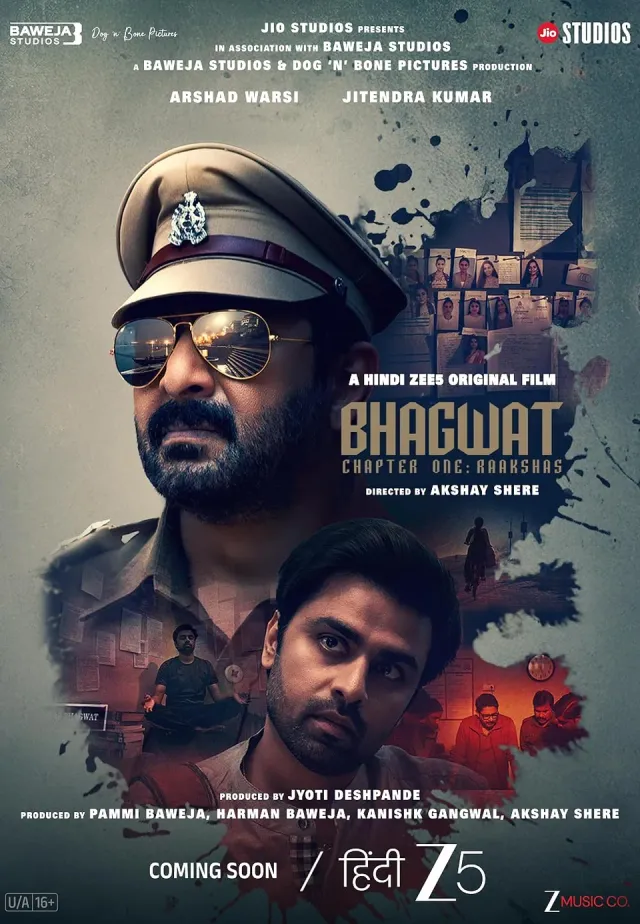
In 2009 Robertsganj, a young woman named Poonam disappears, but police initially dismiss her parents' report as an elopement. A politician exploits the case to inflame communal tensions, even as the missing-person investigation points toward a serial predator. Inspector Vishwas Bhagwat pursues the truth while the town's assumptions about gender, caste, and religion shape who is believed and who is blamed. This Hindi crime thriller treats the investigation as a contest over evidence and public narrative, not just a hunt for a killer.
Based on recorded story, mood and style. Your preferences can change the order.
What changes Dark Waters: procedural, cumulative and multi-year. A Scanner Darkly: disorienting, episodic and slowly collapsing.
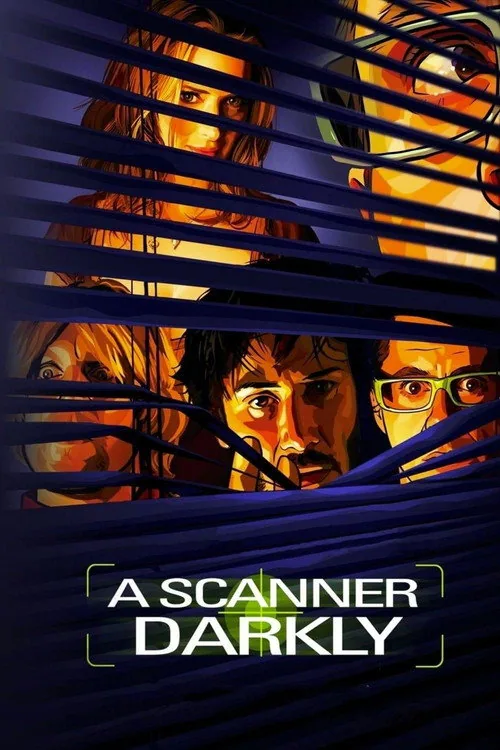
Undercover agent Bob Arctor lives among addicts dependent on Substance D while secretly reporting on that same community to the government. His assignment places him under constant surveillance, but the drug also fractures his sense of self and weakens his ability to recognize his own role. Adapted from Philip K. Dick, the film uses rotoscoped animation to make paranoia, state control, and memory loss feel inseparable from the characters' unstable perceptions.
Based on recorded story, mood and style. Your preferences can change the order.
Investigation
What changes Dark Waters is tagged grave and methodical; Dead Man's Wire is tagged tense and volatile.
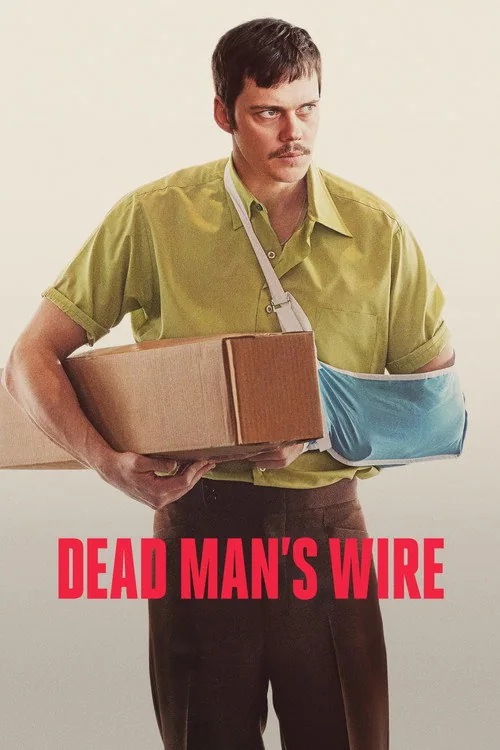
In 1977 Indianapolis, mortgage borrower Tony Kiritsis takes broker Richard Hall hostage and attaches a shotgun to his neck with a dead-man's switch. Tony claims he has been cheated and demands public attention and justice, while police, reporters, and the hostage's family become part of a standoff unfolding live. Based on a real event, the crime drama examines desperation and media spectacle through a crisis where every intervention risks turning a tense negotiation into a fatal mistake.
Based on recorded story, mood and style. Your preferences can change the order.
Investigation
What changes Dark Waters is tagged grave and methodical; Officer on Duty is tagged gritty and tense.
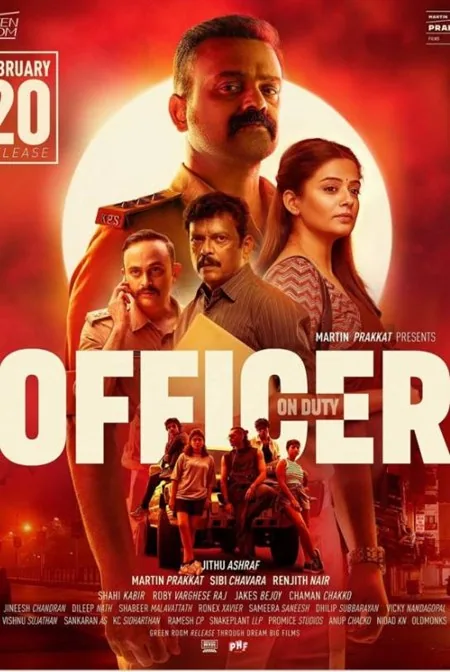
Hot-headed inspector Harishankar is demoted and assigned to Aluva, where a complaint about imitation gold opens a far-reaching investigation. The case leads him from small-scale fraud toward a criminal network involving drug users, violence, and the staged death of a police officer. Harishankar's personal anger can help him pursue leads but also threatens his judgment, making the Malayalam crime thriller a portrait of a flawed officer learning how much patience a complex case requires.
Based on recorded story, mood and style. Your preferences can change the order.
Investigation
What changes Dark Waters: procedural, cumulative and multi-year. Aakhri Sawal: debate-driven, mystery unfolding and dramatic.
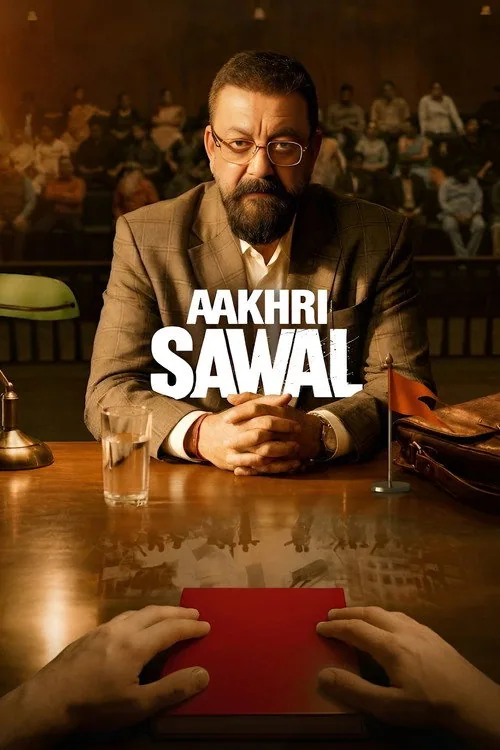
Young scholar Vicky Hegde publicly challenges his former mentor, Professor Gopal Nadkarni, on historical and ideological questions, setting off a debate that draws national attention. The controversy deepens when Vicky discovers a connection to the disappearance of researcher Pallavi Menon, and investigator Aditya Rao helps trace secrets in Nadkarni's past. The Hindi political drama turns an academic dispute into a mystery about evidence, power, and the consequences of controlling the historical record.
Based on recorded story, mood and style. Your preferences can change the order.
What changes Dark Waters: procedural, cumulative and multi-year. Seeking a Friend for the End of the World: episodic, measured and reflective.
With a large asteroid expected to strike Earth in three weeks, insurance salesman Dodge finds that his wife has left him and his familiar routines have collapsed. He joins Penny, a neighbor trying to reach her family, on a cross-country journey that brings them into contact with strangers facing the same deadline. Their road trip becomes a quiet attempt to make choices, repair connections, and find companionship before the end.
Based on recorded story, mood and style. Your preferences can change the order.
Investigation
What changes Dark Waters: procedural, cumulative and multi-year. Neighborhood Watch: investigative, character-led and gradually tightening.
Simon McNally, recently released from a mental hospital after nearly a decade, struggles with daily life while haunted by hallucinations and the voice of his abusive, deceased father. When Simon believes he has witnessed a woman being abducted, police dismiss his account. He persuades Ed, a retired security guard living nearby, to help search for her. The crime thriller makes a fragile witness and an unlikely partner the center of a missing-person investigation, keeping uncertainty about evidence and perception close to the surface.
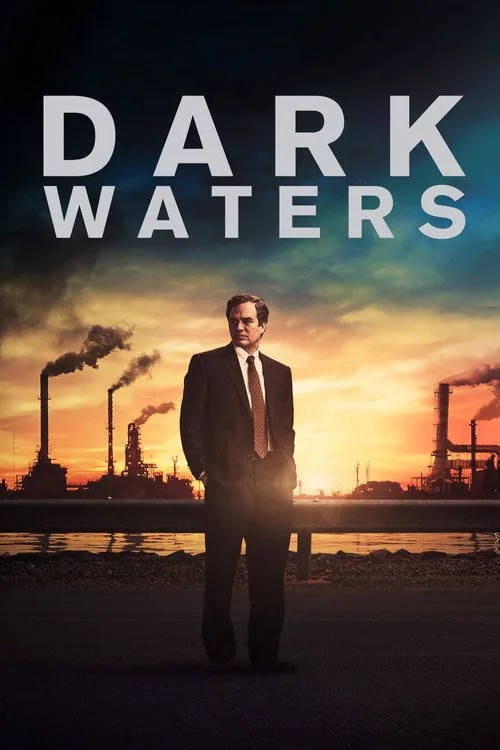
Corporate defense lawyer Robert Bilott is asked by West Virginia farmer Wilbur Tennant to investigate unexplained animal deaths near a DuPont chemical operation. His research connects the farm's contamination to a persistent compound used in making Teflon, and a local dispute grows into a decades-long legal and public-health fight. Bilott's pursuit strains his work and family life as corporate resistance makes evidence, time, and accountability central obstacles.
What drives the story
A farmer's evidence leads a corporate lawyer into a long legal challenge over chemical contamination.
The people at its centre
Bilott's professional caution gives way to sustained resolve, while Tennant's testimony supplies the investigation's human starting point.
What it feels like
The procedural accumulation of records and hearings conveys how a technical case becomes a moral burden.
Worth knowing
Its tension comes from methodical litigation and environmental harm, not a courtroom mystery resolved in one trial.