The tour structure connects choreography and concerts with the personal moments around them.
Why this matches +
These offer a related experience with a meaningful difference in story, tone, or presentation.
An adjacent discovery: a related idea with a different viewing experience.
Genres: Documentary / LGBTQ-related
The approach A documentary treatment rather than a dramatic feature.
Shared film traits
Based on recorded story, mood and style. Your preferences can change the order.
What changes A documentary follows a famous subject while showing how cameras, performance and access shape the public image.
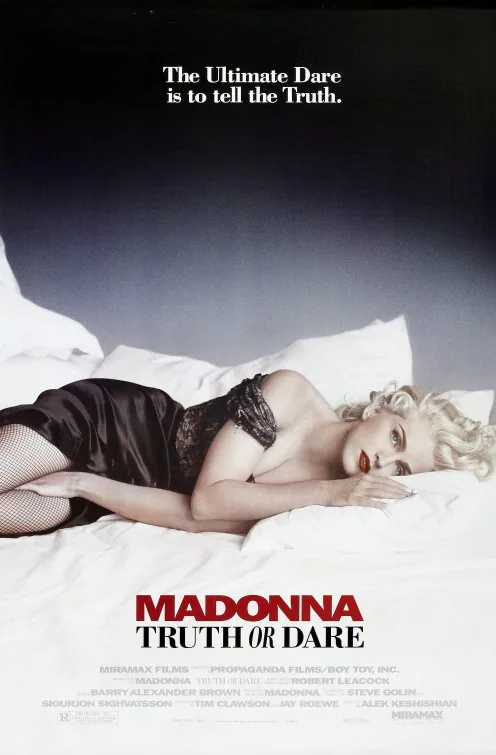
This documentary follows Madonna and her dancers during the Blond Ambition World Tour, moving between staged performances and candid moments on the road. Rehearsals, family meetings, backstage conflicts and conversations about celebrity reveal how a carefully constructed pop spectacle is sustained by work and relationships. The film's performance sequences and direct address make public image and private access part of its form.
Navalny and the journalists test leads and evidence to identify those behind the attempt on his life.
Why this matches +
These offer a related experience with a meaningful difference in story, tone, or presentation.
An adjacent discovery: a related idea with a different viewing experience.
Genres: Documentary / Biography
The approach A documentary treatment rather than a dramatic feature.
Shared film traits
Based on recorded story, mood and style. Your preferences can change the order.
Investigation
What changes Documentary filmmakers follow a prominent public figure under political pressure, making access and the presentation of events central to the account.
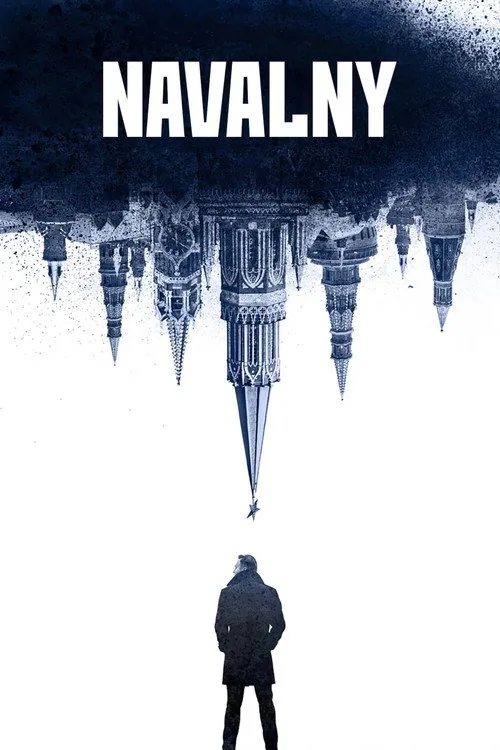
Daniel Roher’s documentary follows Russian opposition politician Alexei Navalny after he survives a poisoning in 2020 and recovers in Germany. With his family and a team of investigative journalists, Navalny tries to identify those responsible and trace the operation through a mix of interviews, digital evidence, and direct contact with people connected to the case. The film unfolds as a political documentary thriller, combining an intimate portrait of its subject with the mechanics of an investigation and the risks of returning to public opposition.
Prisoners rehearse Julius Caesar and find the play resonating with their own lives.
Why this matches +
These offer a related experience with a meaningful difference in story, tone, or presentation.
An adjacent discovery: a related idea with a different viewing experience.
Genres: Drama / Documentary
The approach A documentary treatment rather than a dramatic feature.
Shared film traits
Based on recorded story, mood and style. Your preferences can change the order.
What changes A documentary foregrounds performance and the act of filming, inviting attention to how participants shape what the camera captures.
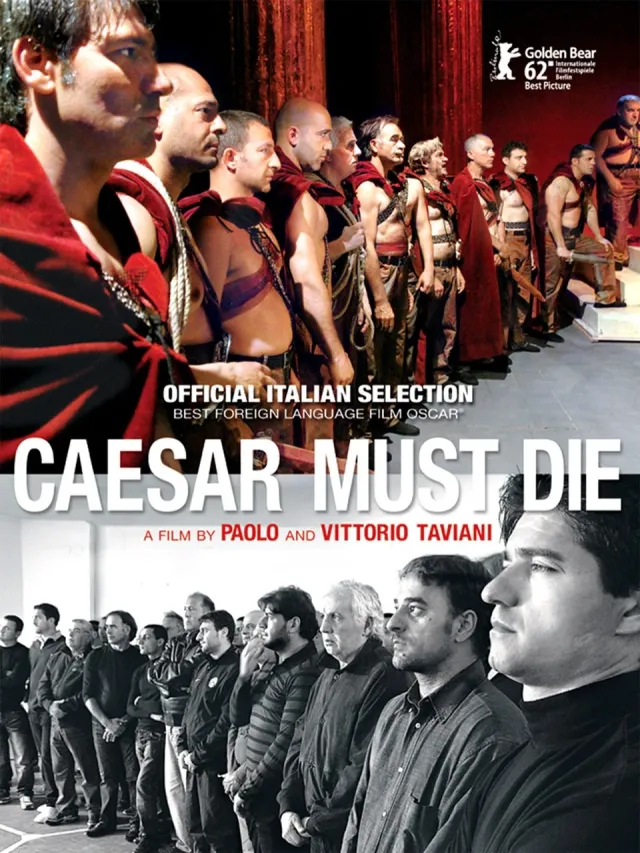
In Rome's Rebibbia prison, inmates prepare a production of Shakespeare's Julius Caesar under the direction of a theater group. Rehearsals bring the play's questions of power and loyalty into the prisoners' own experiences, while the film moves between performance and the routines of incarceration. Paolo and Vittorio Taviani blur documentary observation with staged drama, creating a compact reflection on acting, confinement and the way stories can echo across lives.
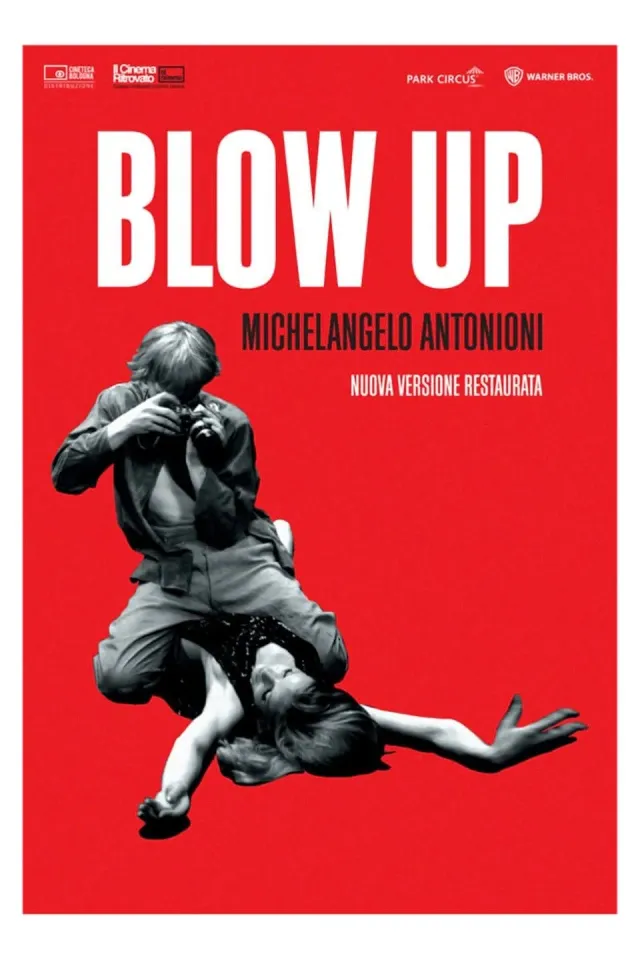
A casual photograph becomes a suspected crime scene, but each attempt to enlarge or verify the image multiplies interpretations rather than securing proof. The disappearance of the prints and possible body leaves the method of verification unstable.
Why this matches +
These offer a related experience with a meaningful difference in story, tone, or presentation.
An adjacent discovery: a related idea with a different viewing experience.
Genres: Drama / Mystery
Shared film traits
Based on recorded story, mood and style. Your preferences can change the order.
Investigation
What changes A photographer closely examines an image and confronts the limits of what visual evidence can establish; a fictional mystery.
A fashion photographer follows a couple through a London park and later enlarges his pictures until he suspects they record a killing. Each crop seems to sharpen a detail while loosening the connection between image and event; a possible body and the prints themselves then disappear. His professional habit of turning people into subjects gives him no authority over what the encounter meant or how others receive his evidence. The investigation tests whether looking closely can ever amount to possessing the truth. In the final tennis sequence, the audience is asked to sustain the same unstable act of seeing.
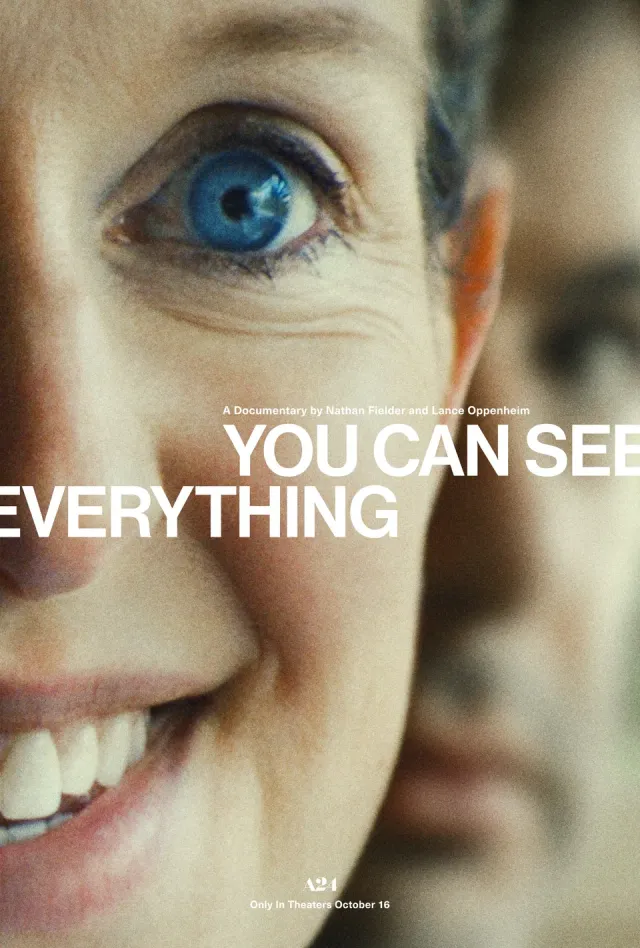
Nathan Fielder and Lance Oppenheim's documentary follows Elizabeth Holmes during the weeks before she enters prison, with the filmmakers' own presence and methods becoming part of the subject. The project begins as an act of observation, but the camera's access, the subject's performance, and the crew's decisions complicate any simple claim to truth. Its tension comes from watching a public figure and a documentary production negotiate who controls the scene and what viewers can reasonably infer.
What drives the story
A film crew's attempt to observe a notorious public figure becomes a story about how filming itself shapes what can be seen and believed.
The people at its centre
The subject and the documentarians share the frame without sharing equal control; their conflicting aims make access feel provisional rather than transparent.
What it feels like
The film asks for attentive viewing, letting awkward pauses and the visible act of recording carry as much weight as conventional exposition.
Worth knowing
Its interest is the ethics and performance of documentary access, not a conventional investigation that promises a definitive new verdict.
ObservationTruthPerformance
Mood
Unsettling · Reflective · Wry
Pacing
Measured · Cumulative
Visual style
Observational · Self-conscious · Composed
Storytelling
Documentary-within-documentary · Public image · Ambiguous evidence