An elusive criminal's intermittent evidence creates a prolonged investigation whose uncertainty becomes a sustaining obsession of its own.
Why this matches +
Patient crime investigation reveals institutional inadequacy and the emotional danger of deciding uncertainty has been resolved.
Genres: Thriller / Mystery
Shared film traits
Based on recorded story, mood and style. Your preferences can change the order.
Investigation
What changes Memories of Murder: measured and escalating. Zodiac: slow burn.
A series of killings and public messages draws police officers and newspaper staff into a search for an offender who controls attention through selective disclosure. Years of interviews, uncertain identifications and jurisdictional boundaries make progress difficult to distinguish from renewed speculation. A cartoonist's growing private commitment to the case exposes the personal cost of treating an unresolved account as a problem that more persistence must eventually close.
A small surveillance assignment expands into a confrontation with wealth whose authority reaches beyond the investigator's practical ability to expose or restrain it.
Why this matches +
Patient crime investigation reveals institutional inadequacy and the emotional danger of deciding uncertainty has been resolved.
Genres: Mystery / Crime
Shared film traits
Based on recorded story, mood and style. Your preferences can change the order.
Investigation
What changes Memories of Murder: measured and escalating. Chinatown: slow burn.
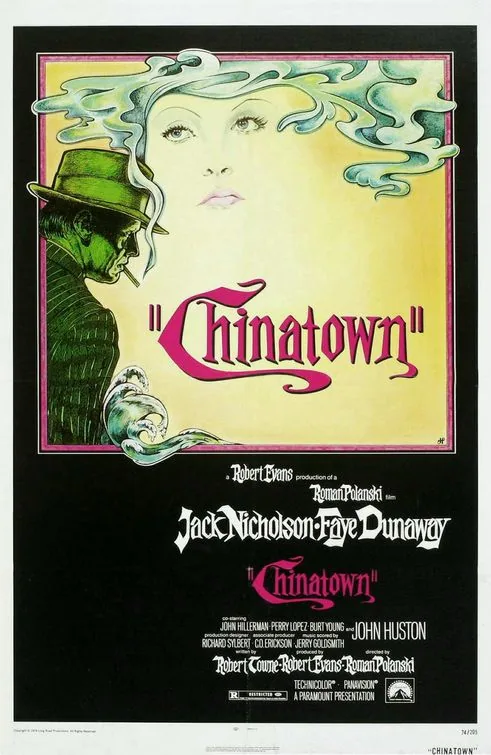
A private investigator accepts what appears to be a routine marital surveillance job and becomes involved in a death connected to a dispute over water. A wealthy woman's inconsistent explanations seem to promise an ordinary deception, but the evidence points towards forms of power that control both public resources and intimate lives. His confidence in reading other people's motives becomes a liability when the harm he is approaching exceeds the categories of the job he thought he took.
Will Graham re-enters a murder investigation by trying to reconstruct a killer's thinking without losing his own boundaries.
Why this matches +
Patient crime investigation reveals institutional inadequacy and the emotional danger of deciding uncertainty has been resolved.
Genres: Crime / Thriller
Shared film traits
Based on recorded story, mood and style. Your preferences can change the order.
Investigation
What changes Memories of Murder is tagged bleak and unsettling; Manhunter is tagged cold and procedural.
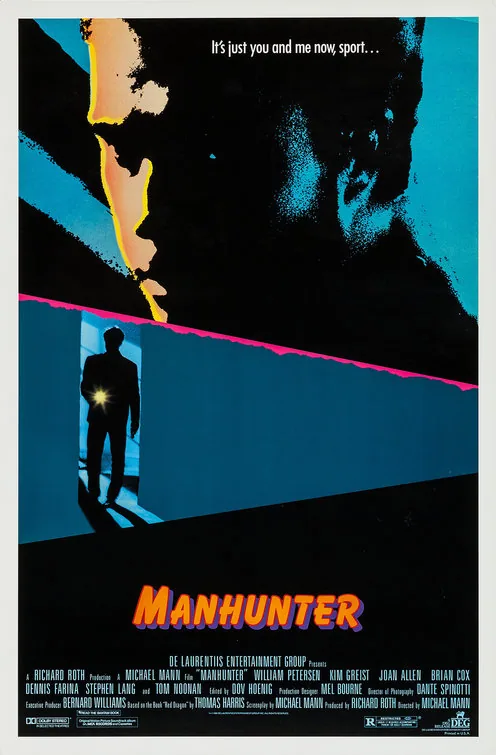
Former FBI profiler Will Graham is drawn back into investigative work to help identify a serial murderer who attacks families during full moons. To understand the killer's perspective, Graham revisits the imprisoned Hannibal Lecktor, a source of insight who also threatens his psychological distance from the case; clues and interviews intensify the investigation while Graham's attempts to protect his own family become harder to keep separate from his work.
Harriet’s disappearance leads Mikael and Lisbeth through family records, testimony and old crimes, while the investigation repeatedly collides with present-day danger.
Why this matches +
Patient crime investigation reveals institutional inadequacy and the emotional danger of deciding uncertainty has been resolved.
Genres: Crime / Drama
Shared film traits
Based on recorded story, mood and style. Your preferences can change the order.
Investigation
What changes Memories of Murder: measured and escalating. The Girl with the Dragon Tattoo: clue accumulation and violent confrontation.
Journalist Mikael Blomkvist is hired by an aging industrialist to investigate the disappearance of his niece Harriet decades earlier. He joins forces with Lisbeth Salander, a brilliant researcher whose own abusive guardian has made her deeply wary of institutions and control. The investigation uncovers a pattern of violence within the family and gives Lisbeth’s technical skill and personal history equal weight in the search. David Fincher’s adaptation makes the case a bleak northern noir about the persistence of abuse, the limits of justice and two outsiders whose collaboration is based on competence rather than easy trust.
A missing-child investigation develops alongside an unauthorised interrogation, placing professional evidence and desperate conviction on competing paths.
Why this matches +
Patient crime investigation reveals institutional inadequacy and the emotional danger of deciding uncertainty has been resolved.
Genres: Thriller / Mystery
Shared film traits
Based on recorded story, mood and style. Your preferences can change the order.
Investigation
What changes Memories of Murder: measured and escalating. Prisoners: slow burn.
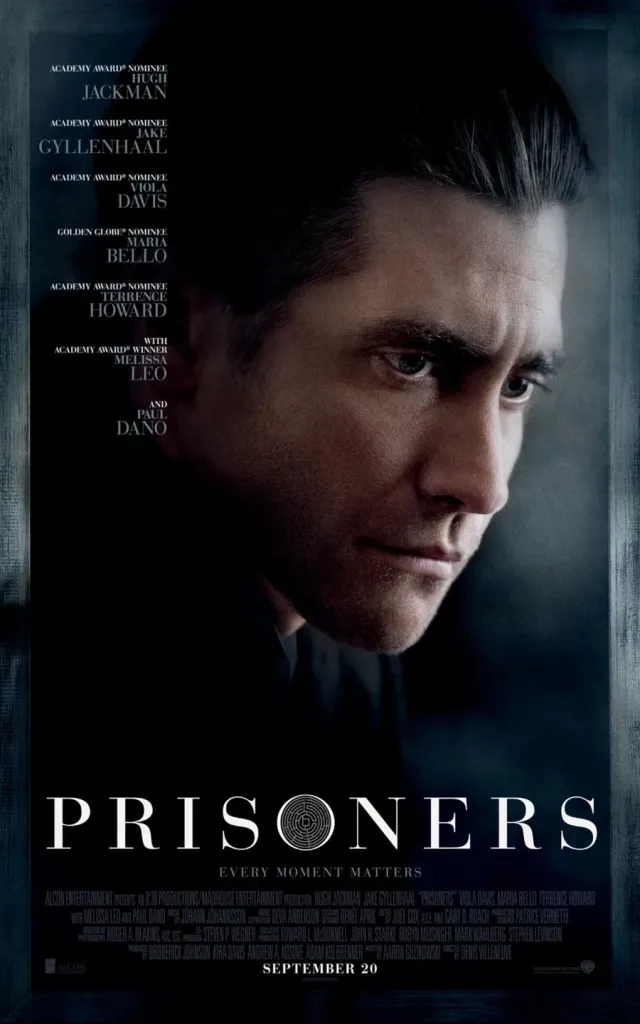
Two young girls disappear during a neighbourhood holiday gathering, leaving their families dependent on an investigation that produces uncertainty faster than reassurance. One father becomes convinced that a released suspect knows more than he admits and decides that protecting his child justifies methods the police will not use. The detective's parallel search exposes a wider history while the parent's private certainty creates victims and consequences of its own.
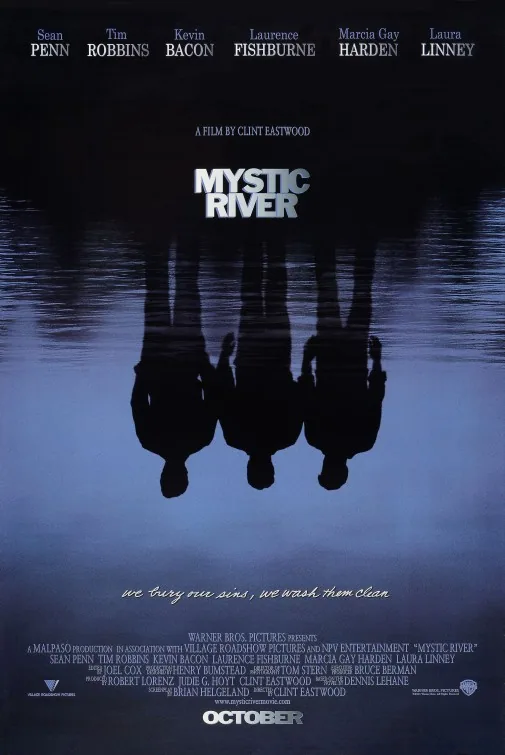
A murder inquiry intersects with an unofficial search for revenge, allowing old trauma and local loyalties to distort how ambiguous behaviour is interpreted.
Why this matches +
Patient crime investigation reveals institutional inadequacy and the emotional danger of deciding uncertainty has been resolved.
Genres: Crime / Drama
Shared film traits
Based on recorded story, mood and style. Your preferences can change the order.
Investigation
What changes Memories of Murder: measured and escalating. Mystic River: slow burn.
The murder of a young woman reconnects three Boston men whose childhood friendship was fractured by one boy's abduction and abuse. One is now the victim's father, another a police investigator, and the third returns home injured on the night she dies. Their different responses to grief and remembered vulnerability produce competing accounts of what happened, while neighbourhood loyalties turn suspicion into a force that can outrun evidence.
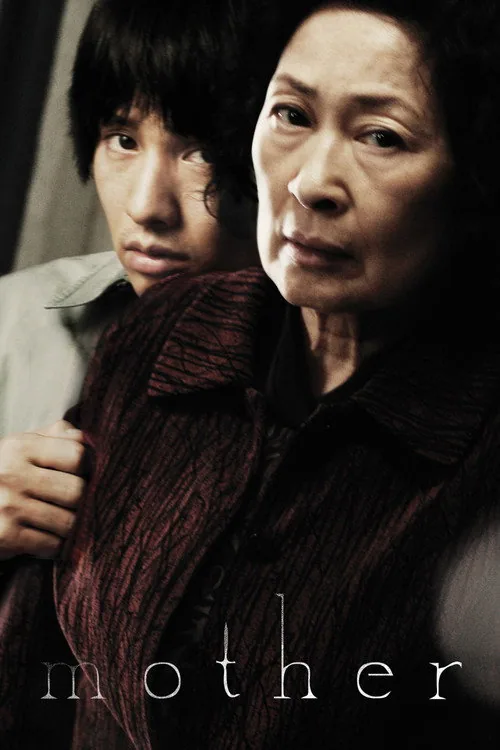
The mother pursues her own explanation of a murder as the official case and the town’s assumptions threaten her son’s future.
Why this matches +
Patient crime investigation reveals institutional inadequacy and the emotional danger of deciding uncertainty has been resolved.
Genres: Crime / Thriller
Shared film traits
Based on recorded story, mood and style. Your preferences can change the order.
Investigation
What changes Memories of Murder: measured and escalating. Mother: investigation-driven, gradual revelation and tonal shifts.
An unnamed mother’s adult son, Do-joon, is arrested after a teenage girl is found murdered in their South Korean town. Convinced that the investigation has settled on him too quickly, she searches for evidence and questions people who knew the victim. Her determination is complicated by the limits of the police inquiry and by the town’s assumptions about her son. Bong Joon-ho’s neo-noir thriller becomes an unsettling study of devotion, denial, and moral compromise. It addresses the murder and sexual exploitation of a minor and contains violence and distressing family material.
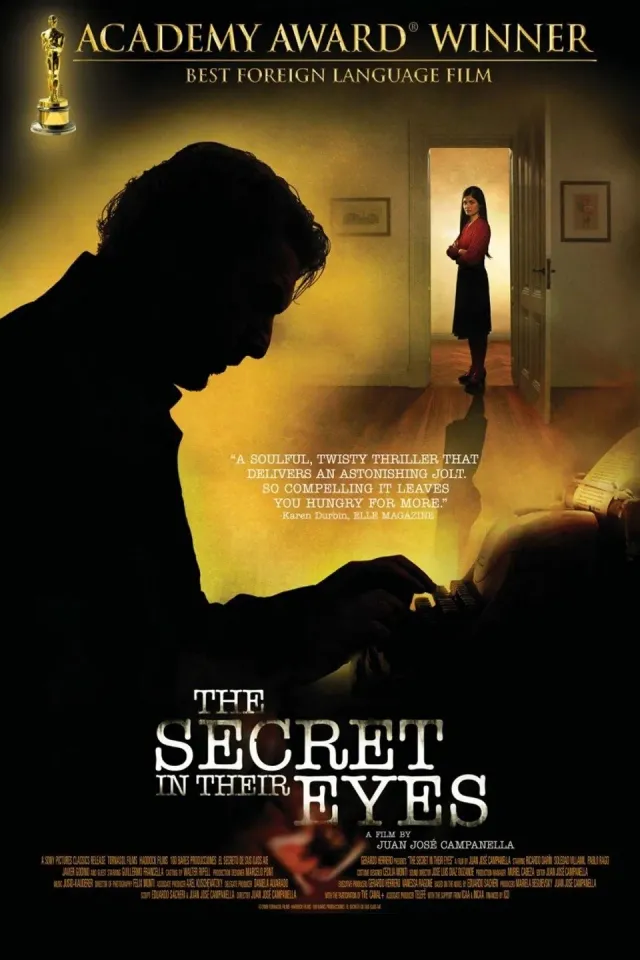
A retired investigator revisits an unresolved murder through memory and writing, uncovering how legal power and political violence shaped the original case.
Why this matches +
Patient crime investigation reveals institutional inadequacy and the emotional danger of deciding uncertainty has been resolved.
Genres: Crime / Drama
Shared film traits
Based on recorded story, mood and style. Your preferences can change the order.
Investigation
What changes Memories of Murder: measured and escalating. The Secret in Their Eyes: nonlinear and patiently unfolding.
Retired legal investigator Benjamín Espósito begins writing about a rape and murder case that has haunted him for decades. Reconstructing the investigation takes him back to 1970s Argentina, where he worked with his superior Irene and encountered Ricardo Morales, the victim's grieving husband. The search for the killer was shaped by institutional corruption and the political climate, while Benjamín's restrained feelings for Irene remained unresolved. In the present, details that seemed settled become newly uncertain as memory and evidence are tested against one another. Benjamín's decision to revisit the case is not only professional: the act of writing forces him to confront what he has avoided in both the investigation and his personal life.
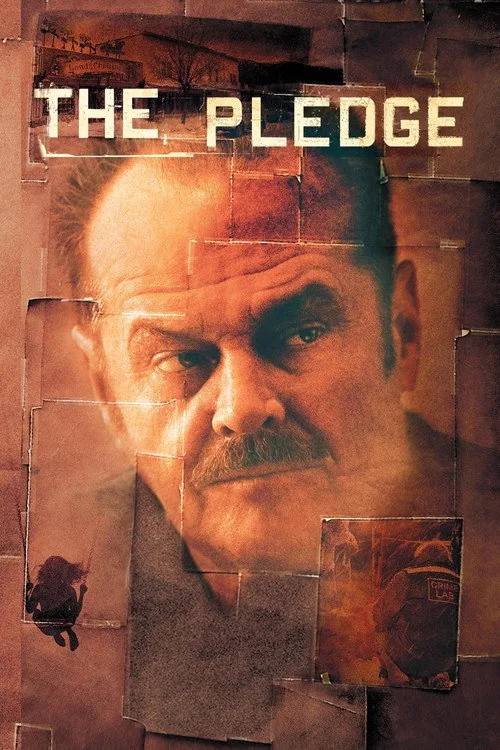
Jerry’s promise to a grieving parent keeps him investigating after the department accepts a confession and moves on.
Why this matches +
Patient crime investigation reveals institutional inadequacy and the emotional danger of deciding uncertainty has been resolved.
Genres: Crime / Drama
Shared film traits
Based on recorded story, mood and style. Your preferences can change the order.
Investigation
What changes Memories of Murder: measured and escalating. The Pledge: slow-burn, character-centered investigation and ambiguous resolution.
On the day of his retirement, Nevada detective Jerry Black helps investigate the murder of an eight-year-old girl. He promises the child’s mother that he will find the killer, but the police quickly close the case after a suspect confesses. Jerry remains unconvinced and continues his own inquiry, gradually reorganizing his life around a theory that others dismiss. Sean Penn’s psychological crime drama follows the cost of obsession and the burden of a promise that may have no clear answer.
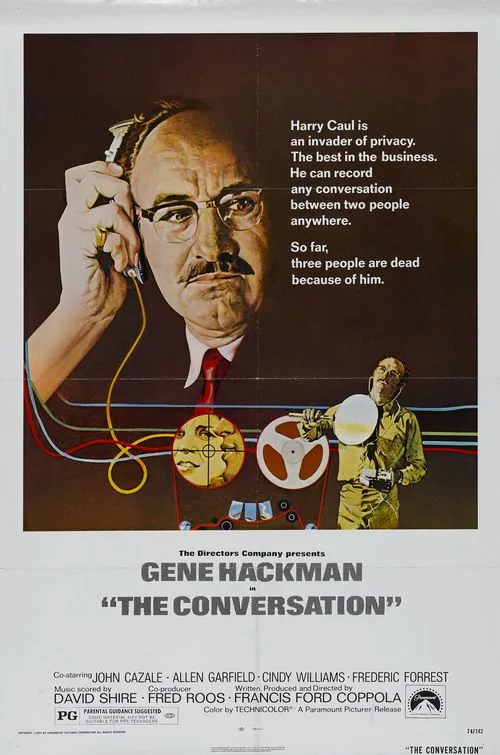
Repeated analysis of a recorded conversation deepens a technician's uncertainty about the harm his work may enable.
Why this matches +
Patient crime investigation reveals institutional inadequacy and the emotional danger of deciding uncertainty has been resolved.
Genres: Mystery / Thriller
Shared film traits
Based on recorded story, mood and style. Your preferences can change the order.
Investigation
What changes Memories of Murder: measured and escalating. The Conversation: slow burn.
A surveillance specialist records a couple in a crowded square and becomes preoccupied with what their apparently ordinary exchange might mean. His professional distance is eroded by memories of an earlier job with deadly consequences. Replaying and refining the recording draws him into a situation where technical precision cannot guarantee understanding, and the observer begins to fear that he is also being watched.
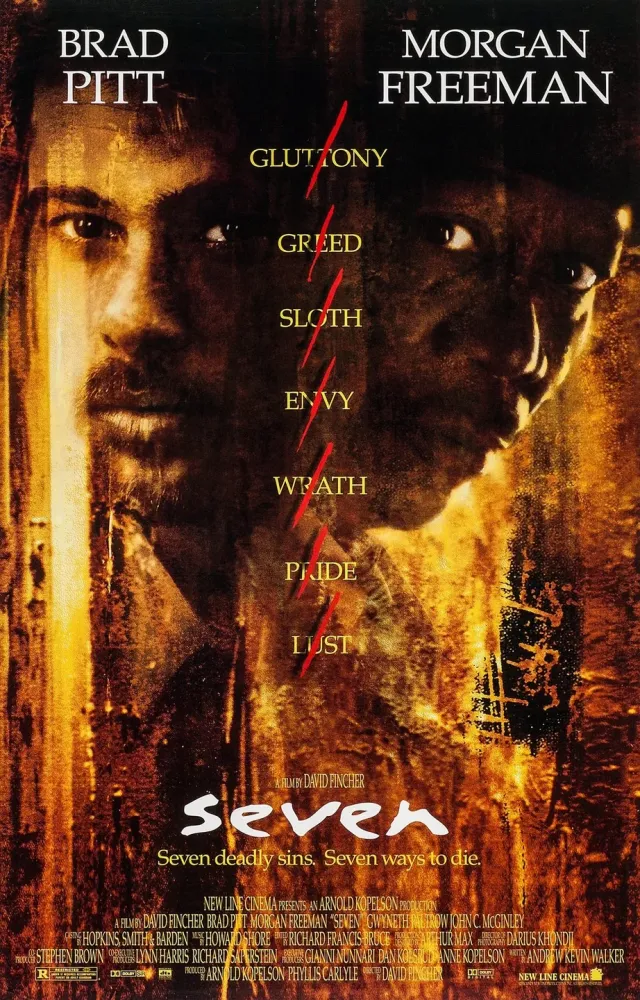
A patterned murder investigation develops into a contest over whether the detectives can refuse the emotional roles their opponent is preparing for them.
Why this matches +
Apparently settled evidence becomes morally unstable when private loyalties or official power determine which account gets believed.
An adjacent discovery: a related idea with a different viewing experience.
Genres: Thriller / Mystery
Shared film traits
Based on recorded story, mood and style. Your preferences can change the order.
Investigation
What changes Memories of Murder: measured and escalating. Se7en: slow burn.
A weary detective approaching retirement and an impatient younger partner investigate killings arranged around a moralising pattern. Each crime scene expands the sense that their unseen opponent is treating the city as both evidence and audience for a private doctrine. Their work exposes different responses to pervasive cruelty, while the intrusion of the case into ordinary hopes for a home makes professional distance increasingly difficult to maintain.
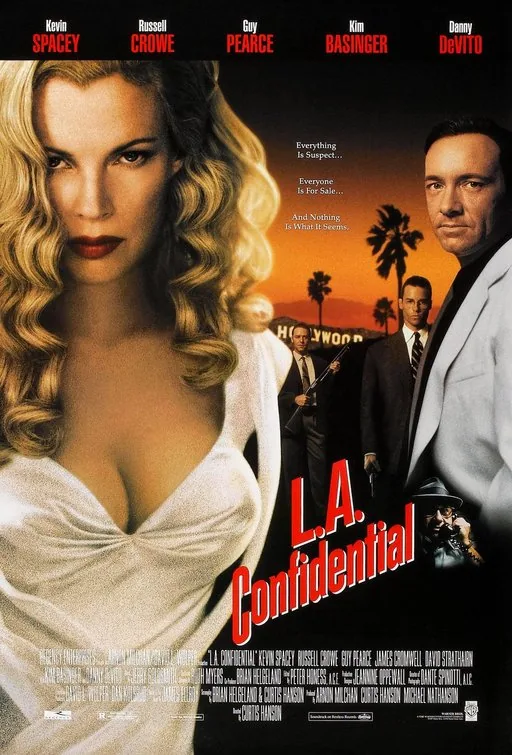
A multiple murder links separate investigations until institutional corruption makes the investigators' own methods and loyalties part of the evidence.
Why this matches +
Apparently settled evidence becomes morally unstable when private loyalties or official power determine which account gets believed.
An adjacent discovery: a related idea with a different viewing experience.
Genres: Crime / Drama
Shared film traits
Based on recorded story, mood and style. Your preferences can change the order.
Investigation
What changes Memories of Murder is tagged bleak and unsettling; L.A. Confidential is tagged mysterious and tense.
Three Los Angeles policemen with conflicting ambitions become connected to a massacre at an all-night diner. Their investigation leads through celebrity publicity, organised crime and arrangements that protect the department's public image. As apparently settled evidence begins to unravel, each man must confront how his preferred route to success has made him useful to people who manipulate both justice and appearances.
Successive retellings of a forest encounter replace a stable reconstruction with contradictions shaped by each speaker's self-presentation.
Why this matches +
Apparently settled evidence becomes morally unstable when private loyalties or official power determine which account gets believed.
An adjacent discovery: a related idea with a different viewing experience.
Genres: Crime / Drama
Shared film traits
Based on recorded story, mood and style. Your preferences can change the order.
Investigation
What changes Memories of Murder is tagged bleak and unsettling; Rashomon is tagged mysterious and contemplative.
Sheltering from rain at a ruined gate, several men discuss testimony concerning a violent encounter in a forest. A bandit, a woman, her dead husband through a medium, and another witness offer incompatible accounts of the same events. Each version rearranges agency, shame and honour, making the search for factual certainty inseparable from what people need their stories to say about themselves.
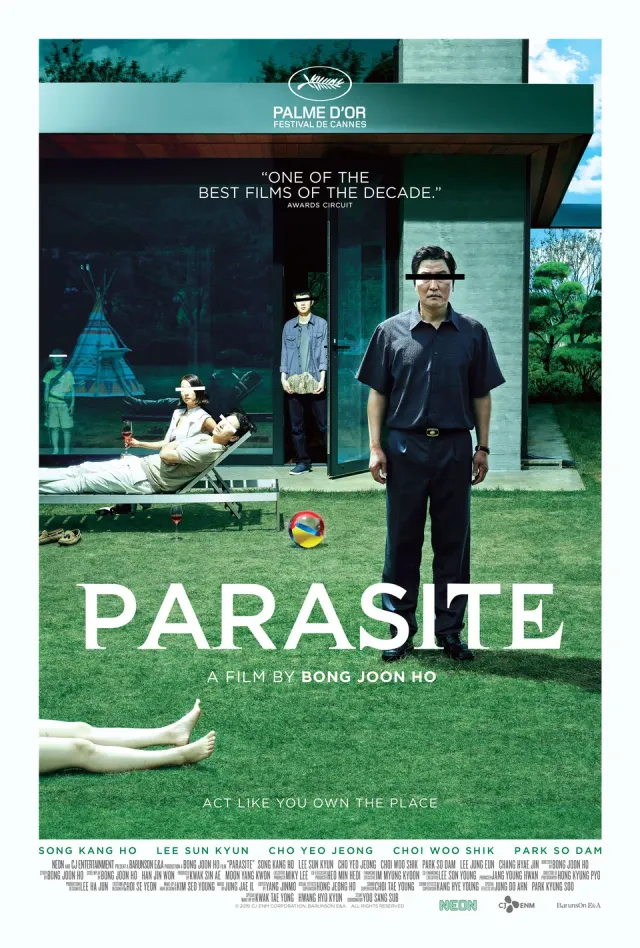
A family infiltration succeeds through staged appearances and replacement of workers, then an unforeseen encounter exposes competing claims to the security the household represents.
Why this matches +
Apparently settled evidence becomes morally unstable when private loyalties or official power determine which account gets believed.
An adjacent discovery: a related idea with a different viewing experience.
Genres: Drama / Thriller
Shared film traits
Based on recorded story, mood and style. Your preferences can change the order.
Both directed by Bong Joon-ho.
What changes Memories of Murder: measured and escalating. Parasite: slow burn and intense.
A young man from a financially insecure Seoul family gains a tutoring job in a wealthy household using invented credentials. One appointment becomes a coordinated effort to place his relatives in other domestic roles, each concealed behind a separate identity. Their apparent ascent depends on the same insecurity they displace onto other workers, and an unexpected return reveals how much the house's comfortable surface has hidden from both employers and servants.
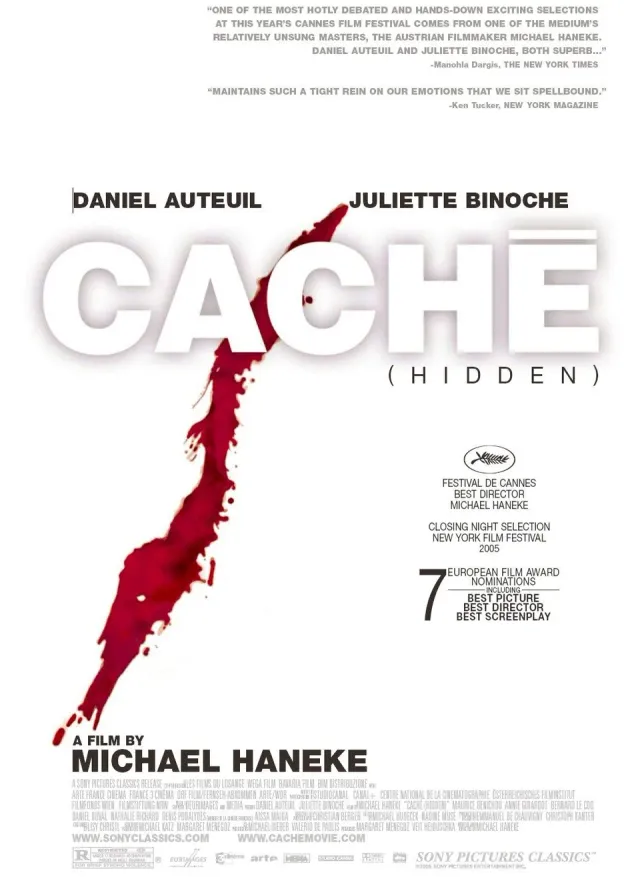
Anonymous images trigger a search that turns from identifying a watcher toward Georges's childhood harm and the colonial history he keeps outside his present account. The film links a private lie to the wider aftermath of the October 1961 massacre without explaining who sent the tapes.
Why this matches +
Apparently settled evidence becomes morally unstable when private loyalties or official power determine which account gets believed.
An adjacent discovery: a related idea with a different viewing experience.
Genres: Drama / Thriller
Shared film traits
Based on recorded story, mood and style. Your preferences can change the order.
Investigation
What changes Memories of Murder: measured and escalating. Caché: slow burn.
Georges and Anne receive anonymous recordings of their Paris home, accompanied by drawings that point toward Georges's childhood. His search leads back to Majid, an Algerian orphan whose family was likely lost in the 1961 Paris massacre, and to Georges's lie that helped keep the boy from his own family. The tapes never yield a stable explanation of who made them, but uncertainty about authorship does not make the historical injury or Georges's responsibility unreal. Haneke makes the viewer's position as watcher part of the pressure.
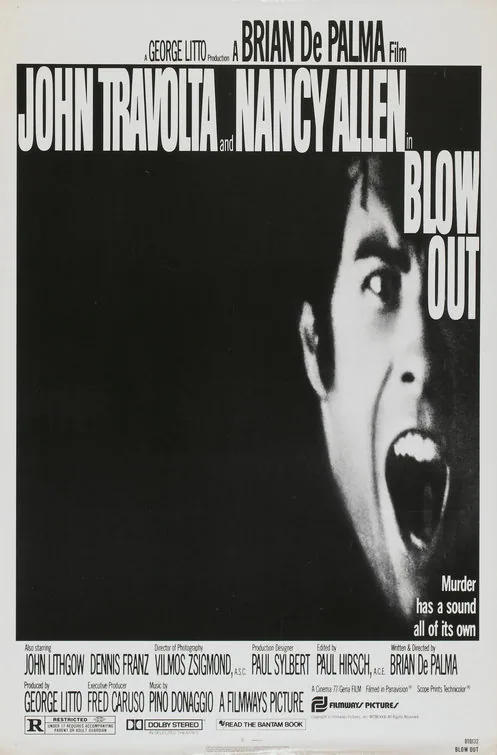
A sound recording leads Jack from routine film work into an investigation of an event powerful people want forgotten.
Why this matches +
Apparently settled evidence becomes morally unstable when private loyalties or official power determine which account gets believed.
An adjacent discovery: a related idea with a different viewing experience.
Genres: Thriller / Mystery
Shared film traits
Based on recorded story, mood and style. Your preferences can change the order.
Investigation
What changes Memories of Murder is tagged bleak and unsettling; Blow Out is tagged paranoid and tense.
Philadelphia sound technician Jack Terry records what seems to be a late-night accident while collecting effects for a film, then realizes his tape may document a politically consequential crime. He teams up with Sally, a witness whose photographs preserve another part of the event, and tries to connect the separate evidence before powerful interests can bury it, turning technical listening into a dangerous investigation.
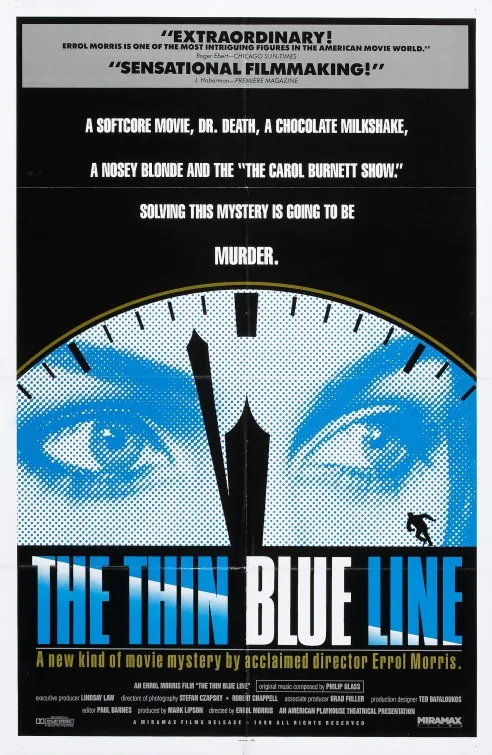
Adams’s account is weighed against Harris’s changing statements and the memories of people involved in the investigation.
Why this matches +
Apparently settled evidence becomes morally unstable when private loyalties or official power determine which account gets believed.
An adjacent discovery: a related idea with a different viewing experience.
Genres: Documentary / Crime
The approach A documentary treatment rather than a dramatic feature.
Shared film traits
Based on recorded story, mood and style. Your preferences can change the order.
Investigation
What changes Memories of Murder: measured and escalating. The Thin Blue Line: interview-driven inquiry, repeated reconstruction, accumulating contradictions and open evidentiary question.
Errol Morris reexamines the 1976 murder of Dallas police officer Robert Wood and the conviction of Randall Adams, a man sentenced to death for the crime. Through interviews with Adams, David Harris, police officers, lawyers and witnesses, the documentary tests how testimony and memory shaped the case. Stylized reenactments return to key moments from different angles, exposing contradictions without presenting a conventional omniscient reconstruction. Rather than relying on a narrator to settle every uncertainty, the film makes the viewer compare claims, motives and visual evidence. Its investigation asks how an official story becomes accepted and what can happen when courts, police and witnesses fail to question it. The result is both a true-crime inquiry and a study of the power of representation in the justice system.
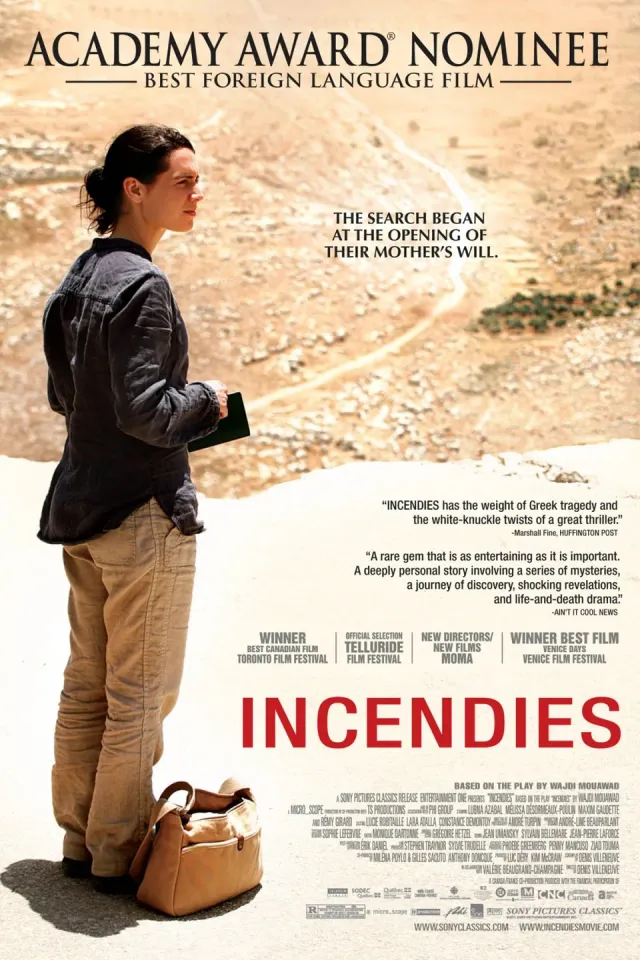
Twins follow their mother's final instructions into a past marked by war and concealed family history.
Why this matches +
Apparently settled evidence becomes morally unstable when private loyalties or official power determine which account gets believed.
An adjacent discovery: a related idea with a different viewing experience.
Genres: Drama / Mystery
Shared film traits
Based on recorded story, mood and style. Your preferences can change the order.
What changes Memories of Murder: measured and escalating. Incendies: interwoven and gradually revealing.
After their mother's death, twins Jeanne and Simon receive instructions from her will to find a father they thought was dead and a brother they never knew existed. Jeanne follows the clues to their mother's past in a country scarred by civil war, while the film gradually reconstructs the choices and violence that shaped the family. Denis Villeneuve's drama interweaves a present-day investigation with wartime history, making memory and inheritance difficult to separate.
A domestic arrangement produces a disputed incident whose interpretation threatens two families' futures.
Why this matches +
Apparently settled evidence becomes morally unstable when private loyalties or official power determine which account gets believed.
An adjacent discovery: a related idea with a different viewing experience.
Genres: Drama
Shared film traits
Based on recorded story, mood and style. Your preferences can change the order.
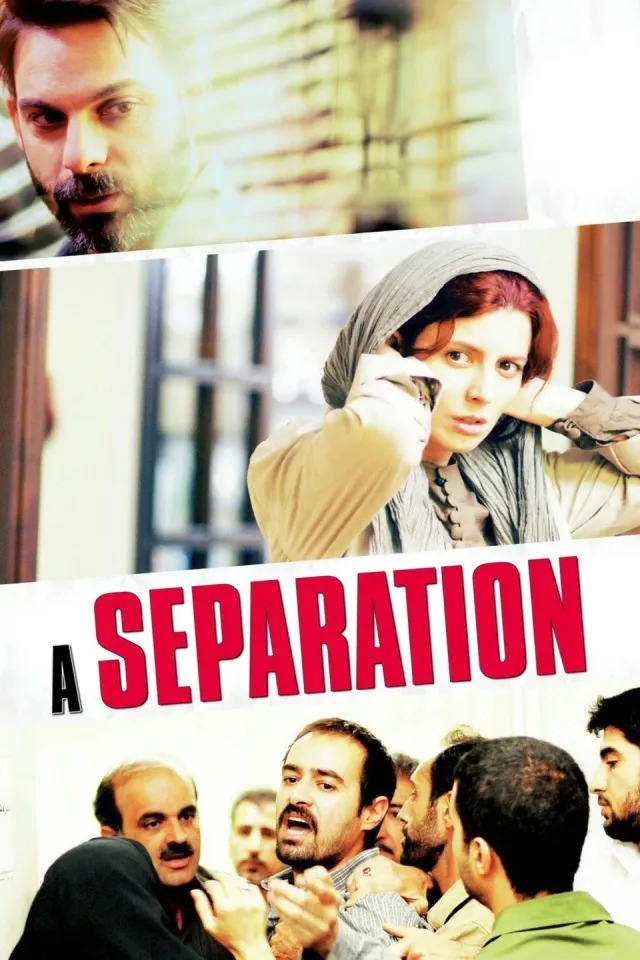
What changes Memories of Murder is tagged bleak and unsettling; A Separation is tagged tense and restrained.
A couple's disagreement about leaving Iran leads to a household separation and the hiring of a caregiver for an elderly father. An incident between the caregiver and the husband produces accusations whose consequences reach both families. Class, religious obligation and partial knowledge complicate every account, while a daughter is pressed to navigate loyalties that the adults cannot reconcile.
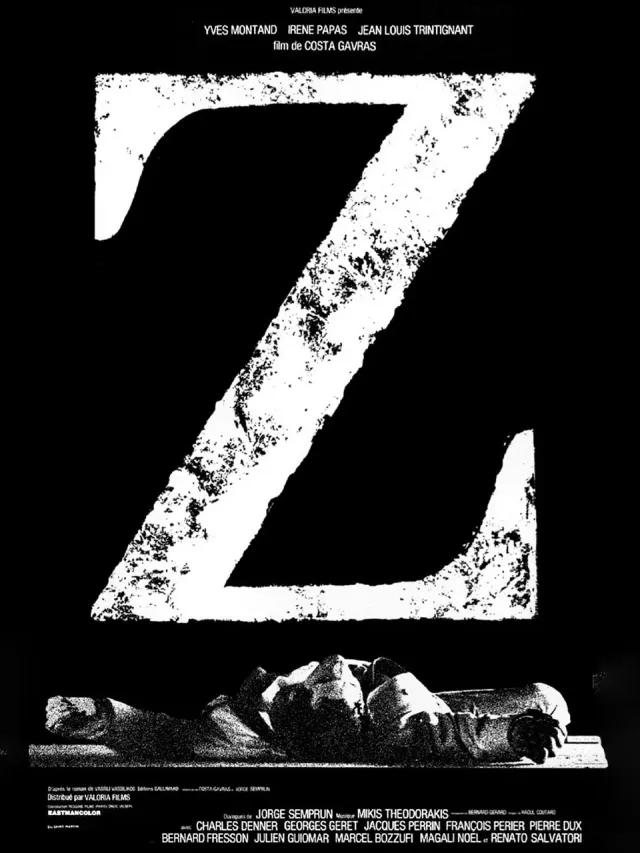
The murder investigation becomes a fight over whether evidence can survive the pressure of a state that wants the crime reduced to a private or accidental act.
Why this matches +
Apparently settled evidence becomes morally unstable when private loyalties or official power determine which account gets believed.
An adjacent discovery: a related idea with a different viewing experience.
Genres: Drama / Thriller
Shared film traits
Based on recorded story, mood and style. Your preferences can change the order.
Investigation
What changes Memories of Murder: measured and escalating. Z: rapid procedural build.
After a prominent Greek left-wing politician is attacked and dies following a public rally, a magistrate investigates the case despite pressure from officials who want it contained. Journalists and witnesses help expose the gap between the public account and the network of people who planned and concealed the violence. Costa-Gavras shapes the story as a political investigation, using an unnamed country and documentary-like urgency to connect individual testimony with institutional complicity. The title’s protest slogan becomes both a demand to remember the victim and a challenge to an attempted cover-up. Its reportorial momentum makes the investigation itself the chief source of suspense.
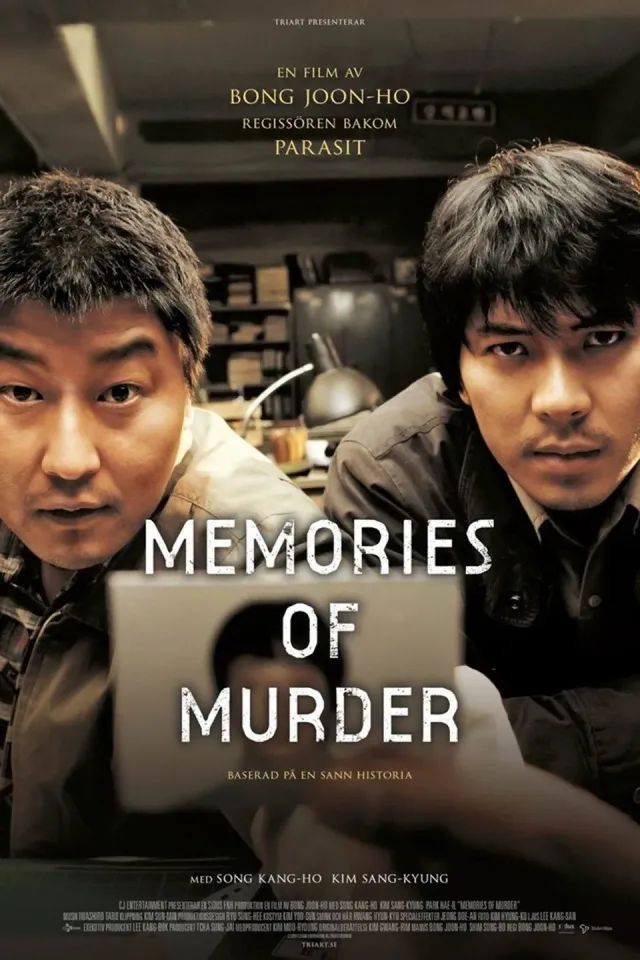
Detectives in a rural Korean district investigate a series of killings with limited forensic resources and deeply unreliable police practices. A visiting investigator's faith in evidence collides with local coercion, intuition and pressure for a quick arrest. Repeated failures erode their confidence as the search exposes both the victims' vulnerability and the institutions meant to protect them.
What drives the story
An elusive serial case tests methods that produce certainty more easily than reliable evidence.
The people at its centre
Local detectives and an outsider begin with opposing beliefs about policing and become altered by shared failure.
What it feels like
Awkward comedy, rain-soaked dread and frustration resist the reassurance of a tidy procedural.
Worth knowing
Its unresolved institutional anxiety matters more than the promise of a satisfying culprit reveal.
ObsessionInstitutional failureTruth
Mood
Bleak · Unsettling · Darkly humorous
Pacing
Measured · Escalating
Visual style
Grounded · Atmospheric
Storytelling
Procedural · Unsolved investigation · Character study