Both share themes of memory, plus an unsettling atmosphere.
Why this matches +
Genres: Mystery / Thriller
Shared film traits
Based on recorded story, mood and style. Your preferences can change the order.
Investigation · Memory and identity
Expect unsettling and mysterious, with slow burn pacing.
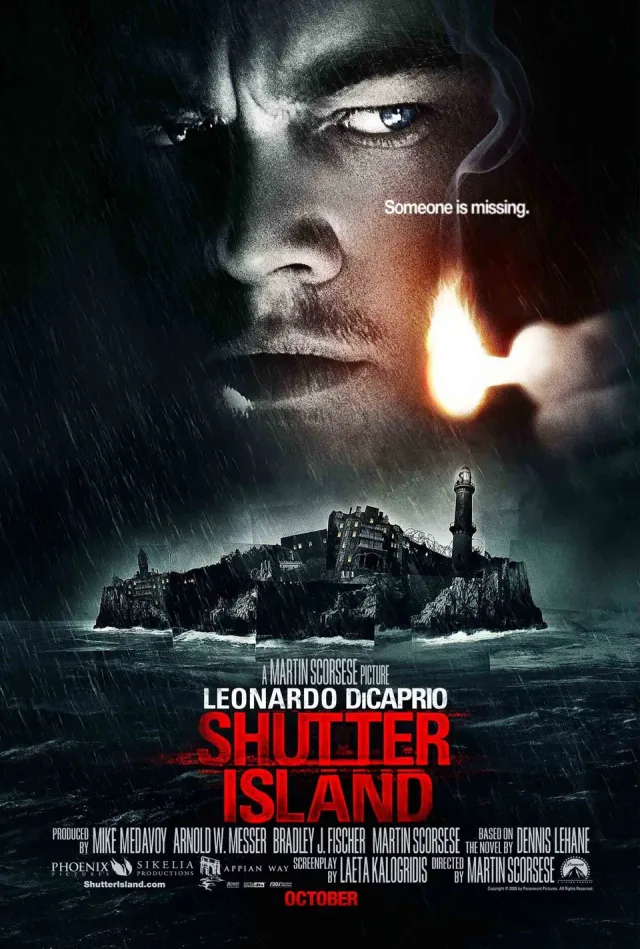
Two federal marshals arrive at an isolated psychiatric institution to investigate the disappearance of a patient from a locked ward. A storm cuts off ordinary routes of departure as evasive staff and disturbing experiences intensify the lead investigator's suspicion. Memories of wartime atrocity and family loss enter his account of the case, making the effort to expose institutional deception increasingly inseparable from the reliability of his own perception.
Based on recorded story, mood and style. Your preferences can change the order.
Memory and identity
What changes Caché: slow burn. We Need to Talk About Kevin: nonlinear and measured.
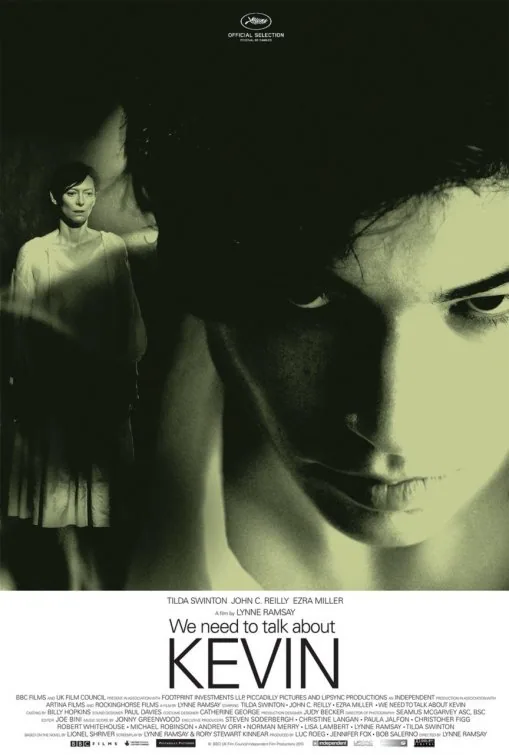
Eva tries to understand how her relationship with her son Kevin reached a devastating point, revisiting fragments of family life and the public aftermath of an act of violence. The story moves between memory, guilt and the strained routines of Eva's present, withholding easy explanations about nature, nurture or responsibility. Lynne Ramsay's adaptation uses images and sound to make recollection feel unstable and emotionally charged.
Both centre on concealed violence and identity investigation.
Why this matches +
Genres: Crime / Drama
Shared film traits
Based on recorded story, mood and style. Your preferences can change the order.
Investigation
What changes Caché: slow burn. The Girl with the Dragon Tattoo: clue accumulation and violent confrontation.
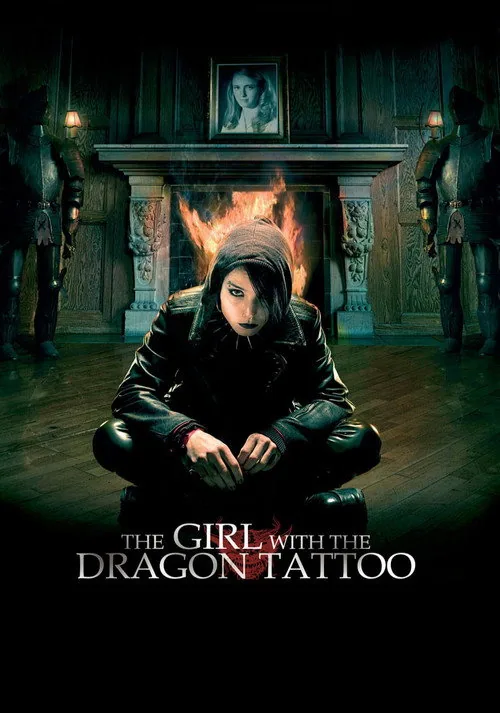
Journalist Mikael Blomkvist is hired by an aging industrialist to investigate the disappearance of his niece Harriet decades earlier. He joins forces with Lisbeth Salander, a brilliant researcher whose own abusive guardian has made her deeply wary of institutions and control. The investigation uncovers a pattern of violence within the family and gives Lisbeth’s technical skill and personal history equal weight in the search. David Fincher’s adaptation makes the case a bleak northern noir about the persistence of abuse, the limits of justice and two outsiders whose collaboration is based on competence rather than easy trust.
Both centre on conflicting testimony and identity investigation.
Why this matches +
Genres: Science fiction / Thriller
Shared film traits
Based on recorded story, mood and style. Your preferences can change the order.
Investigation · Memory and identity
What changes Caché: slow burn. The Forgotten: escalating and uncertain.
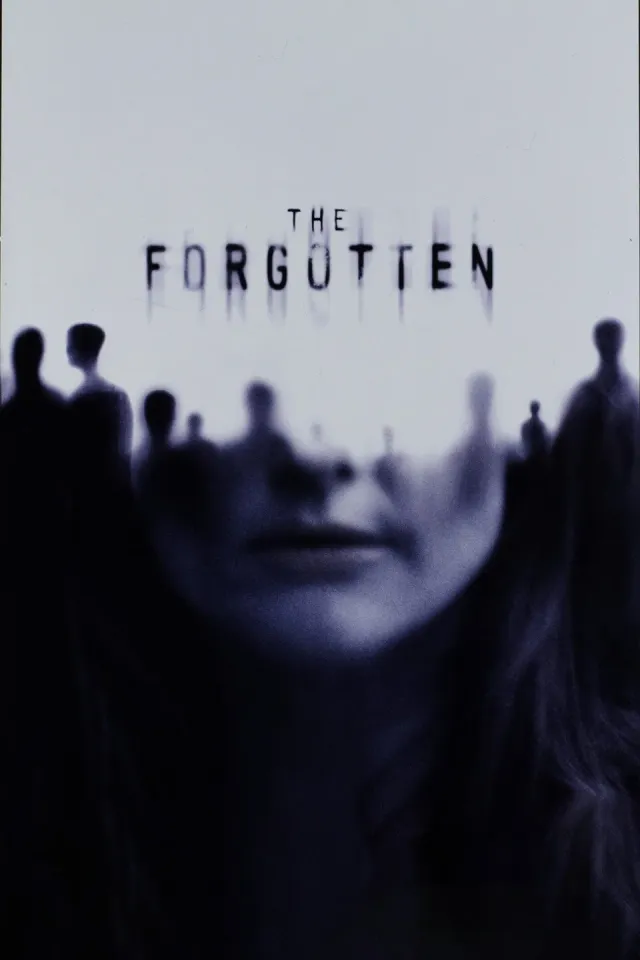
A grieving mother insists that her young son existed and died in a plane crash, but the people around her begin to deny that he was ever part of their lives. As she searches for proof, another parent with a similar experience becomes an uneasy ally. The thriller makes bereavement and memory part of a larger mystery, sustaining uncertainty about what is happening rather than treating every loss of evidence as a simple clue.
Both centre on conflicting testimony and identity investigation.
Why this matches +
Genres: Drama / Mystery
Shared film traits
Based on recorded story, mood and style. Your preferences can change the order.
Memory and identity
What changes Caché: slow burn. Incendies: interwoven and gradually revealing.
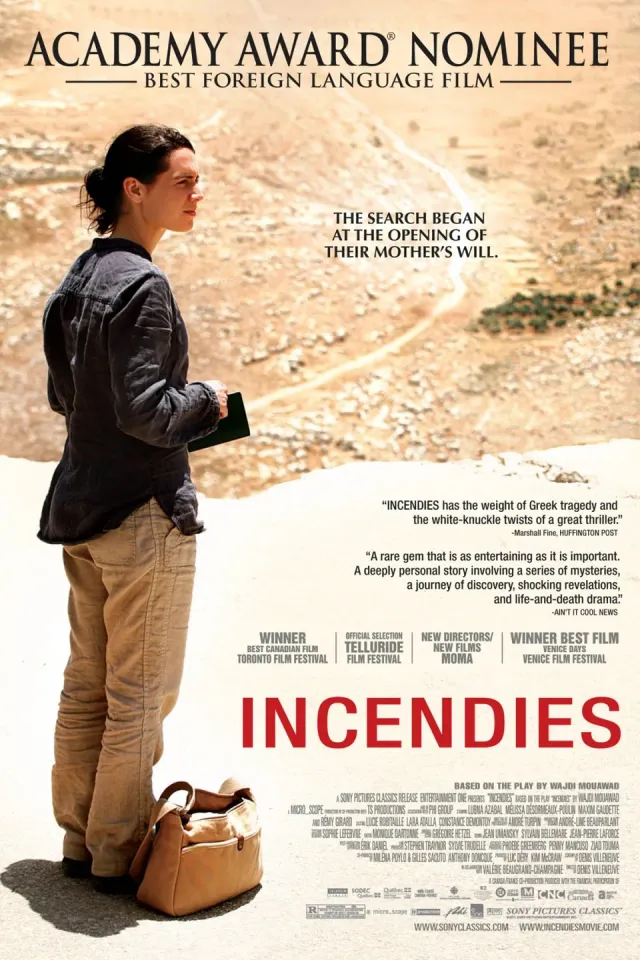
After their mother's death, twins Jeanne and Simon receive instructions from her will to find a father they thought was dead and a brother they never knew existed. Jeanne follows the clues to their mother's past in a country scarred by civil war, while the film gradually reconstructs the choices and violence that shaped the family. Denis Villeneuve's drama interweaves a present-day investigation with wartime history, making memory and inheritance difficult to separate.
Based on recorded story, mood and style. Your preferences can change the order.
Investigation · Memory and identity
What changes Caché: slow burn. The Girl with the Dragon Tattoo: procedural accumulation into danger.
Disgraced journalist Mikael Blomkvist is hired by the Vanger family to investigate the disappearance of Harriet, a young woman missing since 1966. Hacker Lisbeth Salander independently examines Mikael before joining him in tracing a trail of names, numbers, and unsolved murders. As their inquiry reaches into a wealthy family’s history, Lisbeth’s own fight for safety and autonomy runs alongside the central mystery. The Swedish thriller combines methodical clue work with disturbing material about abuse and misogyny.
Both centre on conflicting testimony and identity investigation.
Why this matches +
Genres: Drama / Mystery
Shared film traits
Based on recorded story, mood and style. Your preferences can change the order.
Investigation
What changes Caché: slow burn. Blowup: slow.
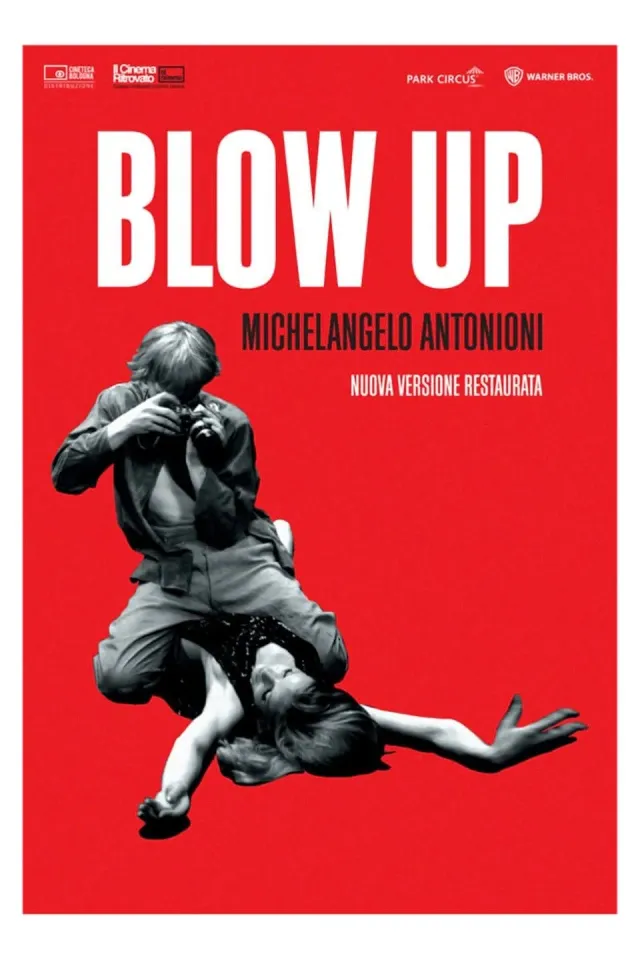
A fashion photographer follows a couple through a London park and later enlarges his pictures until he suspects they record a killing. Each crop seems to sharpen a detail while loosening the connection between image and event; a possible body and the prints themselves then disappear. His professional habit of turning people into subjects gives him no authority over what the encounter meant or how others receive his evidence. The investigation tests whether looking closely can ever amount to possessing the truth. In the final tennis sequence, the audience is asked to sustain the same unstable act of seeing.
Based on recorded story, mood and style. Your preferences can change the order.
Investigation
What changes Caché: slow burn. Anatomy of a Fall: measured.
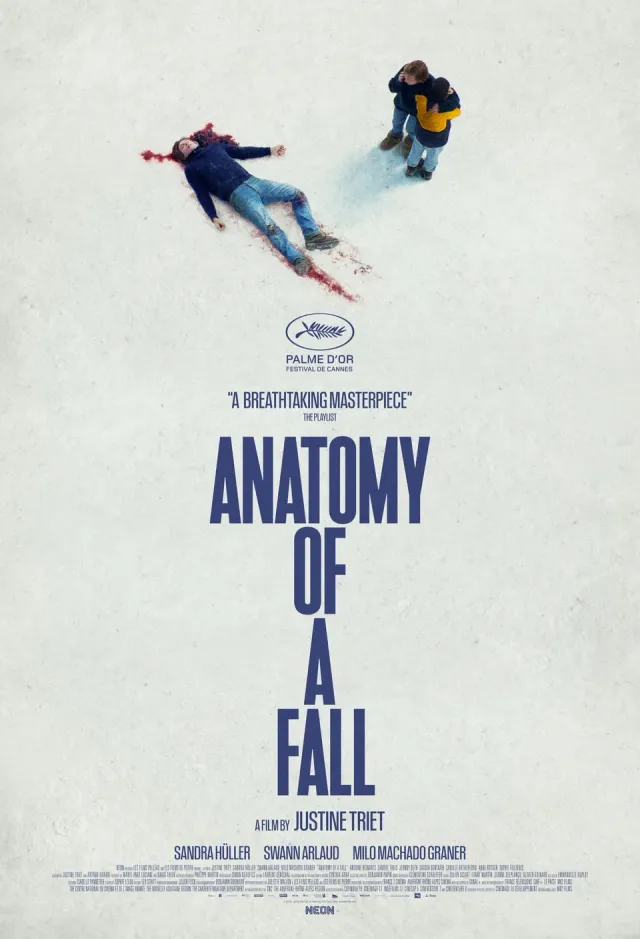
When writer Samuel is found dead outside the family's remote Alpine home, the police question whether he fell, died by suicide or was killed, and his wife Sandra becomes the main suspect. Their son Daniel, who is visually impaired, is drawn into a trial that turns private conversations, recorded arguments and the couple's uneven marriage into public evidence. Translation and interpretation complicate what witnesses can claim to know. The film lets the courtroom organize competing stories without making one account settle the death, so its suspense comes from judgment under uncertainty as much as from the mystery.
Based on recorded story, mood and style. Your preferences can change the order.
Investigation · Memory and identity
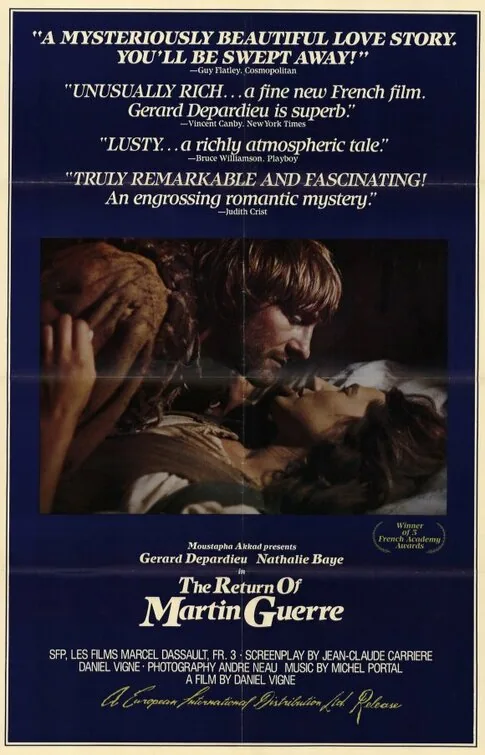
What changes Caché: slow burn. The Return of Martin Guerre: patient setup, evidence accumulates, trial-centered progression and late decisive testimony.
In sixteenth-century France, Martin Guerre leaves his wife Bertrande and their village to fight in a war. Years later, a man returns claiming to be Martin and is welcomed because he knows the household’s history and private details. Doubts surface when strangers identify him as Arnaud du Tilh, and a dispute over money with Martin’s uncle turns suspicion into a public trial. Bertrande’s testimony becomes pivotal as the community weighs memory and intimacy against reputation, kinship and legal evidence. The case travels to a higher court, where the returned husband’s identity carries consequences for the couple, their child and the village that accepted him.
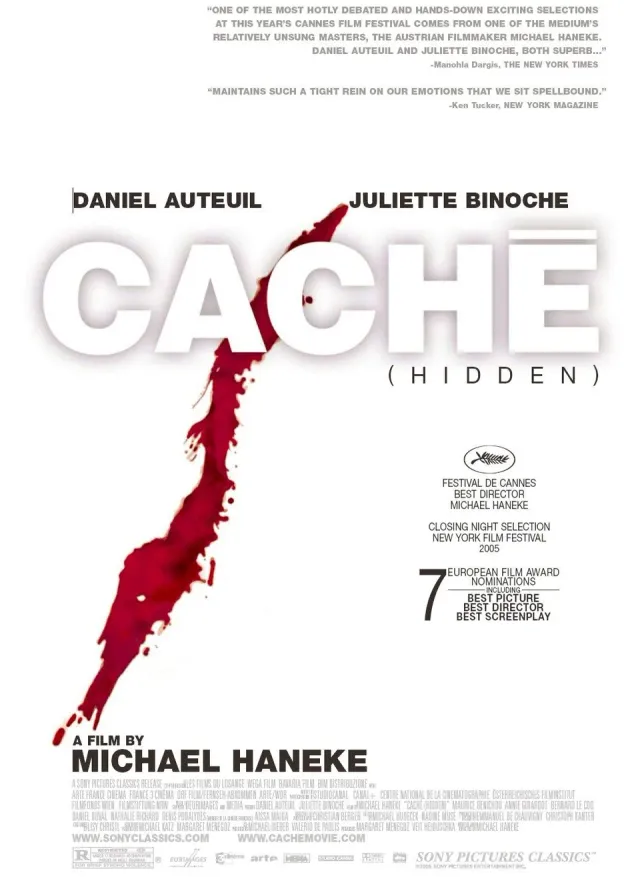
Georges and Anne receive anonymous recordings of their Paris home, accompanied by drawings that point toward Georges's childhood. His search leads back to Majid, an Algerian orphan whose family was likely lost in the 1961 Paris massacre, and to Georges's lie that helped keep the boy from his own family. The tapes never yield a stable explanation of who made them, but uncertainty about authorship does not make the historical injury or Georges's responsibility unreal. Haneke makes the viewer's position as watcher part of the pressure.
What drives the story
Anonymous images trigger a search that turns from identifying a watcher toward Georges's childhood harm and the colonial history he keeps outside his present account. The film links a private lie to the wider aftermath of the October 1961 massacre without explaining who sent the tapes.
The people at its centre
Georges controls what he tells Anne and treats Majid's past as settled, while their unequal social positions let one man avoid consequences the other cannot escape. Anne's questions expose how little Georges's account includes her in his past.
What it feels like
Static frames, long takes and uncertain boundaries between surveillance images and film scenes implicate the audience without supplying a culprit reveal. The opening first asks viewers to inspect what appears to be an ordinary shot.
Worth knowing
Compare unresolved surveillance with a specific history of exclusion and responsibility. Uncertainty about the tapes' author does not erase the colonial history or Georges's role in Majid's childhood.