Explore films connected to The Return of Martin Guerre through Identity and memory, Marriage and trust, Evidence and belief. Choose the qualities you want to carry into your next watch.
What should feel similar?
Find your next favourite
9 films · Closest overall matches
Hide films you’ve seen or don’t want. Saved on this device.
No matches for this combination yet.
Try another option or reset your choices to see more films.
Based on recorded story, mood and style. Your preferences can change the order.
What changes The Return of Martin Guerre: patient setup, evidence accumulates, trial-centered progression and late decisive testimony. The Last Duel: three-part and escalating.
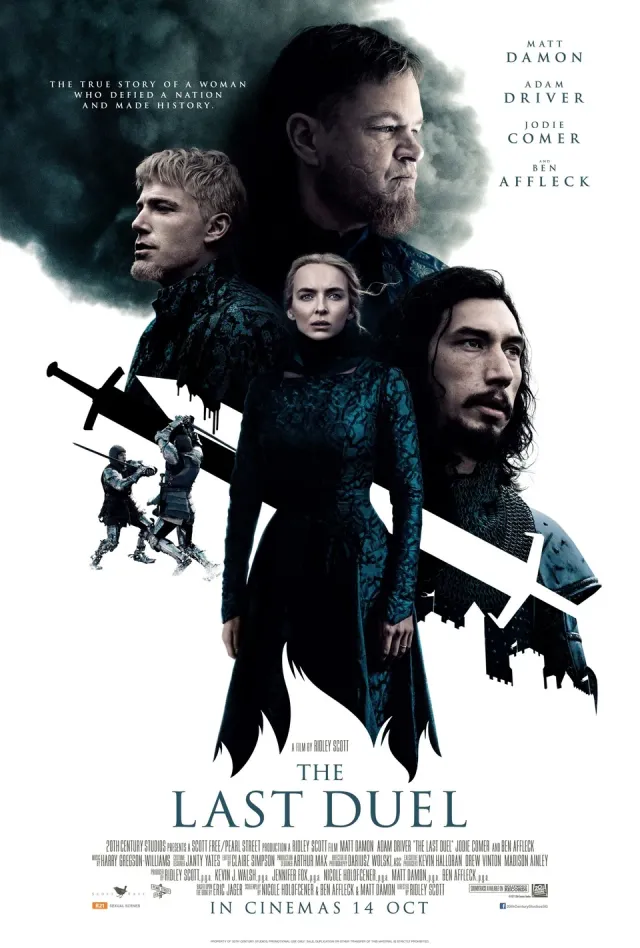
In medieval France, Jean de Carrouges accuses Jacques Le Gris of assaulting his wife Marguerite, and the claim is brought before the king. The film retells the events through three perspectives, revealing where memory, status and self-justification reshape the same encounters. As legal and social institutions fail to offer Marguerite a safe hearing, the impending duel becomes both a public judgment and a violent test of whose account will be believed.
Based on recorded story, mood and style. Your preferences can change the order.
Investigation · Memory and identity
What changes The Return of Martin Guerre: patient setup, evidence accumulates, trial-centered progression and late decisive testimony. The Woman in Gold: alternates between courtroom progress and past events.
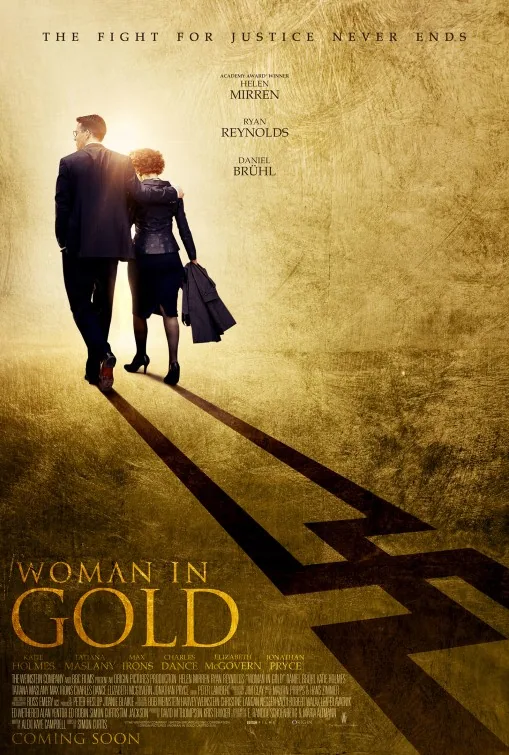
An older Austrian-American woman takes the Austrian government to court over a Gustav Klimt portrait stolen from her family during the Nazi era. With a young lawyer, she pursues restitution while revisiting the history of displacement and loss that shaped her life. The legal drama links a public property dispute to memory, cultural inheritance and the difficulty of asking institutions to recognize past injustice.
Based on recorded story, mood and style. Your preferences can change the order.
What changes The Return of Martin Guerre: patient setup, evidence accumulates, trial-centered progression and late decisive testimony. Total Eclipse: episodic and relationship-driven.
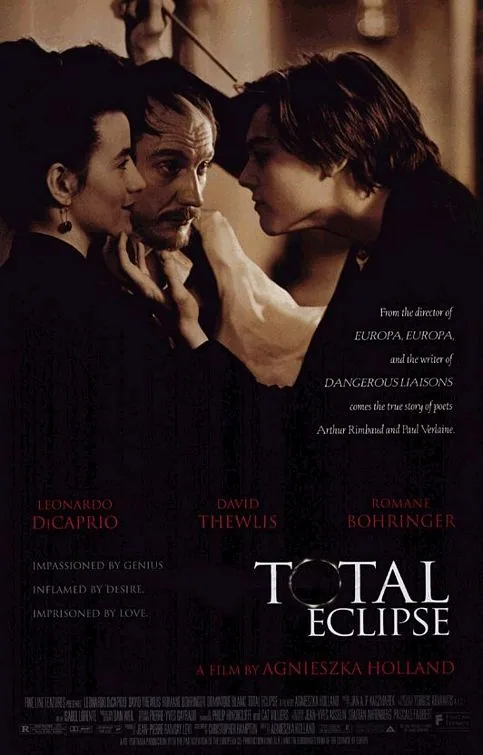
In late nineteenth-century France, established poet Paul Verlaine becomes fascinated by the teenage Arthur Rimbaud, whose writing and defiant behavior disrupt his domestic life. Verlaine invites Rimbaud into his household and artistic circle, drawing both men into an intense relationship marked by dependence, attraction and escalating conflict. Verlaine’s wife Mathilde is left to manage the consequences of his choices, while the poets’ movement through Europe changes their work and their sense of self. The film is a dramatized biographical romance, not a documentary account of every disputed detail of their lives. The film also follows what Verlaine’s obsession costs his wife Mathilde and their child, rather than treating the affair as private romance alone.
Based on recorded story, mood and style. Your preferences can change the order.
Memory and identity · Social hierarchy
What changes The Return of Martin Guerre: patient setup, evidence accumulates, trial-centered progression and late decisive testimony. Saint Omer: deliberate, dialogue-led, observational and open-ended.
Rama, a novelist and literature professor, travels from Paris to observe the trial of Laurence Coly, a Senegalese student charged in the death of her infant daughter. As the court hears testimony, Rama’s own pregnancy and relationship with her mother make the proceedings increasingly personal. Alice Diop’s drama attends to language, listening and the distance between legal judgment and the histories of isolation that a courtroom can expose.
Based on recorded story, mood and style. Your preferences can change the order.
Investigation
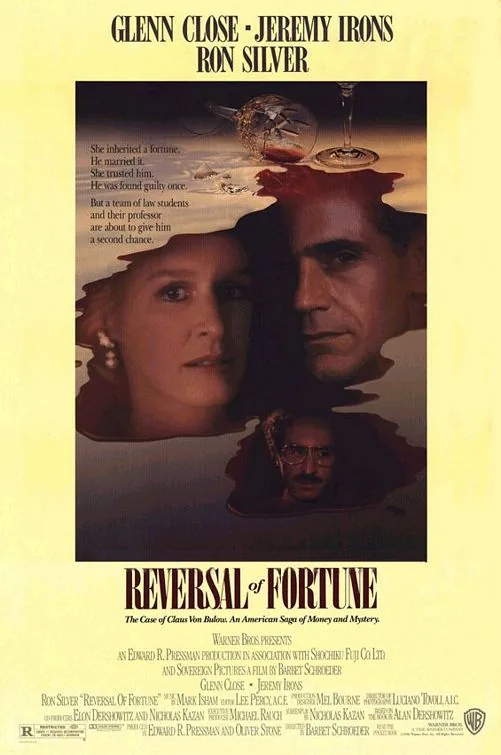
What changes The Return of Martin Guerre: patient setup, evidence accumulates, trial-centered progression and late decisive testimony. Reversal of Fortune: procedural legal argument accumulates through interviews and evidence.
After socialite Sunny von Bülow falls into a coma, her husband Claus is convicted of trying to kill her. He hires Harvard law professor Alan Dershowitz to challenge the conviction, and the defense team examines the evidence, family history and competing accounts of what happened. The courtroom drama treats legal argument as a search for truth under uncertainty rather than a simple detective puzzle.
Based on recorded story, mood and style. Your preferences can change the order.
Investigation
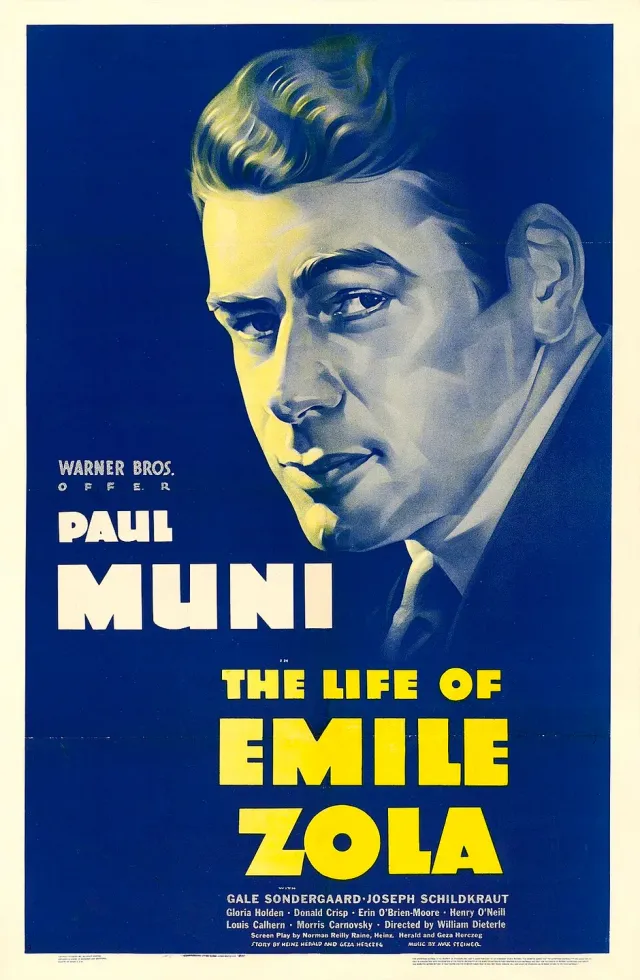
What changes The Return of Martin Guerre: patient setup, evidence accumulates, trial-centered progression and late decisive testimony. The Life of Emile Zola: career-to-courtroom structure and legal climax.
The film follows Émile Zola from financial hardship and bohemian writing circles to literary fame, then to his intervention in the wrongful conviction of Captain Alfred Dreyfus. Zola initially builds his career alongside painter Paul Cézanne, but success brings different paths; when evidence points to antisemitic injustice in the French military, the writer risks prosecution by publishing an open letter defending Dreyfus. The court case turns a literary biography into a courtroom and conscience drama, asking what a public figure owes to truth once comfortable success is at stake. Its studio-era account celebrates Zola’s courage but substantially simplifies the antisemitism at the heart of the Dreyfus Affair.
Based on recorded story, mood and style. Your preferences can change the order.
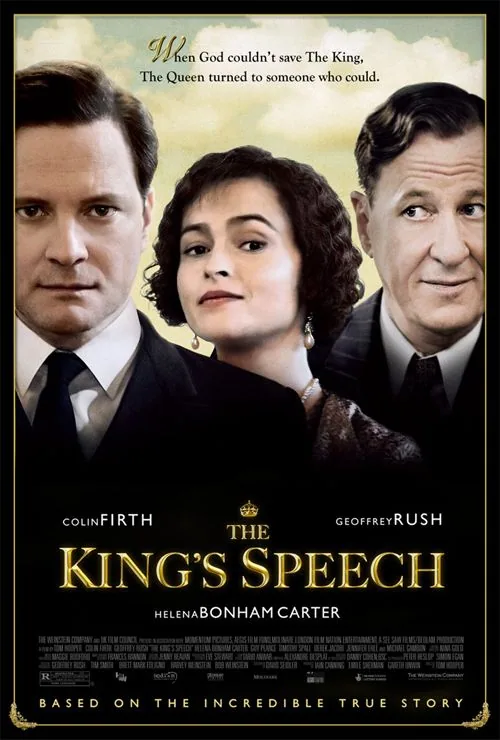
What changes The Return of Martin Guerre: patient setup, evidence accumulates, trial-centered progression and late decisive testimony. The King's Speech: measured.
A British prince whose stammer makes public speaking painful seeks assistance from an unconventional practitioner who refuses the usual deference to royalty. Family tensions and a constitutional crisis unexpectedly place him on the throne as war approaches. Preparing to address the country requires more than a technique for individual words: he must negotiate trust, shame and the possibility of relying on a relationship that court expectations regard as unequal.
Based on recorded story, mood and style. Your preferences can change the order.
Investigation · Memory and identity
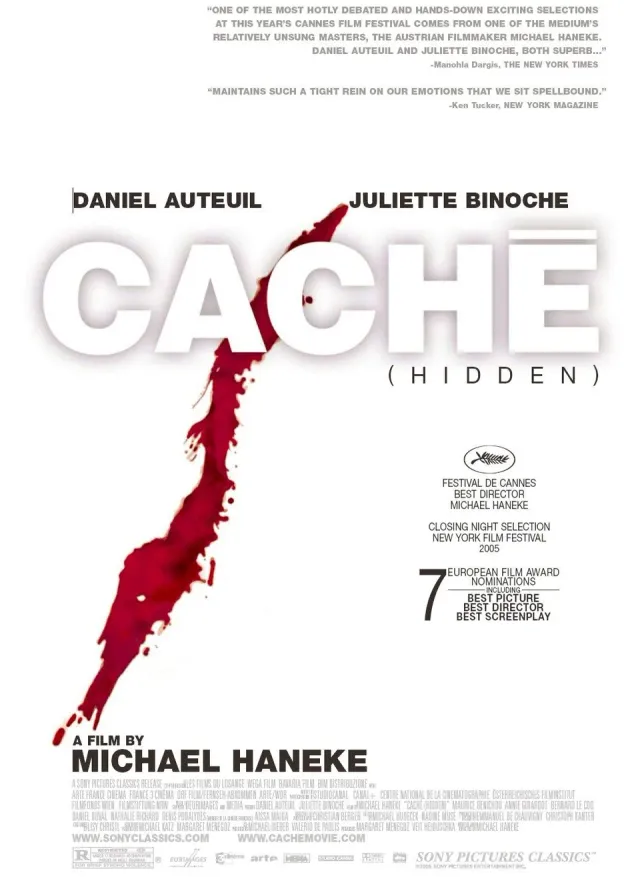
What changes The Return of Martin Guerre: patient setup, evidence accumulates, trial-centered progression and late decisive testimony. Caché: slow burn.
Georges and Anne receive anonymous recordings of their Paris home, accompanied by drawings that point toward Georges's childhood. His search leads back to Majid, an Algerian orphan whose family was likely lost in the 1961 Paris massacre, and to Georges's lie that helped keep the boy from his own family. The tapes never yield a stable explanation of who made them, but uncertainty about authorship does not make the historical injury or Georges's responsibility unreal. Haneke makes the viewer's position as watcher part of the pressure.
Based on recorded story, mood and style. Your preferences can change the order.
What changes The Return of Martin Guerre: patient setup, evidence accumulates, trial-centered progression and late decisive testimony. Papillon: a falsely convicted safecracker forms an alliance with another prisoner while trying to escape a brutal penal colony..
Henri Charrière, nicknamed Papillon, is convicted of a murder he says he did not commit and transported to the French Guiana penal colony. On the voyage he befriends Louis Dega, a counterfeiter who can help finance escape attempts. Their bond is tested through brutal confinement, solitary punishment, failed plans, and years of adaptation to prison life. Michael Noer’s English-language adaptation of Charrière’s memoir and the 1973 film focuses on endurance and the changing relationship between two prisoners determined to remain free.
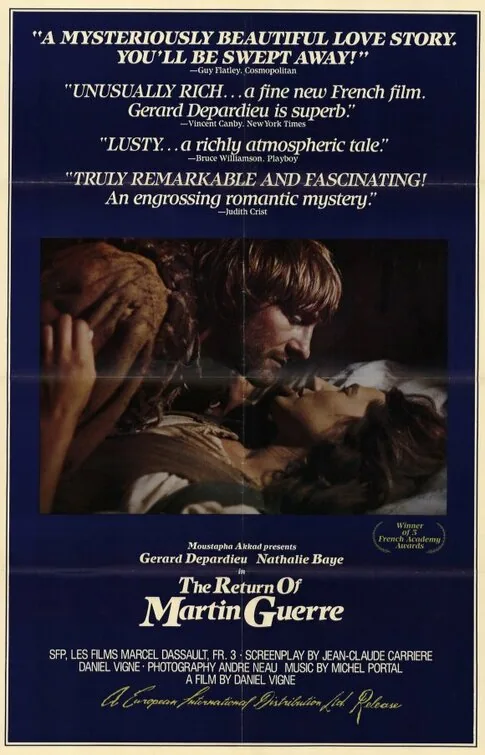
In sixteenth-century France, Martin Guerre leaves his wife Bertrande and their village to fight in a war. Years later, a man returns claiming to be Martin and is welcomed because he knows the household’s history and private details. Doubts surface when strangers identify him as Arnaud du Tilh, and a dispute over money with Martin’s uncle turns suspicion into a public trial. Bertrande’s testimony becomes pivotal as the community weighs memory and intimacy against reputation, kinship and legal evidence. The case travels to a higher court, where the returned husband’s identity carries consequences for the couple, their child and the village that accepted him.
What drives the story
The returning husband’s familiarity with private life makes recognition persuasive before competing accounts begin to fracture it.
The people at its centre
Bertrande’s loyalty is personal and consequential, while relatives and villagers have reasons to question the claim.
What it feels like
Gestures, testimony and community memory carry the suspense instead of spectacle or action.
Worth knowing
This is a historical identity drama about testimony and belonging, not a modern forensic mystery with a neutral observer.
Identity and memoryMarriage and trustEvidence and belief