Explore films connected to Total Eclipse through artistic obsession, desire, power imbalance. Choose the qualities you want to carry into your next watch.
What should feel similar?
Find your next favourite
9 films · Closest overall matches
Hide films you’ve seen or don’t want. Saved on this device.
No matches for this combination yet.
Try another option or reset your choices to see more films.
Both centre on intimacy under pressure and coercive partnership.
Why this matches +
Genres: Drama
Shared film traits
Based on recorded story, mood and style. Your preferences can change the order.
What changes Total Eclipse: episodic and relationship-driven. Who's Afraid of Virginia Woolf?: single-night escalation and dialogue-driven.
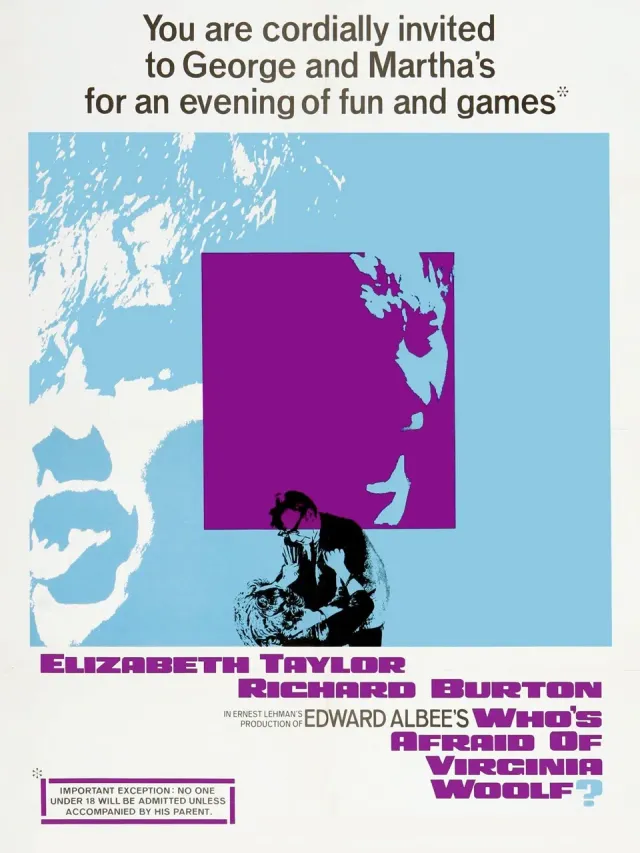
Late at night, college professor George and his wife Martha return home from a faculty gathering with younger professor Nick and his wife Honey. What begins as tense social conversation becomes a series of increasingly cruel games in which the hosts expose one another’s resentments and draw their guests into the conflict. The confined setting turns talk into the film’s main action: each revelation changes who has control and what the younger couple thinks they understand. Mike Nichols adapts Edward Albee’s play with its theatrical structure and language intact. Each game recruits Nick and Honey into the conflict, and its rules keep shifting. The guests gradually question how much of their own marriage they have shown.
Based on recorded story, mood and style. Your preferences can change the order.
What changes Total Eclipse: episodic and relationship-driven. The Return of Martin Guerre: patient setup, evidence accumulates, trial-centered progression and late decisive testimony.
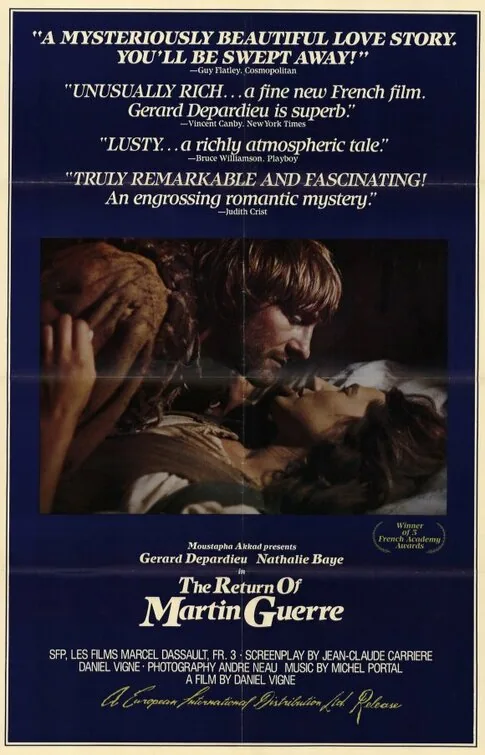
In sixteenth-century France, Martin Guerre leaves his wife Bertrande and their village to fight in a war. Years later, a man returns claiming to be Martin and is welcomed because he knows the household’s history and private details. Doubts surface when strangers identify him as Arnaud du Tilh, and a dispute over money with Martin’s uncle turns suspicion into a public trial. Bertrande’s testimony becomes pivotal as the community weighs memory and intimacy against reputation, kinship and legal evidence. The case travels to a higher court, where the returned husband’s identity carries consequences for the couple, their child and the village that accepted him.
Both centre on intimacy under pressure and coercive partnership.
Why this matches +
Genres: Drama
Shared film traits
Based on recorded story, mood and style. Your preferences can change the order.
What changes Total Eclipse: episodic and relationship-driven. Last Tango in Paris: measured and escalating.
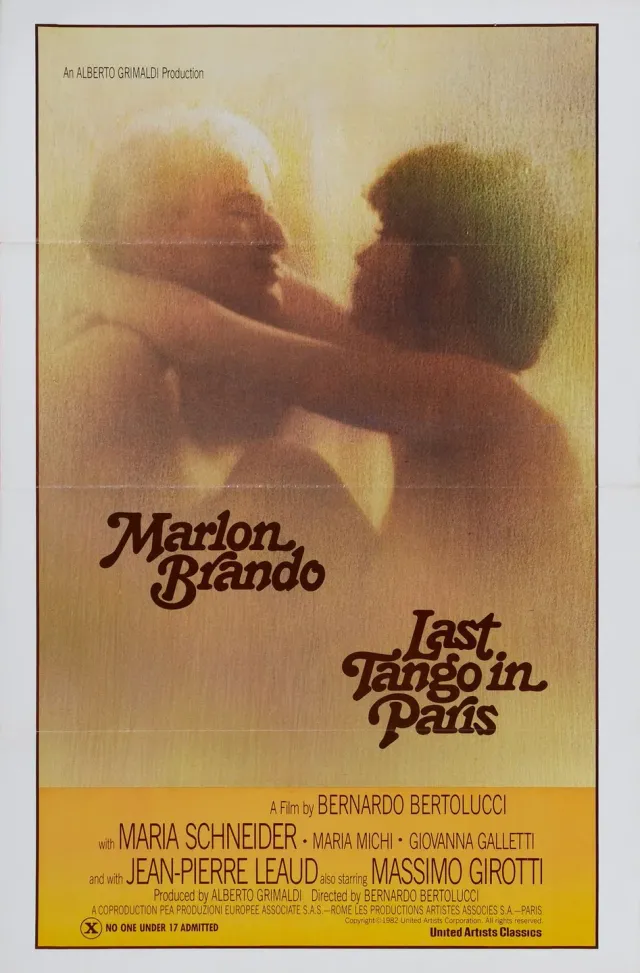
In 1970s Paris, Paul and Jeanne begin an anonymous sexual arrangement inside an apartment while each keeps a life outside it. Their pact promises intimacy without names or personal histories, but Paul’s grief and Jeanne’s engagement make its terms increasingly unequal. The film depicts rape and emotional coercion as part of their encounters; its transgressive style does not make those acts consensual. Production history adds a separate, carefully bounded issue: Bertolucci later said Schneider had not been told about the butter element before filming, while the scene’s simulated assault was scripted. The distinction between what occurs on screen and how the scene was made matters. Neither the film’s aesthetic reputation nor the director’s later account should romanticize the violence or overstate the production facts.
Based on recorded story, mood and style. Your preferences can change the order.
Music and performance
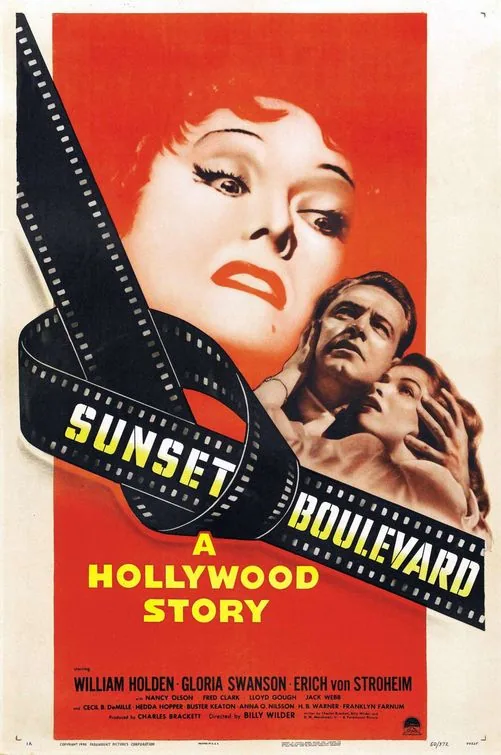
What changes Total Eclipse: episodic and relationship-driven. Sunset Boulevard: measured.
A struggling Hollywood screenwriter takes refuge in the mansion of a former silent-film star who believes her return to prominence is imminent. Agreeing to revise her screenplay gives him financial security at the cost of increasing dependence on her emotional demands and carefully maintained illusions. As another professional relationship offers creative and romantic possibility, the arrangement turns into a contest over control, humiliation and the refusal to accept time's passage.
Based on recorded story, mood and style. Your preferences can change the order.
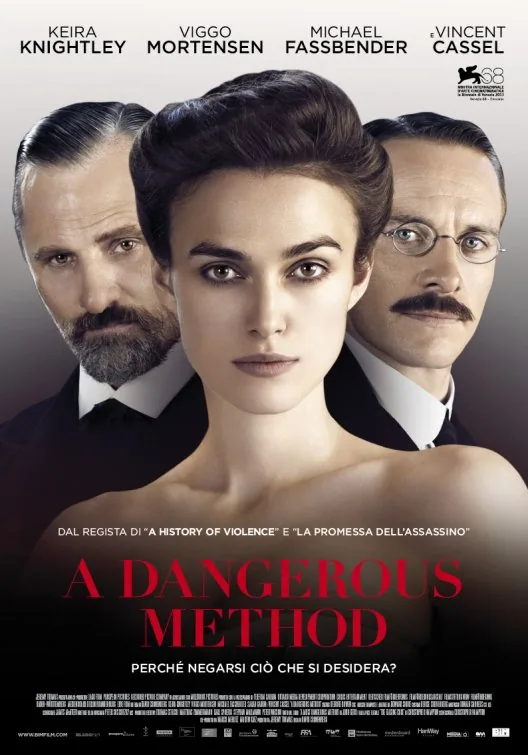
What changes Total Eclipse: episodic and relationship-driven. A Dangerous Method: measured.
A young woman enters psychiatric treatment under Carl Jung and becomes both an intellectual contributor and an intimate disruption in his life. Jung's relationship with Sigmund Freud initially offers a framework for exploring the mind, but professional disagreements and private desire strain their alliance. The film follows the overlap of therapeutic authority, sexual transgression, and competing ambitions during an early period of psychoanalysis.
Based on recorded story, mood and style. Your preferences can change the order.
Music and performance
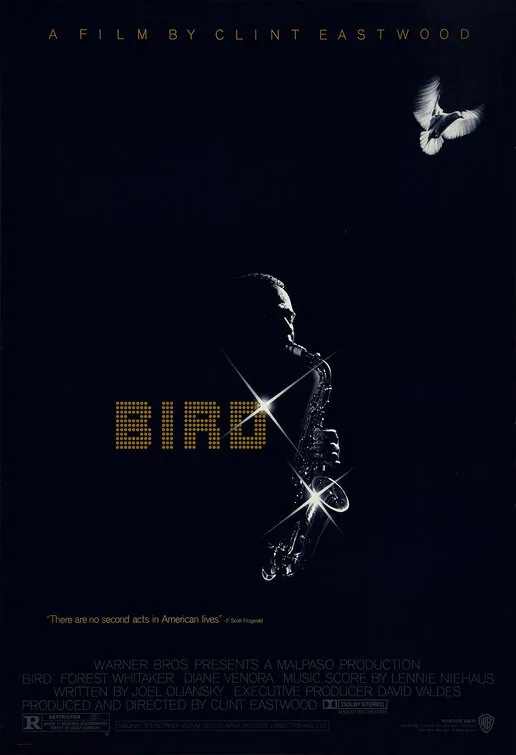
What changes Total Eclipse: episodic and relationship-driven. Bird: nonlinear biographical portrait, recurring musical passages and memory-led transitions.
The film follows jazz saxophonist Charlie Parker from his early Kansas City performances into the New York bebop scene and his turbulent life with Chan Parker. Success brings periods of exhilaration and collapse, while drug and alcohol dependence repeatedly interrupts his playing and relationships. Chan helps reconnect him with work and family life, but Parker’s health and artistic drive remain difficult to separate. Told through shifting memories and music, the portrait moves between performance, intimacy and breakdown, framing bebop as a creative revolution carried by a life under strain.
Based on recorded story, mood and style. Your preferences can change the order.
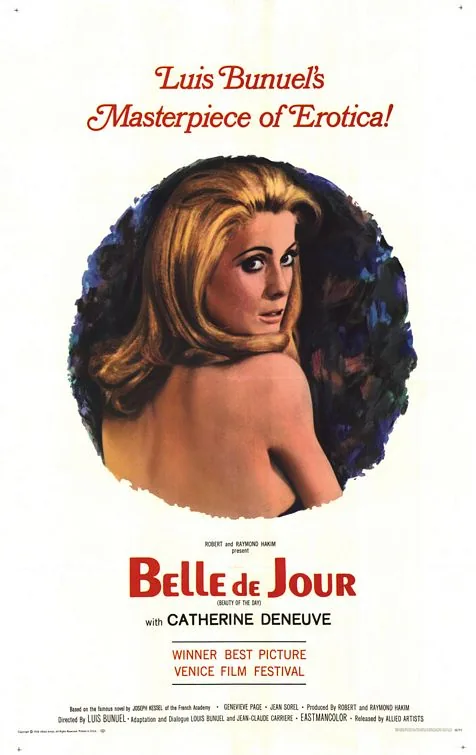
What changes Total Eclipse: episodic and relationship-driven. Belle de Jour: measured.
Séverine, married to the attentive but emotionally distant Pierre, begins working afternoons at a discreet Paris brothel under the name Belle de Jour. The arrangement gives her a private space for sexual fantasy and choice, but the boundaries between work, marriage, humiliation and danger do not stay neatly divided. Clients and coworkers bring unequal power into a life Séverine initially treats as compartmentalized. Buñuel's controlled images and sudden dream episodes leave the status of some events uncertain, resisting both a simple moral punishment and a single clinical explanation of her desire.
Based on recorded story, mood and style. Your preferences can change the order.
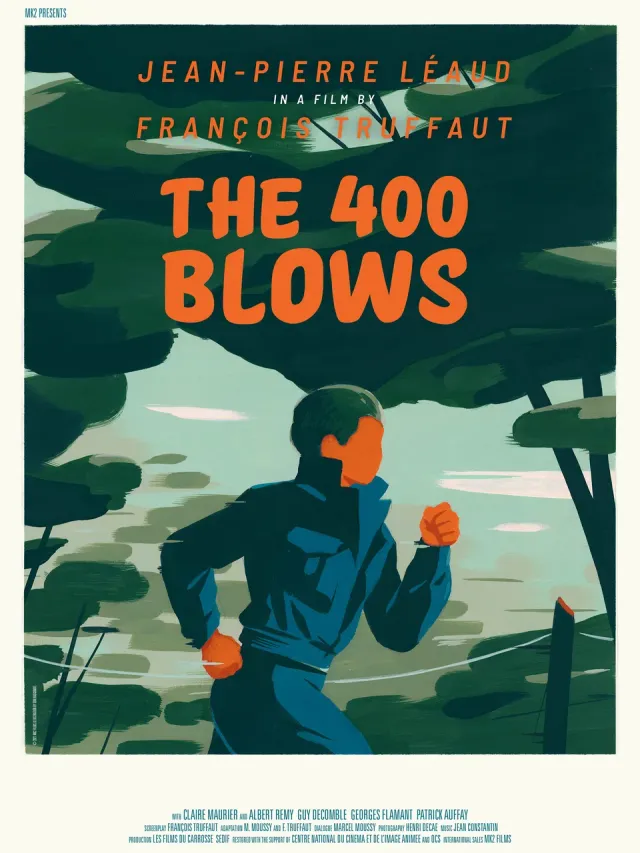
What changes Total Eclipse: episodic and relationship-driven. The 400 Blows: observational episodes and open-ended finish.
Antoine Doinel grows up in Paris feeling unwanted at home and misunderstood at school. Small acts of defiance, including truancy and a failed attempt to sell a stolen typewriter, draw him deeper into conflict with the adults who supervise him. His parents send him to a youth observation center, where a rare interview lets him speak about his life without interruption. Antoine escapes and runs toward the sea he has never seen, ending the film alone at the shoreline. The story follows a child's search for space and recognition rather than a neat reform narrative.
Based on recorded story, mood and style. Your preferences can change the order.
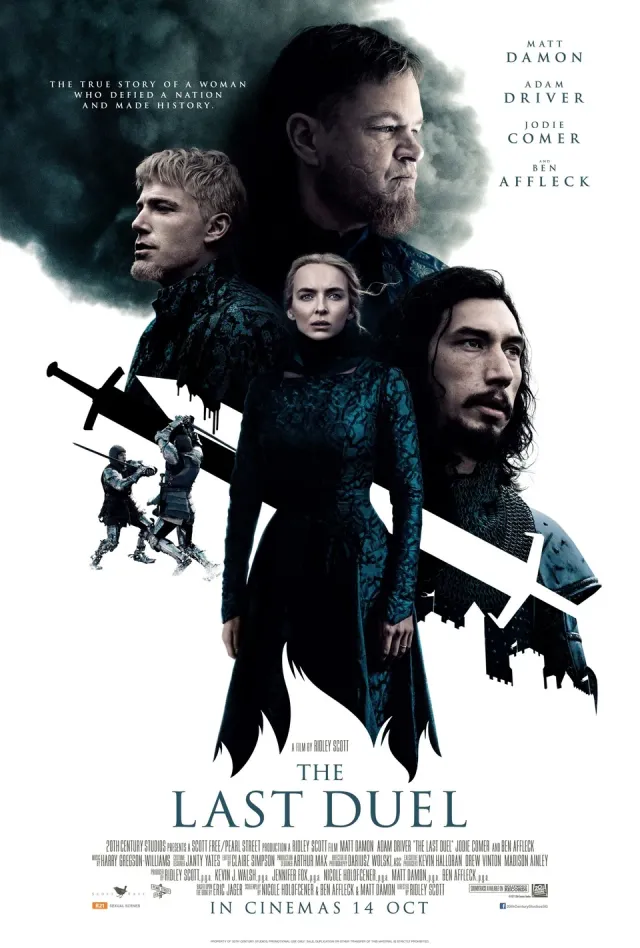
What changes Total Eclipse: episodic and relationship-driven. The Last Duel: three-part and escalating.
In medieval France, Jean de Carrouges accuses Jacques Le Gris of assaulting his wife Marguerite, and the claim is brought before the king. The film retells the events through three perspectives, revealing where memory, status and self-justification reshape the same encounters. As legal and social institutions fail to offer Marguerite a safe hearing, the impending duel becomes both a public judgment and a violent test of whose account will be believed.
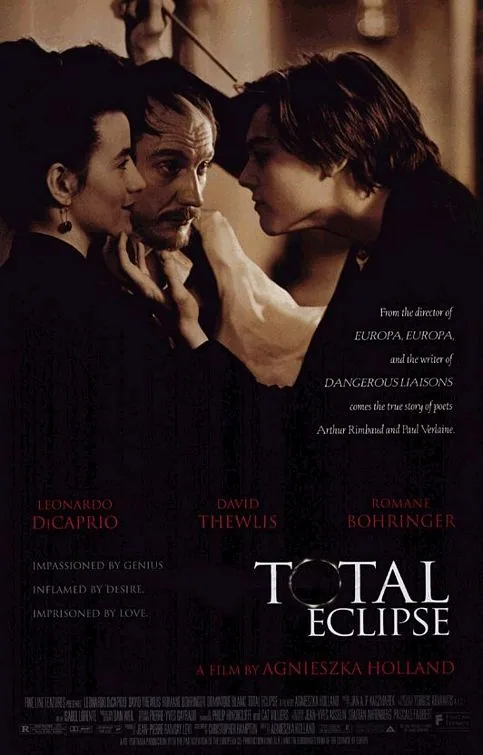
In late nineteenth-century France, established poet Paul Verlaine becomes fascinated by the teenage Arthur Rimbaud, whose writing and defiant behavior disrupt his domestic life. Verlaine invites Rimbaud into his household and artistic circle, drawing both men into an intense relationship marked by dependence, attraction and escalating conflict. Verlaine’s wife Mathilde is left to manage the consequences of his choices, while the poets’ movement through Europe changes their work and their sense of self. The film is a dramatized biographical romance, not a documentary account of every disputed detail of their lives. The film also follows what Verlaine’s obsession costs his wife Mathilde and their child, rather than treating the affair as private romance alone.
What drives the story
An older poet’s attraction to a rebellious younger writer destabilizes his family and turns artistic admiration into a destructive dependency.
The people at its centre
Verlaine’s desire and volatility shape the imbalance, while Rimbaud’s refusal to be possessed does not cancel the harm imposed on Mathilde and their child.
What it feels like
The period drama emphasizes charged dialogue, travel and private confrontation, using the poets’ writing as context rather than as a conventional literary biopic arc.
Worth knowing
For viewers prepared for a turbulent, adult dramatization of a literary relationship involving an age and power imbalance. It is not a gentle romance or a definitive record of the poets’ biographies.