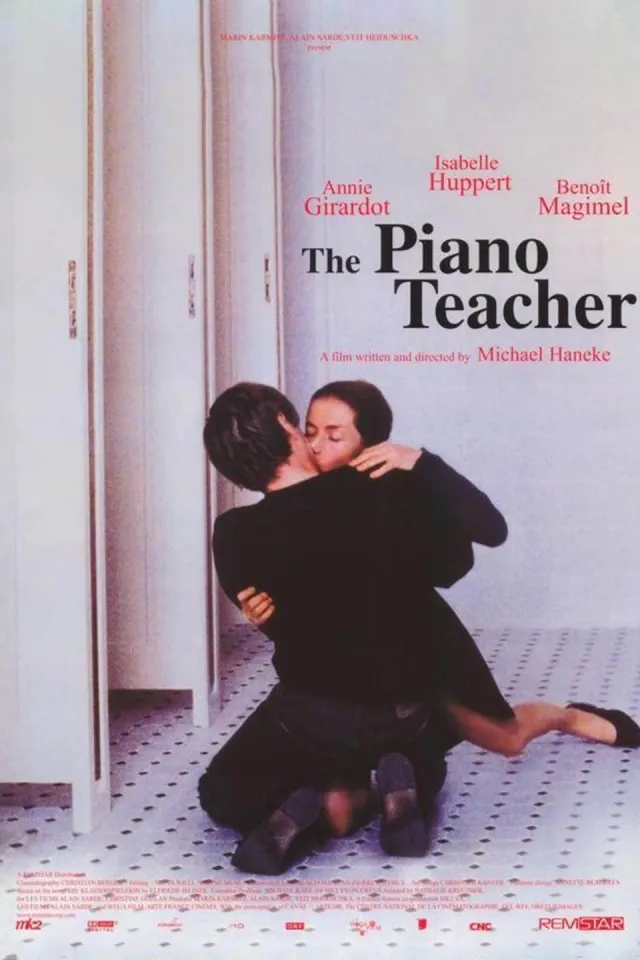
Erika tries to control intimacy by scripting it, but Walter's response exposes how little either understands the other's desire or boundaries.
Why this matches +
These offer a related experience with a meaningful difference in story, tone, or presentation.
An adjacent discovery: a related idea with a different viewing experience.
Genres: Drama / Thriller
Shared film traits
Based on recorded story, mood and style. Your preferences can change the order.
What changes A sexually charged relationship exposes emotional repression, unequal control and the harm beneath fantasies of intimacy.
Erika Kohut is a demanding piano professor in Vienna whose controlled public manner coexists with private compulsions, self-harm and a suffocating life with her mother. Student Walter Klemmer admires her playing and pursues her, but Erika tries to define the relationship through a written list of rules for sexual submission. Walter cannot accept the terms as Erika imagines them, and desire becomes a struggle over who controls the encounter. The film's conservatory world is also marked by performance pressure, jealousy and humiliation, as Erika harms another student's hand to prevent a rival from playing. Michael Haneke adapts Elfriede Jelinek's novel as a severe study of repression and power; its sexual violence is explicit and the ending refuses therapeutic closure.
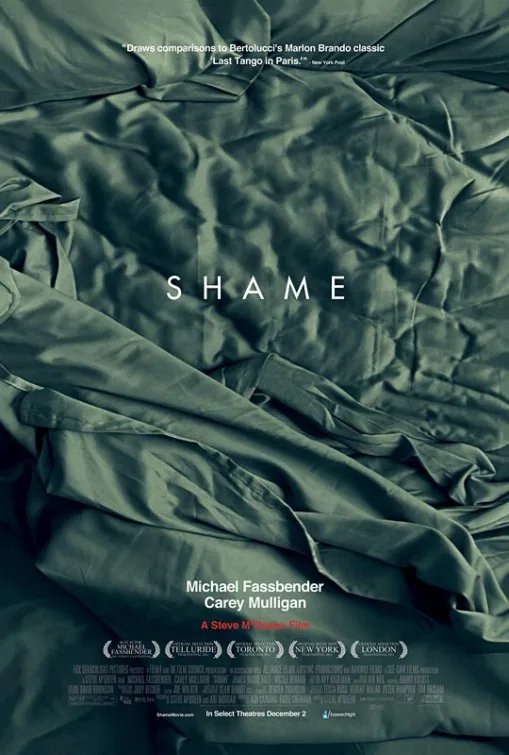
Brandon’s repeated sexual routines offer brief control but increasingly interfere with work, relationships and the possibility of sustained intimacy.
Why this matches +
These offer a related experience with a meaningful difference in story, tone, or presentation.
An adjacent discovery: a related idea with a different viewing experience.
Genres: Drama / Erotic
Shared film traits
Based on recorded story, mood and style. Your preferences can change the order.
What changes A person's pursuit of anonymous sexual encounters reveals grief, isolation and compulsive behavior rather than emotional security.
Brandon is a well-paid New Yorker whose pornography use, sex and pursuit of anonymous encounters have become a rigid daily routine. His sister Sissy arrives unexpectedly and asks to stay, bringing emotional need into an apartment and life Brandon has arranged to avoid intimacy. He tries a date with a co-worker, but cannot maintain the closeness and retreats into anonymous sex; meanwhile, his anger toward Sissy escalates as her vulnerability makes their shared past difficult to ignore. When she harms herself, Brandon’s carefully controlled distance gives way to panic, though the ending leaves his next choice unresolved.
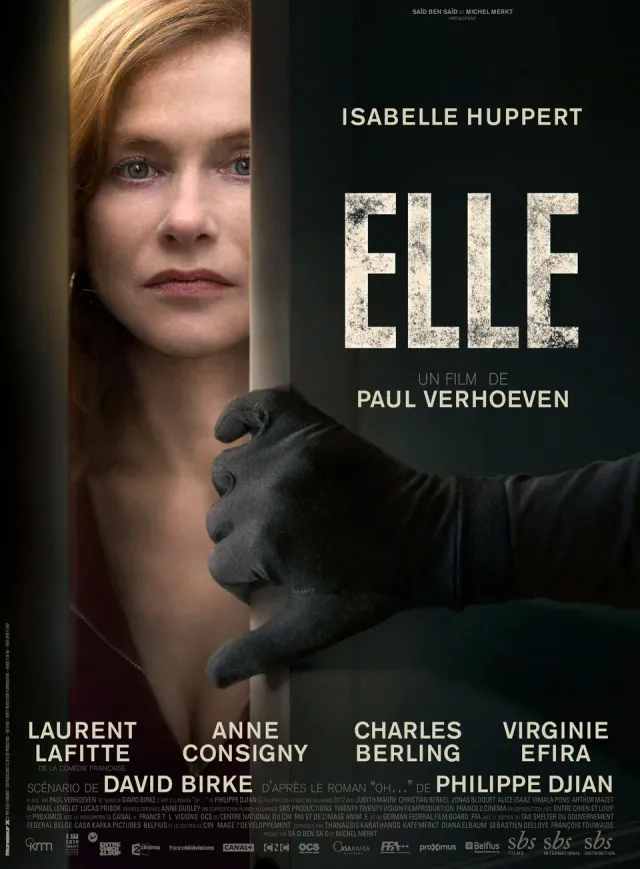
An assault destabilizes a carefully managed life, but the protagonist's resistance to expected responses produces an inquiry whose course refuses a simple protection-and-resolution structure. An assault launches an investigation, but attention shifts among suspicion, power and the relationships she chooses to maintain.
Why this matches +
These offer a related experience with a meaningful difference in story, tone, or presentation.
An adjacent discovery: a related idea with a different viewing experience.
Genres: Thriller / Drama
Shared film traits
Based on recorded story, mood and style. Your preferences can change the order.
What changes A woman's response to sexual violence and coercion unsettles conventional expectations about intimacy and control.
After being raped in her home, a successful executive continues the routines through which she controls work, family and a complicated network of intimacy. Refusing a conventional public response does not end the threat: messages and renewed encounters make familiar relationships objects of suspicion. Her choices remain difficult to translate into a reassuring recovery arc, while the film's account of power, past exposure and renewed danger requires attention to the difference between agency and responsibility for another person's violence. Michèle’s composure and strategic choices belong to her specific character; they are not instructions for survivors.
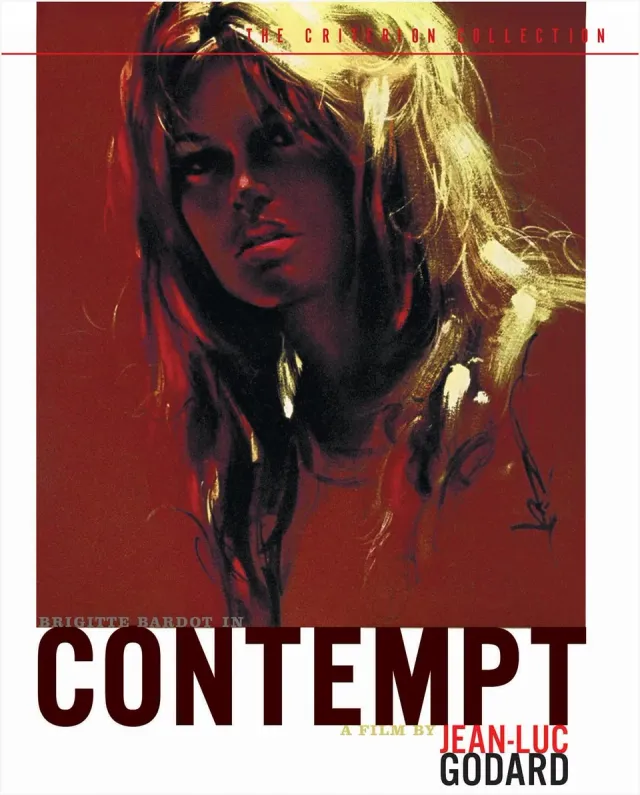
A screenwriter's commercial assignment and his wife's loss of trust develop together, with neither the film project nor the marriage yielding a settled account of what he intended. The production's request for a more commercial Odyssey parallels Paul's own compromise.
Why this matches +
These offer a related experience with a meaningful difference in story, tone, or presentation.
An adjacent discovery: a related idea with a different viewing experience.
Genres: Drama / Romance
Shared film traits
Based on recorded story, mood and style. Your preferences can change the order.
What changes A deteriorating relationship in an artistic setting reveals alienation and the difficulty of separating desire from contempt.
Screenwriter Paul Javal is hired to revise a film of The Odyssey by an American producer working with director Fritz Lang. During the production, Paul's wife Camille becomes convinced that he has offered her to the producer for professional gain, while Paul insists his conduct means something else. Godard keeps the decisive exchange open enough that motive remains contested. The film-within-a-film makes that marital rupture part of a broader struggle over commercial compromise, cinema and the difficulty of reading another person's actions with certainty. Long scenes in Paul's apartment let the marital rupture unfold before the movie set takes over.
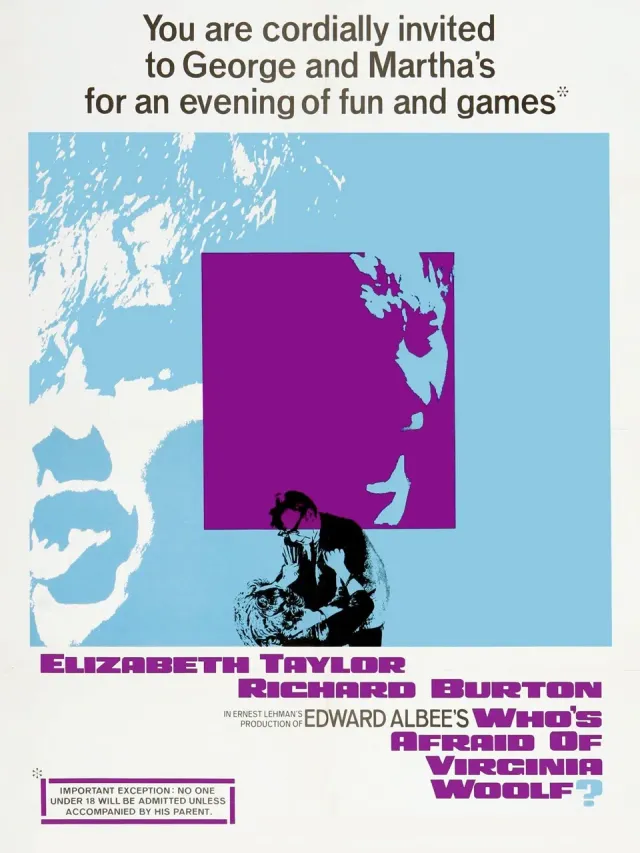
A party that should be polite becomes a prolonged contest in which the characters use stories and humiliation to control the room.
Why this matches +
These offer a related experience with a meaningful difference in story, tone, or presentation.
An adjacent discovery: a related idea with a different viewing experience.
Genres: Drama
Shared film traits
Based on recorded story, mood and style. Your preferences can change the order.
What changes An intimate relationship becomes a sustained struggle over power, humiliation and the stories partners tell about themselves.
Late at night, college professor George and his wife Martha return home from a faculty gathering with younger professor Nick and his wife Honey. What begins as tense social conversation becomes a series of increasingly cruel games in which the hosts expose one another’s resentments and draw their guests into the conflict. The confined setting turns talk into the film’s main action: each revelation changes who has control and what the younger couple thinks they understand. Mike Nichols adapts Edward Albee’s play with its theatrical structure and language intact. Each game recruits Nick and Honey into the conflict, and its rules keep shifting. The guests gradually question how much of their own marriage they have shown.
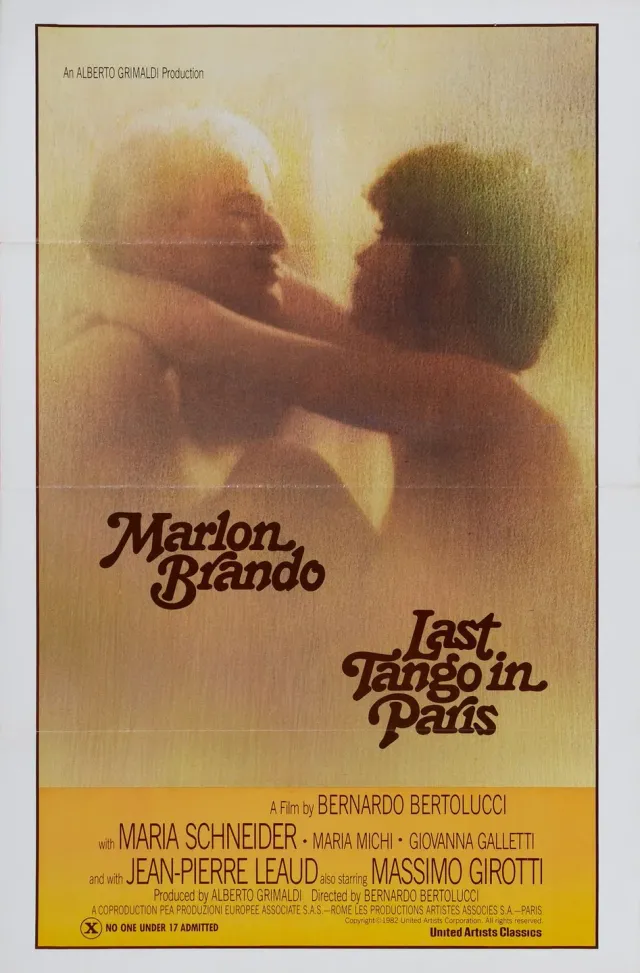
In 1970s Paris, Paul and Jeanne begin an anonymous sexual arrangement inside an apartment while each keeps a life outside it. Their pact promises intimacy without names or personal histories, but Paul’s grief and Jeanne’s engagement make its terms increasingly unequal. The film depicts rape and emotional coercion as part of their encounters; its transgressive style does not make those acts consensual. Production history adds a separate, carefully bounded issue: Bertolucci later said Schneider had not been told about the butter element before filming, while the scene’s simulated assault was scripted. The distinction between what occurs on screen and how the scene was made matters. Neither the film’s aesthetic reputation nor the director’s later account should romanticize the violence or overstate the production facts.
What drives the story
The apartment agreement suppresses names and biography, but its apparent symmetry breaks as Paul uses grief and intensity to set the conditions. The public lives outside the room continue to shape the encounters he wants to treat as separate.
The people at its centre
Jeanne’s choices and withdrawal remain hers; Paul’s bereavement explains his state without granting him authority over her. Their differing ages, experience and access to a future make the anonymous pact structurally unequal.
What it feels like
Warm interiors, long takes and explicit sexual imagery produce an abrasive, enclosed viewing experience. The style can invite claims of transgression, but formal boldness does not convert depicted assault into mutual liberation.
Worth knowing
Keep the scripted simulated assault distinct from the reportedly undisclosed use of butter before filming. Later accounts by Bertolucci and Schneider and the 2024 screening debate document production ethics; do not collapse those facts into an unsupported claim about what was or was not physically done.