Based on recorded story, mood and style. Your preferences can change the order.
Expect disturbing and controlled, with measured pacing.
After being raped in her home, a successful executive continues the routines through which she controls work, family and a complicated network of intimacy. Refusing a conventional public response does not end the threat: messages and renewed encounters make familiar relationships objects of suspicion. Her choices remain difficult to translate into a reassuring recovery arc, while the film's account of power, past exposure and renewed danger requires attention to the difference between agency and responsibility for another person's violence. Michèle’s composure and strategic choices belong to her specific character; they are not instructions for survivors.
Both centre on coercive partnership and intimacy under pressure.
Why this matches +
Genres: Drama
Shared film traits
Based on recorded story, mood and style. Your preferences can change the order.
Expect abrasive and claustrophobic, with measured and escalating pacing.
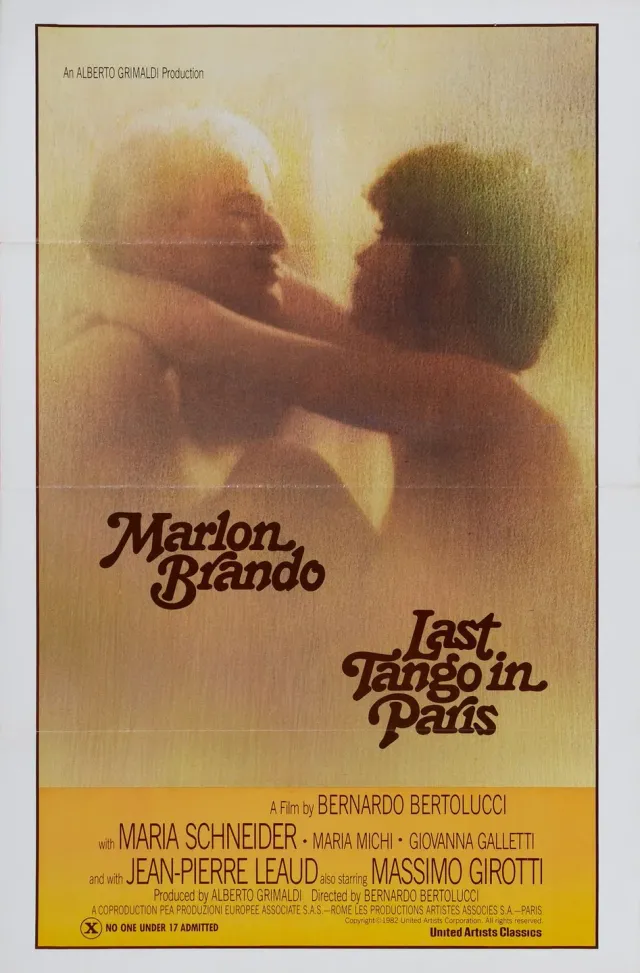
In 1970s Paris, Paul and Jeanne begin an anonymous sexual arrangement inside an apartment while each keeps a life outside it. Their pact promises intimacy without names or personal histories, but Paul’s grief and Jeanne’s engagement make its terms increasingly unequal. The film depicts rape and emotional coercion as part of their encounters; its transgressive style does not make those acts consensual. Production history adds a separate, carefully bounded issue: Bertolucci later said Schneider had not been told about the butter element before filming, while the scene’s simulated assault was scripted. The distinction between what occurs on screen and how the scene was made matters. Neither the film’s aesthetic reputation nor the director’s later account should romanticize the violence or overstate the production facts.
Based on recorded story, mood and style. Your preferences can change the order.
Expect disturbing and restrained, with nonlinear and measured pacing.
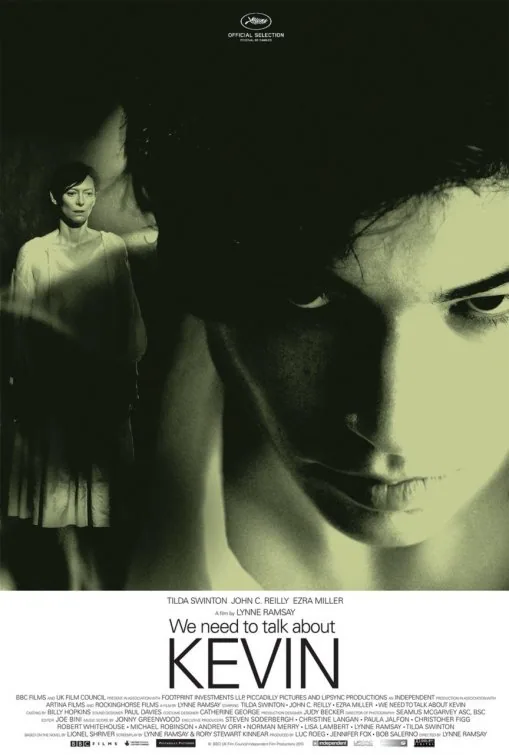
Eva tries to understand how her relationship with her son Kevin reached a devastating point, revisiting fragments of family life and the public aftermath of an act of violence. The story moves between memory, guilt and the strained routines of Eva's present, withholding easy explanations about nature, nurture or responsibility. Lynne Ramsay's adaptation uses images and sound to make recollection feel unstable and emotionally charged.
Based on recorded story, mood and style. Your preferences can change the order.
What changes The Piano Teacher: measured and relentless. Crash: cool observational scenes, repetitive ritual and gradual subcultural immersion.
After a near-fatal collision, advertising executive James Ballard and his wife Catherine become involved with a group drawn to the erotic possibilities of car crashes. Their encounters with accident survivor Helen Remington and the obsessive Vaughan deepen a shared fascination with danger, injury, technology, and death. David Cronenberg adapts J. G. Ballard’s novel as a deliberately confrontational psychological drama. It contains explicit adult sexual material, fetishization of car accidents, injury, and violence, and is not a conventional action film about crashes.
Both share themes of control, plus a disturbing atmosphere.
Why this matches +
Genres: Crime / Drama
Shared film traits
Based on recorded story, mood and style. Your preferences can change the order.
What changes The Piano Teacher: measured and relentless. Funny Games: two strangers hold a vacationing family hostage and force them to take part in sadistic games..
Georg and Anna Schober arrive with their son at their lakeside holiday home, where two polite young men ask to borrow eggs and gradually take control of the house. The intruders force the family into a series of cruel games and bets about how long they will survive. Michael Haneke’s Austrian thriller repeatedly breaks ordinary suspense conventions, including by making one attacker acknowledge the camera and the audience’s expectations. The film turns a home-invasion story into a confrontational study of spectatorship, violence, and the desire for a satisfying rescue.
Both centre on coercive partnership and intimacy under pressure.
Why this matches +
Genres: Crime / Romance
Shared film traits
Based on recorded story, mood and style. Your preferences can change the order.
What changes The Piano Teacher: measured and relentless. Love Lies Bleeding: a romance mutates into a crime spiral with hallucinatory turns.
In 1989 New Mexico, gym manager Lou begins a relationship with Jackie, a bodybuilder traveling to compete in Las Vegas. Their plans become entangled with Lou’s violent family history after Jackie takes performance-enhancing drugs and a confrontation with Lou’s brother spirals into murder. The crime thriller turns romantic escape into a feverish, bodily landscape of desire, family coercion, and escalating violence.
Based on recorded story, mood and style. Your preferences can change the order.
What changes The Piano Teacher: measured and relentless. Basic Instinct 2: slow-burn and unsettling.
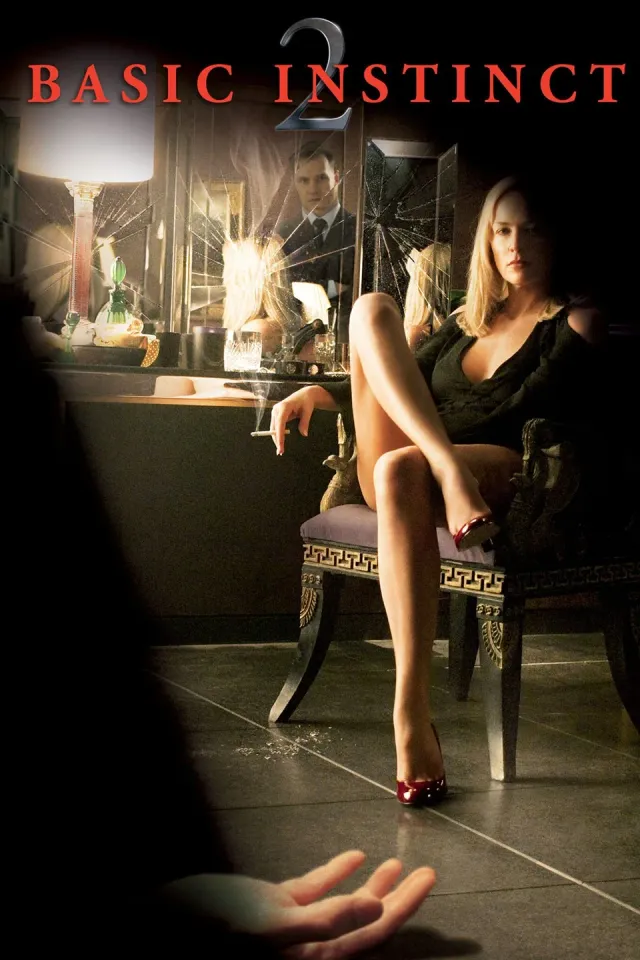
In London, novelist Catherine Tramell becomes a suspect after the death of a celebrity, and psychiatrist Michael Glass is asked to evaluate her. Their sessions develop into a contest over desire, control and interpretation as the investigation moves through social and professional circles. The sequel uses erotic provocation and psychological uncertainty to make it difficult to tell whether Glass is assessing Tramell or being drawn into her design.
Based on recorded story, mood and style. Your preferences can change the order.
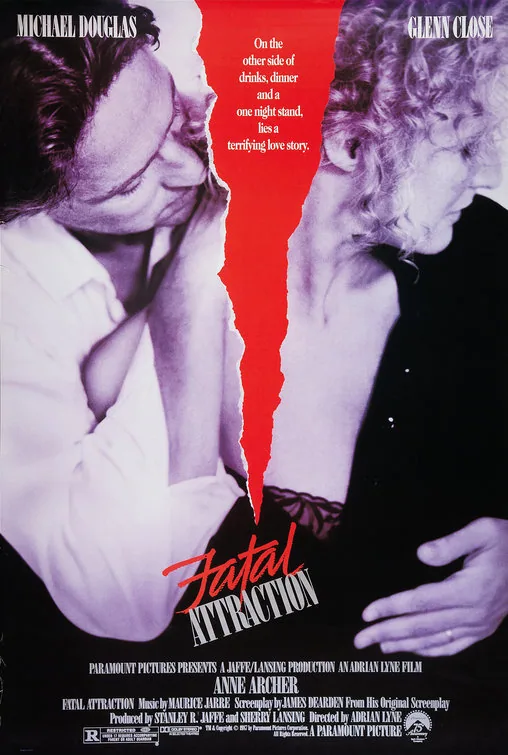
What changes The Piano Teacher: measured and relentless. Fatal Attraction: escalating.
A married lawyer tries to contain a brief affair as the other participant’s attempts to continue the relationship become threats against his household. His secrecy delays his wife’s chance to understand the danger, so the thriller’s suspense grows partly from his own choices rather than from Alex alone. Domestic rooms become sites of surveillance and siege, while the film increasingly aligns viewers with the family’s fear. The ending changed after test screenings, but director Adrian Lyne said he made the change for dramatic reasons rather than because audiences demanded a harsher fate; the alternate ending later circulated on home video.
Based on recorded story, mood and style. Your preferences can change the order.
What changes The Piano Teacher: measured and relentless. Elephant: fragmented and understated.
Over the course of an ordinary school day, the film follows several students through corridors, classrooms and small social encounters before their paths converge in a sudden act of violence. It offers fragments rather than a conventional explanation, shifting perspective and revisiting moments with little interpretive guidance. The restrained surface makes routine detail unsettling, while its refusal to simplify causation leaves space for difficult questions.
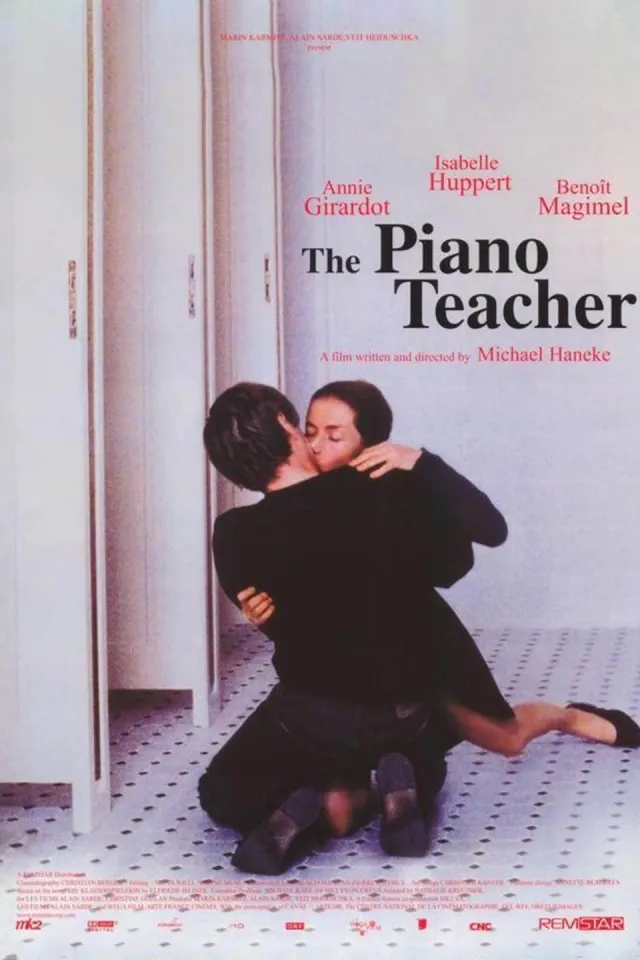
Erika Kohut is a demanding piano professor in Vienna whose controlled public manner coexists with private compulsions, self-harm and a suffocating life with her mother. Student Walter Klemmer admires her playing and pursues her, but Erika tries to define the relationship through a written list of rules for sexual submission. Walter cannot accept the terms as Erika imagines them, and desire becomes a struggle over who controls the encounter. The film's conservatory world is also marked by performance pressure, jealousy and humiliation, as Erika harms another student's hand to prevent a rival from playing. Michael Haneke adapts Elfriede Jelinek's novel as a severe study of repression and power; its sexual violence is explicit and the ending refuses therapeutic closure.
What drives the story
Erika tries to control intimacy by scripting it, but Walter's response exposes how little either understands the other's desire or boundaries.
The people at its centre
Erika's mother exerts domestic control while Erika exercises authority over students; Walter's self-image as a romantic pursuer turns coercive when he rejects her limits.
What it feels like
An austere, disturbing psychological drama, using classical practice rooms and rigid routines to heighten the discomfort of its sexual and familial conflicts.
Worth knowing
For adults prepared for sexual violence, self-harm and coercive relationships. Its unsparing treatment differs sharply from erotic romance or music-centered achievement dramas.