Based on recorded story, mood and style. Your preferences can change the order.
Memory and identity
What changes Saint Omer: deliberate, dialogue-led, observational and open-ended. The Divine Secrets of the Ya-Ya Sisterhood: alternating timelines and character-led.
A playwright's public comments about her childhood deepen a long-running rift with her mother and threaten to disrupt her upcoming wedding. The mother's lifelong friends intervene, bringing the daughter into a shared history that spans girlhood, marriage and painful family choices. The drama uses memories and an ensemble of older women to ask how adult children can understand parents without excusing the harm they experienced.
Based on recorded story, mood and style. Your preferences can change the order.
Memory and identity · Social hierarchy
What changes Saint Omer: deliberate, dialogue-led, observational and open-ended. The Return of Martin Guerre: patient setup, evidence accumulates, trial-centered progression and late decisive testimony.
In sixteenth-century France, Martin Guerre leaves his wife Bertrande and their village to fight in a war. Years later, a man returns claiming to be Martin and is welcomed because he knows the household’s history and private details. Doubts surface when strangers identify him as Arnaud du Tilh, and a dispute over money with Martin’s uncle turns suspicion into a public trial. Bertrande’s testimony becomes pivotal as the community weighs memory and intimacy against reputation, kinship and legal evidence. The case travels to a higher court, where the returned husband’s identity carries consequences for the couple, their child and the village that accepted him.
Based on recorded story, mood and style. Your preferences can change the order.
Memory and identity · Power and authority
What changes Saint Omer: deliberate, dialogue-led, observational and open-ended. The Kindergarten Teacher: quiet character study, gradual ethical escalation and psychological tension.
Lisa Spinelli is a Staten Island kindergarten teacher who attends a poetry workshop while feeling increasingly separate from her family and work. When she hears five-year-old student Jimmy recite an original poem, she becomes convinced he has unusual talent and starts to document and nurture his verses. Her efforts gradually cross the boundaries between teacher, child, parent, and artist, turning a quiet school discovery into a story about ambition, ownership, and adult control.
Based on recorded story, mood and style. Your preferences can change the order.
Memory and identity
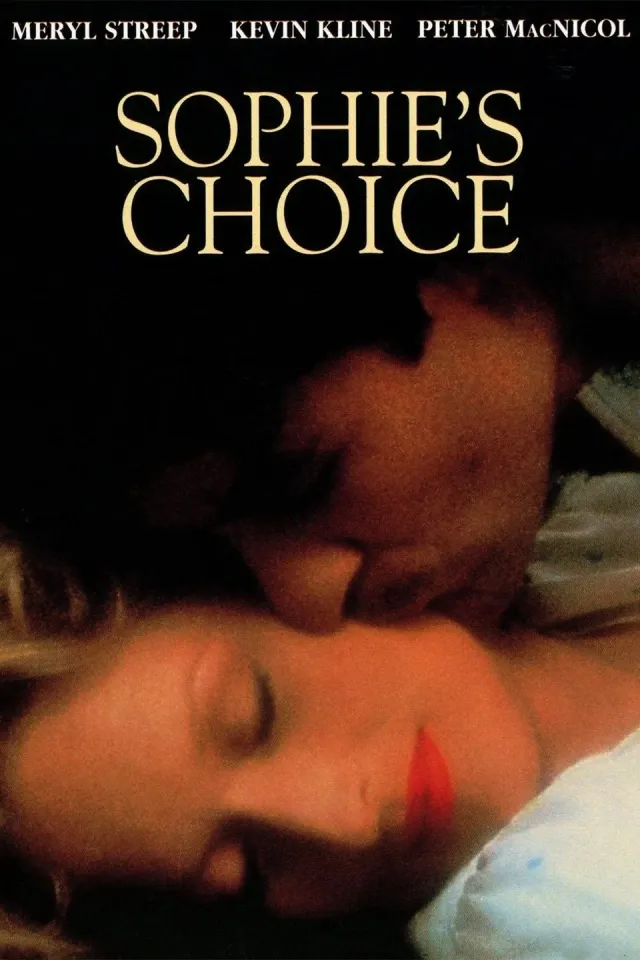
What changes Saint Omer: deliberate, dialogue-led, observational and open-ended. Sophie's Choice: gradual revelation and flashback.
In postwar Brooklyn, aspiring writer Stingo befriends Sophie, a Polish survivor of Auschwitz, and her volatile partner Nathan. Sophie gradually recounts how war, imprisonment and the people she lost shaped her life, while Nathan’s jealousy and instability make their present home unsafe. In a memory she has struggled to disclose, Sophie describes being forced by a Nazi officer to choose which of her two children would live; the coercion belongs to the persecution inflicted on her, not to any moral failing of her own. Stingo’s growing affection cannot repair the history that shapes their present.
Based on recorded story, mood and style. Your preferences can change the order.
What changes Saint Omer: deliberate, dialogue-led, observational and open-ended. Room: measured.
A woman held captive for years raises her young son within the small room that constitutes his entire understanding of the world. As conditions become more precarious, she prepares him for an escape requiring him to accept realities beyond anything he has seen. Their release opens a second difficult story, in which unfamiliar freedom, relatives and public attention place new pressures on their close but traumatised relationship.
Based on recorded story, mood and style. Your preferences can change the order.
Memory and identity
What changes Saint Omer: deliberate, dialogue-led, observational and open-ended. The Lost Daughter: slow-burn, interior and memory-driven.
On a Greek island holiday, professor and translator Leda Caruso observes a young mother, Nina, struggling with the demands of caring for her daughter. A missing doll becomes an unsettling focus for Leda, while memories of her own years as a mother return through flashbacks. As Leda and Nina speak, the film explores choices, resentment, desire, and the parts of motherhood people rarely admit aloud. Maggie Gyllenhaal’s adaptation of Elena Ferrante’s novel is a psychological character study with a deliberately uneasy view of intimacy and maternal identity.
Based on recorded story, mood and style. Your preferences can change the order.
What changes Saint Omer: deliberate, dialogue-led, observational and open-ended. Farha: slow-building, contained and tension through waiting.
In 1948, fourteen-year-old Palestinian Farha hopes to continue her education in the city, while her father expects her to marry. When violence reaches their village, he locks her in a storage room for safety and promises to return. From that confined space, Farha hears and witnesses the danger around her as hours pass without news. Darin J. Sallam’s historical drama focuses on a young person’s experience of the Nakba through a restricted viewpoint and a true-story inspiration.
Based on recorded story, mood and style. Your preferences can change the order.
Power and authority · Social hierarchy
What changes Saint Omer: deliberate, dialogue-led, observational and open-ended. The Class: measured, episodic and dialogue-driven.
Over one school year, French teacher François Marin works with a lively class of adolescents in a working-class Paris secondary school. Lessons in grammar and literature become arguments about relevance, respect, identity and who gets to speak with authority. A writing assignment gives the students room to describe themselves, but a confrontation involving Souleymane tests François’s judgment and the school’s disciplinary process. The film observes teaching as daily negotiation, following both the class’s shifting alliances and the limits of a teacher’s influence.
Based on recorded story, mood and style. Your preferences can change the order.
Family and care · Power and authority
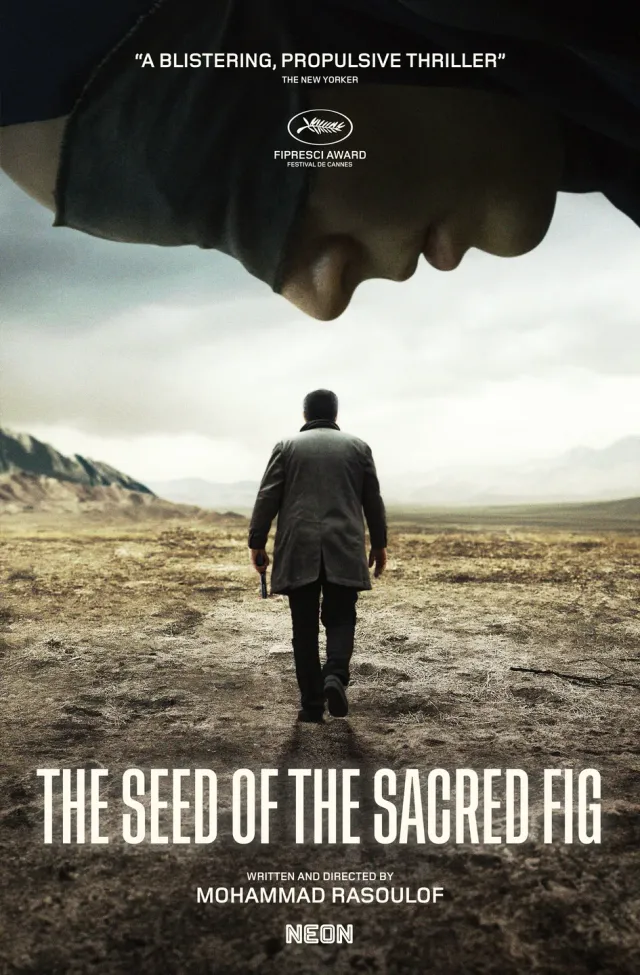
What changes Saint Omer: deliberate, dialogue-led, observational and open-ended. The Seed of the Sacred Fig: escalating, suspenseful and cumulative.
Iman is appointed as an investigating judge in Tehran during political unrest, bringing both status and danger to his household. As protests intensify, his service weapon disappears and suspicion turns inward toward his wife and daughters. The inquiry unsettles family routines and trust, while the women face the public crisis differently from Iman. Mohammad Rasoulof's drama traces how state authority, fear and private relationships collide under pressure.
Rama, a novelist and literature professor, travels from Paris to observe the trial of Laurence Coly, a Senegalese student charged in the death of her infant daughter. As the court hears testimony, Rama’s own pregnancy and relationship with her mother make the proceedings increasingly personal. Alice Diop’s drama attends to language, listening and the distance between legal judgment and the histories of isolation that a courtroom can expose.
What drives the story
Rama attends Coly’s trial to develop a modern Medea story, but testimony draws her toward questions about her own family and identity.
The people at its centre
Rama’s professional distance gives way to personal reflection as she listens to the accused and considers her own impending motherhood.
What it feels like
Long testimonies and precise framing create an unusually attentive courtroom drama about who is heard and how.
Worth knowing
A reflective trial film built around speech, listening and ambiguity, with no conventional mystery resolution.