Based on recorded story, mood and style. Your preferences can change the order.
Power and authority · Social hierarchy
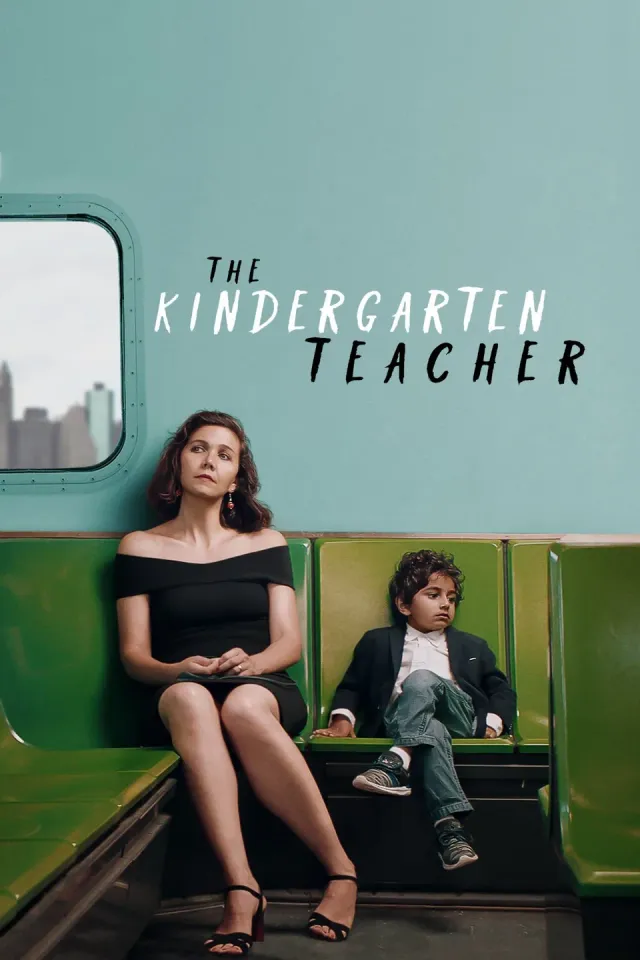
What changes The Class: measured, episodic and dialogue-driven. The Kindergarten Teacher: quiet character study, gradual ethical escalation and psychological tension.
Lisa Spinelli is a Staten Island kindergarten teacher who attends a poetry workshop while feeling increasingly separate from her family and work. When she hears five-year-old student Jimmy recite an original poem, she becomes convinced he has unusual talent and starts to document and nurture his verses. Her efforts gradually cross the boundaries between teacher, child, parent, and artist, turning a quiet school discovery into a story about ambition, ownership, and adult control.
Based on recorded story, mood and style. Your preferences can change the order.
Coming of age
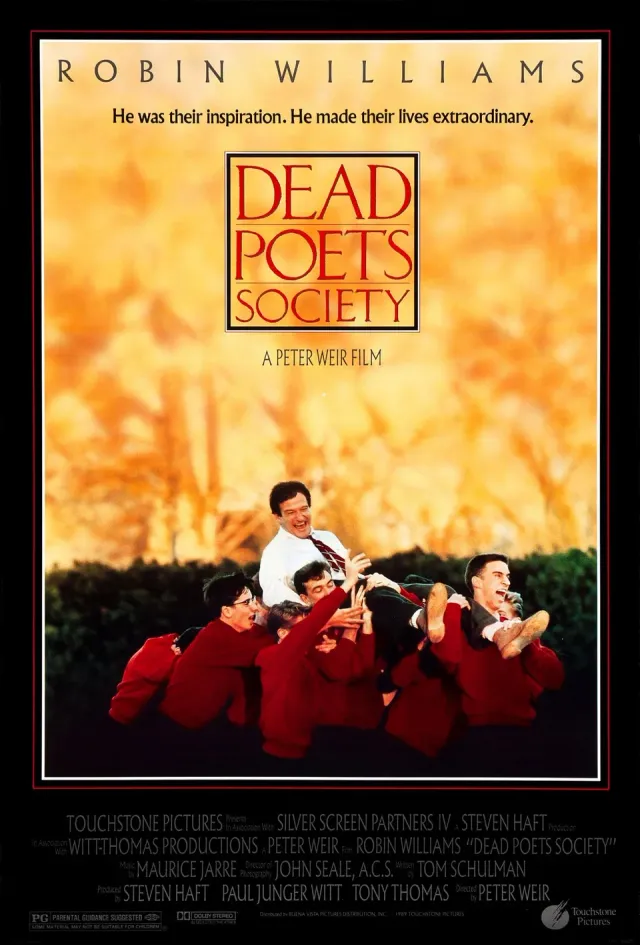
What changes The Class: measured, episodic and dialogue-driven. Dead Poets Society: measured.
Students at a prestigious boys' school encounter an English teacher whose approach encourages them to treat literature as an invitation to individual experience rather than another credential. Their private experiments in poetry and self-expression expose tensions between personal desire, peer approval and parental control. The institution's response to an escalating crisis reveals how quickly inspiration can become a dispute about responsibility when young people have limited authority over their own futures.
Based on recorded story, mood and style. Your preferences can change the order.
Coming of age
What changes The Class: measured, episodic and dialogue-driven. The 400 Blows: observational episodes and open-ended finish.
Antoine Doinel grows up in Paris feeling unwanted at home and misunderstood at school. Small acts of defiance, including truancy and a failed attempt to sell a stolen typewriter, draw him deeper into conflict with the adults who supervise him. His parents send him to a youth observation center, where a rare interview lets him speak about his life without interruption. Antoine escapes and runs toward the sea he has never seen, ending the film alone at the shoreline. The story follows a child's search for space and recognition rather than a neat reform narrative.
Based on recorded story, mood and style. Your preferences can change the order.
Coming of age
What changes The Class: measured, episodic and dialogue-driven. The Chorus: character-led school drama, rehearsal and performance progression and reflective frame narrative.
In 1949, failed musician Clément Mathieu takes a job supervising boys at a strict French boarding school. The headmaster relies on punishment to control the students, but Mathieu gradually earns their trust by forming a choir and giving the boys a way to express themselves. Christophe Barratier’s French-language drama follows changes in the school community through music, mentorship, and friendship, with a frame narrative looking back on the children’s lives after the events of that year.
Based on recorded story, mood and style. Your preferences can change the order.
Coming of age
What changes The Class: measured, episodic and dialogue-driven. Dangerous Minds: episodic and gradual trust-building.
Former Marine LouAnne Johnson takes a teaching job at a California high school and finds that her students have little reason to trust another adult making promises. She experiments with lessons that connect to their immediate concerns, but the classroom's conflicts extend beyond any single teaching trick. The film follows her effort to earn attention while confronting the limits and responsibilities of entering a community from the outside.
Based on recorded story, mood and style. Your preferences can change the order.
What changes The Class: measured, episodic and dialogue-driven. The Hunt: slow social escalation and unresolved aftermath.
Lucas, a divorced kindergarten teacher trying to rebuild his relationship with his teenage son, becomes the focus of suspicion after a young pupil’s confused statement is interpreted as abuse. As the allegation spreads through a close-knit Danish community, Lucas loses his job, friends and ordinary access to public life despite his denials. The film stays close to his experience of social rejection and the community’s fear, showing how uncertainty hardens when people repeat it. It strongly positions viewers to see the accusation as mistaken, but its single fictional case is not a general account of abuse investigations or children’s testimony. The unresolved final beat keeps social suspicion alive after the community appears ready to move on.
Based on recorded story, mood and style. Your preferences can change the order.
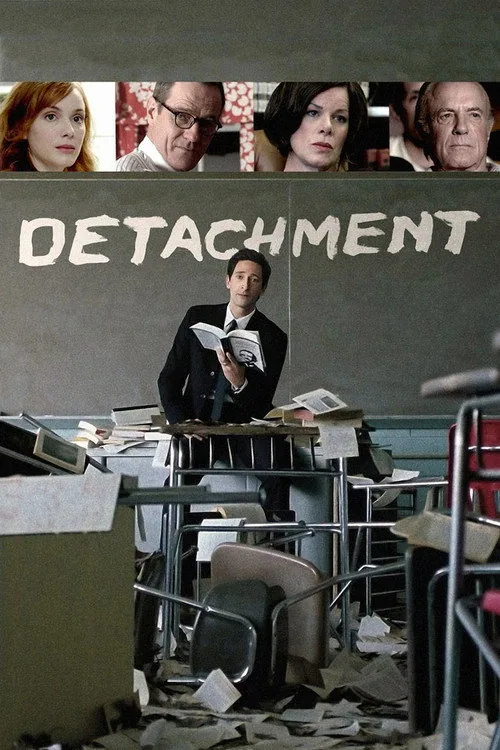
What changes The Class: measured, episodic and dialogue-driven. Detachment: a temporary teacher’s practiced distance is challenged by students whose needs persist beyond one class..
Henry Barthes works as a substitute teacher and moves from school to school without becoming attached to colleagues or students. At an underfunded public high school, he encounters students, teachers, and administrators under strain, while his own memories of family trauma surface through narration and flashback. Tony Kaye’s drama links classroom disorder to a wider portrait of people who feel unseen, following Henry as he attempts to support a troubled student and a young woman living on the street. Its episodic form emphasizes emotional distance and brief acts of care.
Both share themes of class, plus an uneasy atmosphere.
Why this matches +
Genres: Drama
Shared film traits
Based on recorded story, mood and style. Your preferences can change the order.
Coming of age · Social hierarchy
Expect nostalgic and uneasy, with episodic and reflective pacing.
Paul Graff begins sixth grade in 1980 Queens, where his friendship with classmate Johnny grows alongside trouble at school. Paul’s family hopes to secure his future, while his grandfather encourages his artistic ambitions and offers a different account of the family’s past. When Paul is sent to a private school, the differences in opportunity and treatment between the boys become harder to ignore, turning an autobiographical coming-of-age story into a portrait of family, class and race.
Both share classroom ensemble, plus an uneasy atmosphere.
Why this matches +
Genres: Drama
Shared film traits
Based on recorded story, mood and style. Your preferences can change the order.
Power and authority · Social hierarchy
What changes The Class: measured, episodic and dialogue-driven. The Teachers' Lounge: methodical, escalating and contained.
New teacher Carla Nowak tries to handle classroom thefts fairly while her colleagues and students press her to identify a suspect. A discreet recording implicates a staff member and widens the dispute. The inquiry spreads through the school, straining trust between Carla, her class, parents and administrators as competing ideas of fairness turn into public accusation.
Over one school year, French teacher François Marin works with a lively class of adolescents in a working-class Paris secondary school. Lessons in grammar and literature become arguments about relevance, respect, identity and who gets to speak with authority. A writing assignment gives the students room to describe themselves, but a confrontation involving Souleymane tests François’s judgment and the school’s disciplinary process. The film observes teaching as daily negotiation, following both the class’s shifting alliances and the limits of a teacher’s influence.
What drives the story
Classroom disputes and assignments gradually expose how teaching decisions affect the students’ trust, prospects and sense of belonging.
The people at its centre
François tries to balance frank conversation with discipline, while students form changing alliances and challenge the assumptions adults bring into class.
What it feels like
The close, dialogue-led approach makes small exchanges carry the tension of a larger debate about learning, respect and institutional power.
Worth knowing
Its drama grows from unscripted-feeling classroom interaction and school procedure rather than a single student’s private coming-of-age plot.
educationlanguageclass
Mood
observational · candid · uneasy · thoughtful
Pacing
measured · episodic · dialogue-driven
Visual style
naturalistic performances · handheld classroom framing · close conversational coverage · restrained color