A reporter’s temporary performance exposes routine exclusions, then tests whether professional and family circles can acknowledge prejudice when it reaches their own relationships. Phil’s ability to stop passing gives his experiment an exit unavailable to those facing ongoing antisemitism.
Why this matches +
Selected for the central appeal: Historical dramas about public figures risking careers to challenge wrongful convictions and injustice.
Genres: Drama
Shared film traits
Based on recorded story, mood and style. Your preferences can change the order.
Investigation
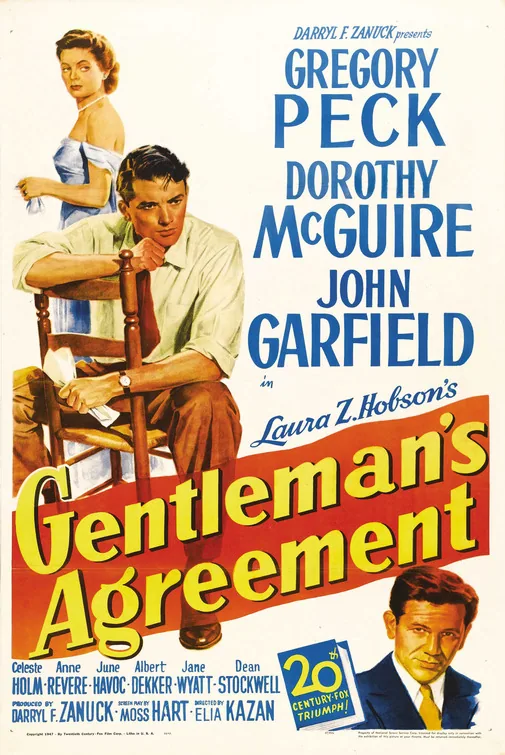
What changes Gentleman's Agreement follows a journalist publicly confronting antisemitic prejudice.
A journalist chooses to pose as Jewish in order to investigate antisemitism, discovering that discrimination can appear through housing, work, clubs and the social habits of people who consider themselves fair-minded. His experiment gives him access to a position he can later leave, while Jewish characters live with the consequences beyond the assignment. The film turns prejudice into a test of a privileged liberal community, and its direct moral argument has historical force without making its central perspective representative of Jewish experience. Its self-examination is valuable precisely when its limits remain visible.
A blacklisted screenwriter keeps working under other names to support his family.
Why this matches +
Selected for the central appeal: Historical dramas about public figures risking careers to challenge wrongful convictions and injustice.
Genres: Drama / Biography
Shared film traits
Based on recorded story, mood and style. Your preferences can change the order.
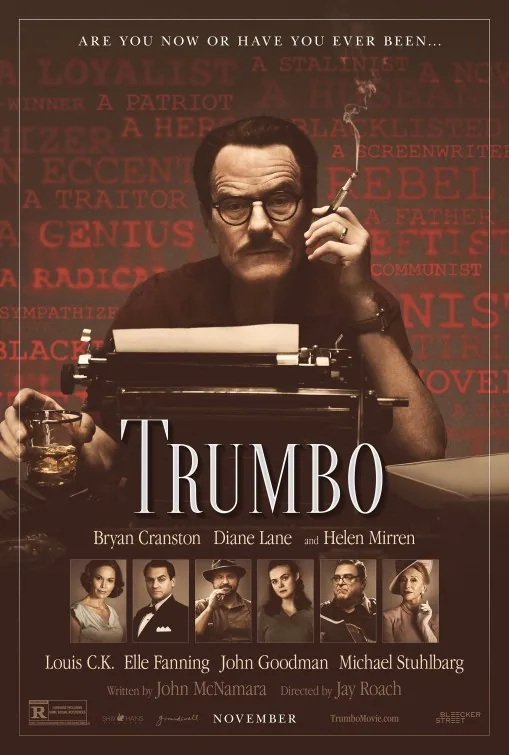
What changes Trumbo follows a writer whose public convictions put his career and freedom under political pressure.
Screenwriter Dalton Trumbo's career is interrupted when political suspicion puts him among Hollywood's blacklisted writers. He continues writing through pseudonyms while facing pressure from industry leaders, political figures and the strain his work places on family life. Jay Roach builds the biographical drama around authorship, public identity and professional survival, showing how a creative life continues when a person is denied credit for the work he produces.
Bryan’s first meetings with Walter turn a legal file into a relationship grounded in listening.
Why this matches +
These offer a related experience with a meaningful difference in story, tone, or presentation.
An adjacent discovery: a related idea with a different viewing experience.
Genres: Biography / Drama
Shared film traits
Based on recorded story, mood and style. Your preferences can change the order.
Investigation
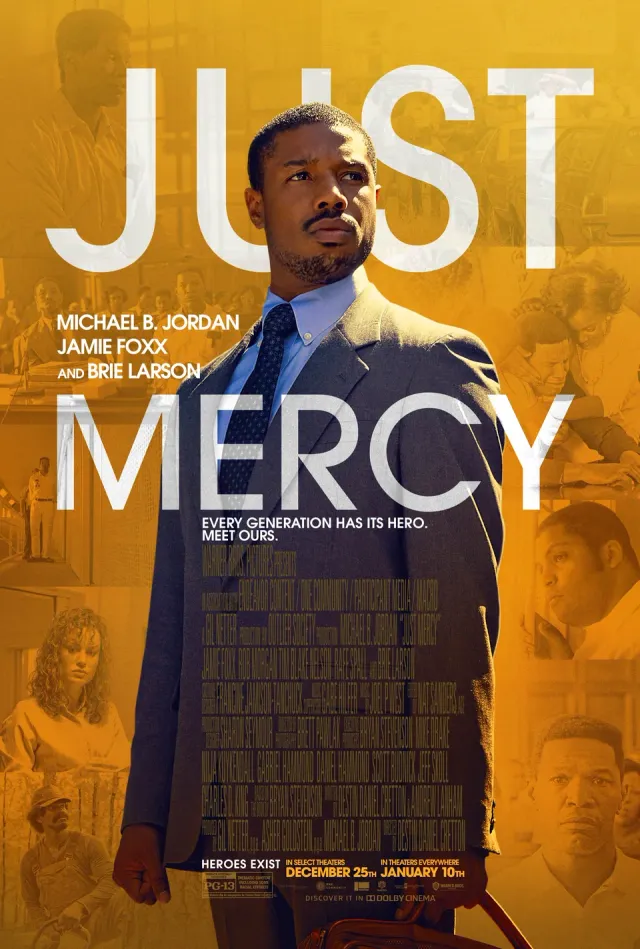
What changes Just Mercy follows advocates challenging wrongful conviction and a discriminatory legal system.
Young lawyer Bryan Stevenson travels to Alabama to defend people who cannot afford representation and takes up Walter McMillian’s case after a questionable murder conviction. The legal fight reveals suppressed evidence, racial bias and the unequal power of the state. Adapted from Stevenson’s memoir, the drama follows the patient work of investigation and advocacy while showing how one case reflects a much wider pattern.
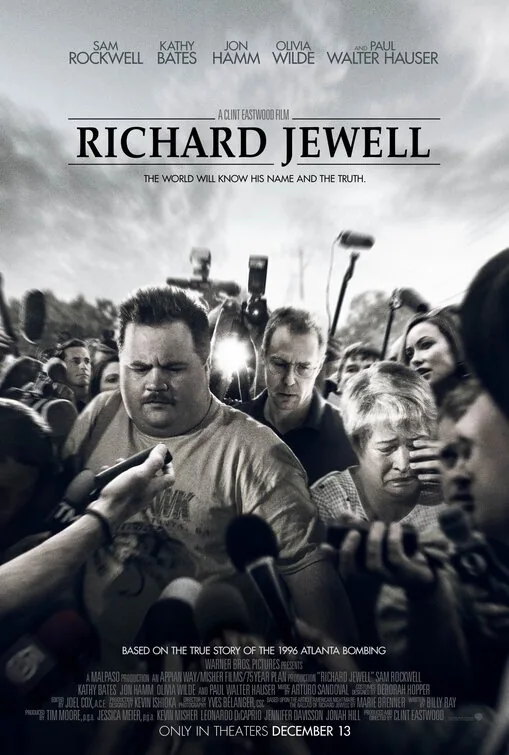
The bomb’s discovery establishes Jewell’s helpful actions before suspicion reshapes how others interpret them.
Why this matches +
These offer a related experience with a meaningful difference in story, tone, or presentation.
An adjacent discovery: a related idea with a different viewing experience.
Genres: Biography / Crime
Shared film traits
Based on recorded story, mood and style. Your preferences can change the order.
Investigation
What changes Richard Jewell follows a man publicly misrepresented by institutions and the effort to establish the truth.
Security guard Richard Jewell discovers a bomb in Atlanta’s Centennial Olympic Park and helps evacuate people before it explodes. First celebrated as a hero, he soon becomes a focus of federal suspicion and press scrutiny, while lawyer Watson Bryant tries to protect him. The biographical drama follows the shift from public praise to accusation and examines how official investigation and sensational reporting can damage an ordinary person.
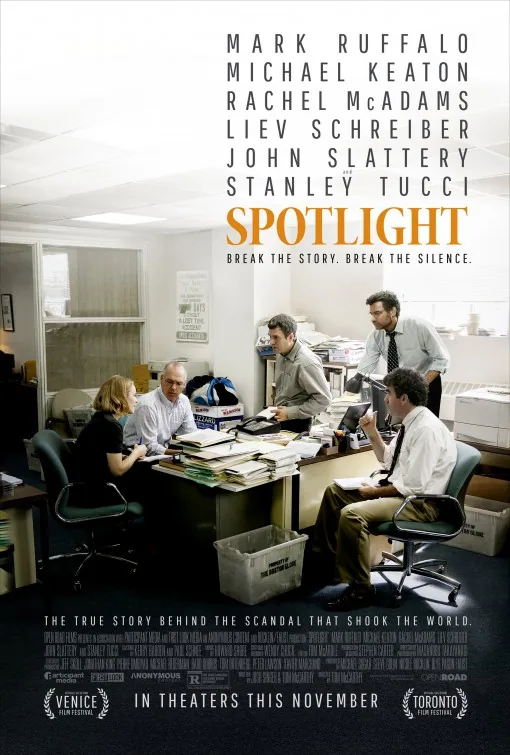
A local allegation expands into an investigation of systematic concealment, requiring documentary proof of institutional knowledge rather than another isolated accusation.
Why this matches +
These offer a related experience with a meaningful difference in story, tone, or presentation.
An adjacent discovery: a related idea with a different viewing experience.
Genres: Drama / Biography
Shared film traits
Based on recorded story, mood and style. Your preferences can change the order.
Investigation
What changes Spotlight follows journalists gathering evidence to expose institutional wrongdoing despite resistance.
A newspaper's investigative team begins examining allegations against a Boston priest and encounters a pattern extending far beyond an individual offence. Reporters work through court records, reluctant witnesses and professional networks while institutional resistance repeatedly narrows what can be made public. The inquiry also forces them to confront how their own organisation previously missed opportunities to act, making publication a test of collective responsibility as well as evidentiary persistence.
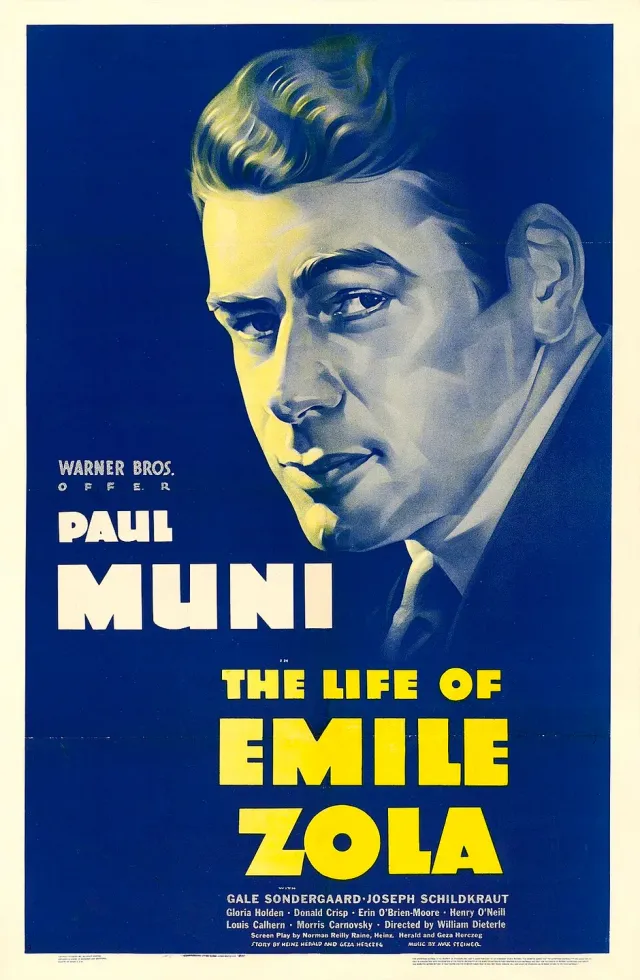
The film follows Émile Zola from financial hardship and bohemian writing circles to literary fame, then to his intervention in the wrongful conviction of Captain Alfred Dreyfus. Zola initially builds his career alongside painter Paul Cézanne, but success brings different paths; when evidence points to antisemitic injustice in the French military, the writer risks prosecution by publishing an open letter defending Dreyfus. The court case turns a literary biography into a courtroom and conscience drama, asking what a public figure owes to truth once comfortable success is at stake. Its studio-era account celebrates Zola’s courage but substantially simplifies the antisemitism at the heart of the Dreyfus Affair.
What drives the story
Zola’s success gives weight to his intervention, but speaking publicly against the conviction puts his own freedom and reputation at risk.
The people at its centre
Zola and Cézanne begin as close companions whose ambitions lead them apart. Zola’s marriage and public standing frame the personal cost of choosing confrontation over security.
What it feels like
A formal biographical drama moves from artist’s life to a compact legal struggle, with a forceful courtroom climax and polished 1930s studio style.
Worth knowing
For viewers interested in classic literary biographies and principled courtroom drama. The film is a heroic dramatization, not a reliable full account of the Dreyfus Affair or its antisemitic context.