Both share themes of duty, plus a claustrophobic and urgent atmosphere.
Why this matches +
Genres: Action / War
Shared film traits
Based on recorded story, mood and style. Your preferences can change the order.
War and civilian life
What changes Crimson Tide: real-time pressure escalates through arguments and combat damage. U-571: propulsive and suspenseful.
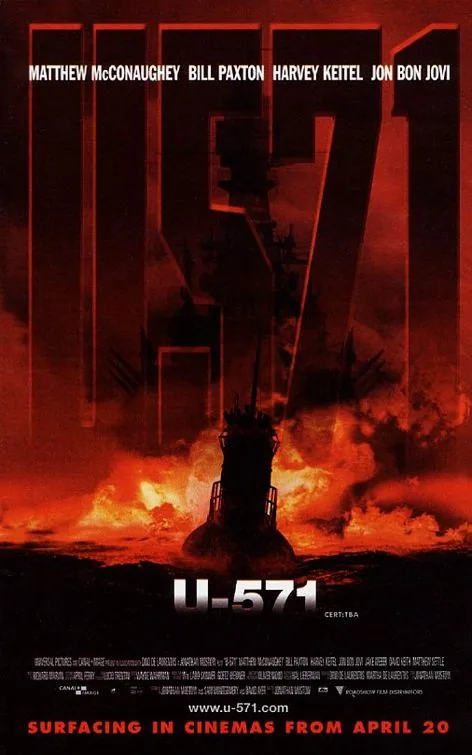
During the Battle of the Atlantic, an American submarine crew undertakes a dangerous mission to seize a German Enigma machine from a disabled U-boat. The operation forces the crew into close quarters, with command, survival and deception all under pressure. The film shapes its wartime story as a confined action thriller built around a high-risk maritime objective.
Both share themes of duty, plus a claustrophobic atmosphere.
Why this matches +
Genres: Drama / Thriller
Shared film traits
Based on recorded story, mood and style. Your preferences can change the order.
What changes Crimson Tide: real-time pressure escalates through arguments and combat damage. K-19: The Widowmaker: measured and escalating.
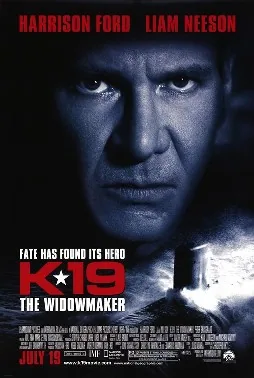
A Soviet submarine begins a politically urgent mission under a new captain whose demands unsettle the officer the crew already trusts. A reactor failure exposes inadequate preparation and forces sailors to enter a lethal environment with little protection. The conflict between command, rescue and national secrecy intensifies as help from the opposing Cold War power becomes possible. The historical drama makes courage visible through technical labor and obedience under damaged conditions, while questioning the institution that requires people to risk themselves to preserve its appearance of readiness.
Both share themes of duty, plus a claustrophobic and tense atmosphere.
Why this matches +
Genres: War / Drama
Shared film traits
Based on recorded story, mood and style. Your preferences can change the order.
War and civilian life
What changes Crimson Tide: real-time pressure escalates through arguments and combat damage. Das Boot: variable.
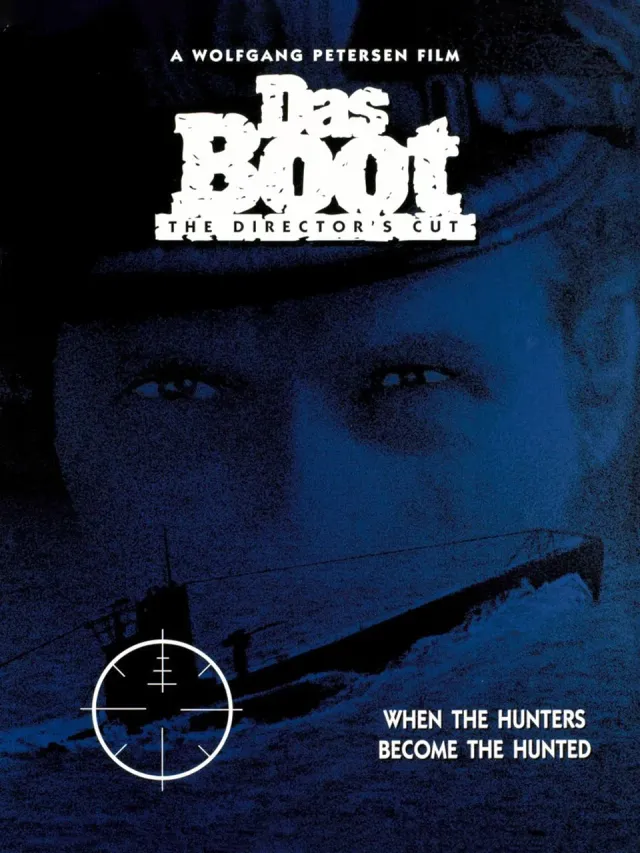
A young correspondent joins a German submarine crew whose long periods of boredom give way to pursuit, mechanical failure and pressure at depths the vessel may not withstand. Experienced sailors' practical cynicism contrasts with more committed ideological certainty, but shared confinement does not remove the war's human consequences outside the hull. Surviving one ordeal only produces another order, making technical solidarity an unreliable promise that anyone controls the voyage's larger purpose. The crew’s shared competence is repeatedly tested by orders issued for a war whose purpose they do not control.
Both share themes of trust, plus a tense atmosphere.
Why this matches +
Genres: Drama / Thriller
Shared film traits
Based on recorded story, mood and style. Your preferences can change the order.
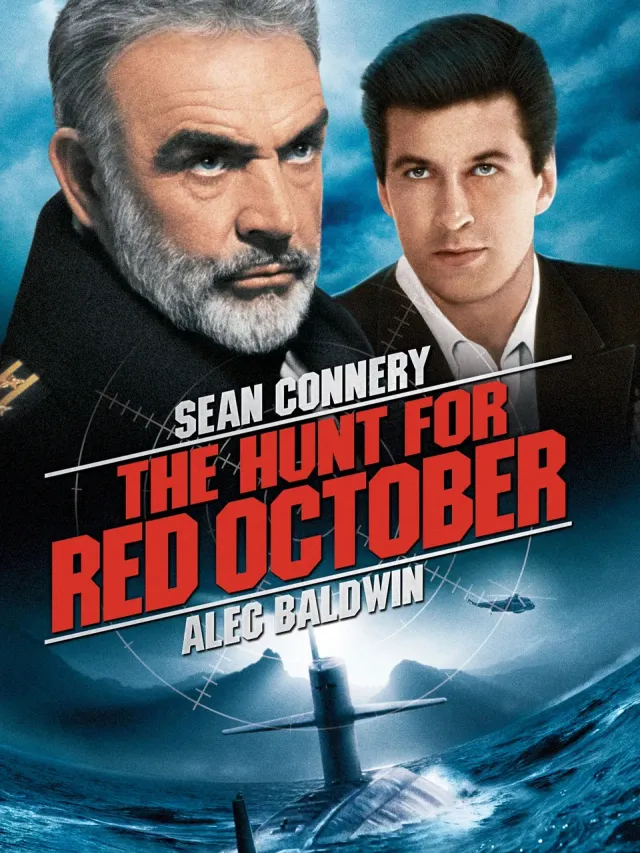
What changes Crimson Tide: real-time pressure escalates through arguments and combat damage. The Hunt for Red October: strategic maneuvering and steady escalation.
Soviet submarine captain Marko Ramius takes command of the advanced Red October and secretly alters its course toward the United States. CIA analyst Jack Ryan believes Ramius intends to defect, while American officials fear he may be preparing a nuclear strike. With Soviet forces pursuing the submarine and the crew uncertain about their captain, Ryan must persuade both governments to wait long enough to understand what is happening. The thriller turns Cold War suspicion into a submerged identification problem, where sonar readings, orders and personal motives can all be misread.
Based on recorded story, mood and style. Your preferences can change the order.
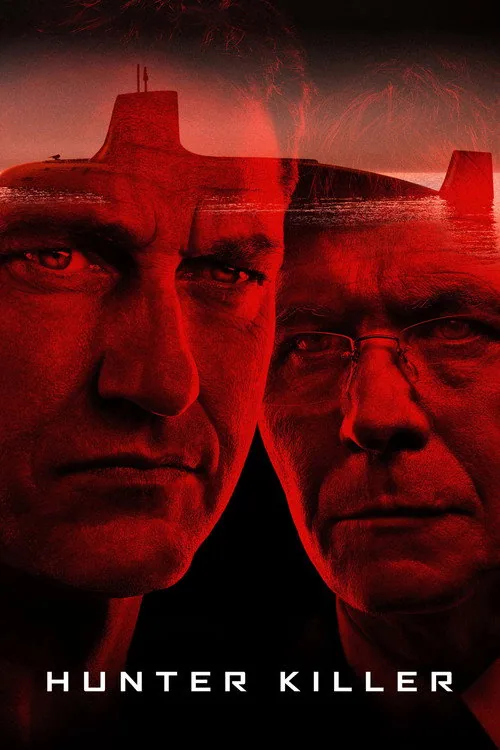
What changes Crimson Tide: real-time pressure escalates through arguments and combat damage. Hunter Killer: mission-focused, intercut suspense and combat escalation.
When an American submarine disappears in Arctic waters, newly assigned captain Joe Glass takes the USS Arkansas to investigate. At the same time, a team of Navy SEALs discovers that a Russian defense minister has staged a coup and taken the Russian president prisoner. Glass and a surviving Russian submarine captain must cooperate as the Americans attempt a rescue and work to prevent an international crisis. The film combines naval action with a political thriller built around parallel missions.
Both share themes of authority and trust, plus an urgent and tense atmosphere.
Why this matches +
Genres: Action / Thriller
Shared film traits
Based on recorded story, mood and style. Your preferences can change the order.
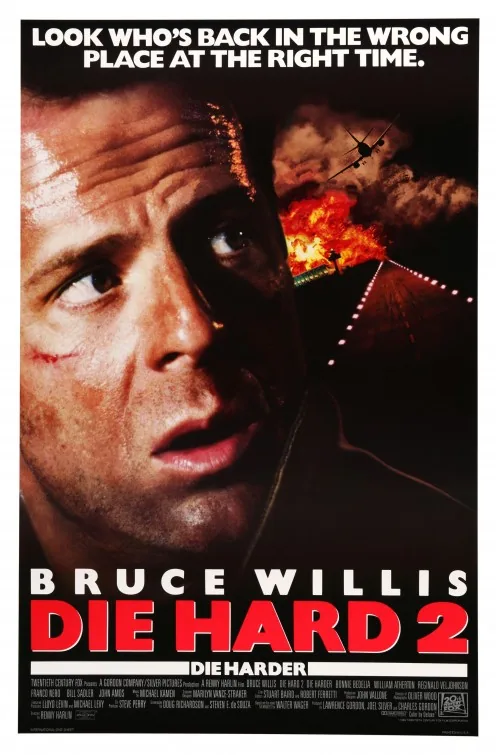
What changes Crimson Tide: real-time pressure escalates through arguments and combat damage. Die Hard 2: fast.
Waiting at an airport for his wife's flight, John McClane notices a suspicious exchange that local authorities dismiss. A coordinated seizure of communication and runway systems turns aircraft circling overhead into hostages to a military prisoner's arrival. With fuel running down, direct physical intervention on the ground must somehow reach people who cannot see the danger, while supposed professional reinforcements do not necessarily share the purpose their authority suggests.
Both share themes of duty, plus a tense atmosphere.
Why this matches +
Genres: Action / Thriller
Shared film traits
Based on recorded story, mood and style. Your preferences can change the order.
War and civilian life
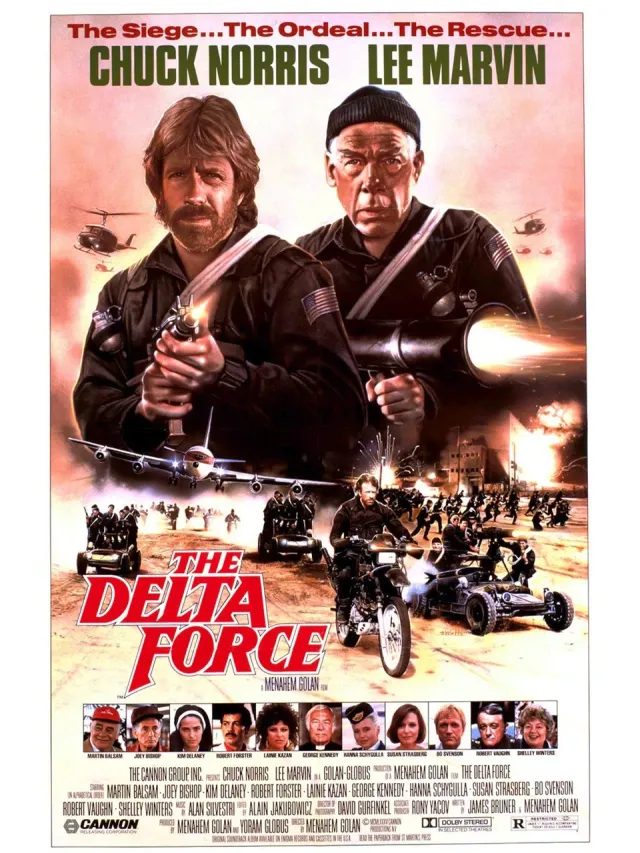
What changes Crimson Tide: real-time pressure escalates through arguments and combat damage. The Delta Force: mission-driven.
After a passenger flight is hijacked by terrorists, an elite American unit is sent to locate the plane and rescue the hostages. Major Scott McCoy and Colonel Nick Alexander lead the response as the captors move passengers between locations and negotiations unfold under pressure. The operation becomes a race to gather intelligence and act without exposing the remaining civilians to greater danger.
Both share themes of duty, plus a tense atmosphere.
Why this matches +
Genres: Action / War
Shared film traits
Based on recorded story, mood and style. Your preferences can change the order.
War and civilian life
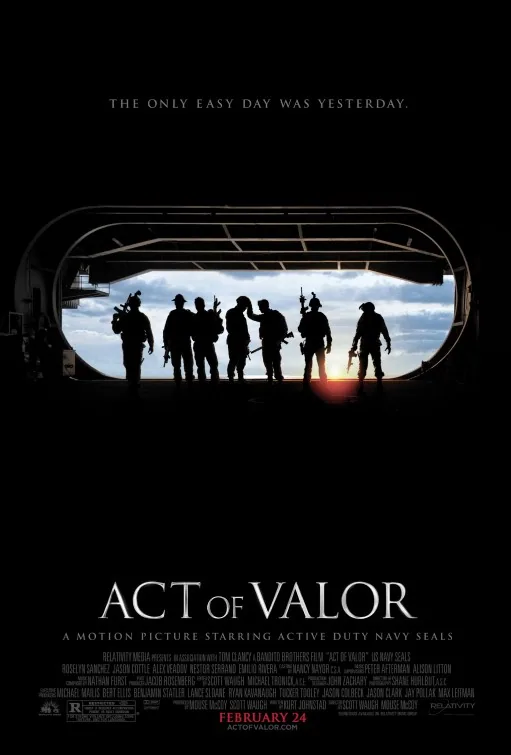
What changes Crimson Tide: real-time pressure escalates through arguments and combat damage. Act of Valor: mission-based episodic escalation.
A team of U.S. Navy SEALs moves from a hostage rescue to a mission against an international terrorist network threatening American targets. The film presents military operations through action sequences and performances by active-duty SEALs, connecting individual missions to the unit’s code and family ties. Its narrative is structured as a patriotic action thriller, with tactical set pieces taking priority over character study.
Both share a claustrophobic and urgent atmosphere.
Why this matches +
Genres: Thriller / Drama
Shared film traits
Based on recorded story, mood and style. Your preferences can change the order.
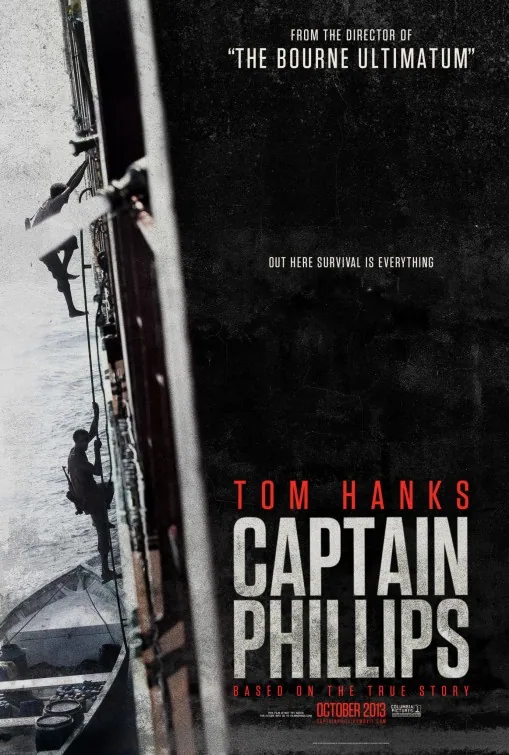
What changes Crimson Tide: real-time pressure escalates through arguments and combat damage. Captain Phillips: escalating.
Somali pirates board an American cargo ship, forcing Captain Richard Phillips to improvise ways to protect his crew while negotiating with armed men whose control is less secure than it appears. The crisis contracts into a lifeboat hostage situation as overwhelming naval force approaches. Each side must read gestures, promises and changing tactical limits, while the distance between the pirates' expectations and the power surrounding them becomes increasingly dangerous.
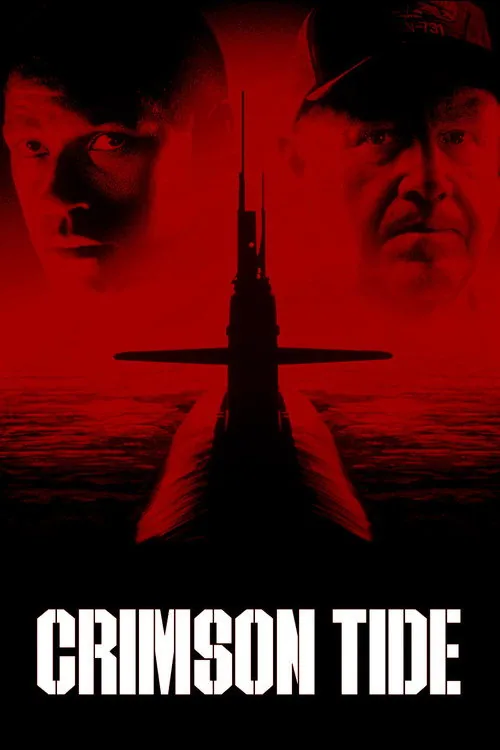
The U.S. submarine Alabama receives an order to launch nuclear missiles during a crisis in Russia, but an attack interrupts a second message before the crew can confirm whether the order still stands. Captain Frank Ramsey favors acting on the last complete command; executive officer Ron Hunter insists on waiting for verification. Tony Scott’s submarine thriller turns procedure into a high-pressure moral conflict, with the officers’ disagreement putting the crew and the wider world at risk inside a sealed vessel.
What drives the story
An incomplete emergency message leaves the launch decision dependent on the officers’ competing interpretation of their orders.
The people at its centre
Ramsey’s combat experience and Hunter’s analytical caution become competing leadership styles as the crew’s allegiance divides.
What it feels like
The movie combines intense dialogue, a confined setting, and naval combat with a nuclear crisis premise.
Worth knowing
It is a command-and-protocol thriller set aboard a submarine, not a broad battlefield war film.
DutyAuthorityJudgment
Mood
Tense · Claustrophobic · Urgent
Pacing
Real-time pressure escalates through arguments and combat damage
Visual style
Tight steel interiors · Red alert lighting · Industrial control rooms