Explore films connected to K-19: The Widowmaker through Duty, Institutional failure, Sacrifice. Choose the qualities you want to carry into your next watch.
What should feel similar?
Find your next favourite
9 films · Closest overall matches
Hide films you’ve seen or don’t want. Saved on this device.
No matches for this combination yet.
Try another option or reset your choices to see more films.
Based on recorded story, mood and style. Your preferences can change the order.
Survival
What changes K-19: The Widowmaker: measured and escalating. Das Boot: variable.
A young correspondent joins a German submarine crew whose long periods of boredom give way to pursuit, mechanical failure and pressure at depths the vessel may not withstand. Experienced sailors' practical cynicism contrasts with more committed ideological certainty, but shared confinement does not remove the war's human consequences outside the hull. Surviving one ordeal only produces another order, making technical solidarity an unreliable promise that anyone controls the voyage's larger purpose. The crew’s shared competence is repeatedly tested by orders issued for a war whose purpose they do not control.
Both share themes of duty, plus a claustrophobic atmosphere.
Why this matches +
Genres: Action / Thriller
Shared film traits
Based on recorded story, mood and style. Your preferences can change the order.
What changes K-19: The Widowmaker: measured and escalating. Crimson Tide: real-time pressure escalates through arguments and combat damage.
The U.S. submarine Alabama receives an order to launch nuclear missiles during a crisis in Russia, but an attack interrupts a second message before the crew can confirm whether the order still stands. Captain Frank Ramsey favors acting on the last complete command; executive officer Ron Hunter insists on waiting for verification. Tony Scott’s submarine thriller turns procedure into a high-pressure moral conflict, with the officers’ disagreement putting the crew and the wider world at risk inside a sealed vessel.
Both share themes of duty, plus a somber atmosphere.
Why this matches +
Genres: Action / Drama
Shared film traits
Based on recorded story, mood and style. Your preferences can change the order.
Survival
What changes K-19: The Widowmaker: measured and escalating. Tears of the Sun: relentless and journey-driven.
A Navy SEAL team enters Nigeria during political collapse to extract an American doctor from a remote clinic. She refuses to leave the people in her care, forcing soldiers to decide whether to follow orders narrowly or help civilians reach safety. The war drama follows the decision through a dangerous trek where protection, duty and military force carry conflicting meanings.
Both share themes of duty, plus a somber atmosphere.
Why this matches +
Genres: Action / Thriller
Shared film traits
Based on recorded story, mood and style. Your preferences can change the order.
What changes K-19: The Widowmaker: measured and escalating. No Time to Die: fast.
A retired intelligence officer is drawn back into action when a former ally asks for help recovering a kidnapped scientist. The mission reveals a targeted biological weapon and unresolved links between a terrorist organisation, a past romance and an enemy with private grievances. Cooperation with his replacement and former colleagues becomes necessary as the threat turns professional duty into a question of trust, family and the possibility of returning to ordinary life.
Both share themes of duty and sacrifice, plus a somber and intense atmosphere.
Why this matches +
Genres: Action / Drama
Shared film traits
Based on recorded story, mood and style. Your preferences can change the order.
Survival
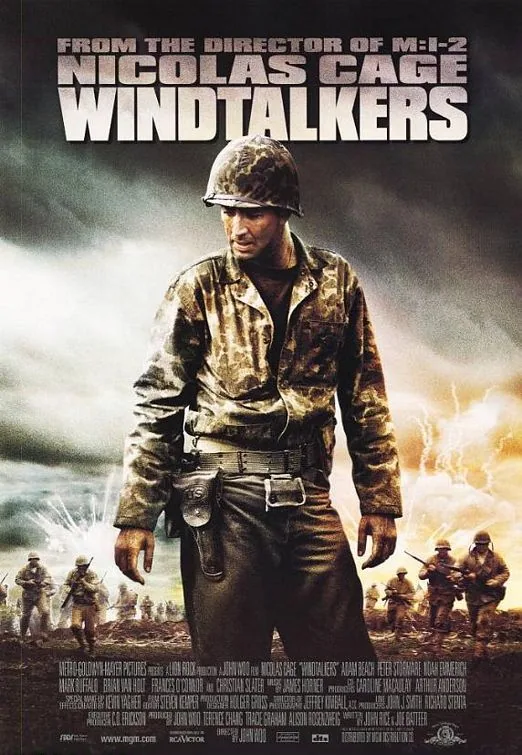
What changes K-19: The Widowmaker: measured and escalating. Windtalkers: relentless and set-piece driven.
During the Pacific campaign of the Second World War, a Marine is assigned to protect a Navajo code talker whose language supports secure military communications. The mission places survival beside an order to keep the code from enemy hands. The war drama follows men under combat pressure while raising the moral cost of treating a fellow soldier as both person and military asset.
Both share themes of duty, plus a claustrophobic atmosphere.
Why this matches +
Genres: Action / War
Shared film traits
Based on recorded story, mood and style. Your preferences can change the order.
Survival
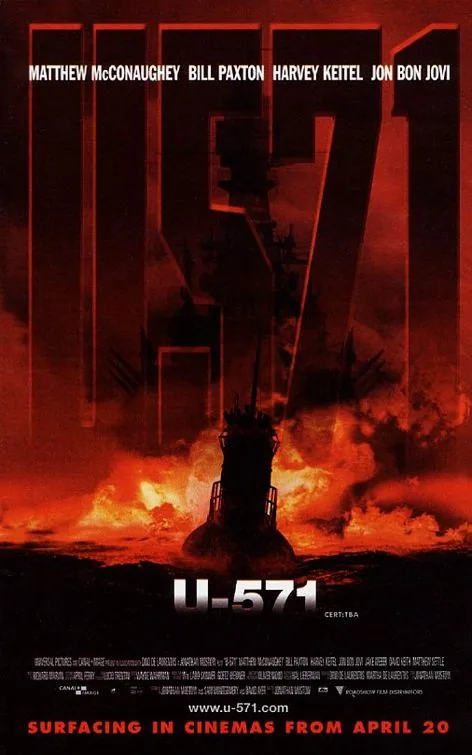
What changes K-19: The Widowmaker: measured and escalating. U-571: propulsive and suspenseful.
During the Battle of the Atlantic, an American submarine crew undertakes a dangerous mission to seize a German Enigma machine from a disabled U-boat. The operation forces the crew into close quarters, with command, survival and deception all under pressure. The film shapes its wartime story as a confined action thriller built around a high-risk maritime objective.
Based on recorded story, mood and style. Your preferences can change the order.
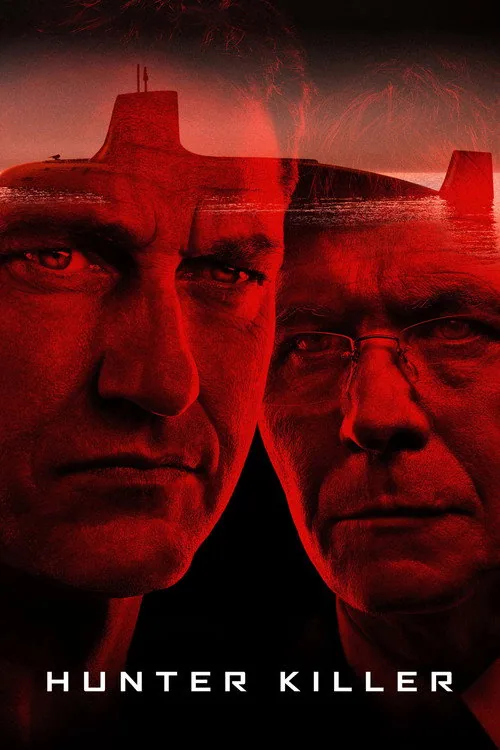
What changes K-19: The Widowmaker: measured and escalating. Hunter Killer: mission-focused, intercut suspense and combat escalation.
When an American submarine disappears in Arctic waters, newly assigned captain Joe Glass takes the USS Arkansas to investigate. At the same time, a team of Navy SEALs discovers that a Russian defense minister has staged a coup and taken the Russian president prisoner. Glass and a surviving Russian submarine captain must cooperate as the Americans attempt a rescue and work to prevent an international crisis. The film combines naval action with a political thriller built around parallel missions.
Based on recorded story, mood and style. Your preferences can change the order.
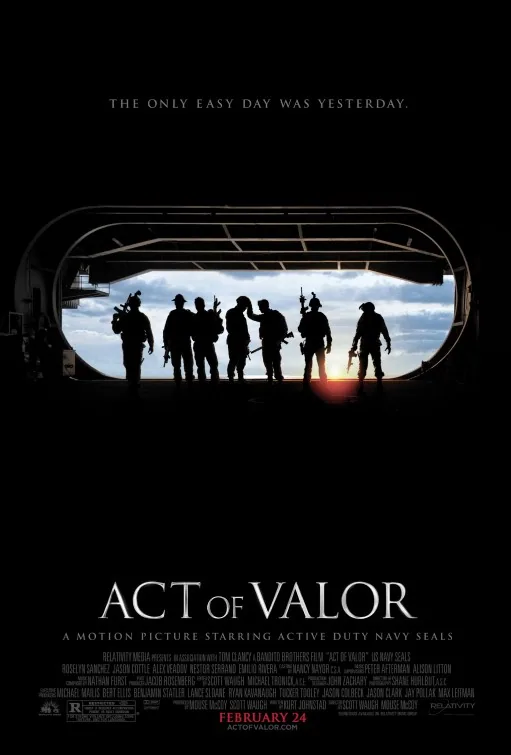
What changes K-19: The Widowmaker: measured and escalating. Act of Valor: mission-based episodic escalation.
A team of U.S. Navy SEALs moves from a hostage rescue to a mission against an international terrorist network threatening American targets. The film presents military operations through action sequences and performances by active-duty SEALs, connecting individual missions to the unit’s code and family ties. Its narrative is structured as a patriotic action thriller, with tactical set pieces taking priority over character study.
Based on recorded story, mood and style. Your preferences can change the order.
What changes K-19: The Widowmaker: measured and escalating. GoldenEye: fast.
A British intelligence officer investigates the theft of a space-based weapons system from a former Soviet facility and discovers a threat linked to a mission from his own past. Working with a surviving programmer requires understanding both the technology and the betrayal behind its intended use. The end of the Cold War provides little reassurance that loyalties are now simple, especially when personal grievance can be converted into a plan for widespread financial disruption.
A Soviet submarine begins a politically urgent mission under a new captain whose demands unsettle the officer the crew already trusts. A reactor failure exposes inadequate preparation and forces sailors to enter a lethal environment with little protection. The conflict between command, rescue and national secrecy intensifies as help from the opposing Cold War power becomes possible. The historical drama makes courage visible through technical labor and obedience under damaged conditions, while questioning the institution that requires people to risk themselves to preserve its appearance of readiness.
What drives the story
A reactor emergency turns a prestige mission into a containment crisis, with rival command priorities determining whether saving the crew can be separated from protecting the state.
The people at its centre
Vostrikov's formal authority meets Polenin's established care for the sailors, while the young reactor officer's fear makes sacrifice a human decision rather than an automatic professional quality.
What it feels like
Confined machinery, repeated repair entries and escalating bodily damage create pressure through technical limits rather than a conventional submarine duel.
Worth knowing
The commanders and dialogue are dramatized around a historical accident; severe radiation injury is part of the viewing experience, and the film is not operational or medical guidance.