An incomplete emergency message leaves the launch decision dependent on the officers’ competing interpretation of their orders.
Why this matches +
A confined professional group's technical competence cannot remove bodily vulnerability or dependence on collective trust.
Genres: Action / Thriller
Shared film traits
Based on recorded story, mood and style. Your preferences can change the order.
War and civilian life
What changes Das Boot: variable. Crimson Tide: real-time pressure escalates through arguments and combat damage.
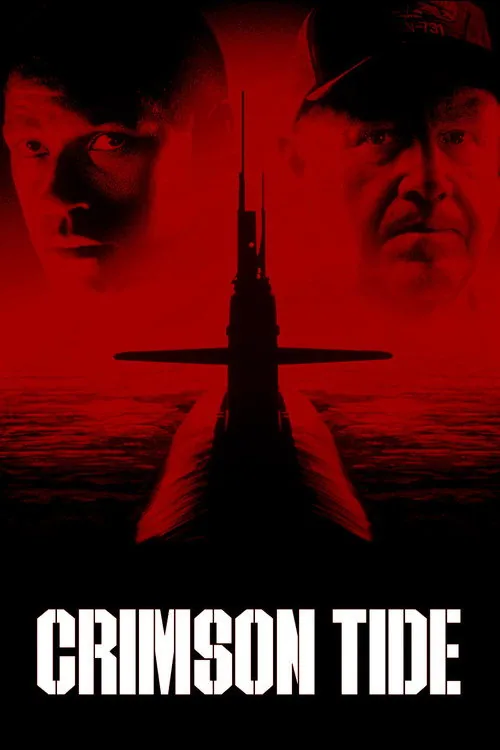
The U.S. submarine Alabama receives an order to launch nuclear missiles during a crisis in Russia, but an attack interrupts a second message before the crew can confirm whether the order still stands. Captain Frank Ramsey favors acting on the last complete command; executive officer Ron Hunter insists on waiting for verification. Tony Scott’s submarine thriller turns procedure into a high-pressure moral conflict, with the officers’ disagreement putting the crew and the wider world at risk inside a sealed vessel.
A long naval pursuit forces a captain to balance mission, ship and crew against the scientific detour promised to his closest friend.
Why this matches +
A confined professional group's technical competence cannot remove bodily vulnerability or dependence on collective trust.
Genres: Adventure / Drama
Shared film traits
Based on recorded story, mood and style. Your preferences can change the order.
War and civilian life
What changes Das Boot: variable. Master and Commander: The Far Side of the World: measured and escalating.
In 1805, French privateer Acheron ambushes the British frigate HMS Surprise, and Captain Jack Aubrey chooses to pursue it rather than return to port. The chase toward the Galápagos puts his duty to protect British whalers against his promise to let ship's surgeon Stephen Maturin study the islands. Aubrey's decisions affect a crew that depends on his command, while Maturin's scientific ambitions and friendship with the captain give the voyage another purpose. Repairs, discipline, illness and naval battles make the ship itself a close community under sustained danger.
A prisoner's defence of military standards becomes identification with an enemy project that an allied sabotage team is trying to destroy.
Why this matches +
A confined professional group's technical competence cannot remove bodily vulnerability or dependence on collective trust.
Genres: Drama / War
Shared film traits
Based on recorded story, mood and style. Your preferences can change the order.
Survival · War and civilian life
What changes Das Boot: variable. The Bridge on the River Kwai: measured and intense.
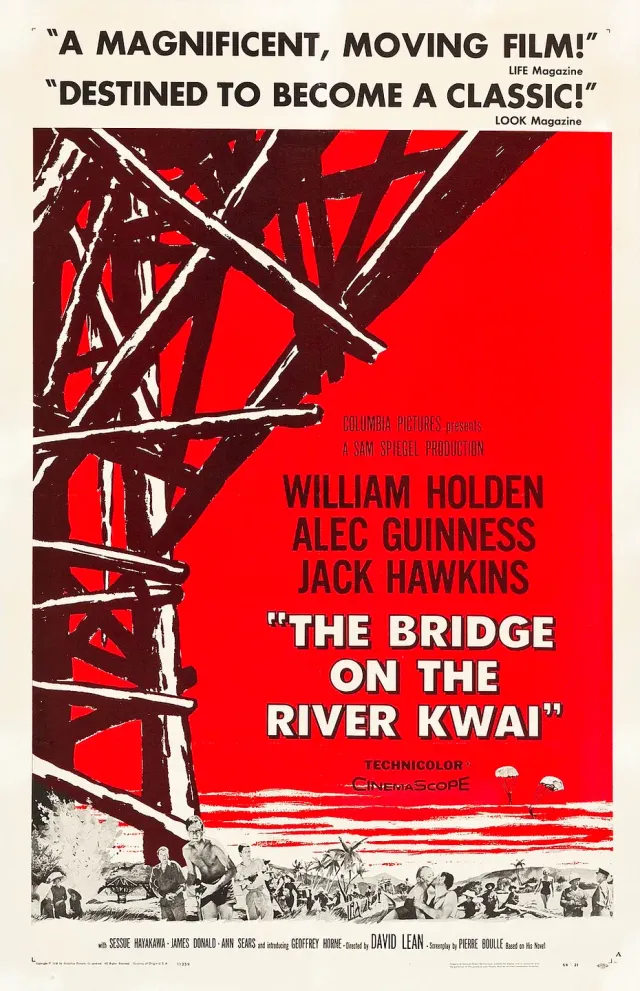
British prisoners in a Japanese camp are ordered to construct a railway bridge serving the enemy's war effort. Their commanding officer first resists the commandant on matters of principle, then begins treating an efficiently built bridge as proof of his men's discipline and dignity. Meanwhile, a separate mission seeks to destroy the same structure, turning professional pride and military duty into forces capable of working against their supposed purpose.
A two-part account connects the manufacture of military obedience with a combat environment that makes the resulting identities unstable and morally difficult to sustain.
Why this matches +
A confined professional group's technical competence cannot remove bodily vulnerability or dependence on collective trust.
Genres: Drama / War
Shared film traits
Based on recorded story, mood and style. Your preferences can change the order.
War and civilian life
What changes Das Boot: variable. Full Metal Jacket: intense.
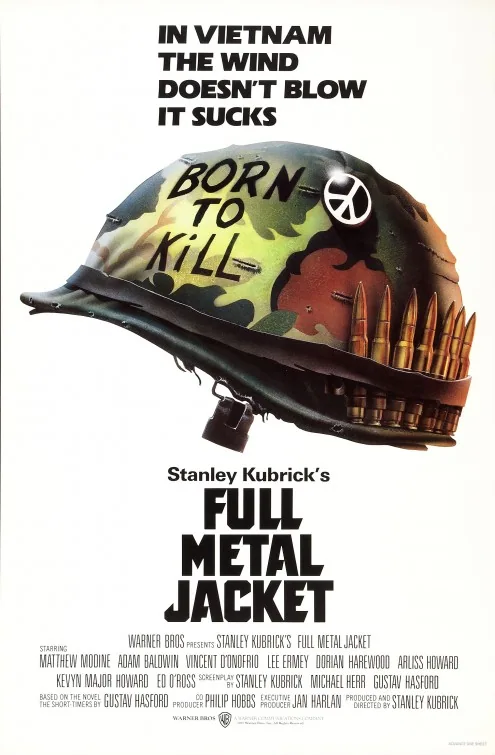
Young American recruits enter Marine training under an instructor who treats humiliation and the destruction of private identity as tools for producing soldiers. The story later follows a military journalist and other servicemen into urban fighting in Vietnam, where institutional language and actual violence do not remain comfortably aligned. Moving between the training system and its consequences exposes both the habits it creates and the ways individuals adapt, perform or fracture inside them.
Repeated patrols expose a recruit to an escalating division within his own unit, making combat inseparable from a struggle over the conduct of war.
Why this matches +
A confined professional group's technical competence cannot remove bodily vulnerability or dependence on collective trust.
Genres: Drama / Action
Shared film traits
Based on recorded story, mood and style. Your preferences can change the order.
War and civilian life
What changes Das Boot: variable. Platoon: intense.
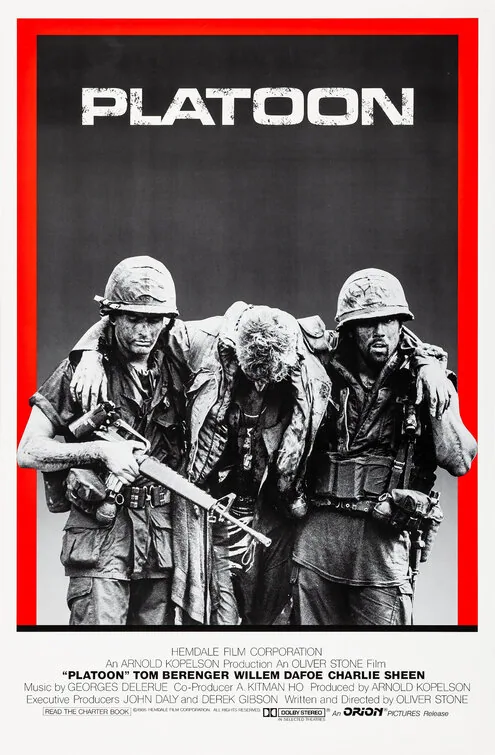
A young American volunteer arrives in Vietnam expecting a test of courage and finds exhaustion, fear and a unit divided between two experienced sergeants. Their conflicting responses to civilians and perceived betrayal turn the platoon's internal loyalties into another source of danger. The recruit's effort to understand what kind of soldier he can become is overtaken by acts that blur the separation between survival, obedience and moral responsibility.
The tactical shift to a defense from caves and tunnels changes the battle from an open-front engagement into a prolonged survival problem. Letters provide a second structure, carrying home lives into a position where return is unlikely.
Why this matches +
A confined professional group's technical competence cannot remove bodily vulnerability or dependence on collective trust.
Genres: War / Drama
Shared film traits
Based on recorded story, mood and style. Your preferences can change the order.
War and civilian life
What changes Das Boot: variable. Letters from Iwo Jima: nonlinear and measured.
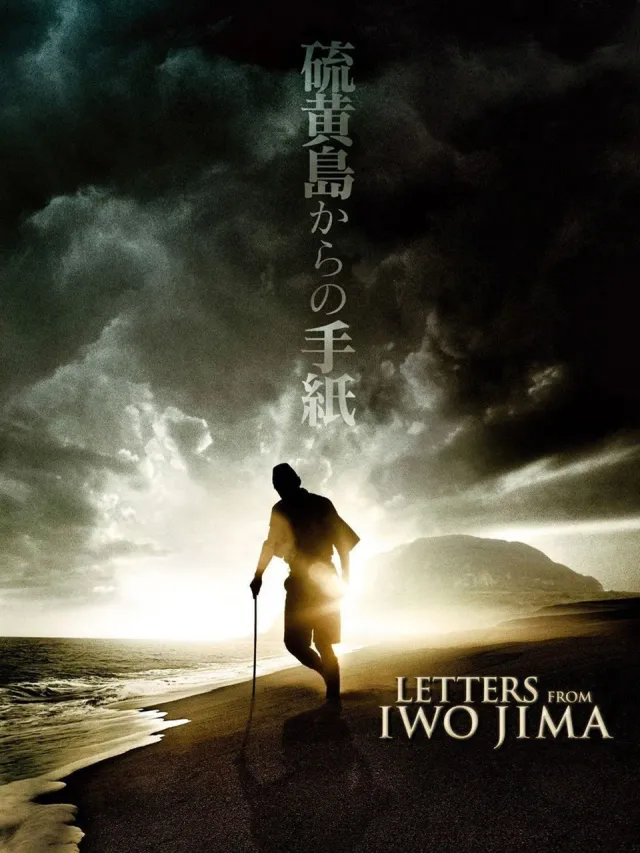
As U.S. forces approach Iwo Jima in 1945, Japanese soldiers prepare to defend an island they know they may not survive. Letters and flashbacks follow General Kuribayashi, Saigo the baker and other men whose motives range from duty and fear to attachment to families at home. Their human individuality complicates the language of national honor without making the film a full account of the Pacific War or Japanese imperial responsibility. Clint Eastwood’s Japanese-language companion to Flags of Our Fathers focuses on one selected military perspective; it does not stand for every Japanese soldier or civilian. The battle’s underground tunnels and fragmented correspondence turn defense into an intimate, enclosed ordeal, while the historical context remains larger than the film’s sympathetic frame.
An impossible military order produces a prosecution designed to displace responsibility down the chain of command.
Why this matches +
A confined professional group's technical competence cannot remove bodily vulnerability or dependence on collective trust.
Genres: Drama / War
Shared film traits
Based on recorded story, mood and style. Your preferences can change the order.
War and civilian life
What changes Das Boot: variable. Paths of Glory: measured and escalating.
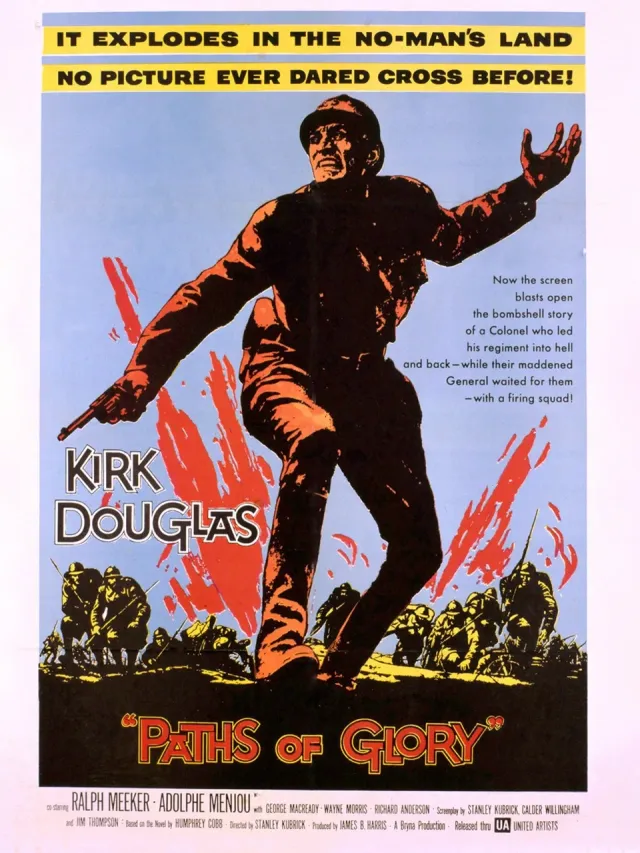
A French regiment is ordered into an attack that senior officers have little reason to expect it can survive. After failure, selected soldiers face trial for cowardice while their commander attempts to defend them. The proceedings expose a hierarchy more concerned with reputation and discipline than with the circumstances of the men whose lives it controls.
A contested advance places command pressure against the cost of sending particular men into danger, while shifting perspectives continually exceed the official mission.
Why this matches +
A confined professional group's technical competence cannot remove bodily vulnerability or dependence on collective trust.
Genres: Drama / War
Shared film traits
Based on recorded story, mood and style. Your preferences can change the order.
War and civilian life
What changes Das Boot: variable. The Thin Red Line: meditative.
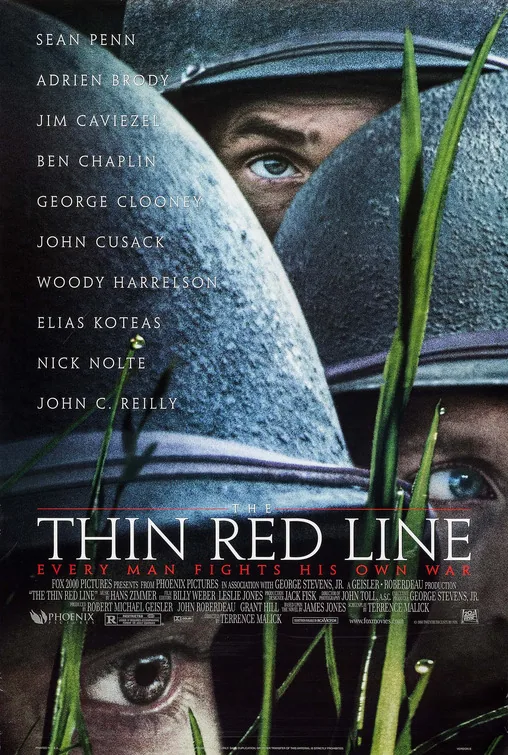
An American infantry company arrives on Guadalcanal and confronts a landscape whose beauty offers no protection from military objectives or unpredictable killing. Attempts to capture a defended position expose differences between career ambition, tactical responsibility and the soldiers' private attachments. Multiple voices reflect on nature, violence and loss as the campaign continues, making neither strategic progress nor individual courage sufficient to explain what the men experience.
Patriotic recruitment gives way to attrition, while the gap between civilian rhetoric and frontline experience makes return feel like another form of isolation.
Why this matches +
A confined professional group's technical competence cannot remove bodily vulnerability or dependence on collective trust.
Genres: War / Drama
Shared film traits
Based on recorded story, mood and style. Your preferences can change the order.
War and civilian life
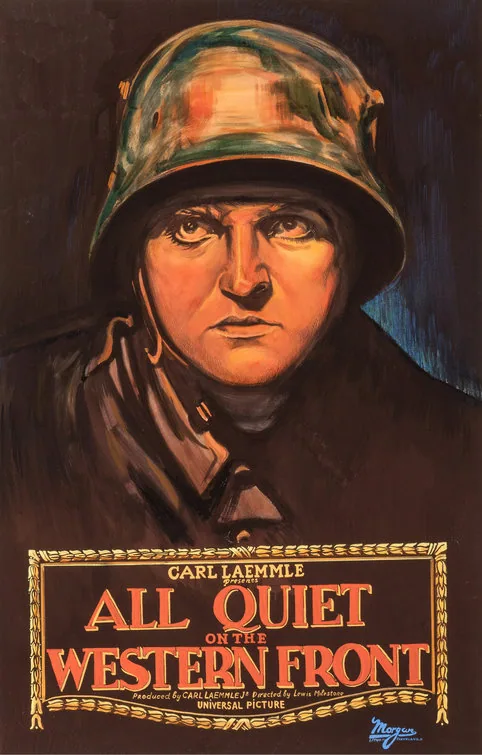
What changes Das Boot: variable. All Quiet on the Western Front: measured and intense.
German schoolboys enter the First World War encouraged by patriotic teaching and the promise of meaningful comradeship. Training and the front replace that expectation with fear, hunger, bodily injury, and the repetitive loss of friends. Returning briefly to civilian life reveals how little those urging sacrifice understand, making the young soldier's experience a widening estrangement from the language that first sent him to war.
A rescue order sends an exhausted combat unit across hostile territory, repeatedly forcing tactical decisions against the moral arithmetic of the mission.
Why this matches +
A military mission exposes how ordinary people bear the human consequences of strategic choices made in the name of a larger cause.
An adjacent discovery: a related idea with a different viewing experience.
Genres: Drama / Action
Shared film traits
Based on recorded story, mood and style. Your preferences can change the order.
Survival · War and civilian life
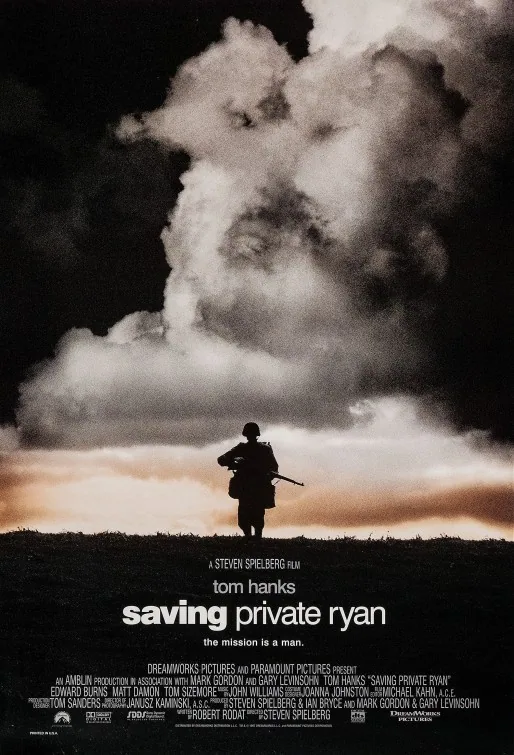
What changes Das Boot: variable. Saving Private Ryan: intense and epic.
Following the Normandy landings, a squad of American soldiers is ordered to locate a paratrooper whose brothers have been killed and send him home. Their movement through contested French territory exposes them to repeated losses and disagreements about the value of risking several lives for one. A captain's authority must hold the unit together as the mission tests duty, compassion and the uneasy meaning of deserving survival.
The amnesty bargain is both recruitment and coercion: Reisman needs the prisoners to become a unit before using them in a mission designed around high expected losses.
Why this matches +
A military mission exposes how ordinary people bear the human consequences of strategic choices made in the name of a larger cause.
An adjacent discovery: a related idea with a different viewing experience.
Genres: Drama / Action
Shared film traits
Based on recorded story, mood and style. Your preferences can change the order.
War and civilian life
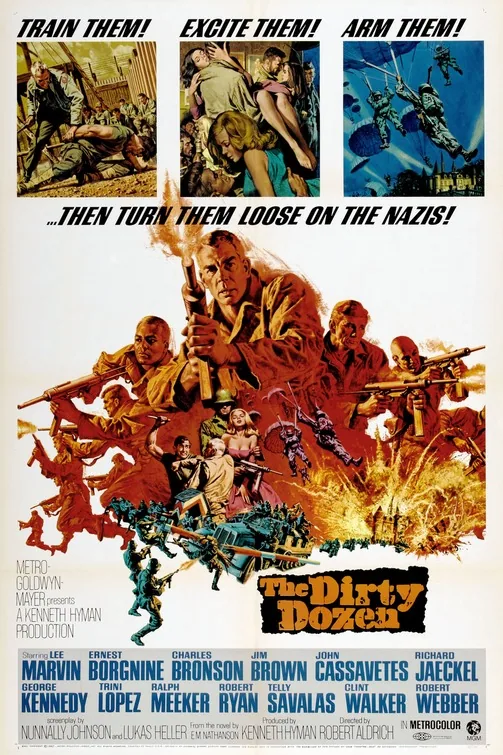
What changes Das Boot: variable. The Dirty Dozen: training ensemble and mission escalation.
Army major John Reisman is ordered to train twelve military prisoners for a dangerous mission behind German lines before D-Day. The men have been convicted of serious crimes, and the deal is that survivors may receive amnesty. Reisman first has to make a hostile group follow orders, then prepare them to attack a château where German officers are gathered. Their training exposes rivalries and the limits of discipline; during the operation, a change in the target’s circumstances makes the plan more morally fraught than its briefing suggested. The mission depends on teamwork among men who distrust one another, while Reisman weighs the strategic objective against the cost of treating them as expendable weapons.
A communal departure, wartime captivity and fractured return reveal how violence changes the possibility of resuming an earlier life.
Why this matches +
A military mission exposes how ordinary people bear the human consequences of strategic choices made in the name of a larger cause.
An adjacent discovery: a related idea with a different viewing experience.
Genres: Drama / War
Shared film traits
Based on recorded story, mood and style. Your preferences can change the order.
Survival · War and civilian life
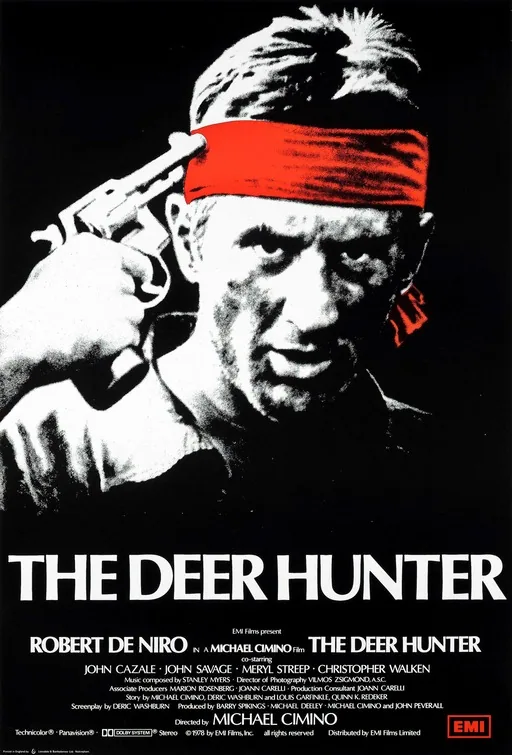
What changes Das Boot: variable. The Deer Hunter: measured and epic.
Three friends from a Pennsylvania steelworking community leave for service in Vietnam after a wedding that draws together their social world. Captivity and extreme coercion rupture their shared assumptions, and returning home does not restore the relationships or confidence the departure seemed to guarantee. A renewed effort to recover a missing friend makes survival inseparable from confronting damage that cannot be solved by reproducing familiar rituals.
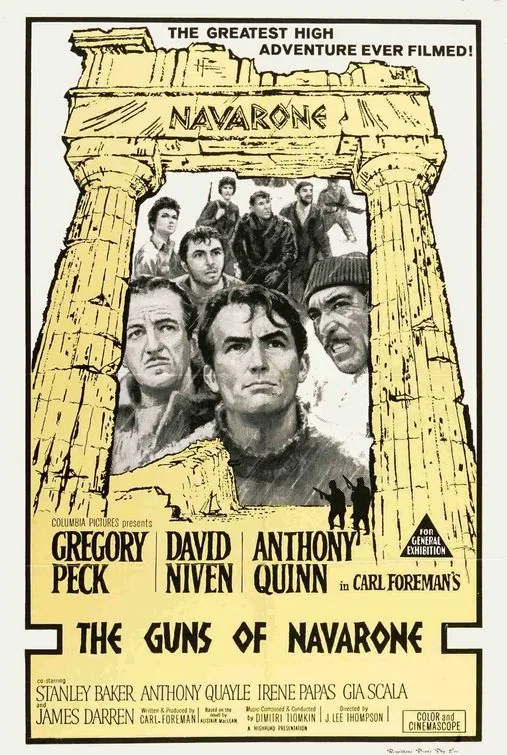
The guns turn a rescue into a timed sabotage mission: the commandos must penetrate the island and destroy the weapons before the fleet approaches.
Why this matches +
A military mission exposes how ordinary people bear the human consequences of strategic choices made in the name of a larger cause.
An adjacent discovery: a related idea with a different viewing experience.
Genres: Drama / Action
Shared film traits
Based on recorded story, mood and style. Your preferences can change the order.
War and civilian life
What changes Das Boot: variable. The Guns of Navarone: mission planning and infiltration and combat.
A British commando team is sent to infiltrate a German-held Greek island whose enormous guns prevent the Royal Navy from rescuing troops trapped on nearby Keros. Captain Keith Mallory, explosives expert John Miller and their companions must cross hostile terrain, survive mistrust within the group and reach the fortress before the rescue window closes. The mission’s practical problem—how to disable a position that air raids cannot reach—organizes the film’s mixture of covert movement, sabotage and wartime suspense. Its characters are fictional, and the island operation is a dramatic wartime adventure rather than a documentary account.
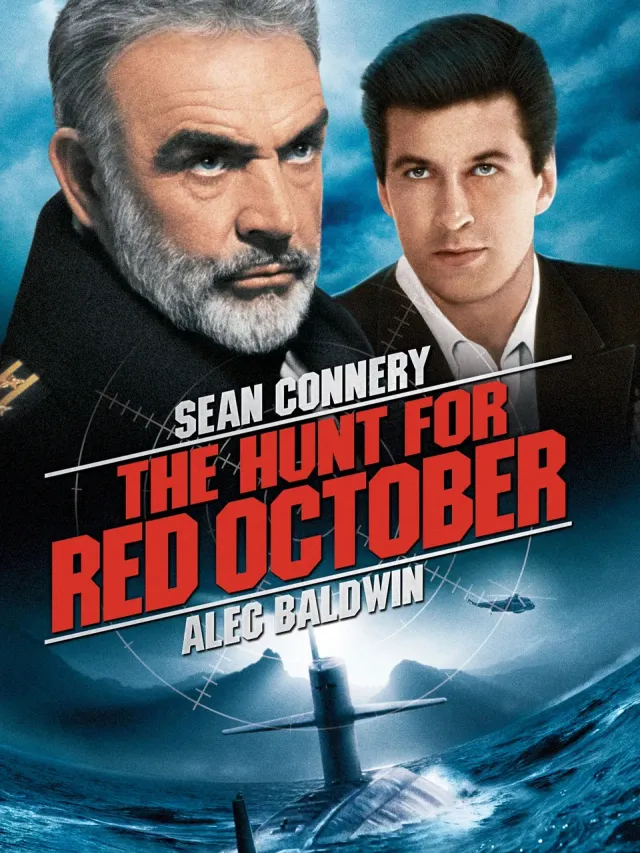
Ryan’s interpretation of Ramius’s intentions races against the military response that could turn a defection into a war.
Why this matches +
A military mission exposes how ordinary people bear the human consequences of strategic choices made in the name of a larger cause.
An adjacent discovery: a related idea with a different viewing experience.
Genres: Drama / Thriller
Shared film traits
Based on recorded story, mood and style. Your preferences can change the order.
What changes More conventional strategic suspense and less harrowing antiwar bodily danger, while retaining confined naval professionalism.
Soviet submarine captain Marko Ramius takes command of the advanced Red October and secretly alters its course toward the United States. CIA analyst Jack Ryan believes Ramius intends to defect, while American officials fear he may be preparing a nuclear strike. With Soviet forces pursuing the submarine and the crew uncertain about their captain, Ryan must persuade both governments to wait long enough to understand what is happening. The thriller turns Cold War suspicion into a submerged identification problem, where sonar readings, orders and personal motives can all be misread.
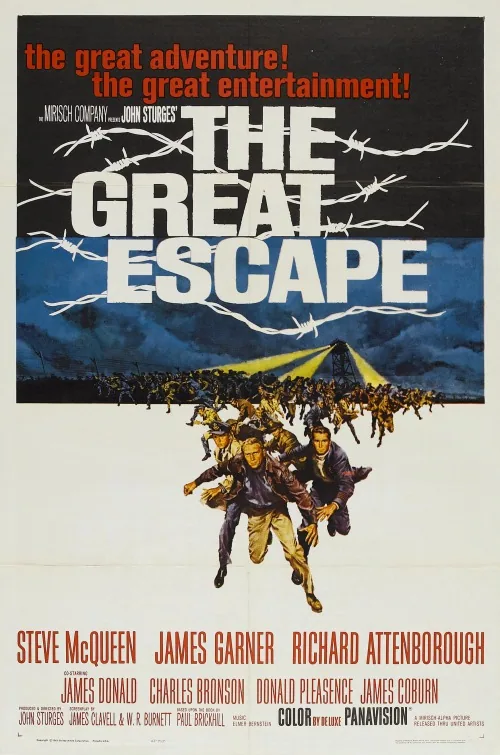
The three-tunnel plan divides the escape into interdependent jobs requiring secrecy, specialized skill and timing. Hilts’s individual escape attempts contrast with Bartlett’s collective operation, but the film’s American characters are inventions rather than participants in the actual breakout.
Why this matches +
A military mission exposes how ordinary people bear the human consequences of strategic choices made in the name of a larger cause.
An adjacent discovery: a related idea with a different viewing experience.
Genres: Drama / Thriller
Shared film traits
Based on recorded story, mood and style. Your preferences can change the order.
War and civilian life
What changes Das Boot: variable. The Great Escape: planning ensemble and escape and aftermath.
At Stalag Luft III, Allied airmen organize a mass escape through three tunnels, relying on specialist teams to make forged papers, civilian clothes and a hidden route. Hilts repeatedly tries to escape alone while Bartlett coordinates the larger plan. In the real 1944 breakout, 76 prisoners got out, 73 were recaptured and 50 were murdered by the Gestapo. The film preserves the scale and tragic outcome but invents characters such as Steve McQueen’s American Hilts and gives Americans a prominent role; no Americans were in the North Compound when the breakout happened. Its ensemble adventure is highly fictionalized and should not be read as a precise account of who planned or escaped.
A liaison officer's military success magnifies the conflict between personal myth, a coalition's autonomy and the empire employing him.
Why this matches +
A military mission exposes how ordinary people bear the human consequences of strategic choices made in the name of a larger cause.
An adjacent discovery: a related idea with a different viewing experience.
Genres: Drama / Adventure
Shared film traits
Based on recorded story, mood and style. Your preferences can change the order.
War and civilian life
What changes Das Boot: variable. Lawrence of Arabia: epic and measured.
A British officer posted to the Middle East during the First World War joins Arab forces opposing Ottoman rule and becomes a celebrated figure in their campaign. His identification with the desert and hunger for extraordinary achievement grow entangled with competing local aims and British strategic interests. Victories intensify rather than resolve questions about violence, self-invention and who is permitted to claim ownership of a liberation struggle.
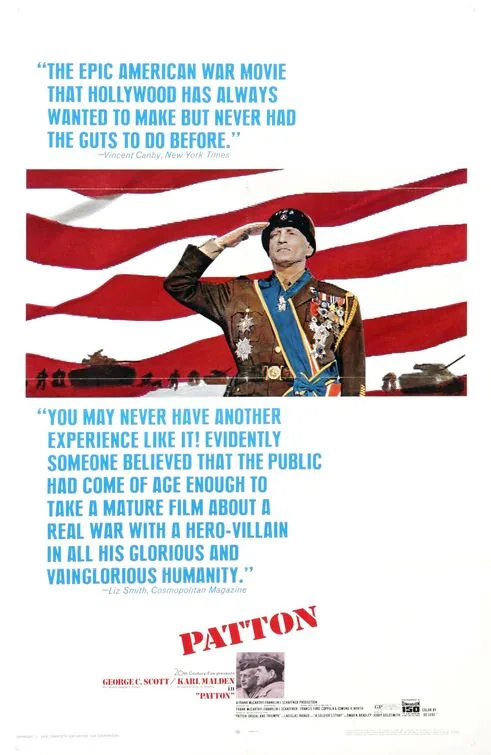
The film’s campaign episodes turn Patton’s appetite for decisive action into both an operational advantage and a recurring political liability.
Why this matches +
A military mission exposes how ordinary people bear the human consequences of strategic choices made in the name of a larger cause.
An adjacent discovery: a related idea with a different viewing experience.
Genres: War / Biography
Shared film traits
Based on recorded story, mood and style. Your preferences can change the order.
War and civilian life
What changes Das Boot: variable. Patton: episodic, building and measured.
After the American defeat at Kasserine Pass, General George S. Patton takes command of the II Corps and imposes demanding discipline. His rivalry with British General Bernard Montgomery sharpens during the campaign in Sicily, where Patton pushes for a more ambitious advance. Two historical incidents in which he struck hospitalized soldiers there trigger a reprimand and temporarily sideline him; the film compresses that scandal into its own dramatic portrait. Later, his command of the Third Army brings rapid victories across France, but his public remarks and political conduct repeatedly threaten his position. The film follows his military drive alongside his pride, theatrical self-image and belief that battle is the route to lasting glory.
A boy seeking to join the resistance is pulled into civilian extermination and the devastation of occupied Belarus, where each encounter removes another layer of childhood expectation. Flyora's changing face registers damage more than a conventional victory arc.
Why this matches +
A military mission exposes how ordinary people bear the human consequences of strategic choices made in the name of a larger cause.
An adjacent discovery: a related idea with a different viewing experience.
Genres: War / Drama
Shared film traits
Based on recorded story, mood and style. Your preferences can change the order.
Survival · War and civilian life
What changes Das Boot: variable. Come and See: intense.
Teenager Flyora joins partisans in Nazi-occupied Belarus, expecting resistance to be a path into action. Instead, the film follows a child through the destruction of villages and the murder of civilians, making atrocity a lived sensory experience rather than an abstract lesson about war. His face, sound and shifting perception carry the cost of witnessing; the historical specificity of occupation and extermination should not be flattened into a claim that every conflict is equivalent. This is an exceptionally intense film, not a conventional battlefield adventure. The film's closing newsreel montage runs backward, refusing a comforting return to innocence.
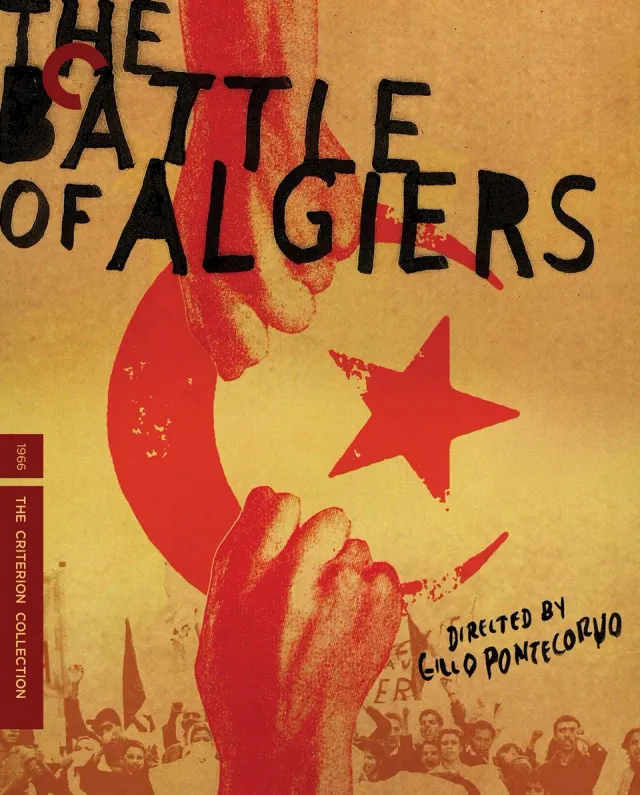
The story moves from cell-level resistance to counterinsurgency, showing how tactical victories fail to settle the political question of Algerian independence.
Why this matches +
A military mission exposes how ordinary people bear the human consequences of strategic choices made in the name of a larger cause.
An adjacent discovery: a related idea with a different viewing experience.
Genres: Drama / Historical
Shared film traits
Based on recorded story, mood and style. Your preferences can change the order.
War and civilian life
What changes Das Boot: variable. The Battle of Algiers: chronological campaign and escalating reprisals.
Beginning with French forces closing in on Ali la Pointe, the film flashes back to the growth of the National Liberation Front in the Casbah between 1954 and 1957. It follows urban resistance cells and the French paratroopers sent to dismantle them, showing both insurgent attacks and the military campaign of arrests and torture. The struggle escalates through bombings, reprisals and the destruction of FLN leadership, but nationalist demonstrations continue after the immediate battle is lost. The film frames the city as a contested political space and connects tactical victories to a wider movement for independence.
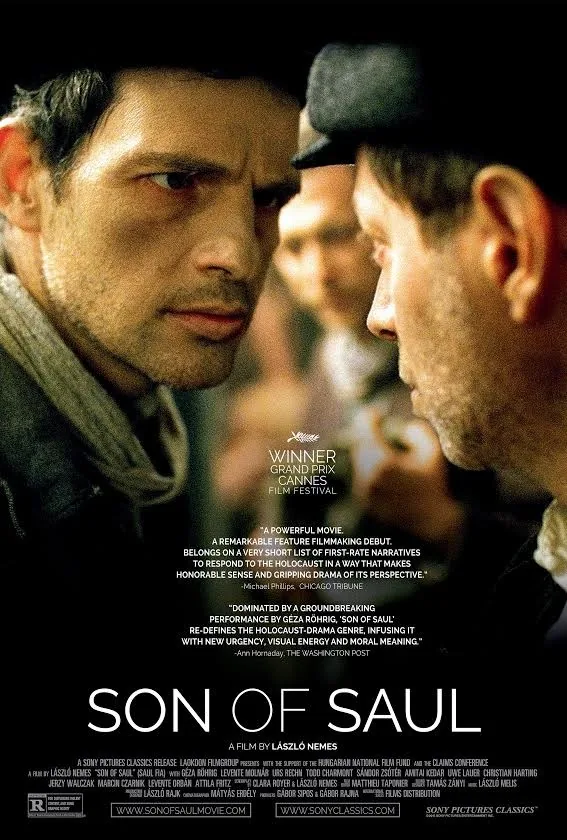
Saul’s burial mission is a small, concrete act of care inside a system designed to erase both personhood and mourning.
Why this matches +
A military mission exposes how ordinary people bear the human consequences of strategic choices made in the name of a larger cause.
An adjacent discovery: a related idea with a different viewing experience.
Genres: Historical drama / war drama
Shared film traits
Based on recorded story, mood and style. Your preferences can change the order.
War and civilian life
What changes Das Boot: variable. Son of Saul: continuous and urgent.
In Auschwitz in 1944, Sonderkommando prisoner Saul finds a boy still alive after a gassing and becomes fixated on securing a proper burial before the body is taken for autopsy and cremation. His search for a rabbi and ritual unfolds while fellow prisoners plan an uprising and try to document the camp’s atrocities. Saul offers help to the resistance, but his pursuit of a private act of dignity repeatedly interferes with their larger plan. The film keeps the violence at the edges of the frame, following his narrow field of attention through an almost unbearable environment.
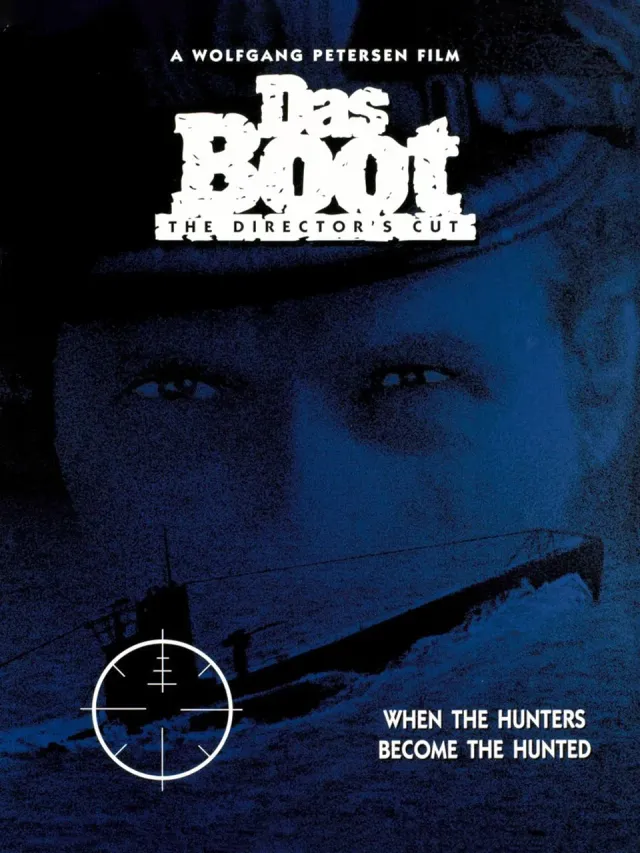
A young correspondent joins a German submarine crew whose long periods of boredom give way to pursuit, mechanical failure and pressure at depths the vessel may not withstand. Experienced sailors' practical cynicism contrasts with more committed ideological certainty, but shared confinement does not remove the war's human consequences outside the hull. Surviving one ordeal only produces another order, making technical solidarity an unreliable promise that anyone controls the voyage's larger purpose. The crew’s shared competence is repeatedly tested by orders issued for a war whose purpose they do not control.
What drives the story
Repeated cycles of waiting, attack and emergency repair make survival depend on collective work inside a vessel whose strategic orders keep exposing it to renewed danger.
The people at its centre
The observer's education occurs among crew members divided by experience and belief, while the captain's competence cannot guarantee moral safety or a route out of the war. The captain’s experience keeps people alive locally but cannot remove their exposure to strategic decisions made elsewhere.
What it feels like
Tight moving frames, mechanical sound and exhausting duration emphasize bodily confinement, with the exact rhythm varying across the film's different released cuts.
Worth knowing
Match on attritional crew survival and limited operational control, preserving the German wartime context without treating familiarity with sailors as exoneration of their military purpose. Filmportal lists the original cinema version at 149 minutes, the Director's Cut at 208 and the television version at 308, so pacing comparisons should identify the edition.
WarSurvivalDuty
Mood
Claustrophobic · Tense · Exhausting
Pacing
Variable
Visual style
Contained · Grounded · Sound driven
Storytelling
Submarine confinement · Attritional waiting and attack · Emergency repair