A time-sensitive message requires vulnerable messengers to cross a battlefield where every interruption can make eventual success irrelevant.
Why this matches +
Selected for the central appeal: German schoolboys discover the physical and emotional devastation of World War I after patriotic enlistment.
Genres: Drama / War
Shared film traits
Based on recorded story, mood and style. Your preferences can change the order.
War and civilian life
What changes Young soldiers move through the devastated Western Front, facing the human cost behind orders and patriotic rhetoric.
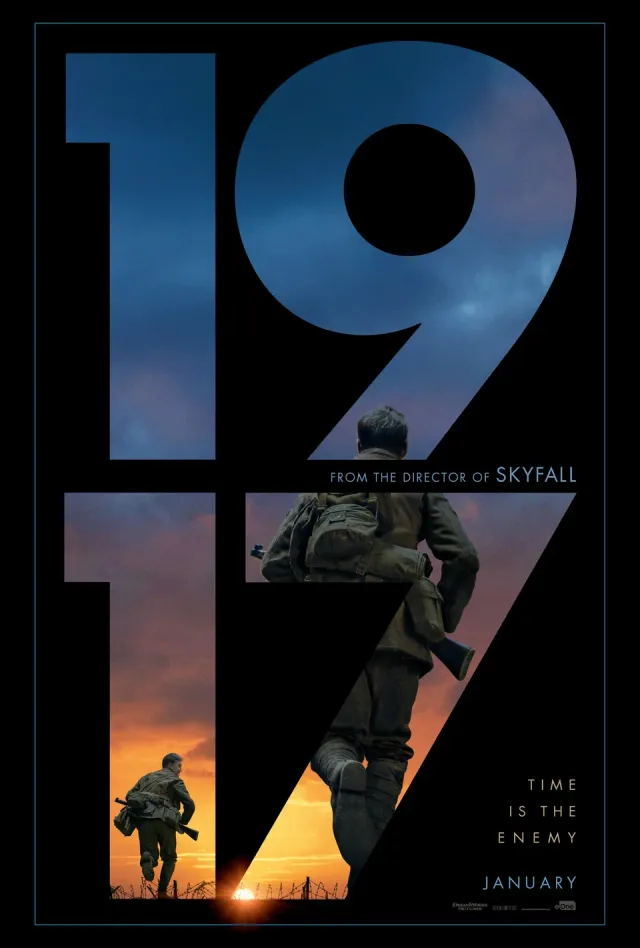
Two young British soldiers are ordered to cross apparently abandoned territory to deliver a warning that could prevent an attack from walking into a trap. One has a brother among the troops at risk, giving the assignment an immediate private urgency. Movement through trenches, ruined settlements and unpredictable encounters makes each attempt to gain time expose them to dangers whose local significance can obscure the larger mission.
Repeated patrols expose a recruit to an escalating division within his own unit, making combat inseparable from a struggle over the conduct of war.
Why this matches +
These offer a related experience with a meaningful difference in story, tone, or presentation.
An adjacent discovery: a related idea with a different viewing experience.
Genres: Drama / Action
Shared film traits
Based on recorded story, mood and style. Your preferences can change the order.
War and civilian life
What changes A young recruit enters combat with expectations that collapse under fear, brutality and the loss of friends.
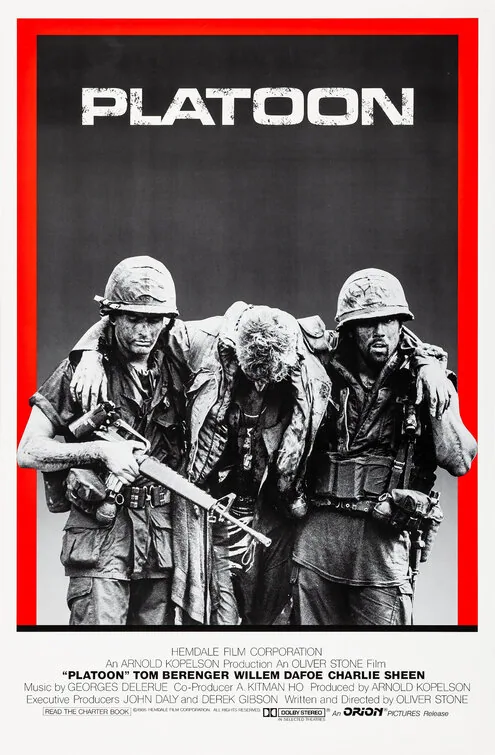
A young American volunteer arrives in Vietnam expecting a test of courage and finds exhaustion, fear and a unit divided between two experienced sergeants. Their conflicting responses to civilians and perceived betrayal turn the platoon's internal loyalties into another source of danger. The recruit's effort to understand what kind of soldier he can become is overtaken by acts that blur the separation between survival, obedience and moral responsibility.
Escape plans structure the action, but each transfer between camps shifts the social meaning of captivity. De Boëldieu’s sacrifice protects others while also marking a class order he understands to be disappearing.
Why this matches +
These offer a related experience with a meaningful difference in story, tone, or presentation.
An adjacent discovery: a related idea with a different viewing experience.
Genres: War / Drama
Shared film traits
Based on recorded story, mood and style. Your preferences can change the order.
War and civilian life
What changes Wartime comrades confront class divisions and captivity while the ideals that sent them to war lose their certainty.
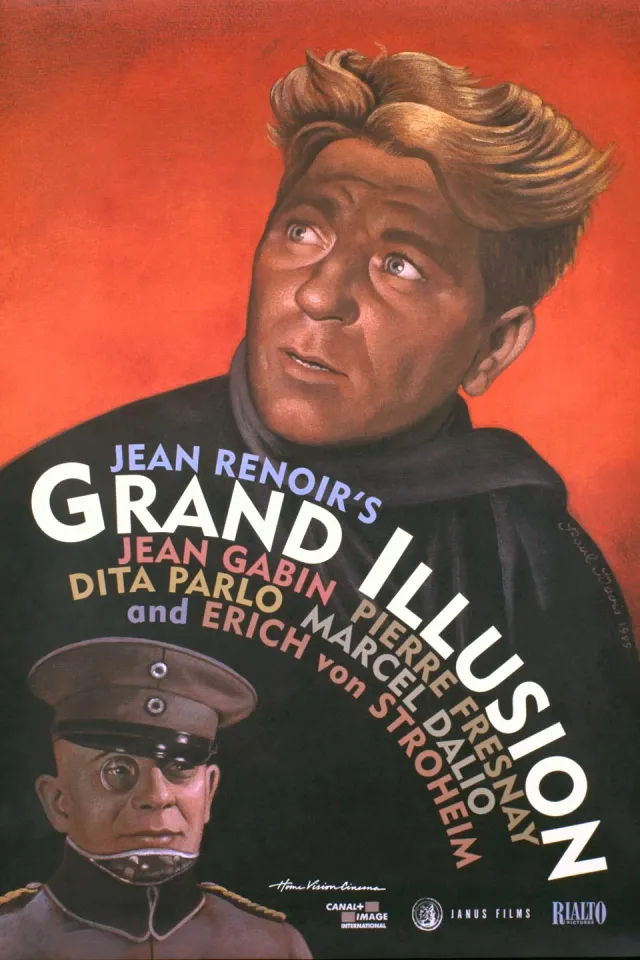
French officers held in German prisoner-of-war camps during the First World War form bonds that cross rank, nationality and class, but those bonds do not make their circumstances equal. Aristocratic captain de Boëldieu recognizes a shared code with German officer von Rauffenstein, while mechanic Maréchal and Jewish banker Rosenthal plan a more practical escape. The war’s changing fortunes expose the aristocrats’ fading social world and make the prisoners’ temporary solidarity less stable than it first appears. Renoir’s drama asks what holds people together when inherited class distinctions outlast formal declarations of fraternity. Its refuge story is humanist without presenting every character as interchangeable; Rosenthal’s Jewish identity and the contrasts in social mobility are central to what that humanism can and cannot include.
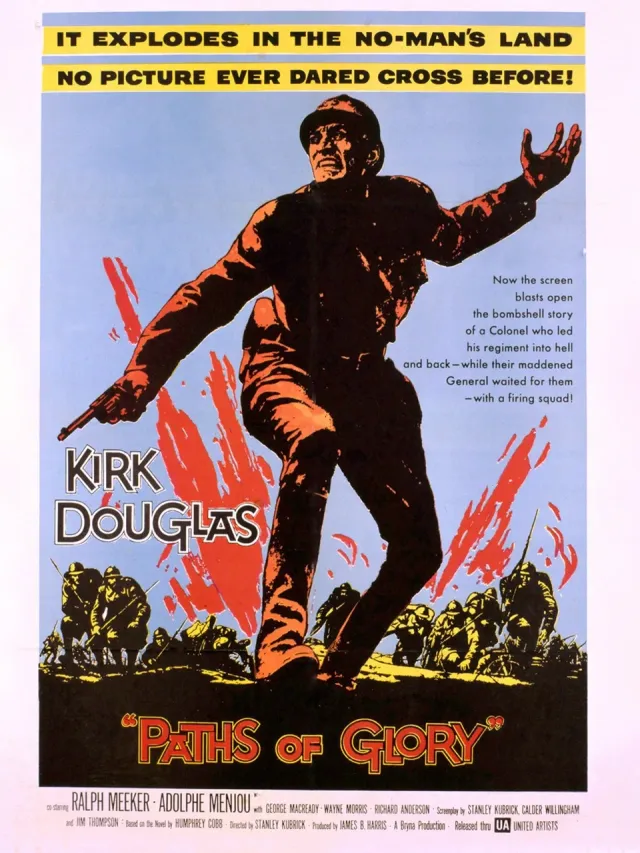
An impossible military order produces a prosecution designed to displace responsibility down the chain of command.
Why this matches +
These offer a related experience with a meaningful difference in story, tone, or presentation.
An adjacent discovery: a related idea with a different viewing experience.
Genres: Drama / War
Shared film traits
Based on recorded story, mood and style. Your preferences can change the order.
War and civilian life
What changes World War I soldiers face arbitrary authority and sacrifice as military leaders' rhetoric conceals the realities of the front.
A French regiment is ordered into an attack that senior officers have little reason to expect it can survive. After failure, selected soldiers face trial for cowardice while their commander attempts to defend them. The proceedings expose a hierarchy more concerned with reputation and discipline than with the circumstances of the men whose lives it controls.
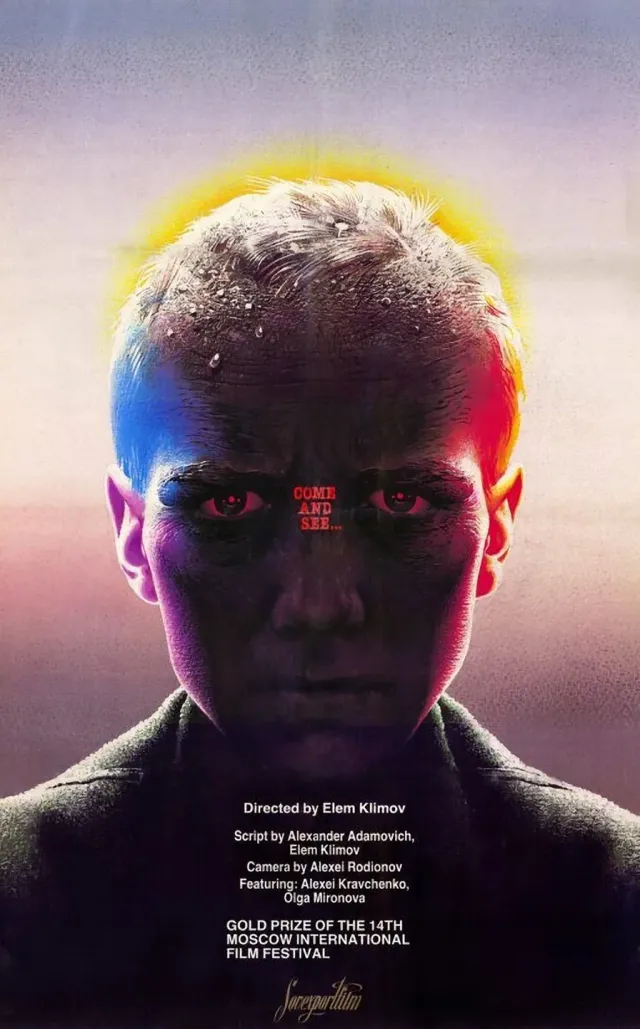
A boy seeking to join the resistance is pulled into civilian extermination and the devastation of occupied Belarus, where each encounter removes another layer of childhood expectation. Flyora's changing face registers damage more than a conventional victory arc.
Why this matches +
These offer a related experience with a meaningful difference in story, tone, or presentation.
An adjacent discovery: a related idea with a different viewing experience.
Genres: War / Drama
Shared film traits
Based on recorded story, mood and style. Your preferences can change the order.
War and civilian life
What changes A young person's exposure to war replaces patriotic or heroic ideas with traumatic experiences of violence and loss.
Teenager Flyora joins partisans in Nazi-occupied Belarus, expecting resistance to be a path into action. Instead, the film follows a child through the destruction of villages and the murder of civilians, making atrocity a lived sensory experience rather than an abstract lesson about war. His face, sound and shifting perception carry the cost of witnessing; the historical specificity of occupation and extermination should not be flattened into a claim that every conflict is equivalent. This is an exceptionally intense film, not a conventional battlefield adventure. The film's closing newsreel montage runs backward, refusing a comforting return to innocence.
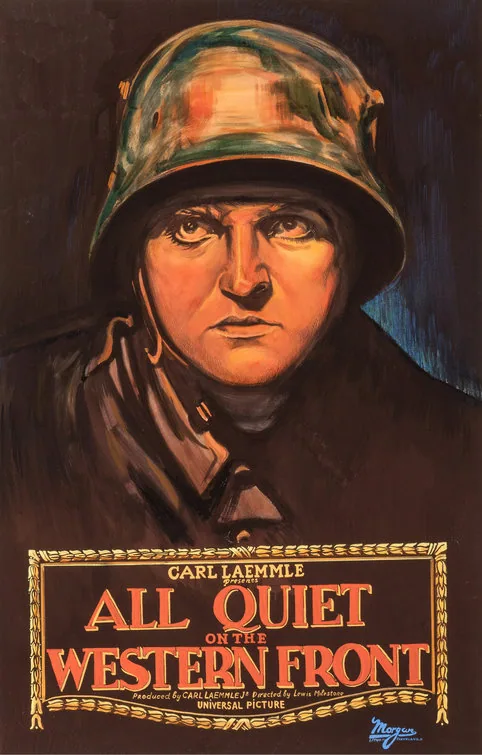
German schoolboys enter the First World War encouraged by patriotic teaching and the promise of meaningful comradeship. Training and the front replace that expectation with fear, hunger, bodily injury, and the repetitive loss of friends. Returning briefly to civilian life reveals how little those urging sacrifice understand, making the young soldier's experience a widening estrangement from the language that first sent him to war.
What drives the story
Patriotic recruitment gives way to attrition, while the gap between civilian rhetoric and frontline experience makes return feel like another form of isolation.
The people at its centre
Friendship supplies practical care and belonging within a system that continually destroys the people capable of offering it.
What it feels like
Large combat sequences and intimate exhaustion alternate in a direct antiwar movement that drains heroic language of explanatory or consoling power.
Worth knowing
Compare the disintegration of youthful belief through industrial attrition, rather than treating shared battles or German soldiers as proof that different adaptations make the same narrative choices.