Based on recorded story, mood and style. Your preferences can change the order.
War and civilian life
What changes Glory: measured and escalating. A Soldier's Story: measured investigation with revelations.
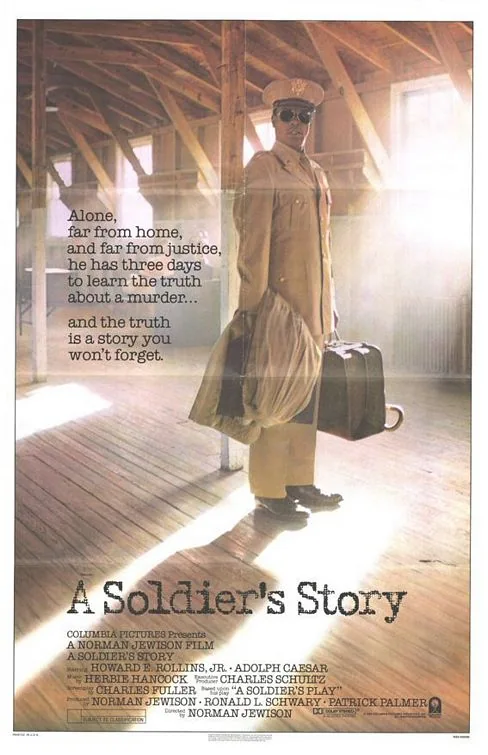
At a segregated Army base in Louisiana during World War II, Captain Davenport investigates the killing of a Black drill sergeant whose blunt authority made him unpopular with white officers and Black enlisted men alike. Flashbacks complicate the case, showing how racism and military rank shaped the regiment's memories. The mystery becomes a study of testimony under unequal power.
Based on recorded story, mood and style. Your preferences can change the order.
War and civilian life
Expect somber and romantic, with measured and escalating pacing.
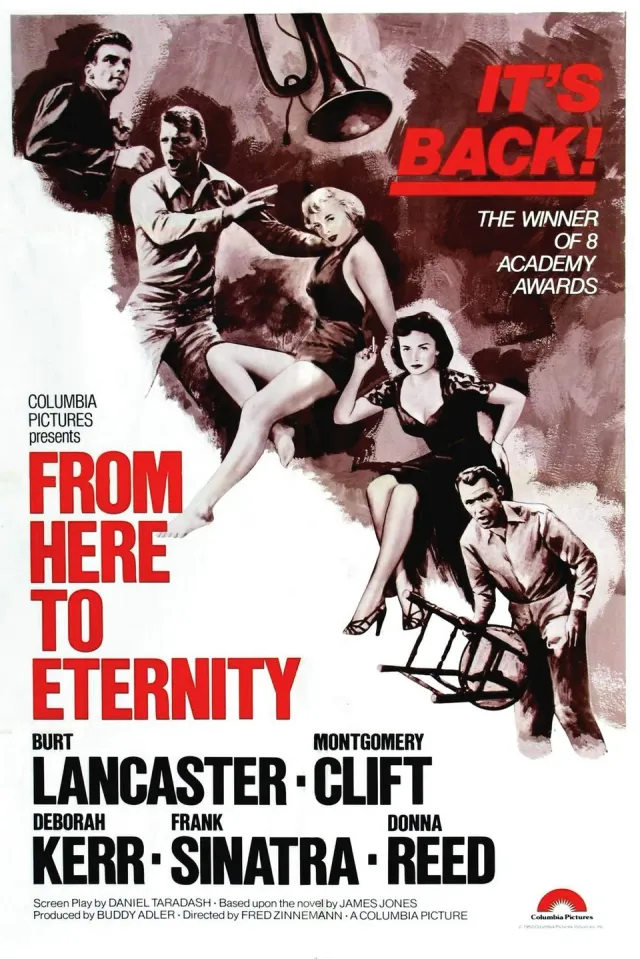
At an Army post in Hawaii before Pearl Harbor, a soldier refuses to box for his commanding officer and becomes a target of organized punishment. Around him, friendships and clandestine romances offer forms of belonging the institution cannot safely recognize. His refusal carries a private moral history, while others negotiate ambition, marriage and escape from constrained lives. The approaching historical catastrophe does not erase the smaller abuses: military duty and institutional loyalty repeatedly come into conflict with individual dignity.
Based on recorded story, mood and style. Your preferences can change the order.
War and civilian life
What changes Glory: measured and escalating. The Thin Red Line: meditative.
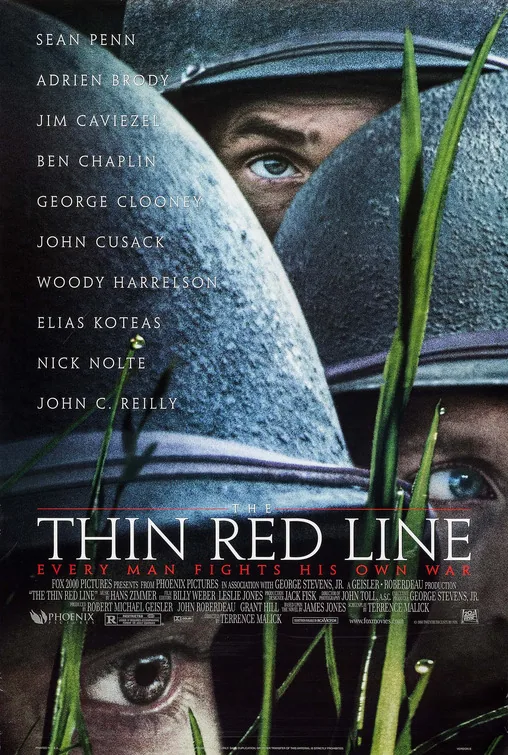
An American infantry company arrives on Guadalcanal and confronts a landscape whose beauty offers no protection from military objectives or unpredictable killing. Attempts to capture a defended position expose differences between career ambition, tactical responsibility and the soldiers' private attachments. Multiple voices reflect on nature, violence and loss as the campaign continues, making neither strategic progress nor individual courage sufficient to explain what the men experience.
Based on recorded story, mood and style. Your preferences can change the order.
War and civilian life
What changes Glory is tagged somber and defiant; Letters from Iwo Jima is tagged mournful and claustrophobic.
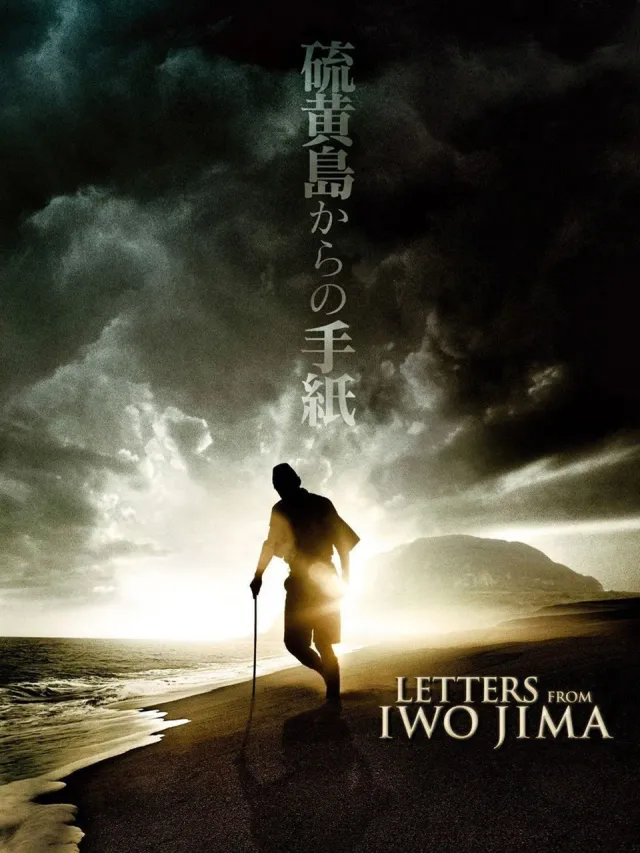
As U.S. forces approach Iwo Jima in 1945, Japanese soldiers prepare to defend an island they know they may not survive. Letters and flashbacks follow General Kuribayashi, Saigo the baker and other men whose motives range from duty and fear to attachment to families at home. Their human individuality complicates the language of national honor without making the film a full account of the Pacific War or Japanese imperial responsibility. Clint Eastwood’s Japanese-language companion to Flags of Our Fathers focuses on one selected military perspective; it does not stand for every Japanese soldier or civilian. The battle’s underground tunnels and fragmented correspondence turn defense into an intimate, enclosed ordeal, while the historical context remains larger than the film’s sympathetic frame.
Based on recorded story, mood and style. Your preferences can change the order.
War and civilian life
What changes Glory: measured and escalating. Free State of Jones: multi-period structure and large-scale historical drama.
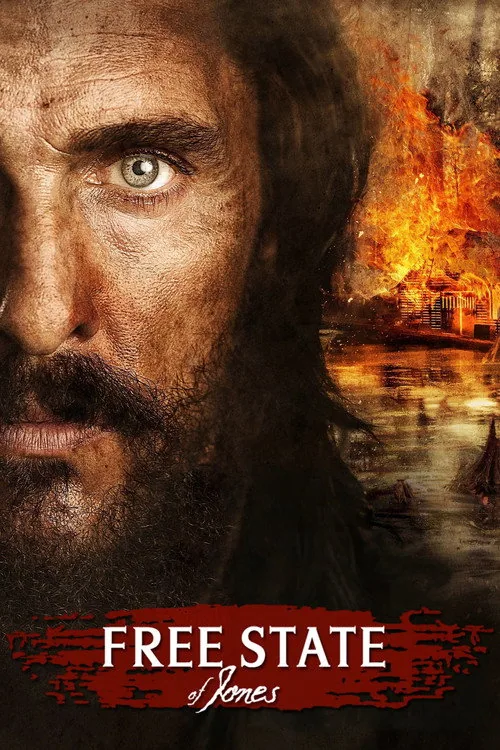
During the American Civil War, Mississippi farmer Newt Knight deserts the Confederate Army and organizes other deserters and local enslaved people into an armed resistance in Jones County. Their uprising challenges Confederate authority and the social order that surrounds them, while the film also follows the struggle over civil rights and political memory after the war. Gary Ross’s historical drama blends a wartime rebellion with a later legal story, presenting a dramatized portrait of a little-known Southern Unionist movement.
Based on recorded story, mood and style. Your preferences can change the order.
War and civilian life
What changes Glory: measured and escalating. Soul Patrol: observational.
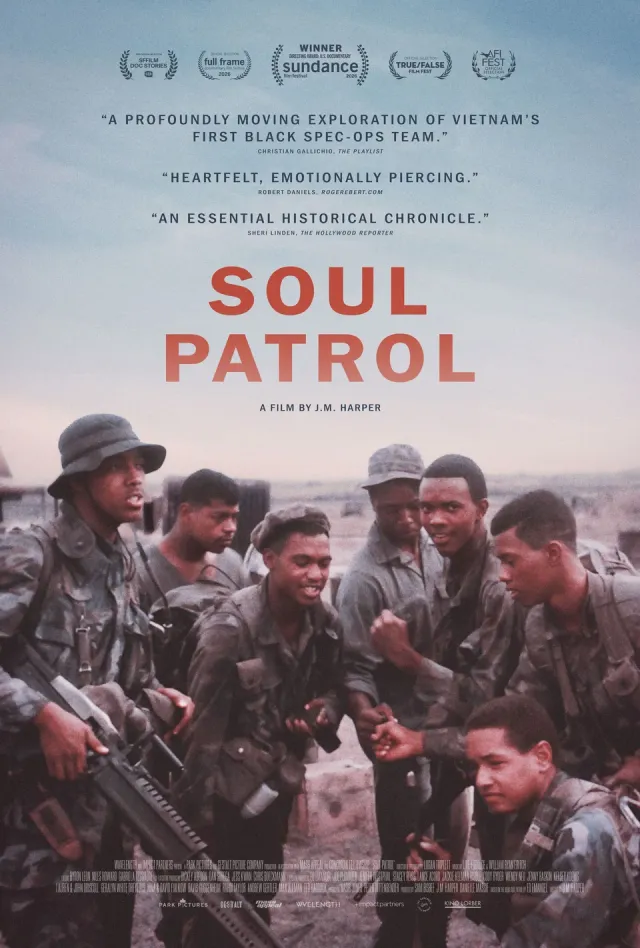
Surviving members of a pioneering Black special operations team revisit their service in Vietnam and its long aftermath. J.M. Harper brings their testimony together with photographs, recordings and personal film archives. The documentary considers the bond formed by dangerous missions alongside the contradiction of fighting for American freedom while facing racial inequality, making memory and life after combat as significant as battlefield history.
Based on recorded story, mood and style. Your preferences can change the order.
Expect tense and somber, with measured and escalating pacing.
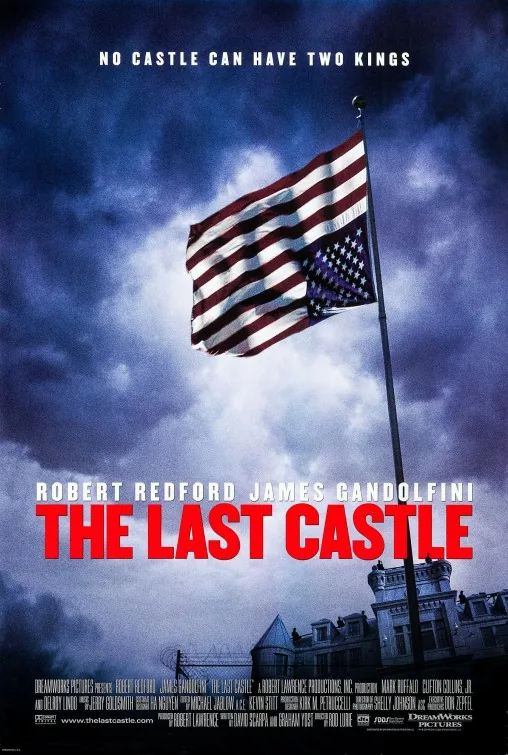
A decorated general is sent to a military prison after a court-martial and clashes with the commandant over the treatment of the inmates. What begins as a dispute over authority develops into an organized challenge to the prison's abusive system, drawing former soldiers into a difficult test of discipline and solidarity. The film frames rebellion as a conflict between rank and moral leadership, with the prison's structure turning every act of resistance into a public choice.
Based on recorded story, mood and style. Your preferences can change the order.
War and civilian life
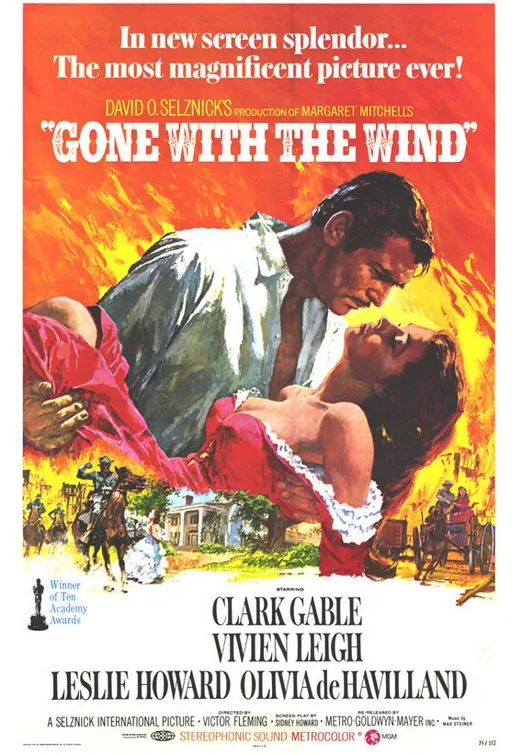
What changes Glory is tagged somber and defiant; Gone with the Wind is tagged epic and emotional.
A privileged young woman on a Georgia plantation pursues an attachment to a man whose commitments lie elsewhere as the American Civil War destroys the material security of her household. Surviving loss makes property and economic control increasingly urgent, while a second man's attraction offers possibilities she struggles to value beyond immediate need. Her effort to recover a familiar world is presented through a romanticised white Southern viewpoint that leaves the people sustaining that world without equal narrative authority.
Based on recorded story, mood and style. Your preferences can change the order.
War and civilian life
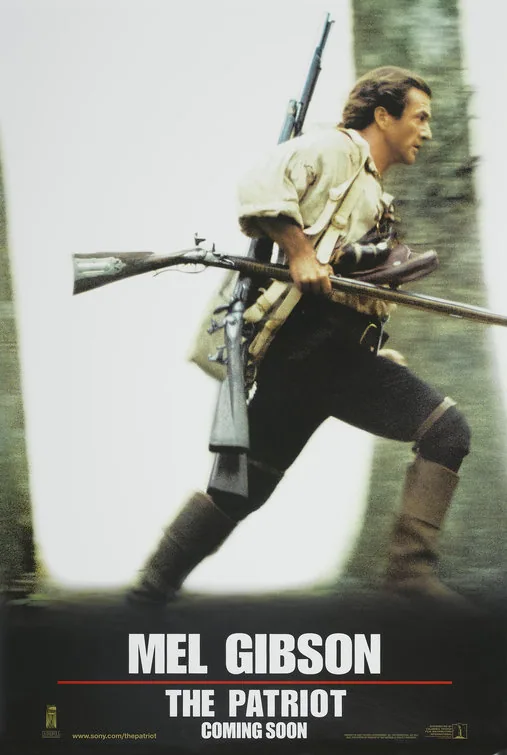
What changes Glory is tagged somber and defiant; The Patriot is tagged epic and grim.
Widower and veteran Benjamin Martin opposes South Carolina’s entry into the Revolutionary War, but his son Gabriel joins the Continental Army. When British officer William Tavington kills another of Benjamin’s sons and burns the family home, Benjamin takes up arms and leads a militia in guerrilla attacks. The film presents him as having freed the enslaved Occam, yet largely removes plantation slavery from its view of South Carolina. It also uses a fictional church-burning massacre, modeled on a twentieth-century atrocity, to turn British troops into a singular villain. Gabriel returns to fight alongside his father, and family revenge becomes the engine of a campaign whose composite characters and altered events make it action melodrama rather than a measured history.
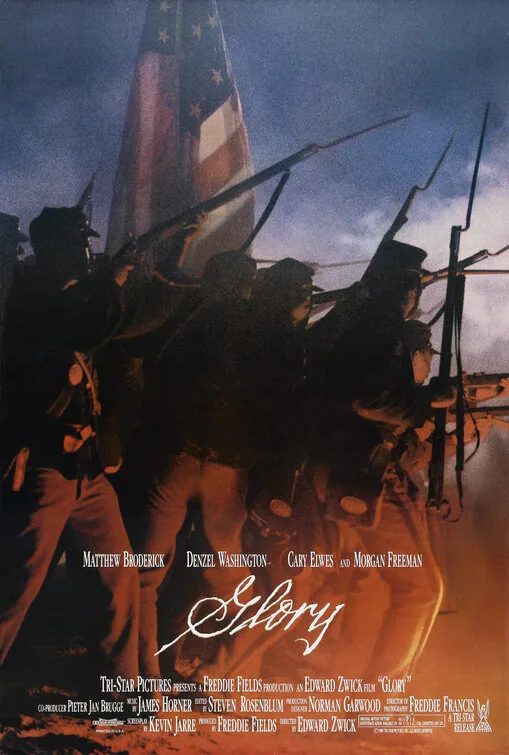
Robert Gould Shaw accepts command of the 54th Massachusetts, a Black regiment formed during the Civil War, and confronts unequal supplies, prejudice and the limits imposed on its soldiers. The men’s varied reasons for enlisting and their efforts to establish the regiment’s standing become central to the story, not merely preparation for the final assault. The film’s emotional viewpoint still rests heavily with a white officer, and several Black characters are fictional composites. The National Park Service’s account of the 54th helps distinguish the regiment’s history from the drama’s choices, especially when remembering courage without letting recognition eclipse institutional racism.
What drives the story
A regiment fights for the right to serve and be recognized as soldiers while the Union military withholds equal authority and resources. The regiment’s right to fight and its access to equal treatment are separate struggles.
The people at its centre
Shaw’s growth as commander is only one thread; Black soldiers’ disagreements, expertise and motivations create a collective story often filtered through his position. Shaw’s change matters, but soldiers’ voices and motivations extend beyond his moral education.
What it feels like
Training, camp life and a climactic battle build a stirring war drama whose formal focus on sacrifice risks narrowing broader Black political agency. Camp routines establish collective life before combat concentrates the film’s tragedy.
Worth knowing
Compare with Civil War stories about unequal military recognition, while identifying composite characters and keeping the regiment’s history larger than its white commander’s arc. Historical corrections and composites should not let the white commander become the sole measure of Black courage.
RacismDignitySacrifice
Mood
Somber · Defiant · Tragic
Pacing
Measured · Escalating
Visual style
Period military detail · Devastating combat
Storytelling
Black regiment formation · Unequal military treatment · Combat recognition