A personal grievance grows into a liberation movement whose success is threatened by divisions between symbolic commitment and political calculation.
Why this matches +
Selected for the central appeal: Historical action dramas about family loss, resistance and guerrilla warfare.
Genres: Drama / Action
Shared film traits
Based on recorded story, mood and style. Your preferences can change the order.
Political resistance
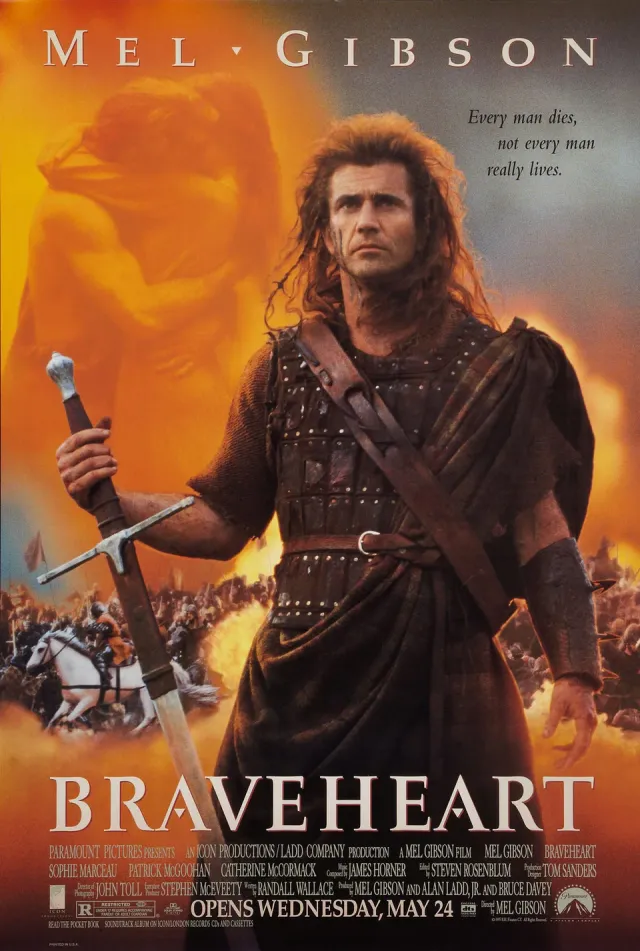
What changes Braveheart follows a man's personal loss into a violent campaign against occupying forces.
A Scottish man hoping for an ordinary domestic life is drawn into rebellion after personal loss exposes the violence sustaining English rule. Military success makes him a symbol around which competing nobles and ordinary fighters organise different hopes. As diplomacy and betrayal complicate the campaign, his private grief becomes inseparable from a public mythology of freedom that requires costs no single leader can control.
A survivor of family murder and a broken surrender promise is pursued across the frontier, where revenge slowly becomes protection of a makeshift community.
Why this matches +
Selected for the central appeal: Historical action dramas about family loss, resistance and guerrilla warfare.
Genres: Western / Vigilante
Shared film traits
Based on recorded story, mood and style. Your preferences can change the order.
War and civilian life
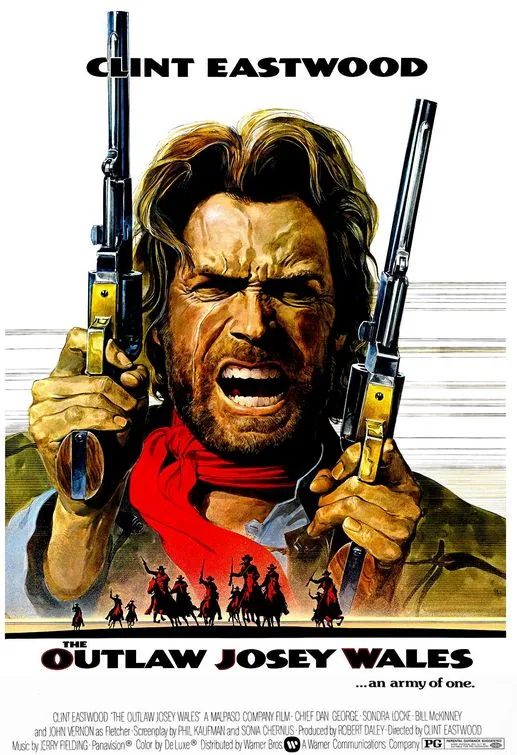
What changes The Outlaw Josey Wales follows a bereaved veteran whose family tragedy drives a guerrilla struggle and flight.
After pro-Union raiders murder his family and burn his Missouri farm, Josey Wales joins Confederate guerrillas during the Civil War. When the surviving fighters accept a promised amnesty and are massacred, Wales refuses surrender and becomes a hunted outlaw. He heads toward Texas, pursued by Captain Terrill and bounty hunters, and gradually travels with people who need protection or have been pushed to society's margins. His reputation as a gunfighter makes him dangerous, but the new group gives his journey a purpose beyond revenge. The story shifts from a solitary vendetta toward the difficult possibility of building a community after political violence. Its frontier and war history are filtered through a revisionist Western and a disputed source author.
Knight’s effort to resist Confederate authority expands into a struggle over community, slavery, and the postwar meaning of freedom.
Why this matches +
These offer a related experience with a meaningful difference in story, tone, or presentation.
An adjacent discovery: a related idea with a different viewing experience.
Genres: Drama / War
Shared film traits
Based on recorded story, mood and style. Your preferences can change the order.
War and civilian life · Political resistance
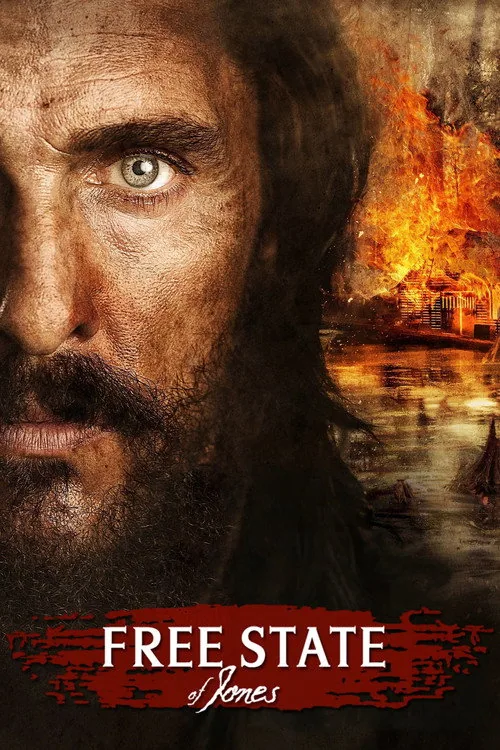
What changes Free State of Jones follows a Southern fighter organizing resistance during a historical American war.
During the American Civil War, Mississippi farmer Newt Knight deserts the Confederate Army and organizes other deserters and local enslaved people into an armed resistance in Jones County. Their uprising challenges Confederate authority and the social order that surrounds them, while the film also follows the struggle over civil rights and political memory after the war. Gary Ross’s historical drama blends a wartime rebellion with a later legal story, presenting a dramatized portrait of a little-known Southern Unionist movement.
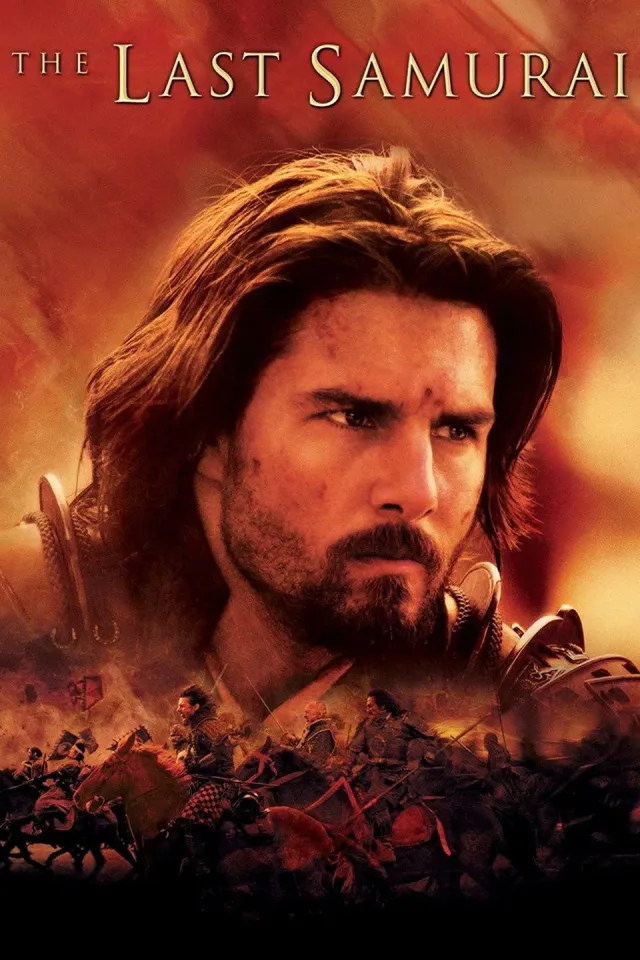
Capture gives Algren time to understand the people he was hired to defeat; his shift in allegiance leads into a final battle over modernization and power.
Why this matches +
These offer a related experience with a meaningful difference in story, tone, or presentation.
An adjacent discovery: a related idea with a different viewing experience.
Genres: Drama / Action
Shared film traits
Based on recorded story, mood and style. Your preferences can change the order.
War and civilian life
What changes The Last Samurai combines a reluctant veteran, a community under threat and large-scale historical battles.
Former U.S. Army captain Nathan Algren is hired to train Japan’s new imperial army, but its recruits are sent into battle before they are ready. Captured by samurai leader Katsumoto, Algren is taken to a village where he gradually learns the language and daily rhythms of the people he was sent to fight. His military past and his experiences in the village change how he understands the conflict, while Katsumoto challenges the government’s rapid modernization. When the imperial army prepares a final attack, Algren must decide where his loyalties lie. The film frames the rebellion through an American outsider’s transformation, making that perspective a major part of its appeal and its limits.
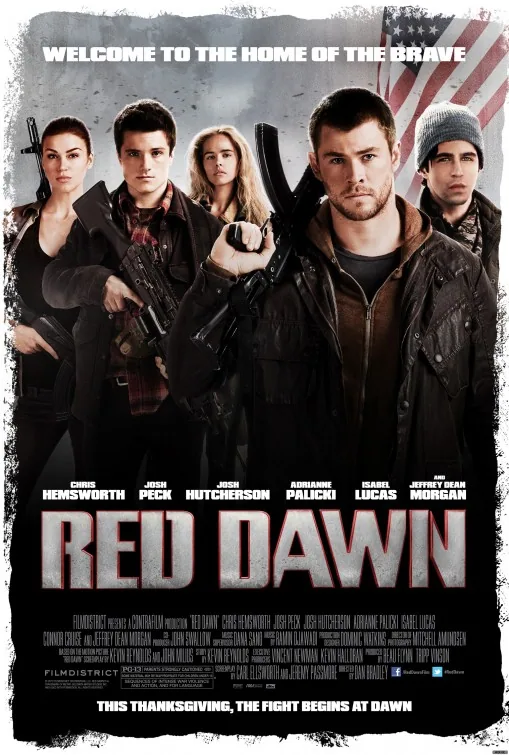
The invasion transforms familiar neighborhoods into contested terrain and forces young characters to coordinate.
Why this matches +
These offer a related experience with a meaningful difference in story, tone, or presentation.
An adjacent discovery: a related idea with a different viewing experience.
Genres: Action / War
Shared film traits
Based on recorded story, mood and style. Your preferences can change the order.
War and civilian life · Political resistance
What changes Red Dawn follows an improvised resistance group fighting an occupying force in their homeland.
When a coordinated invasion strikes Spokane, Marine Jed Eckert and a group of young people escape into the surrounding wilderness. They organize resistance while trying to protect family members and learn how to operate as an irregular unit. The remake updates the original’s invasion premise into a contemporary action film about occupation, local identity and the difficult transition from frightened civilians to a fighting community.
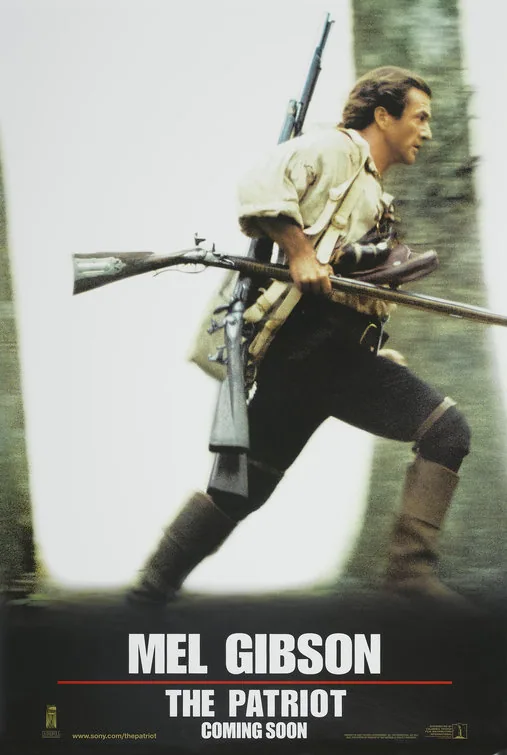
Widower and veteran Benjamin Martin opposes South Carolina’s entry into the Revolutionary War, but his son Gabriel joins the Continental Army. When British officer William Tavington kills another of Benjamin’s sons and burns the family home, Benjamin takes up arms and leads a militia in guerrilla attacks. The film presents him as having freed the enslaved Occam, yet largely removes plantation slavery from its view of South Carolina. It also uses a fictional church-burning massacre, modeled on a twentieth-century atrocity, to turn British troops into a singular villain. Gabriel returns to fight alongside his father, and family revenge becomes the engine of a campaign whose composite characters and altered events make it action melodrama rather than a measured history.
What drives the story
A father's refusal to fight ends when state violence reaches his family; his irregular campaign then makes personal vengeance part of a wider war.
The people at its centre
Benjamin's protective authority conflicts with Gabriel's independent commitment. His buried wartime guilt complicates the image of a righteous commander.
What it feels like
Large battles and raids frame a domestic melodrama, moving from reluctance through grief and retaliatory violence toward renewed military purpose.
Worth knowing
For viewers seeking a sweeping revenge-and-war adventure. Its composite hero, altered chronology and disputed atrocity imagery should not be treated as documentary history.