A traumatized child insists on continuing reconnaissance while adult attempts to protect him collide with his determination to remain inside the conflict that destroyed his family.
Why this matches +
Selected for the central appeal: Wartime survival stories seen through young people, displacement and confinement.
Genres: War / Drama
Shared film traits
Based on recorded story, mood and style. Your preferences can change the order.
War and civilian life
What changes Ivan's Childhood follows a boy whose wartime experiences transform his childhood and sense of survival.
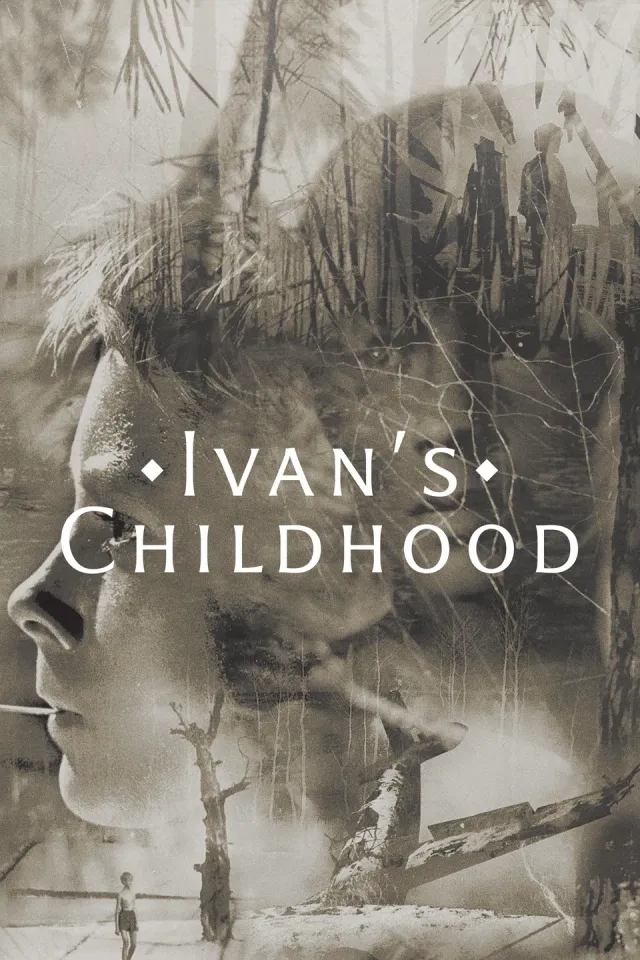
A boy whose family has been destroyed by war crosses dangerous territory to report intelligence to Soviet soldiers. Officers attempt to redirect him toward safety, but revenge and the disappearance of ordinary childhood make another life difficult for him to imagine. Dreams interrupt the military present with tactile images of affection and freedom. The film places a child's usefulness to war beside what that usefulness cannot restore, refusing to let competence in danger stand as proof that his damaged world has become acceptable.
Escalating persecution reduces a musician's social world to unstable shelters and practical survival, with each reprieve exposing dependence on another person's risk or restraint.
Why this matches +
Selected for the central appeal: Wartime survival stories seen through young people, displacement and confinement.
Genres: Drama / Biography
Shared film traits
Based on recorded story, mood and style. Your preferences can change the order.
War and civilian life · Survival
What changes The Pianist follows a civilian separated from ordinary life and forced to survive wartime occupation.
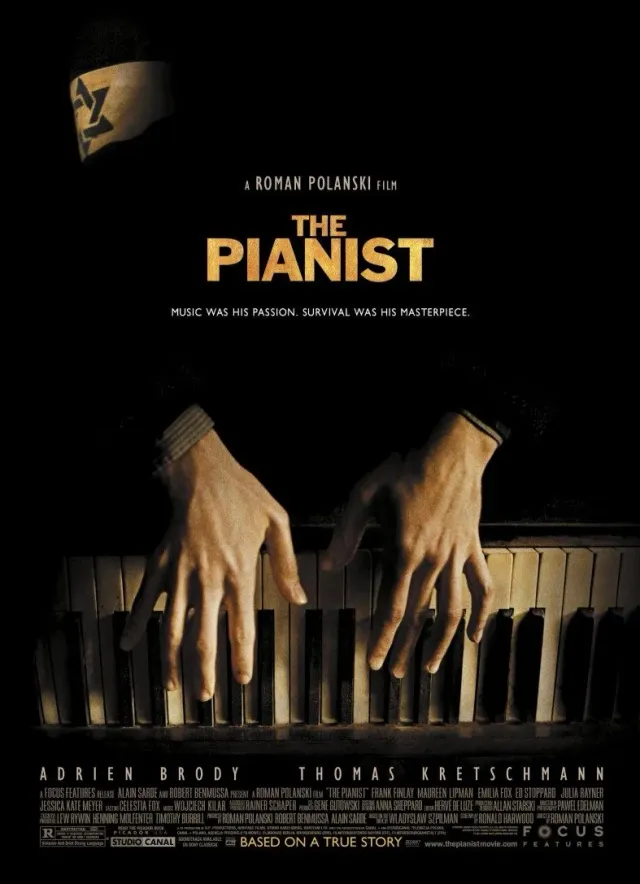
Polish Jewish musician Władysław Szpilman watches the Nazi occupation of Warsaw progressively strip his family of livelihood, movement and safety. Separated from them during deportation, he survives through forced labour, help from acquaintances and prolonged hiding in a city being destroyed around him. Music remains part of his identity, but endurance depends on contingent aid and temporary shelter rather than the protection professional distinction might once have promised.
The repeated changes in Louis’s circumstances create an endurance story rather than a single decisive victory.
Why this matches +
These offer a related experience with a meaningful difference in story, tone, or presentation.
An adjacent discovery: a related idea with a different viewing experience.
Genres: Drama / War
Shared film traits
Based on recorded story, mood and style. Your preferences can change the order.
War and civilian life · Survival
What changes Unbroken depicts an aviator's wartime capture and difficult survival in Japanese prison camps.
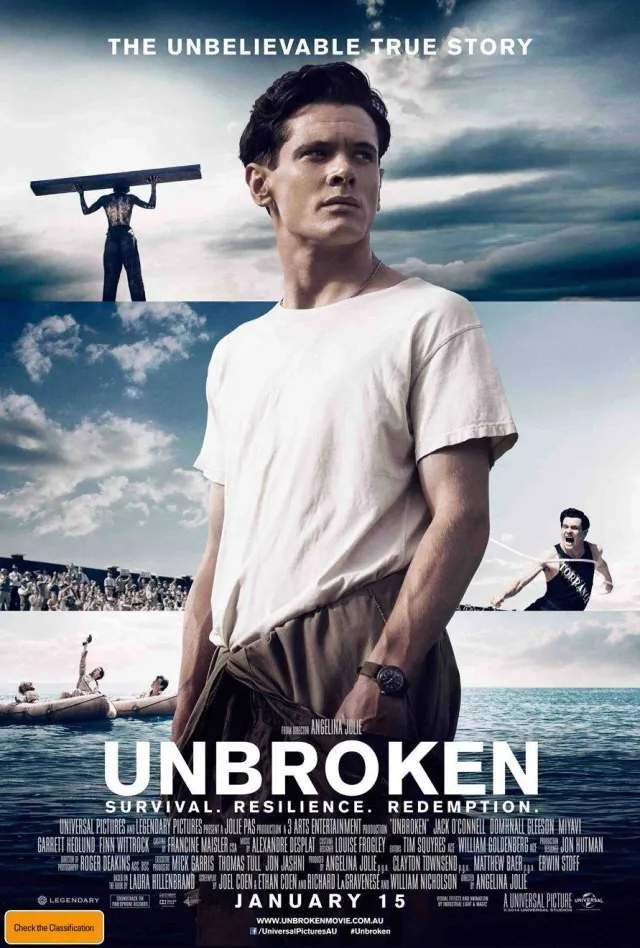
Louis Zamperini begins as a mischievous boy and becomes an Olympic runner before serving as a bombardier in the Second World War. After surviving the crash of his aircraft over the Pacific, he and two crewmen drift at sea and are eventually captured by Japanese forces. The film follows repeated tests of endurance, connecting athletic discipline with the struggle to preserve dignity during imprisonment and wartime abuse.
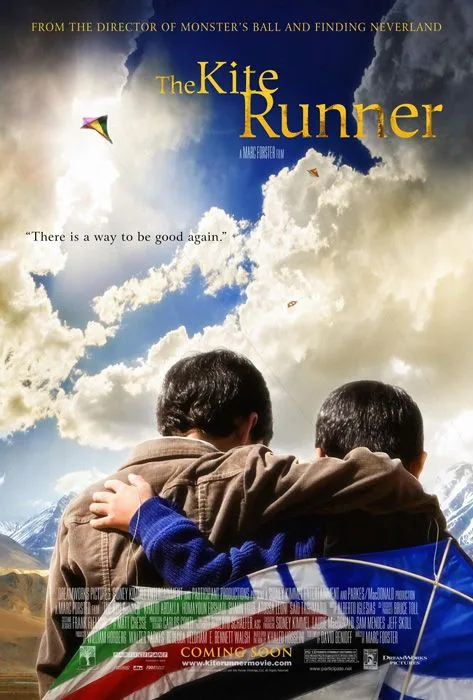
The return to Afghanistan makes a past moral failure actionable, giving the protagonist a difficult chance to repair harm.
Why this matches +
These offer a related experience with a meaningful difference in story, tone, or presentation.
An adjacent discovery: a related idea with a different viewing experience.
Genres: Drama
Shared film traits
Based on recorded story, mood and style. Your preferences can change the order.
War and civilian life
What changes The Kite Runner follows a boy whose privileged upbringing is disrupted by conflict and displacement.
A man living in the United States returns to Afghanistan after learning that a childhood friend’s son is in danger. The journey forces him to revisit a betrayal and the social upheaval that shaped their lives. The adaptation follows memory across decades and countries, linking personal guilt to family history, displacement and the consequences of choices made in childhood.
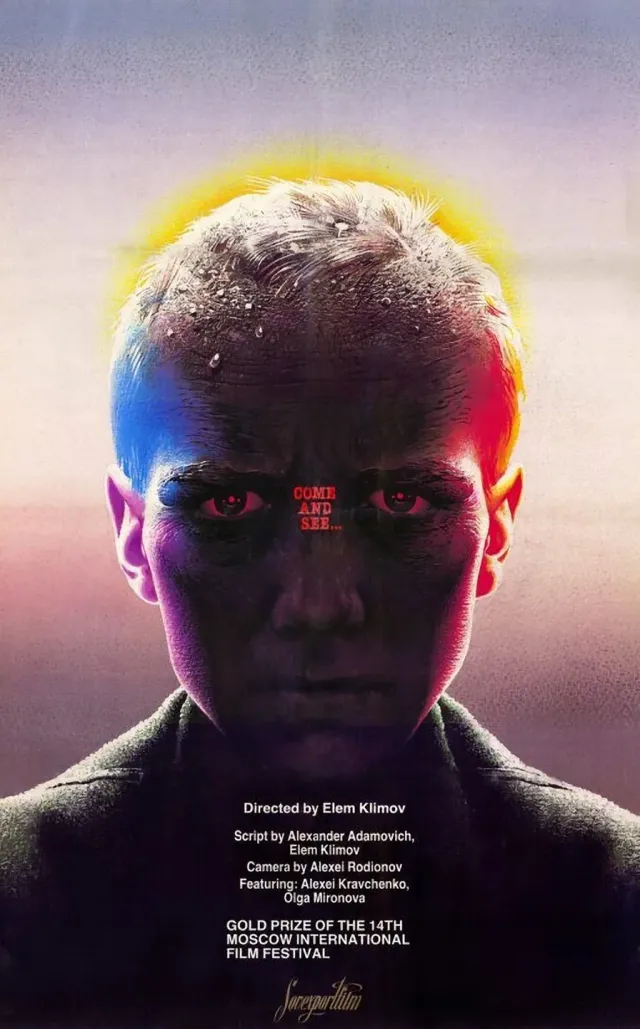
A boy seeking to join the resistance is pulled into civilian extermination and the devastation of occupied Belarus, where each encounter removes another layer of childhood expectation. Flyora's changing face registers damage more than a conventional victory arc.
Why this matches +
These offer a related experience with a meaningful difference in story, tone, or presentation.
An adjacent discovery: a related idea with a different viewing experience.
Genres: War / Drama
Shared film traits
Based on recorded story, mood and style. Your preferences can change the order.
War and civilian life · Survival
What changes Come and See follows a young person's devastating encounter with the realities of war.
Teenager Flyora joins partisans in Nazi-occupied Belarus, expecting resistance to be a path into action. Instead, the film follows a child through the destruction of villages and the murder of civilians, making atrocity a lived sensory experience rather than an abstract lesson about war. His face, sound and shifting perception carry the cost of witnessing; the historical specificity of occupation and extermination should not be flattened into a claim that every conflict is equivalent. This is an exceptionally intense film, not a conventional battlefield adventure. The film's closing newsreel montage runs backward, refusing a comforting return to innocence.
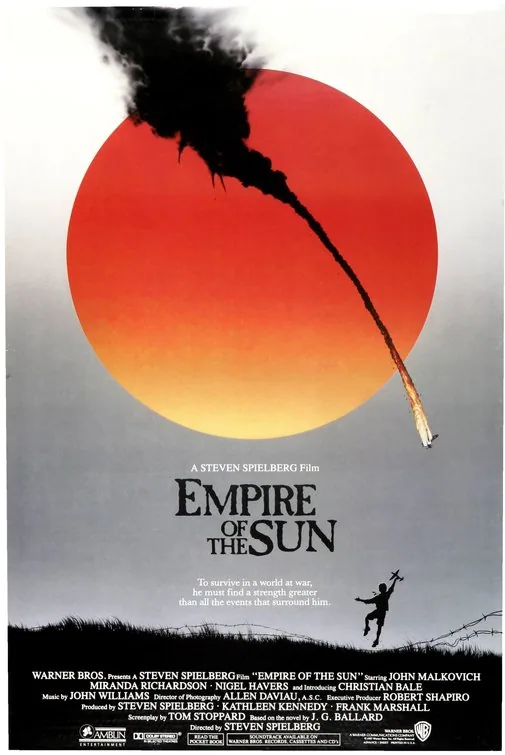
A privileged British boy separated from his parents during the Japanese occupation of Shanghai learns to survive through exchanges he could not have imagined in his protected household. Internment gives him temporary mentors, precarious alliances and an intense fascination with aircraft that does not neatly distinguish beauty from destructive force. Adaptation keeps him alive while changing what childhood reunion could mean, as the end of fighting cannot simply restore the person who entered it. Jim’s privilege shapes the wartime story: he loses colonial protection while the film remains close to his experience.
What drives the story
Separation from a protected colonial household forces a child to acquire survival networks, making each apparent source of paternal protection both useful and unreliable. Internment forces a child to barter and adapt, but apparent adult protection is unstable and self-interested.
The people at its centre
Jim's dependence on Basie's opportunism contrasts with a doctor's steadier care, while his recognition of Japanese airmen complicates the national categories through which adults organize the war. Basie’s opportunism and Dr. Rawlins’s care offer different models of survival that Jim cannot fully evaluate at first.
What it feels like
Expansive spectacle and subjective wonder coexist with deprivation, repeatedly making the child's fascination expose what he cannot yet fully understand about the violence surrounding him. Large crowd scenes and aircraft imagery align wonder with violence, making Jim’s fascination unsettling as well as vivid.
Worth knowing
Match on childhood adaptation under internment and compromised surrogate care, while keeping the privileged colonial viewpoint visible rather than treating it as a complete account of occupied Shanghai. The film adapts Ballard’s autobiographical novel; its British child’s perspective is not occupied Shanghai’s complete history.