Explore films connected to Dark Places through trauma and unreliable memory, family violence, public fascination with crime. Choose the qualities you want to carry into your next watch.
What should feel similar?
Find your next favourite
9 films · Closest overall matches
Hide films you’ve seen or don’t want. Saved on this device.
No matches for this combination yet.
Try another option or reset your choices to see more films.
Based on recorded story, mood and style. Your preferences can change the order.
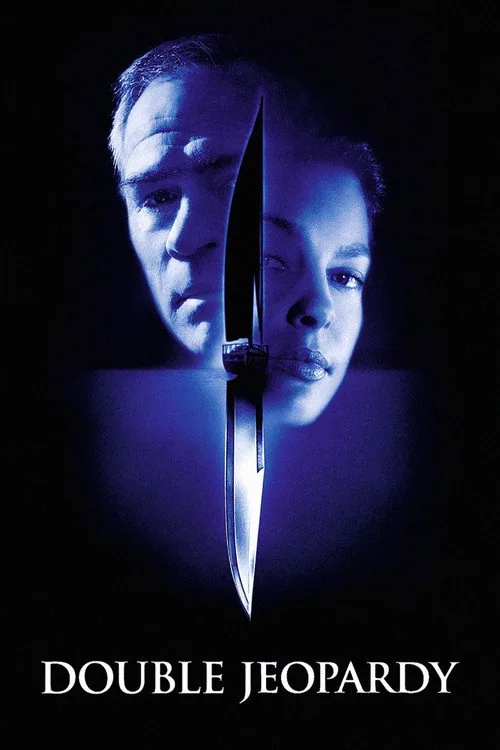
What changes Dark Places: club's theory reopens the case, investigation uncovers conflicting recollections and reconstruction leads to a family revelation. Double Jeopardy: a woman convicted of her husband’s murder uses parole to pursue the man who framed her..
Libby Parsons is convicted of murdering her husband, Nick, after waking aboard their yacht amid evidence of his apparent death. In prison, she learns that Nick staged the crime and took their son, Matty, leaving her to plan for a reunion after parole. Her former guard, Travis Lehman, becomes her reluctant ally as she tracks Nick across the country. Bruce Beresford’s thriller turns the double-jeopardy clause into Libby’s perceived opportunity for revenge, while the search for her child gives the pursuit a personal purpose.
Based on recorded story, mood and style. Your preferences can change the order.
Investigation · Memory and identity
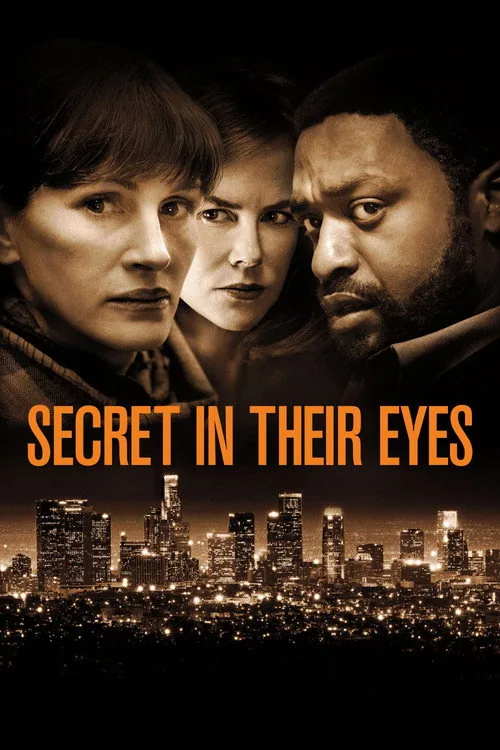
What changes Dark Places: club's theory reopens the case, investigation uncovers conflicting recollections and reconstruction leads to a family revelation. The Secret in Their Eyes: past-and-present structure, case file reconstruction and late moral revelation.
Years after a young woman is murdered, retired investigator Ray Kasten returns to Los Angeles and tries to reopen the case alongside former colleague Claire Sloan. The victim was the daughter of Ray's friend Jess, whose grief and search for justice shaped the original investigation. A suspect connected to a terrorism inquiry was never brought to trial, and the old team must confront why the case stalled. The American adaptation combines a murder investigation with unresolved love, institutional compromise, and the long reach of trauma.
Based on recorded story, mood and style. Your preferences can change the order.
Investigation
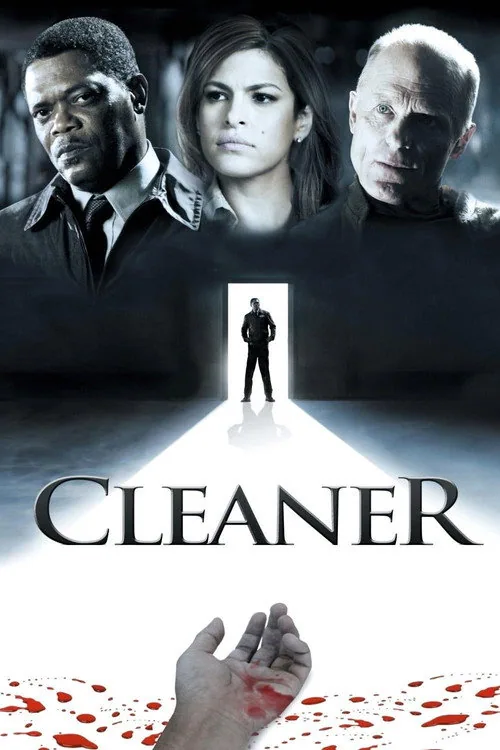
What changes Dark Places: club's theory reopens the case, investigation uncovers conflicting recollections and reconstruction leads to a family revelation. Cleaner: routine cleanup creates a mystery, personal clues reopen old grief and investigation uncovers a dangerous connection.
Tom Cutler is a former police officer who runs a business cleaning crime scenes after his wife's unsolved murder. When he unknowingly cleans a house before police have documented a killing, he realizes that something is wrong and begins investigating. The missing evidence draws him toward a family with its own secrets and reopens questions about his wife's death. Tom's careful work becomes a liability as he tries to uncover the truth while protecting his daughter and the people around him.
Based on recorded story, mood and style. Your preferences can change the order.
Investigation · Memory and identity
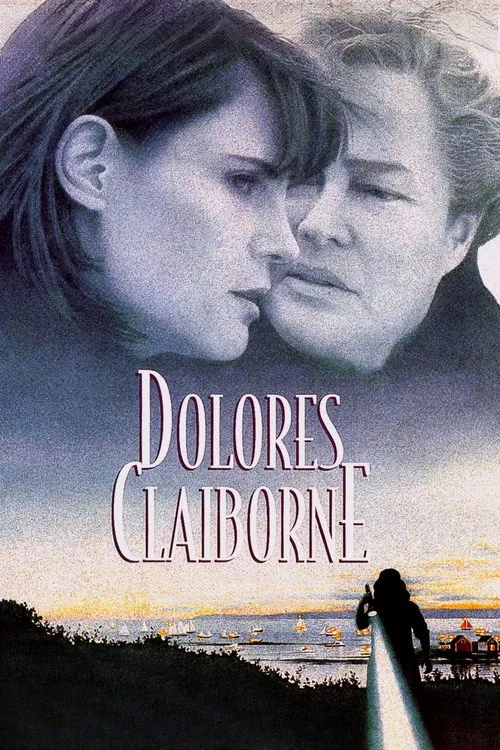
What changes Dark Places: club's theory reopens the case, investigation uncovers conflicting recollections and reconstruction leads to a family revelation. Dolores Claiborne: interrogation-led present, memory-triggered returns and emotional revelation at inquest.
On a remote Maine island, longtime caregiver Dolores Claiborne is suspected of killing her wealthy employer after an accident in the woman's home. Her estranged daughter Selena returns from New York and finds the town still convinced that Dolores murdered her husband years earlier. The present investigation unfolds alongside memories of the family's past, gradually revealing the abuse, sacrifice, and complicated bond that shaped both deaths. The story makes a mother and daughter confront painful truths they have each tried to bury.
Based on recorded story, mood and style. Your preferences can change the order.
Investigation
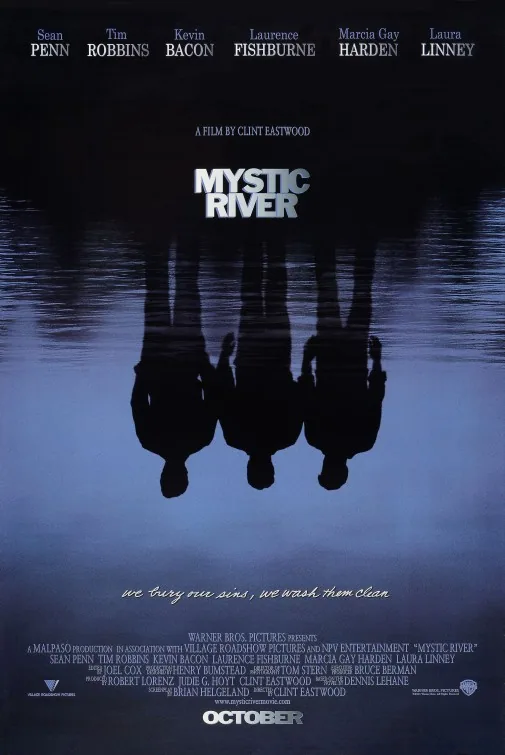
What changes Dark Places: club's theory reopens the case, investigation uncovers conflicting recollections and reconstruction leads to a family revelation. Mystic River: slow burn.
The murder of a young woman reconnects three Boston men whose childhood friendship was fractured by one boy's abduction and abuse. One is now the victim's father, another a police investigator, and the third returns home injured on the night she dies. Their different responses to grief and remembered vulnerability produce competing accounts of what happened, while neighbourhood loyalties turn suspicion into a force that can outrun evidence.
Based on recorded story, mood and style. Your preferences can change the order.
Investigation · Memory and identity
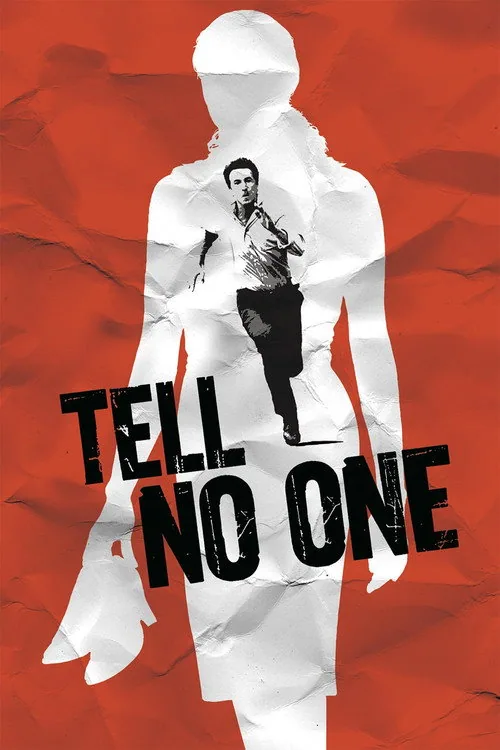
What changes Dark Places: club's theory reopens the case, investigation uncovers conflicting recollections and reconstruction leads to a family revelation. Tell No One: rapid thriller turns, interlocking clues and high-pressure chase.
Eight years after his wife Margot was believed murdered, pediatrician Alexandre Beck receives an email showing a woman who appears to be her, while two bodies are found near the lake where she died. Police begin to suspect Alex, criminals threaten people around him, and he flees to uncover what happened. The French thriller layers a personal search with a tightening criminal conspiracy, using a husband’s grief and unreliable evidence to keep each new revelation in question.
Based on recorded story, mood and style. Your preferences can change the order.
Investigation · Memory and identity
What changes Dark Places: club's theory reopens the case, investigation uncovers conflicting recollections and reconstruction leads to a family revelation. The Girl with the Dragon Tattoo: procedural accumulation into danger.
Disgraced journalist Mikael Blomkvist is hired by the Vanger family to investigate the disappearance of Harriet, a young woman missing since 1966. Hacker Lisbeth Salander independently examines Mikael before joining him in tracing a trail of names, numbers, and unsolved murders. As their inquiry reaches into a wealthy family’s history, Lisbeth’s own fight for safety and autonomy runs alongside the central mystery. The Swedish thriller combines methodical clue work with disturbing material about abuse and misogyny.
Based on recorded story, mood and style. Your preferences can change the order.
Investigation · Memory and identity
What changes Dark Places: club's theory reopens the case, investigation uncovers conflicting recollections and reconstruction leads to a family revelation. Stillwater: measured investigation, character-focused interludes and gradual moral complication.
Bill Baker, an unemployed oil worker from Oklahoma, travels to Marseille to visit his daughter Allison, imprisoned for killing her roommate. When she gives him information that may identify another suspect, Bill tries to reopen the case despite a lawyer's doubts and barriers he cannot easily navigate. A local woman, Virginie, helps him understand the city, and her young daughter becomes part of his daily life. The drama shifts between investigation, family obligation, and the difficult consequences of taking justice into one's own hands.
Based on recorded story, mood and style. Your preferences can change the order.
Investigation
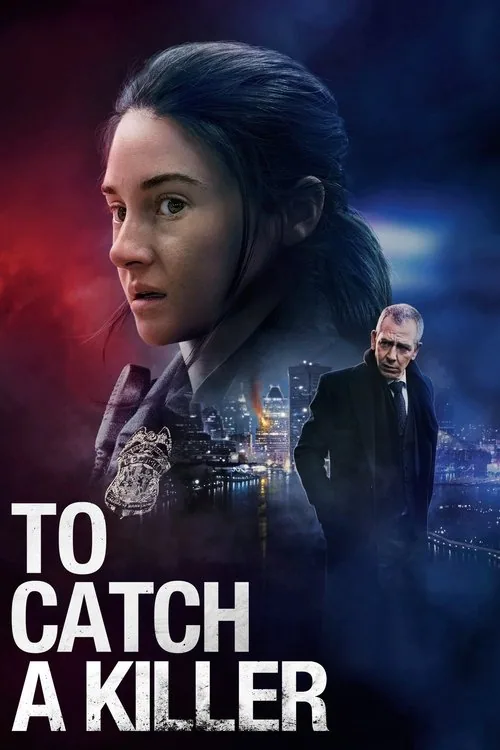
What changes Dark Places: club's theory reopens the case, investigation uncovers conflicting recollections and reconstruction leads to a family revelation. To Catch a Killer: crime-scene opening, investigative progression and pursuit and confrontation.
On New Year's Eve in Baltimore, a sniper kills dozens of people from a concealed position before an explosion obscures the evidence. FBI investigator Geoffrey Lammark recruits local officer Eleanor Falco after she offers an unusually perceptive reading of the crime. As the team tracks a disciplined shooter through an increasingly complex investigation, Eleanor confronts her own troubled past and the limits of institutional procedure. The crime thriller follows both a manhunt and the uncertain bond between an ambitious agent and his recruit.
As a child, Libby Day survived the murder of her mother and sisters and identified her teenage brother Ben as the killer. Years later, short of money, she agrees to meet members of a true-crime club who believe Ben may be innocent. Their questions send her back through the events of that night and into contact with people who knew her family. The mystery shifts between past and present as Libby reconsiders testimony shaped by trauma and incomplete memory.
What drives the story
Libby revisits the murders she survived after a true-crime group challenges her childhood identification of Ben as the killer.
The people at its centre
Libby keeps emotional distance from strangers and family, but the investigation forces her to consider what she remembers and what she was told.
What it feels like
A dark mystery alternates timelines and testimonies to question the reliability of a notorious crime story.
Worth knowing
The investigation is filtered through a survivor's fragmented childhood perspective rather than a detective's procedural casework.
trauma and unreliable memoryfamily violencepublic fascination with crime
Mood
somber · suspicious · bleak
Pacing
club's theory reopens the case · investigation uncovers conflicting recollections · reconstruction leads to a family revelation