Explore films connected to The Joy Luck Club through mother-daughter bonds, migration, memory. Choose the qualities you want to carry into your next watch.
What should feel similar?
Find your next favourite
9 films · Closest overall matches
Hide films you’ve seen or don’t want. Saved on this device.
No matches for this combination yet.
Try another option or reset your choices to see more films.
Based on recorded story, mood and style. Your preferences can change the order.
Family and care · Memory and identity
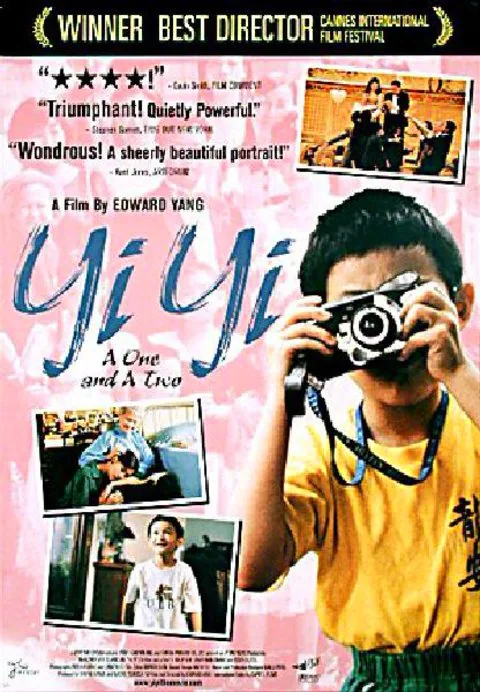
What changes The Joy Luck Club: interwoven present-day relationships and memories reveal how each generation misunderstands and protects the other. Yi Yi: interwoven stories follow each family member as separate events reveal overlapping questions about life and perspective.
Over the course of a year in Taipei, the middle-class Jian family faces a wedding, a grandmother’s stroke, business troubles and the strains of ordinary family life. Father NJ reconnects with a former love while negotiating a new business deal; his wife Min-Min leaves for a Buddhist retreat; daughter Ting-Ting navigates adolescent relationships; and young Yang-Yang observes the adults with unusual curiosity. Each family member sees only part of the whole, and the film follows how private choices ripple through the household and its wider community.
Both share themes of memory and identity, plus a bittersweet atmosphere.
Why this matches +
Genres: Drama / Comedy
Shared film traits
Based on recorded story, mood and style. Your preferences can change the order.
Family and care · Memory and identity
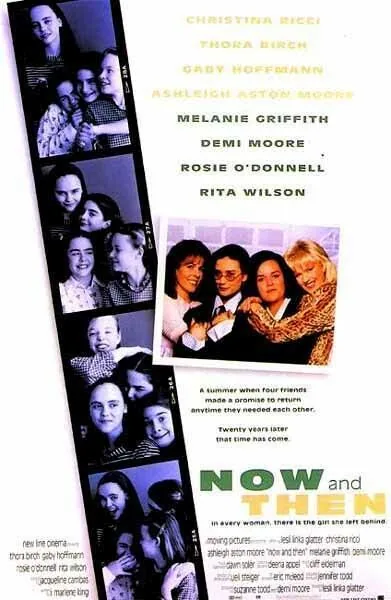
What changes The Joy Luck Club: interwoven present-day relationships and memories reveal how each generation misunderstands and protects the other. Now and Then: present-day reunion frames episodic memories that build toward a shared childhood discovery.
In 1995, four women return to their Indiana hometown and remember the summer they spent together as twelve-year-olds in 1970. Samantha, Teeny, Roberta and Chrissy each faced different questions about family, growing up and the people they hoped to become. Their childhood plan to build a tree house gives the summer a shared purpose, while a local mystery draws them toward the story of a boy who died years earlier. Adult conversation and flashbacks connect the friends’ present lives with the bonds and discoveries that shaped them, showing how their memories remain a part of who they are.
Based on recorded story, mood and style. Your preferences can change the order.
Family and care · Memory and identity
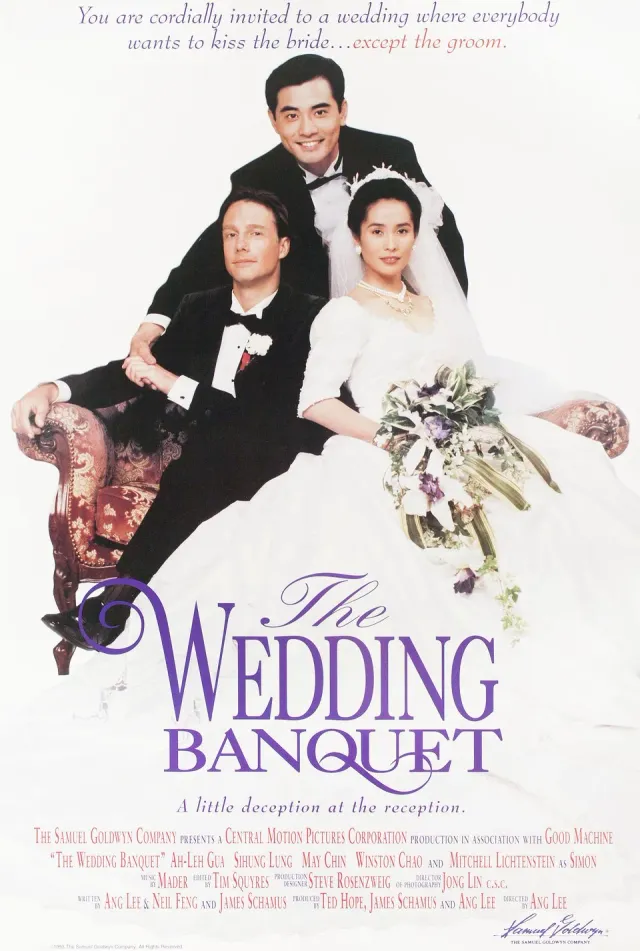
What changes The Joy Luck Club: interwoven present-day relationships and memories reveal how each generation misunderstands and protects the other. The Wedding Banquet: a private arrangement expands into a banquet and a series of comic attempts to keep different truths apart.
Wai-Tung Gao, a Taiwanese immigrant in New York, lives happily with his partner Simon but has not told his traditional parents that he is gay. His parents want him to marry and continue the family line, so he and Simon invent impossible requirements for a bride. When Wei-Wei, a penniless artist renting from Wai-Tung, agrees to a marriage of convenience, the plan seems manageable until his parents travel from Taiwan for a lavish banquet. The visit turns a private arrangement into a comic web of performance and concealment. As the parents’ expectations collide with Simon’s place in Wai-Tung’s life, the family must decide what honesty and care can look like.
Both share an intimate and bittersweet atmosphere.
Why this matches +
Genres: Drama
Shared film traits
Based on recorded story, mood and style. Your preferences can change the order.
Family and care · Social hierarchy
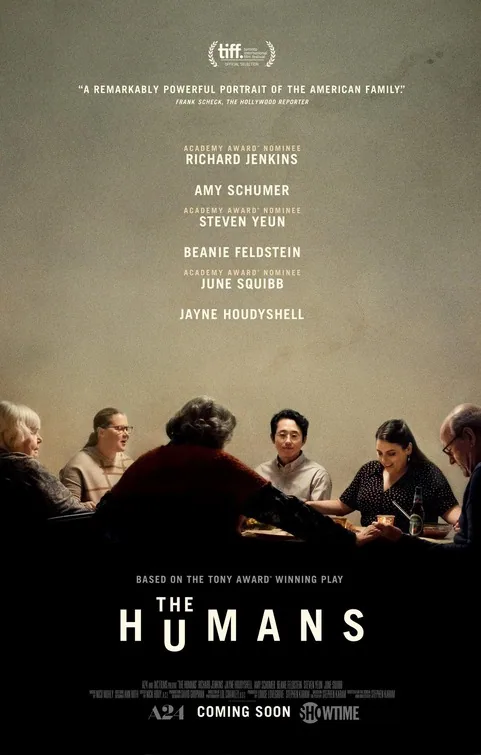
What changes The Joy Luck Club: interwoven present-day relationships and memories reveal how each generation misunderstands and protects the other. The Humans: the family assembles for a holiday meal, everyday complaints expose long-running tensions and and private worries surface as the apartment grows unsettling..
On Thanksgiving, the Blake family gathers in the run-down Chinatown apartment where younger daughter Brigid lives with her partner Richard. Parents Erik and Deirdre, sister Aimee and grandmother Momo arrive carrying financial, health and relationship strains. As dinner unfolds, family jokes and old grievances coexist with unsettling sounds and darkness in the building around them.
Both share a reflective and bittersweet atmosphere.
Why this matches +
Genres: Drama / Music
Shared film traits
Based on recorded story, mood and style. Your preferences can change the order.
Family and care · Romance and intimacy
What changes The Joy Luck Club: interwoven present-day relationships and memories reveal how each generation misunderstands and protects the other. Hilary and Jackie: their lives are recounted through alternating perspectives and with earlier choices gaining new weight as jackie becomes ill.
Sisters Hilary and Jacqueline du Pré grow up in a family that encourages their musical training, with Hilary playing flute and Jackie cello. Jackie’s exceptional cello talent brings international fame, while Hilary builds a quieter life with her husband and family. Jackie’s marriage and performing career are disrupted by a progressive illness, and she returns to Hilary seeking closeness and care. When Jackie asks for an intimacy that strains the sisters’ trust, the film revisits their shared history from both perspectives and explores the unequal pressures their choices place on their bond.
Based on recorded story, mood and style. Your preferences can change the order.
Family and care · Memory and identity
What changes The Joy Luck Club: interwoven present-day relationships and memories reveal how each generation misunderstands and protects the other. His Three Daughters: contained, dialogue-heavy and gradually softening.
Katie, Christina and Rachel gather in their father's New York apartment as he approaches the end of his life. They have lived with different degrees of distance from him and from one another, and the practical work of caring for him brings old resentments into the open. As the sisters wait and negotiate decisions, their compressed time together reveals competing versions of family history, responsibility and love without reducing their differences to a simple reconciliation.
Both share themes of memory, plus an intimate and reflective atmosphere.
Why this matches +
Genres: Drama / Biography
Shared film traits
Based on recorded story, mood and style. Your preferences can change the order.
Memory and identity · Romance and intimacy
What changes The Joy Luck Club: interwoven present-day relationships and memories reveal how each generation misunderstands and protects the other. The Chronology of Water: episodic, associative and emotionally cumulative.
Adapted from Lidia Yuknavitch’s memoir, the film follows Lidia from a difficult childhood into adulthood, where competitive swimming, intimate relationships, addiction, and writing become entwined with her effort to understand her past. Kristen Stewart shapes the story through a nonlinear, sensory approach that treats memory as something revisited and rewritten. Water becomes both a physical discipline and a recurring image for survival and self-expression.
Based on recorded story, mood and style. Your preferences can change the order.
Memory and identity
What changes The Joy Luck Club: interwoven present-day relationships and memories reveal how each generation misunderstands and protects the other. Y tu mamá también: meandering and accumulating.
Two teenage friends take a road trip with an older woman who is dealing with a private loss, and their shifting trio turns a carefree journey into a reckoning with desire, class and growing up. A candid voice-over widens the story beyond the travelers’ self-image. The film’s erotic humor sits beside an attentive portrait of Mexican places and inequalities.
Both share an intimate and compassionate atmosphere.
Why this matches +
Genres: Drama
Shared film traits
Based on recorded story, mood and style. Your preferences can change the order.
Memory and identity
What changes The Joy Luck Club: interwoven present-day relationships and memories reveal how each generation misunderstands and protects the other. Secrets & Lies: reunion unsettles everyday family routines, private conversations expose old wounds and gathering brings several relationships into view.
After the death of her adoptive mother, London optometrist Hortense Cumberbatch searches for her birth family and meets Cynthia Purley, a working-class woman who gave her up as a baby. Cynthia must absorb the unexpected reunion while managing a strained relationship with her daughter Roxanne and the needs of her brother Maurice. As family members prepare for a celebration, long-held stories surface in intimate conversations that test their assumptions about race, class, motherhood, and belonging.
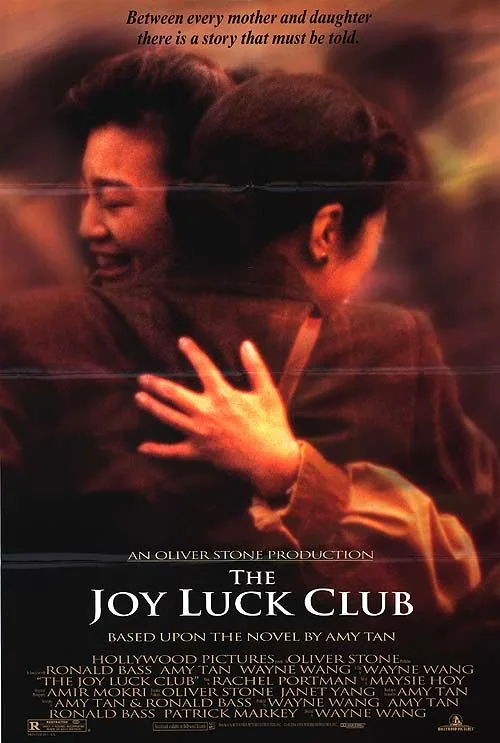
The film connects four Chinese immigrant mothers in San Francisco with their Chinese American daughters through family gatherings, stories and memories. After Suyuan Woo dies, her daughter June takes her place at the Joy Luck Club and prepares to travel to China to meet the twin sisters her mother left behind. The mothers’ memories of growing up in China and building new lives in America illuminate the pressures their daughters face in work, love and family. Present-day conflicts are reframed as the women listen to one another, gradually recognizing how old fears and hopes have shaped both generations.
What drives the story
June’s place in the Joy Luck Club leads her toward the family history her mother could not finish sharing.
The people at its centre
The daughters seek independence while their mothers try to pass on lessons formed by earlier hardship and migration.
What it feels like
The ensemble structure lets individual stories echo one another, turning family arguments into a shared process of recognition.
Worth knowing
Its defining form is a multi-generational portrait that links Chinese immigrant mothers’ memories to their daughters’ American lives.