Both share themes of caregiving, plus a reflective atmosphere.
Why this matches +
Genres: Drama
Shared film traits
Based on recorded story, mood and style. Your preferences can change the order.
Family and care · Mental health
What changes Hilary and Jackie: their lives are recounted through alternating perspectives and with earlier choices gaining new weight as jackie becomes ill. His Three Daughters: contained, dialogue-heavy and gradually softening.
Katie, Christina and Rachel gather in their father's New York apartment as he approaches the end of his life. They have lived with different degrees of distance from him and from one another, and the practical work of caring for him brings old resentments into the open. As the sisters wait and negotiate decisions, their compressed time together reveals competing versions of family history, responsibility and love without reducing their differences to a simple reconciliation.
Based on recorded story, mood and style. Your preferences can change the order.
Music and performance
What changes Hilary and Jackie: their lives are recounted through alternating perspectives and with earlier choices gaining new weight as jackie becomes ill. Respect: career milestones build toward major studio and stage performances.
Aretha Franklin rises from singing in her father’s church to national recognition, while navigating family expectations, abusive relationships and the demands of the music industry. The biographical musical drama traces the years leading to her landmark recordings and performances, emphasizing her developing control over her voice and career. Jennifer Hudson portrays Franklin as a performer whose public power grows alongside a difficult private journey.
Both share themes of ambition, plus a bittersweet atmosphere.
Why this matches +
Genres: Drama / Romance
Shared film traits
Based on recorded story, mood and style. Your preferences can change the order.
Romance and intimacy
What changes Hilary and Jackie: their lives are recounted through alternating perspectives and with earlier choices gaining new weight as jackie becomes ill. Love & Basketball: four life stages track the pair from childhood games through college and adult choices about sport and commitment.
Monica Wright and Quincy McCall meet as children in Los Angeles and discover a shared love of basketball. Their friendship and rivalry continue through high school and college as both pursue competitive careers, but different expectations shape their opportunities. Quincy grows up in the shadow of his professional-player father, while Monica has to fight for recognition in a sport that offers fewer paths for women. Their romance repeatedly strains under pride, ambition and changing circumstances, leaving both to decide whether they can support each other as equals.
Both share a reflective and bittersweet atmosphere.
Why this matches +
Genres: Drama / Family
Shared film traits
Based on recorded story, mood and style. Your preferences can change the order.
Family and care · Romance and intimacy
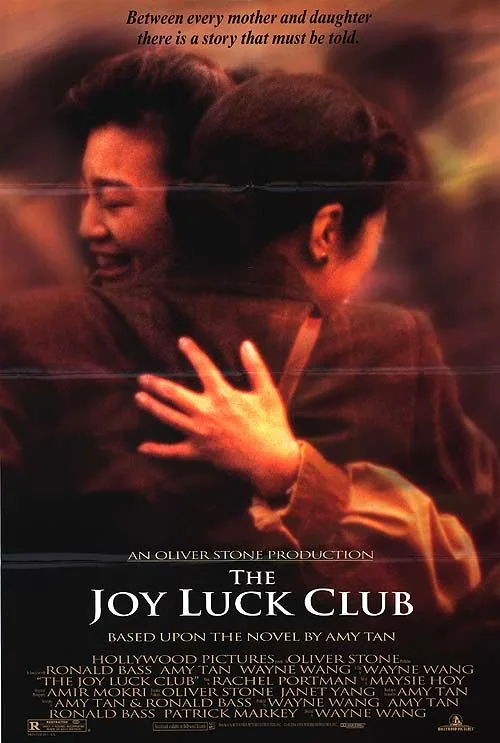
What changes Hilary and Jackie: their lives are recounted through alternating perspectives and with earlier choices gaining new weight as jackie becomes ill. The Joy Luck Club: interwoven present-day relationships and memories reveal how each generation misunderstands and protects the other.
The film connects four Chinese immigrant mothers in San Francisco with their Chinese American daughters through family gatherings, stories and memories. After Suyuan Woo dies, her daughter June takes her place at the Joy Luck Club and prepares to travel to China to meet the twin sisters her mother left behind. The mothers’ memories of growing up in China and building new lives in America illuminate the pressures their daughters face in work, love and family. Present-day conflicts are reframed as the women listen to one another, gradually recognizing how old fears and hopes have shaped both generations.
Based on recorded story, mood and style. Your preferences can change the order.
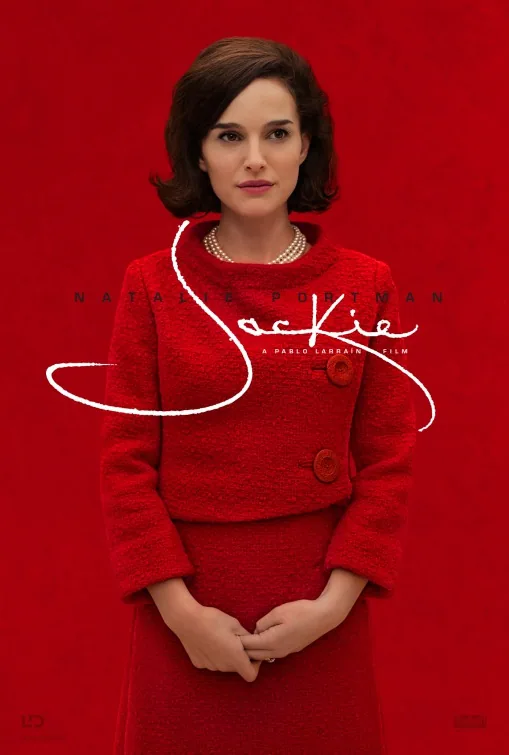
What changes Hilary and Jackie: their lives are recounted through alternating perspectives and with earlier choices gaining new weight as jackie becomes ill. Jackie: fragmented and subjective.
After President John F. Kennedy's assassination, Jacqueline Kennedy gives an interview about the days surrounding the funeral and her effort to shape how the country remembers her husband. The film moves through grief, public duty, and private conversations as she negotiates the White House's transition and the limits of her control over an official narrative. Pablo Larraín's portrait is intimate and subjective, using performance and ritual to explore mourning under constant observation.
Based on recorded story, mood and style. Your preferences can change the order.
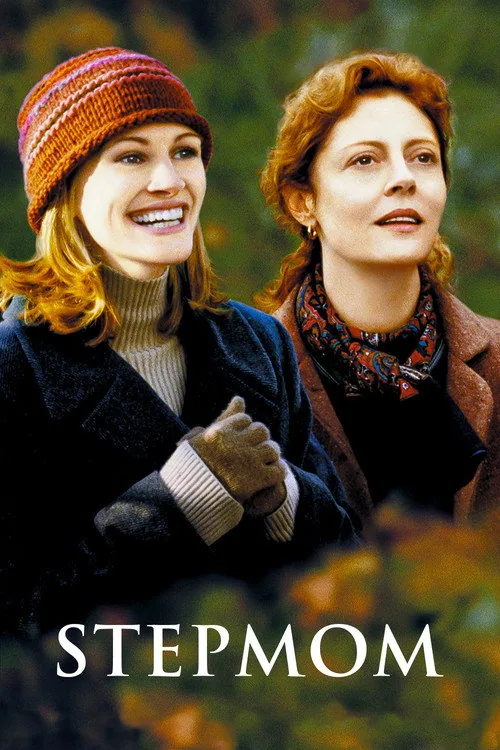
What changes Hilary and Jackie: their lives are recounted through alternating perspectives and with earlier choices gaining new weight as jackie becomes ill. Stepmom: relationship-centered, gradual emotional shift and melodramatic.
After his divorce from Jackie, Luke begins a life with Isabel, a younger photographer who is trying to build a relationship with his children. Jackie resists the changes in her family and doubts Isabel’s ability to care for them. The tension shifts when Jackie receives a terminal cancer diagnosis, forcing both women to reconsider their rivalry and the children’s future. Chris Columbus’s drama follows family adjustment and the difficult transition toward a stepmother role under the pressure of illness.
Based on recorded story, mood and style. Your preferences can change the order.
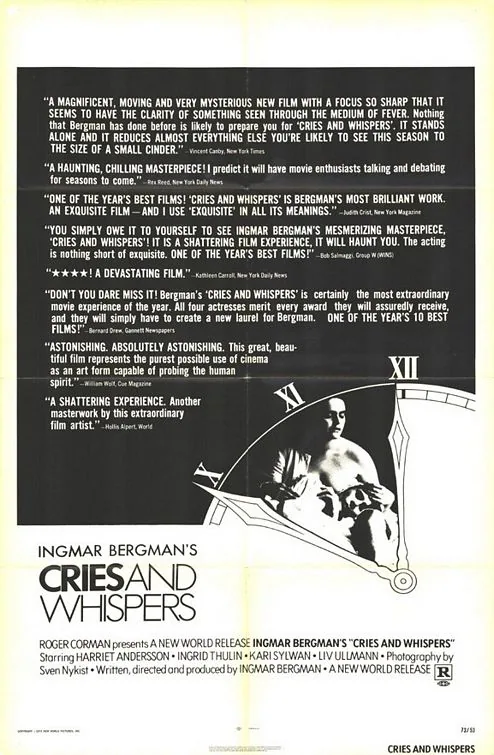
What changes Hilary and Jackie: their lives are recounted through alternating perspectives and with earlier choices gaining new weight as jackie becomes ill. Cries and Whispers: slow burn.
Agnes is dying in a red-walled family house while her sisters Maria and Karin return, each carrying a different form of distance from her suffering. Anna, the maid, offers the physical comfort her relatives struggle to give, but her care does not grant her equal authority in the household. Memory and an uncanny return briefly reopen the possibility of tenderness before the sisters resume their separate lives. Bergman's close framing and saturated color make bodily pain intimate without resolving it into a reassuring story of reconciliation.
Both share themes of ambition, plus a reflective and bittersweet atmosphere.
Why this matches +
Genres: Drama
Shared film traits
Based on recorded story, mood and style. Your preferences can change the order.
Romance and intimacy
What changes Hilary and Jackie: their lives are recounted through alternating perspectives and with earlier choices gaining new weight as jackie becomes ill. The Wife: character-led, past and present interwoven and emotional revelation.
Joan Castleman accompanies her husband, celebrated novelist Joe, to Stockholm after he receives the Nobel Prize in Literature. The ceremonies bring their adult son and an intrusive biographer into the couple’s orbit, while Joan’s frustration with the public story of Joe’s success grows. Flashbacks to their early relationship as student and professor reveal the compromises that shaped their marriage and creative partnership, raising questions about recognition, authorship, and a life spent in another person’s shadow.
Both share themes of illness, plus a bittersweet atmosphere.
Why this matches +
Genres: Drama
Shared film traits
Based on recorded story, mood and style. Your preferences can change the order.
Family and care · Mental health
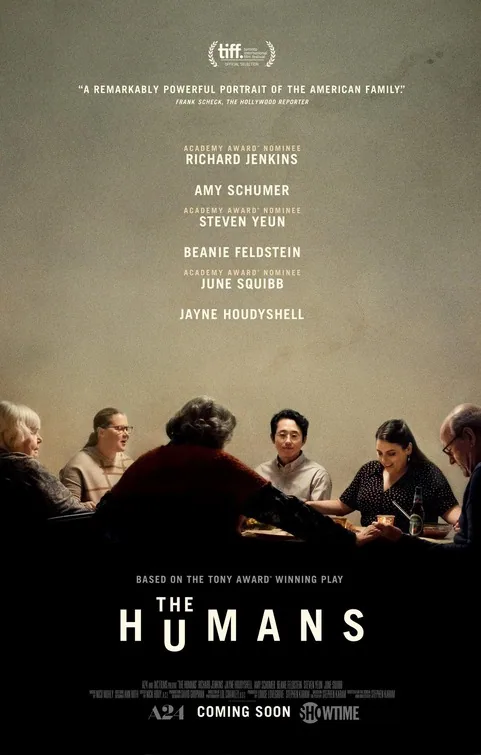
What changes Hilary and Jackie: their lives are recounted through alternating perspectives and with earlier choices gaining new weight as jackie becomes ill. The Humans: the family assembles for a holiday meal, everyday complaints expose long-running tensions and and private worries surface as the apartment grows unsettling..
On Thanksgiving, the Blake family gathers in the run-down Chinatown apartment where younger daughter Brigid lives with her partner Richard. Parents Erik and Deirdre, sister Aimee and grandmother Momo arrive carrying financial, health and relationship strains. As dinner unfolds, family jokes and old grievances coexist with unsettling sounds and darkness in the building around them.
Sisters Hilary and Jacqueline du Pré grow up in a family that encourages their musical training, with Hilary playing flute and Jackie cello. Jackie’s exceptional cello talent brings international fame, while Hilary builds a quieter life with her husband and family. Jackie’s marriage and performing career are disrupted by a progressive illness, and she returns to Hilary seeking closeness and care. When Jackie asks for an intimacy that strains the sisters’ trust, the film revisits their shared history from both perspectives and explores the unequal pressures their choices place on their bond.
What drives the story
Care for Jackie brings Hilary into conflict with the boundaries she needs for her own family life.
The people at its centre
The sisters’ shared musical upbringing binds them even as fame and different adult choices create distance.
What it feels like
The dual-perspective structure questions how memory and affection shape a family biography.
Worth knowing
A celebrated cellist’s illness draws her less-famous sister into a painful test of love and loyalty.