Explore films connected to The Magdalene Sisters through institutional abuse, gender, religion. Choose the qualities you want to carry into your next watch.
What should feel similar?
Find your next favourite
9 films · Closest overall matches
Hide films you’ve seen or don’t want. Saved on this device.
No matches for this combination yet.
Try another option or reset your choices to see more films.
Based on recorded story, mood and style. Your preferences can change the order.
Social hierarchy
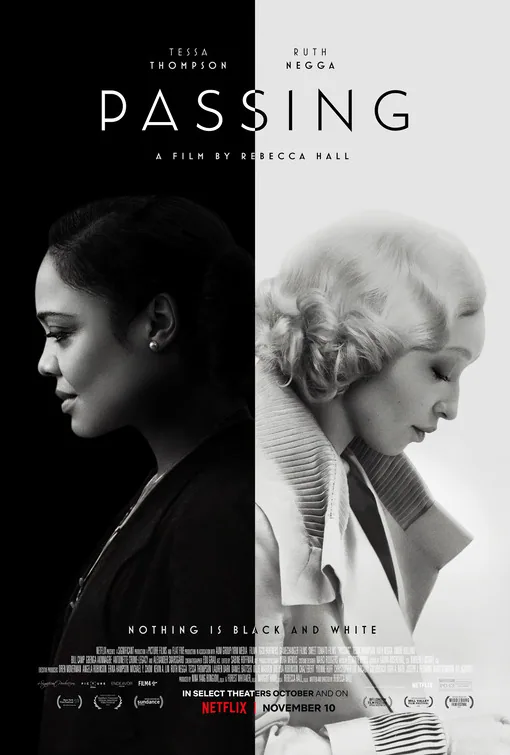
What changes The Magdalene Sisters: daily routines and punishments and escape attempts reveal how the institution maintains control over its inmates. Passing: a chance meeting renews the women’s friendship, clare enters irene’s social world and and shifting loyalties raise the risks of exposure..
In 1920s New York, Irene Redfield encounters Clare Bellew, a childhood friend who has been living as white. Their renewed connection draws Clare back into Harlem society and into Irene’s household, while Irene becomes increasingly unsettled by Clare’s presence. Rebecca Hall’s adaptation follows the social codes, private desires and racial dangers that shape what each woman can reveal.
Based on recorded story, mood and style. Your preferences can change the order.
What changes The Magdalene Sisters: daily routines and punishments and escape attempts reveal how the institution maintains control over its inmates. The Passion of the Christ: relentless and episodic.
Set during Passover, the film follows Jesus from prayer in Gethsemane through Judas’s betrayal, arrest, interrogation and condemnation by Roman authorities, ending with his crucifixion and a brief resurrection image. Mary, Mary Magdalene and the disciples witness the escalating punishment, while flashbacks to Jesus’s teaching and earlier life interrupt the ordeal. Mel Gibson draws on the canonical Gospels and devotional visions associated with Anne Catherine Emmerich, blending sources into a highly graphic theological interpretation. The film gives sustained attention to physical suffering rather than a broad account of Jesus’s ministry, and its allocation of blame between Roman authorities and Jewish leaders has prompted longstanding debate about anti-Jewish framing.
Based on recorded story, mood and style. Your preferences can change the order.
What changes The Magdalene Sisters: daily routines and punishments and escape attempts reveal how the institution maintains control over its inmates. The Nativity Story: measured and character-led.
Mary and Joseph face community suspicion and a dangerous journey after learning that they will become parents. Their travels toward Bethlehem unfold amid political pressure, hardship and their effort to protect one another. The film centers faith in intimate decisions and care rather than presenting the sacred story as distant pageantry. Naturalistic locations and a restrained period style emphasize the young couple’s vulnerability.
Based on recorded story, mood and style. Your preferences can change the order.
Power and authority · Survival
What changes The Magdalene Sisters: daily routines and punishments and escape attempts reveal how the institution maintains control over its inmates. Tyrannosaur: deliberate, intense and character-led.
Joseph is a widower in northern England whose anger erupts across his daily life. After meeting Hannah, a charity-shop worker whose kindness initially unsettles him, he begins to return to her shop and accept a measure of help. Hannah’s life behind her public faith is controlled by an abusive husband, and the two form a connection shaped by private violence and shame. Paddy Considine’s drama follows whether compassion can survive when both characters are carrying damage they have struggled to name or escape.
Based on recorded story, mood and style. Your preferences can change the order.
Political resistance
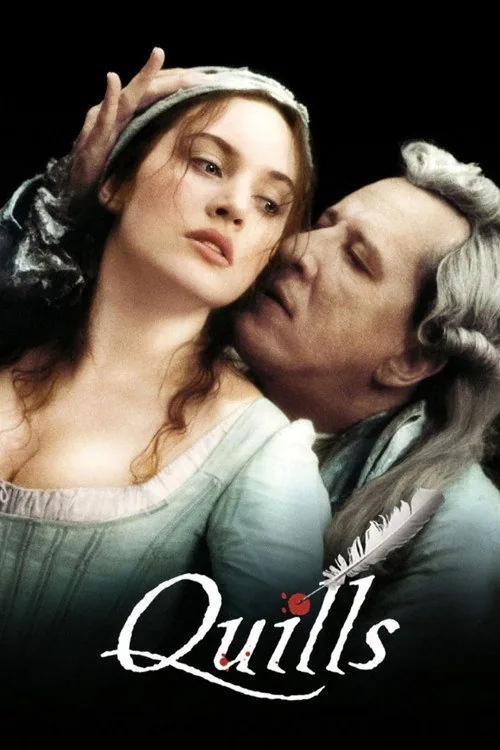
What changes The Magdalene Sisters: daily routines and punishments and escape attempts reveal how the institution maintains control over its inmates. Quills: contained institutional drama, escalating conflict and theatrical confrontations.
At the Charenton asylum, the Marquis de Sade continues to publish provocative writing through the help of laundress Madeleine and a sympathetic abbé. When Napoleon sends Dr. Royer-Collard to suppress him, the doctor's methods become as cruel and theatrical as the Marquis's stories. Madeleine's literacy and the asylum's residents complicate the effort to silence one writer, raising questions about censorship, desire, madness, and who has the authority to define obscenity. The historical drama uses stylized scenes rather than a strict biography.
Based on recorded story, mood and style. Your preferences can change the order.
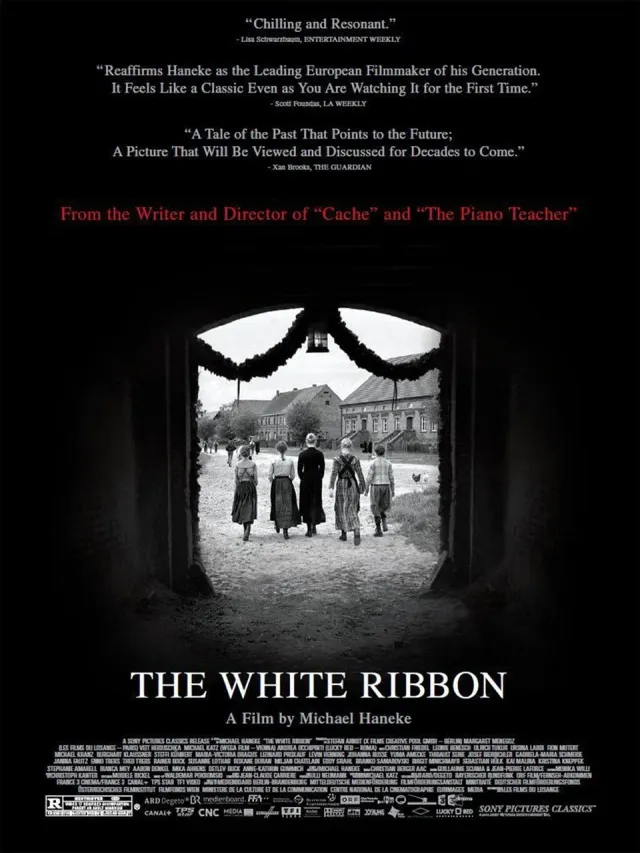
What changes The Magdalene Sisters: daily routines and punishments and escape attempts reveal how the institution maintains control over its inmates. The White Ribbon: slow-burn and episodic inquiry.
In a Protestant village in northern Germany shortly before World War I, a doctor is injured when his horse trips over a wire, and a series of other disturbing incidents unsettles the community. The schoolteacher narrates events as he remembers them, including the abuse and rigid discipline imposed by adults, the baron’s household and the children’s choral group. Suspicion moves through the village, but the events are never conclusively assigned to a single culprit. The film connects private cruelty with social authority while preserving the limits of what its older narrator can know. The adults’ punishments are visible, while the identities and motives behind the attacks remain uncertain.
Based on recorded story, mood and style. Your preferences can change the order.
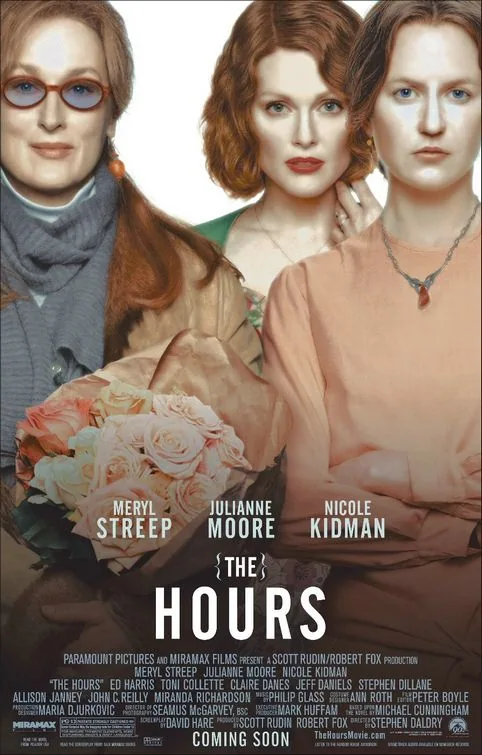
What changes The Magdalene Sisters: daily routines and punishments and escape attempts reveal how the institution maintains control over its inmates. The Hours: interwoven timelines and emotional accumulation.
The film follows three women on separate days in different decades: Virginia Woolf in 1920s England, Laura Brown in 1950s Los Angeles and Clarissa Vaughan in contemporary New York. Virginia writes Mrs. Dalloway while struggling with illness and the restrictions of her life; Laura reads the novel as domestic dissatisfaction closes around her; Clarissa cares for Richard, a poet and former lover dying of AIDS. Editing and recurring gestures connect the women without making their experiences identical. The result is a literary drama about care, escape and the futures people imagine for themselves.
Based on recorded story, mood and style. Your preferences can change the order.
Political resistance
What changes The Magdalene Sisters: daily routines and punishments and escape attempts reveal how the institution maintains control over its inmates. The Kerala Story: flashback-driven, threat escalation and survival-focused.
The film frames its story through the interrogation of Fatima, a young woman detained near the Afghan-Iran border, and flashbacks to her earlier life as Shalini in Kerala. It depicts her and other women being pressured into conversion and recruited into the Islamic State, centering on coercion, separation, and escape. The Hindi drama was marketed as a true story, but its claims and scale were disputed, and filmmakers added disclaimers that the figures were inauthentic and the depiction fictionalized.
Based on recorded story, mood and style. Your preferences can change the order.
Power and authority · Social hierarchy
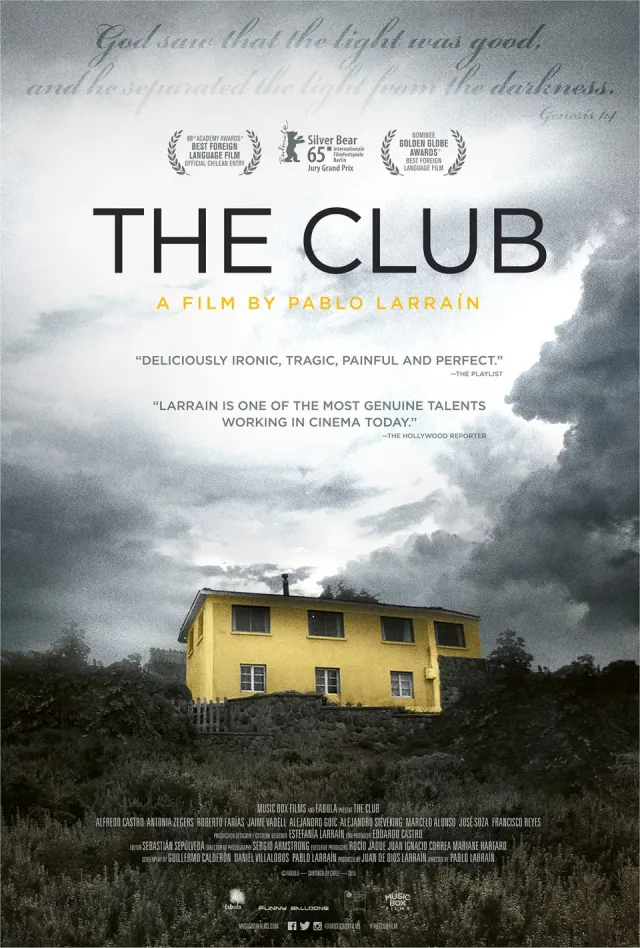
What changes The Magdalene Sisters: daily routines and punishments and escape attempts reveal how the institution maintains control over its inmates. The Club: deliberate, contained and pressure-building.
Four retired Catholic priests live under the supervision of a caretaker in a secluded house beside a small Chilean coastal town. Their quiet routine is disturbed when a new priest arrives and a former victim appears outside, demanding that the men face their past. Church officials send a visitor to assess the crisis, and the residents’ history of secrecy and institutional protection begins to surface. Pablo Larraín’s drama observes how the house functions as both refuge and confinement.
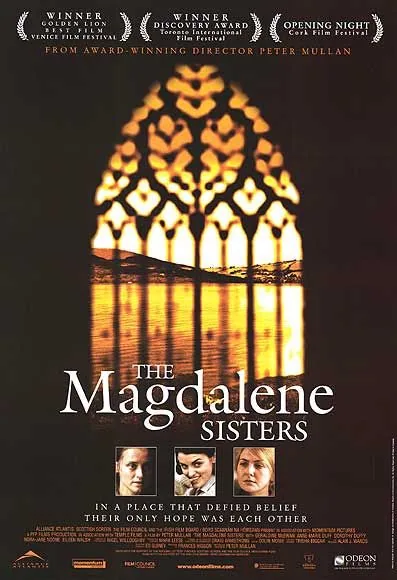
In 1960s Ireland, Margaret, Bernadette, Rose and Crispina are sent by family or caretakers to a Magdalene laundry, where religious authorities claim to reform women considered sinful. Their work is exhausting, their freedom is restricted and the women face humiliation and abuse from the institution’s leadership. The film follows their attempts to endure the daily regime and preserve relationships with one another, while the asylum’s religious language masks a system that benefits from their labor and keeps them isolated from the outside world.
What drives the story
The women’s forced admission reflects the power families and church authorities hold over young women’s lives.
The people at its centre
Friendship offers the inmates moments of solidarity within a system designed to isolate and discipline them.
What it feels like
The film confronts institutional violence through close attention to routine rather than sensational spectacle.
Worth knowing
Women sent to a religious laundry in 1960s Ireland discover that its promise of redemption hides exploitation and abuse.
institutional abusegenderreligion
Mood
harrowing · angry · compassionate · restrained
Pacing
Daily routines · punishments and escape attempts reveal how the institution maintains control over its inmates
Visual style
Unadorned period drama emphasizes repetitive labor and the contrast between pious language and cruelty
Storytelling
Four young women endure coercive confinement and exploitation in an Irish Magdalene laundry