The struggle is internal: Jesus’ compassion and fear coexist, while Judas’s demand for political resistance forces the question of what kind of Messiah he will be.
Why this matches +
Selected for the central appeal: A graphic devotional account follows Jesus's arrest, condemnation and crucifixion.
Genres: Drama / Thriller
Shared film traits
Based on recorded story, mood and style. Your preferences can change the order.
War and civilian life
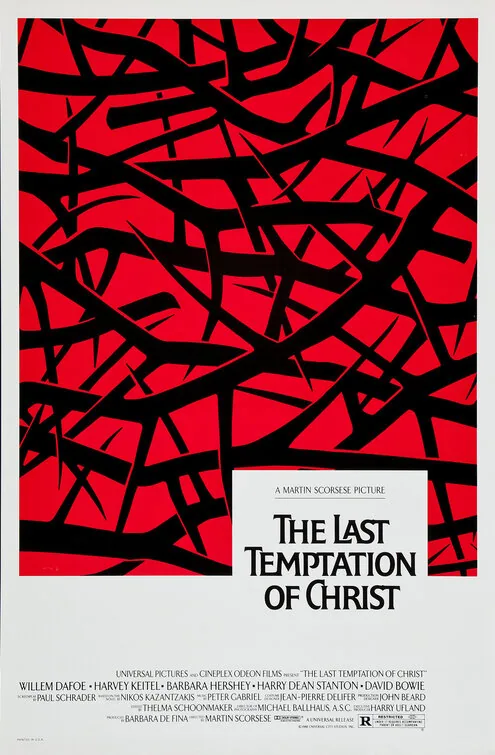
What changes A religious drama reimagines Jesus's final ordeal and the spiritual meaning of sacrifice through a distinctive interpretation.
Jesus, a carpenter in Roman-ruled Judea, is pulled between ordinary human fear and a growing conviction that his life has a divine purpose. Judas first sees him as a collaborator with the occupiers, then becomes an uneasy ally as Jesus gathers followers and turns toward Jerusalem. The film follows the ministry through miracles, conflict with authorities and the decision that leads to crucifixion; there, an apparent rescue imagines the family life Jesus might have had before revealing the cost of that escape. Martin Scorsese’s adaptation of Nikos Kazantzakis’s novel is a fictional spiritual inquiry, not a literal retelling of the Gospels.
Well-known episodes provide the film’s structure and build toward a culmination centered on sacrifice.
Why this matches +
Selected for the central appeal: A graphic devotional account follows Jesus's arrest, condemnation and crucifixion.
Genres: Drama
Shared film traits
Based on recorded story, mood and style. Your preferences can change the order.
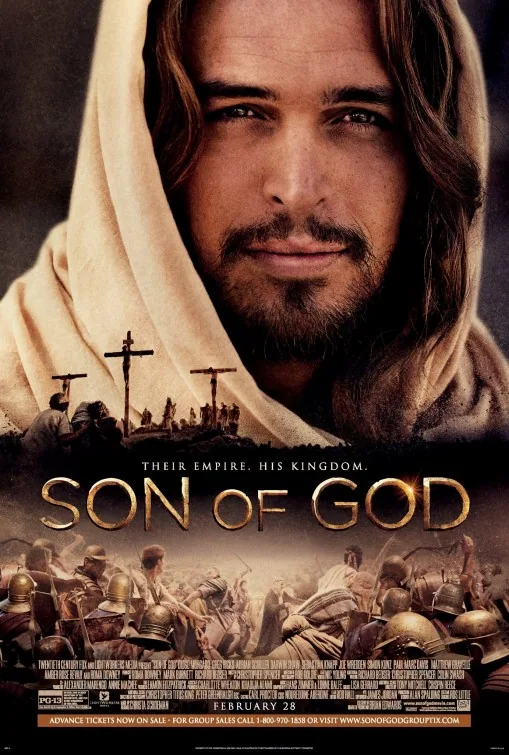
What changes A dramatization of Jesus's life culminates in arrest, crucifixion and resurrection, framed through Christian belief.
A retelling of Jesus’s life follows his ministry, relationships with disciples, conflict with Roman authority and final days in Jerusalem. The film emphasizes recognizable Gospel episodes and the emotional bonds around the central figure, framing familiar events as a large-scale devotional drama. Its episodic progression gives viewers a broad narrative of faith, sacrifice and community rather than a narrow historical investigation.
The court uses questioning, deception and threat to make Joan renounce her mission; her recantation and withdrawal shape the movement toward execution.
Why this matches +
These offer a related experience with a meaningful difference in story, tone, or presentation.
An adjacent discovery: a related idea with a different viewing experience.
Genres: Drama / Silent
Shared film traits
Based on recorded story, mood and style. Your preferences can change the order.
What changes A faith-centered drama concentrates on trial, persecution and physical suffering as a believer confronts religious and political authority.
Captured near Compiègne, Joan of Arc is brought before a clerical court in Rouen, where judges loyal to the English seek to discredit her claim that God called her to drive the occupiers from France. Their questions move from doctrine to her visions, clothing and authority, turning the trial into a battle over who has the right to define her. Deception and threats of torture pressure Joan to sign a confession, but she later withdraws it and faces execution. Carl Theodor Dreyer compresses the historical proceedings into an intensely immediate ordeal, focusing on Joan's face and the reactions of the men judging her rather than recreating her military campaign. The film's emotional force comes from the conflict between institutional power and private conviction.
The missing-body inquiry gives Clavius a concrete official task that becomes difficult to separate from belief.
Why this matches +
These offer a related experience with a meaningful difference in story, tone, or presentation.
An adjacent discovery: a related idea with a different viewing experience.
Genres: Drama
Shared film traits
Based on recorded story, mood and style. Your preferences can change the order.
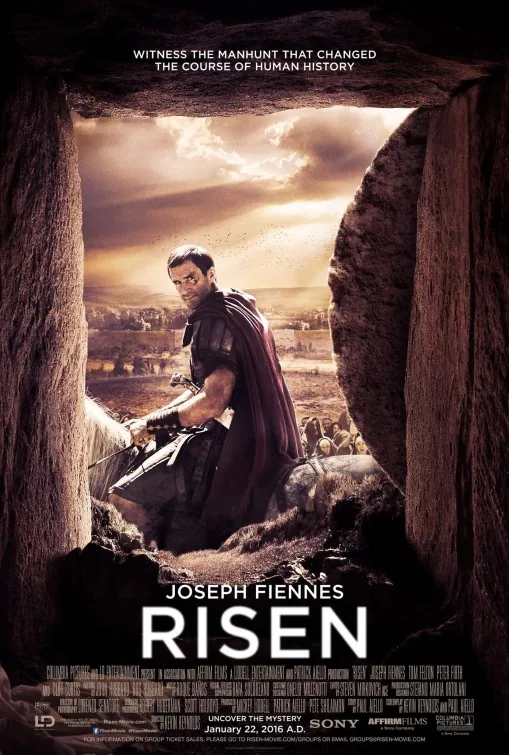
What changes A Roman official investigates events surrounding Jesus's death and resurrection, confronting faith and imperial authority.
A Roman tribune is assigned to investigate rumors surrounding the disappearance of Jesus’s body after the crucifixion. His search begins as a political and military duty but gradually challenges the assumptions that have organized his life. The historical drama uses an outsider’s investigation to tell a story of faith, evidence and personal transformation, placing familiar religious events inside an imperial power structure.
The companions' migration, persecution, and return trace how a small community grows under pressure.
Why this matches +
These offer a related experience with a meaningful difference in story, tone, or presentation.
An adjacent discovery: a related idea with a different viewing experience.
Genres: Drama / History
Shared film traits
Based on recorded story, mood and style. Your preferences can change the order.
War and civilian life
What changes A historical religious epic dramatizes the origins of a faith community through persecution, conviction and public conflict.
The film follows the early spread of Islam through the experiences of Muhammad's companions, whose persecution in Mecca leads them to seek refuge and later return with a growing community. As the new faith challenges established power, its followers face social pressure, exile, and armed conflict. The story depicts the Prophet without showing his face or using an actor, respecting a central religious convention. Moustapha Akkad's historical epic presents the foundation of Islam through surrounding figures and major events rather than a single biographical lead performance.
Set during Passover, the film follows Jesus from prayer in Gethsemane through Judas’s betrayal, arrest, interrogation and condemnation by Roman authorities, ending with his crucifixion and a brief resurrection image. Mary, Mary Magdalene and the disciples witness the escalating punishment, while flashbacks to Jesus’s teaching and earlier life interrupt the ordeal. Mel Gibson draws on the canonical Gospels and devotional visions associated with Anne Catherine Emmerich, blending sources into a highly graphic theological interpretation. The film gives sustained attention to physical suffering rather than a broad account of Jesus’s ministry, and its allocation of blame between Roman authorities and Jewish leaders has prompted longstanding debate about anti-Jewish framing.
What drives the story
A short span between arrest and death is expanded into a sequence of trial, punishment and witnesses, with intermittent memories of earlier teaching.
The people at its centre
Jesus’s endurance is framed alongside Mary’s grief and the disciples’ fear, while Roman officials and Jewish leaders are assigned different roles in the violence. That emphasis makes the film’s interpretation of responsibility important to evaluate alongside Gospel scholarship and Christian-Jewish history.
What it feels like
Aramaic, Hebrew and Latin dialogue, religious imagery and prolonged graphic violence create an austere, physically distressing biblical drama.
Worth knowing
For viewers specifically seeking a severe Passion narrative. Its Gospel and devotional sources, theological choices and contested portrayal of responsibility distinguish it from gentler biblical epics.