Explore films connected to The Passion of Joan of Arc through Faith, Persecution, Moral courage. Choose the qualities you want to carry into your next watch.
What should feel similar?
Find your next favourite
9 films · Closest overall matches
Hide films you’ve seen or don’t want. Saved on this device.
No matches for this combination yet.
Try another option or reset your choices to see more films.
Based on recorded story, mood and style. Your preferences can change the order.
What changes The Passion of Joan of Arc: compressed and relentless. The Last Duel: three-part and escalating.
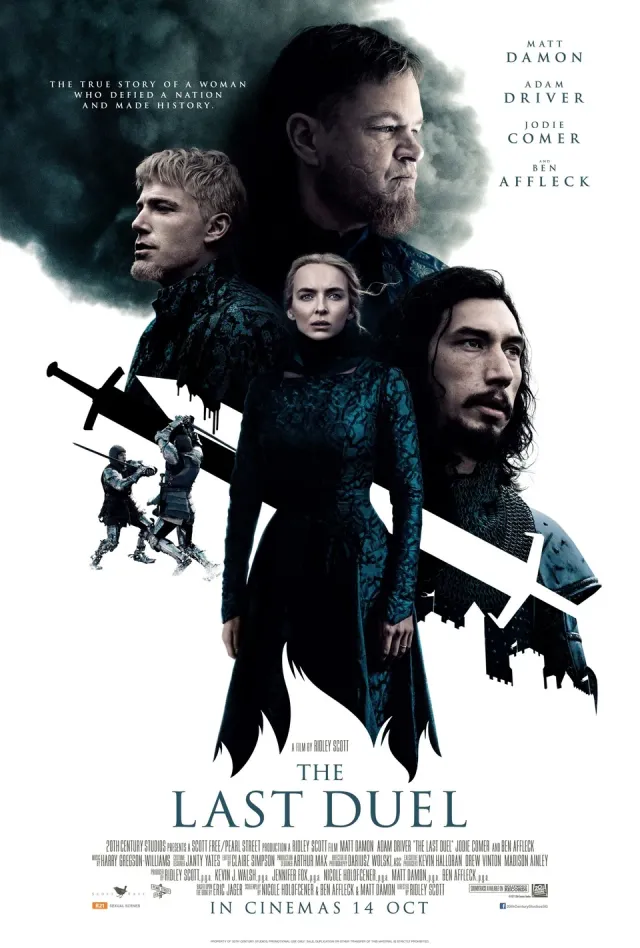
In medieval France, Jean de Carrouges accuses Jacques Le Gris of assaulting his wife Marguerite, and the claim is brought before the king. The film retells the events through three perspectives, revealing where memory, status and self-justification reshape the same encounters. As legal and social institutions fail to offer Marguerite a safe hearing, the impending duel becomes both a public judgment and a violent test of whose account will be believed.
Based on recorded story, mood and style. Your preferences can change the order.
What changes The Passion of Joan of Arc: compressed and relentless. The Messenger: The Story of Joan of Arc: battlefield ascent and courtroom and trial questioning.
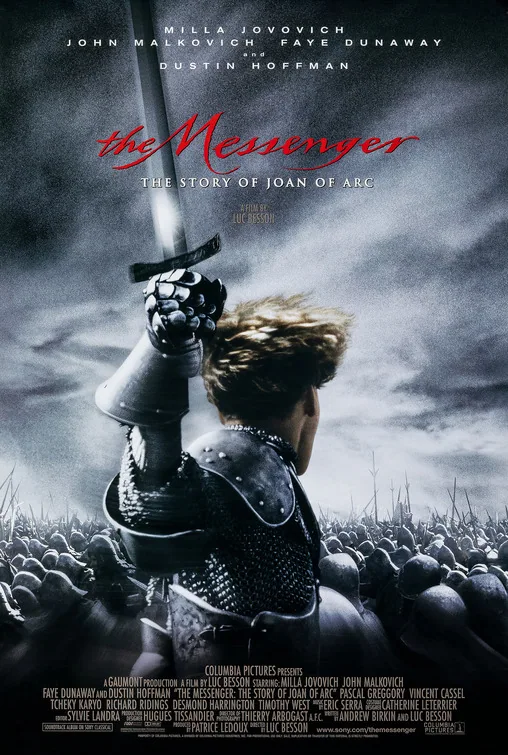
As a child in fifteenth-century France, Joan hears voices she understands as divine instruction. Years later, during the English occupation, she convinces the dauphin’s court to let her lead troops toward Orléans and help secure his coronation. Her military success makes her a symbol and a political concern, while battlefield violence and court rivalries test her certainty. Captured by Burgundian forces and handed to the English, Joan faces a trial that challenges both her visions and the motives of those who once supported her. Luc Besson’s film dramatizes her life and leaves the meaning of the voices open to debate.
Based on recorded story, mood and style. Your preferences can change the order.
What changes The Passion of Joan of Arc is tagged agonized and austere; The Passion of the Christ is tagged graphic and harrowing.
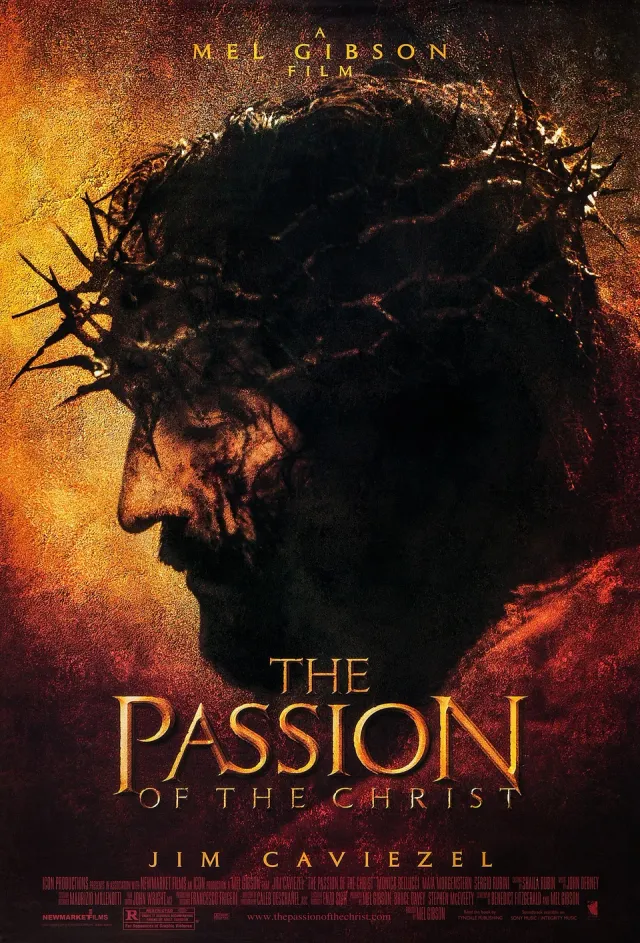
Set during Passover, the film follows Jesus from prayer in Gethsemane through Judas’s betrayal, arrest, interrogation and condemnation by Roman authorities, ending with his crucifixion and a brief resurrection image. Mary, Mary Magdalene and the disciples witness the escalating punishment, while flashbacks to Jesus’s teaching and earlier life interrupt the ordeal. Mel Gibson draws on the canonical Gospels and devotional visions associated with Anne Catherine Emmerich, blending sources into a highly graphic theological interpretation. The film gives sustained attention to physical suffering rather than a broad account of Jesus’s ministry, and its allocation of blame between Roman authorities and Jewish leaders has prompted longstanding debate about anti-Jewish framing.
Both centre on institutional persecution and principled refusal.
Why this matches +
Genres: Drama / History
Shared film traits
Based on recorded story, mood and style. Your preferences can change the order.
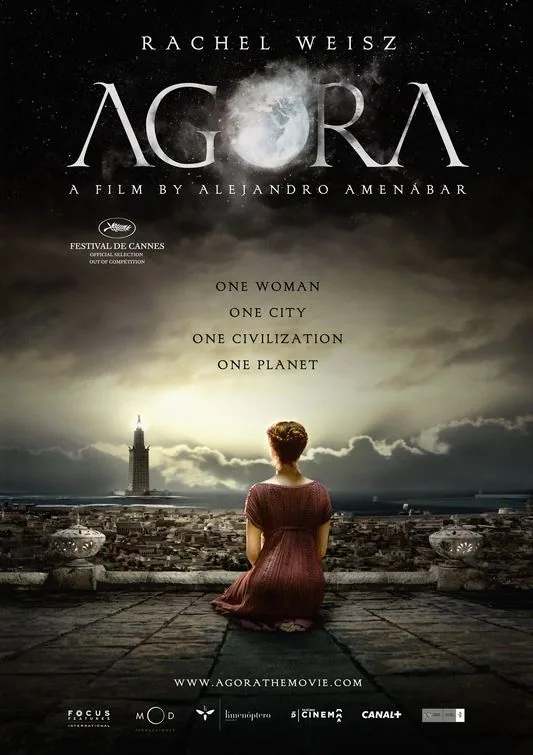
What changes The Passion of Joan of Arc: compressed and relentless. Agora: measured and epic.
In late-fourth-century Alexandria, the philosopher and astronomer Hypatia teaches while the city's competing religious and political groups struggle for authority. Her students, including the enslaved Davus, are drawn into shifting loyalties as public violence changes who can speak, worship or govern. Hypatia's astronomical inquiry supplies a parallel search for order, but the film does not present its version of her discoveries or relationships as settled history. Its spectacle links the danger of independent thought to a city where communal power is being remade by force.
Both share themes of faith, plus an austere atmosphere.
Why this matches +
Genres: Drama
Shared film traits
Based on recorded story, mood and style. Your preferences can change the order.
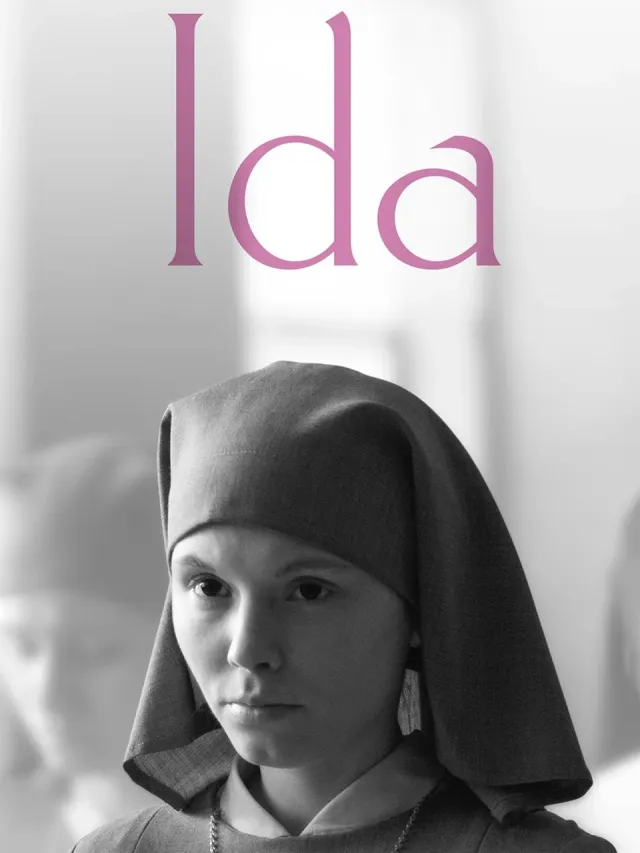
What changes The Passion of Joan of Arc: compressed and relentless. Ida: measured.
Before taking religious vows, novice Anna visits her only surviving relative, Wanda, and learns that she was born Jewish and given a different name. Their journey to locate the remains of family members killed during the occupation leads to difficult questions about local violence, survival and what can be recovered from silence. Wanda’s political past and grief shape one response; Ida’s quiet discipline and uncertainty shape another. Their discoveries do not produce a simple replacement identity or a single verdict on Poland. The film’s black-and-white, nearly square compositions make its sparse spaces and withheld information part of the historical tension, not merely an elegant style.
Both centre on institutional persecution and principled refusal.
Why this matches +
Genres: Drama / History
Shared film traits
Based on recorded story, mood and style. Your preferences can change the order.
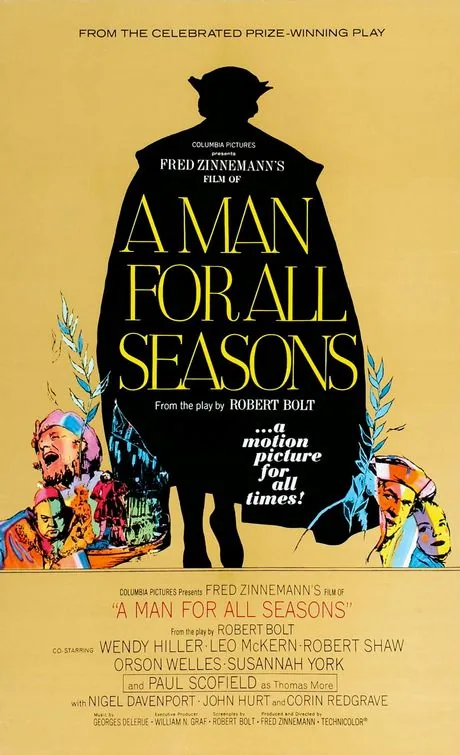
What changes The Passion of Joan of Arc: compressed and relentless. A Man for All Seasons: measured.
Thomas More tries to retain both his conscience and legal safety as Henry VIII demands support for a new marriage and royal supremacy over the Church. Resigning and refusing to explain himself seem to preserve a narrow space in which he need not openly defy the king. As allies seek compromise and ambitious officials manufacture a case, silence becomes a test of whether law can protect private conviction when political authority requires a public declaration of loyalty.
Based on recorded story, mood and style. Your preferences can change the order.
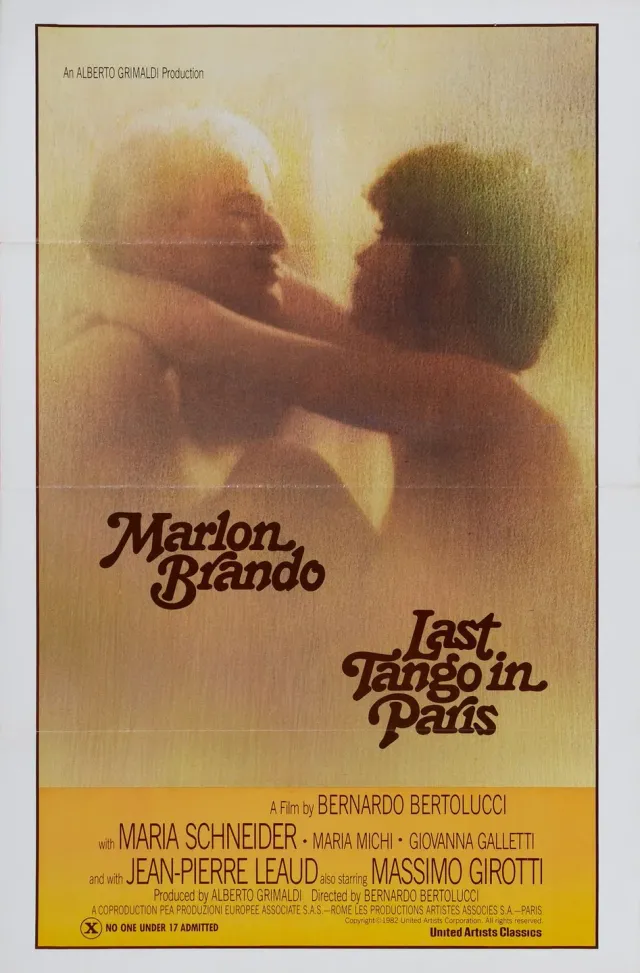
What changes The Passion of Joan of Arc: compressed and relentless. Last Tango in Paris: measured and escalating.
In 1970s Paris, Paul and Jeanne begin an anonymous sexual arrangement inside an apartment while each keeps a life outside it. Their pact promises intimacy without names or personal histories, but Paul’s grief and Jeanne’s engagement make its terms increasingly unequal. The film depicts rape and emotional coercion as part of their encounters; its transgressive style does not make those acts consensual. Production history adds a separate, carefully bounded issue: Bertolucci later said Schneider had not been told about the butter element before filming, while the scene’s simulated assault was scripted. The distinction between what occurs on screen and how the scene was made matters. Neither the film’s aesthetic reputation nor the director’s later account should romanticize the violence or overstate the production facts.
Based on recorded story, mood and style. Your preferences can change the order.
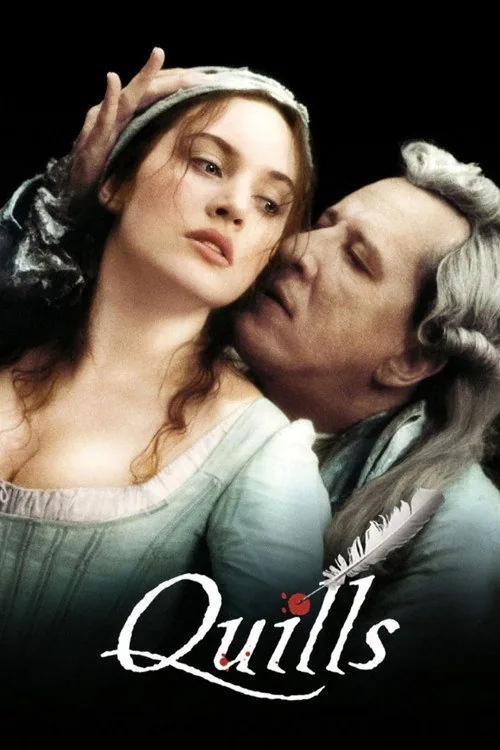
What changes The Passion of Joan of Arc: compressed and relentless. Quills: contained institutional drama, escalating conflict and theatrical confrontations.
At the Charenton asylum, the Marquis de Sade continues to publish provocative writing through the help of laundress Madeleine and a sympathetic abbé. When Napoleon sends Dr. Royer-Collard to suppress him, the doctor's methods become as cruel and theatrical as the Marquis's stories. Madeleine's literacy and the asylum's residents complicate the effort to silence one writer, raising questions about censorship, desire, madness, and who has the authority to define obscenity. The historical drama uses stylized scenes rather than a strict biography.
Based on recorded story, mood and style. Your preferences can change the order.
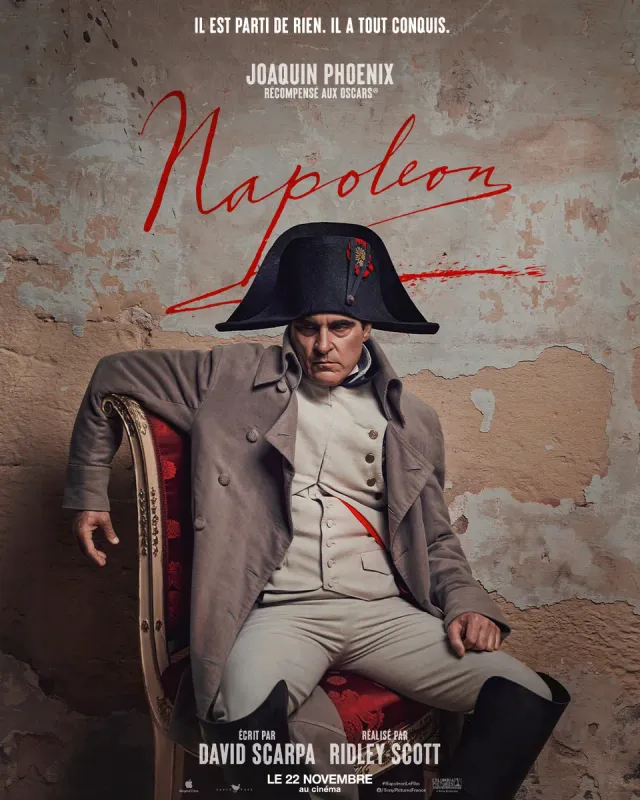
What changes The Passion of Joan of Arc: compressed and relentless. Napoleon: epic and episodic.
The film follows Napoleon Bonaparte from the French Revolution through his rise as emperor, military victories, marriage to Joséphine and eventual exile. His relationship with Joséphine shapes the private strand, including their lack of a shared heir and his politically motivated remarriage. The campaign sequence moves from Toulon and Austerlitz to the disastrous invasion of Russia, Waterloo and defeat. The story treats statecraft and battle through Napoleon's personal ambition and volatility, compressing a long political and military history into selected episodes rather than a full chronology.
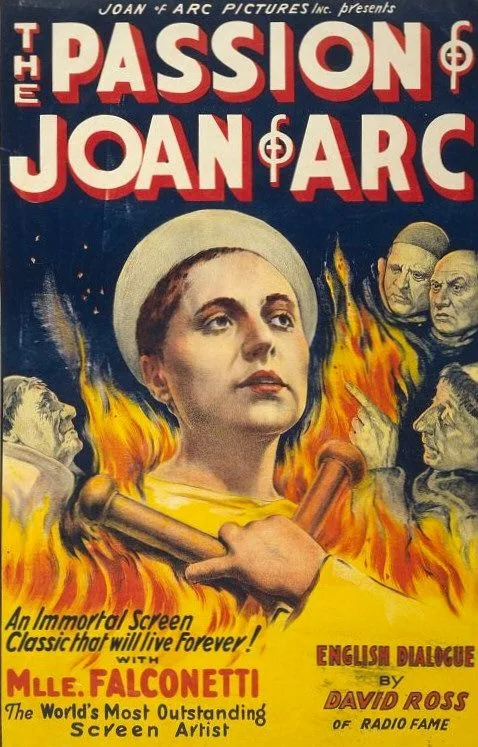
Captured near Compiègne, Joan of Arc is brought before a clerical court in Rouen, where judges loyal to the English seek to discredit her claim that God called her to drive the occupiers from France. Their questions move from doctrine to her visions, clothing and authority, turning the trial into a battle over who has the right to define her. Deception and threats of torture pressure Joan to sign a confession, but she later withdraws it and faces execution. Carl Theodor Dreyer compresses the historical proceedings into an intensely immediate ordeal, focusing on Joan's face and the reactions of the men judging her rather than recreating her military campaign. The film's emotional force comes from the conflict between institutional power and private conviction.
What drives the story
The court uses questioning, deception and threat to make Joan renounce her mission; her recantation and withdrawal shape the movement toward execution.
The people at its centre
Joan's composure is not unshaken heroism: fear and faith coexist. The judges divide between political pressure, procedural cruelty and occasional sympathy.
What it feels like
Extreme close-ups, sparse space and silent intertitles make faces and pauses carry the argument, giving the trial a nearly claustrophobic intensity.
Worth knowing
For viewers interested in silent cinema and historical courtroom drama. It compresses recorded proceedings and is not a broad biography of Joan's life or military campaigns.
FaithPersecutionMoral courage
Mood
Agonized · Austere · Intense
Pacing
Compressed · Relentless
Visual style
Close-up · Expressionist
Storytelling
Institutional persecution · Witnessing under siege