Explore films connected to Quills through censorship and expression, institutional authority, desire and repression. Choose the qualities you want to carry into your next watch.
What should feel similar?
Find your next favourite
9 films · Closest overall matches
Hide films you’ve seen or don’t want. Saved on this device.
No matches for this combination yet.
Try another option or reset your choices to see more films.
Based on recorded story, mood and style. Your preferences can change the order.
Political resistance
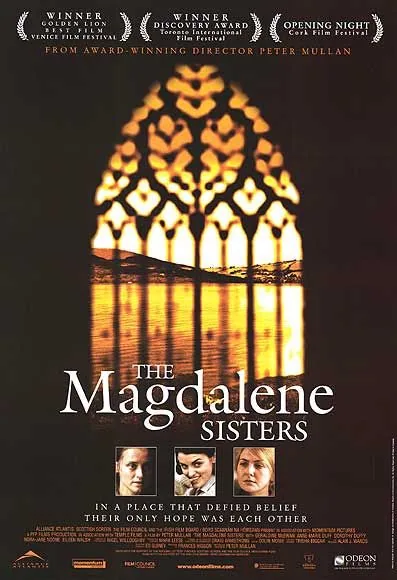
What changes Quills: contained institutional drama, escalating conflict and theatrical confrontations. The Magdalene Sisters: daily routines and punishments and escape attempts reveal how the institution maintains control over its inmates.
In 1960s Ireland, Margaret, Bernadette, Rose and Crispina are sent by family or caretakers to a Magdalene laundry, where religious authorities claim to reform women considered sinful. Their work is exhausting, their freedom is restricted and the women face humiliation and abuse from the institution’s leadership. The film follows their attempts to endure the daily regime and preserve relationships with one another, while the asylum’s religious language masks a system that benefits from their labor and keeps them isolated from the outside world.
Based on recorded story, mood and style. Your preferences can change the order.
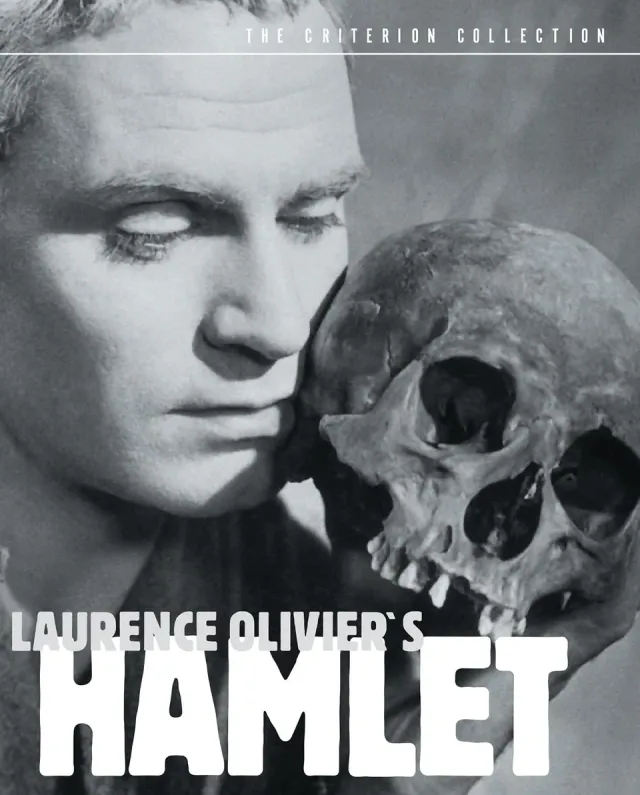
What changes Quills: contained institutional drama, escalating conflict and theatrical confrontations. Hamlet: measured and escalating.
Olivier’s black-and-white Hamlet centers the prince’s uncertainty after his father’s death and the ghost’s accusation destabilizes the Danish court. The adaptation makes inner hesitation and family betrayal its organizing concerns, trimming Shakespeare’s play and emphasizing shadowed spaces within Elsinore. That choice turns the castle into a psychological maze, but it also reduces some of the political and social machinery surrounding the succession. Ophelia, Gertrude and the court remain part of the tragedy’s consequences, even as the camera stays close to Hamlet’s perspective. This is Olivier’s particular screen reading, not a neutral substitute for the full play or other film versions.
Based on recorded story, mood and style. Your preferences can change the order.
Music and performance
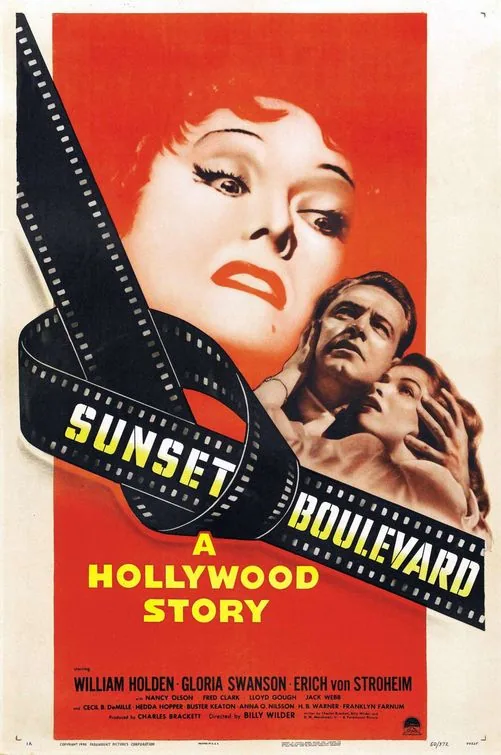
What changes Quills: contained institutional drama, escalating conflict and theatrical confrontations. Sunset Boulevard: measured.
A struggling Hollywood screenwriter takes refuge in the mansion of a former silent-film star who believes her return to prominence is imminent. Agreeing to revise her screenplay gives him financial security at the cost of increasing dependence on her emotional demands and carefully maintained illusions. As another professional relationship offers creative and romantic possibility, the arrangement turns into a contest over control, humiliation and the refusal to accept time's passage.
Based on recorded story, mood and style. Your preferences can change the order.
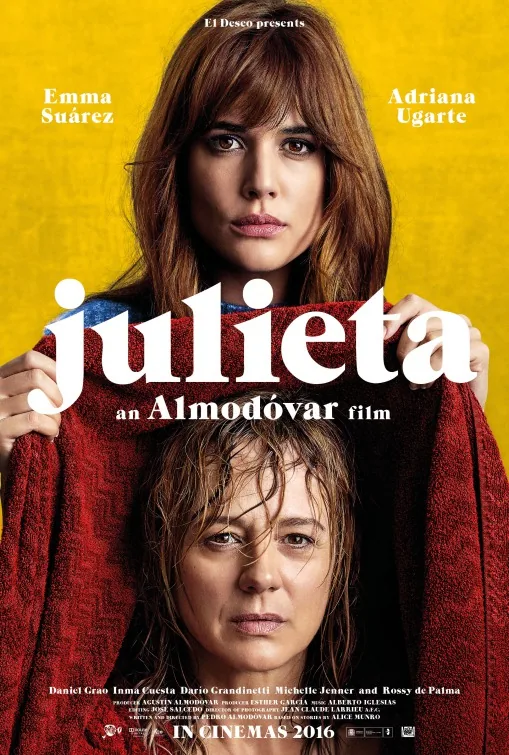
What changes Quills: contained institutional drama, escalating conflict and theatrical confrontations. Julieta: a written recollection moves between decades of a mother’s life.
Julieta’s plans to leave Madrid change when she encounters a friend of her estranged daughter Antía. She returns to the apartment she once shared with Antía and begins writing a letter that recalls their relationship from childhood onward. The drama unfolds as a mother’s account of grief, guilt, and the limits of explanation, tracing how one family’s silences can persist long after a person has disappeared from daily life.
Based on recorded story, mood and style. Your preferences can change the order.
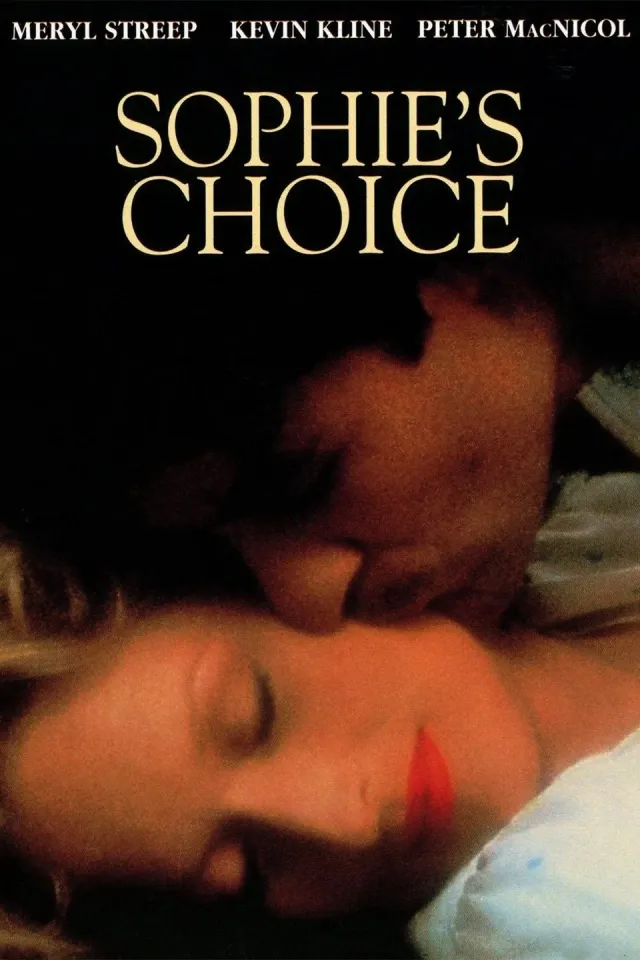
What changes Quills: contained institutional drama, escalating conflict and theatrical confrontations. Sophie's Choice: gradual revelation and flashback.
In postwar Brooklyn, aspiring writer Stingo befriends Sophie, a Polish survivor of Auschwitz, and her volatile partner Nathan. Sophie gradually recounts how war, imprisonment and the people she lost shaped her life, while Nathan’s jealousy and instability make their present home unsafe. In a memory she has struggled to disclose, Sophie describes being forced by a Nazi officer to choose which of her two children would live; the coercion belongs to the persecution inflicted on her, not to any moral failing of her own. Stingo’s growing affection cannot repair the history that shapes their present.
Based on recorded story, mood and style. Your preferences can change the order.
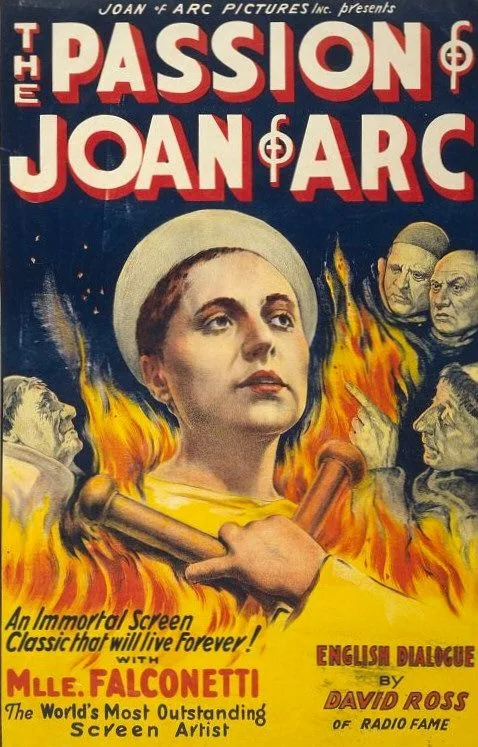
What changes Quills: contained institutional drama, escalating conflict and theatrical confrontations. The Passion of Joan of Arc: compressed and relentless.
Captured near Compiègne, Joan of Arc is brought before a clerical court in Rouen, where judges loyal to the English seek to discredit her claim that God called her to drive the occupiers from France. Their questions move from doctrine to her visions, clothing and authority, turning the trial into a battle over who has the right to define her. Deception and threats of torture pressure Joan to sign a confession, but she later withdraws it and faces execution. Carl Theodor Dreyer compresses the historical proceedings into an intensely immediate ordeal, focusing on Joan's face and the reactions of the men judging her rather than recreating her military campaign. The film's emotional force comes from the conflict between institutional power and private conviction.
Based on recorded story, mood and style. Your preferences can change the order.
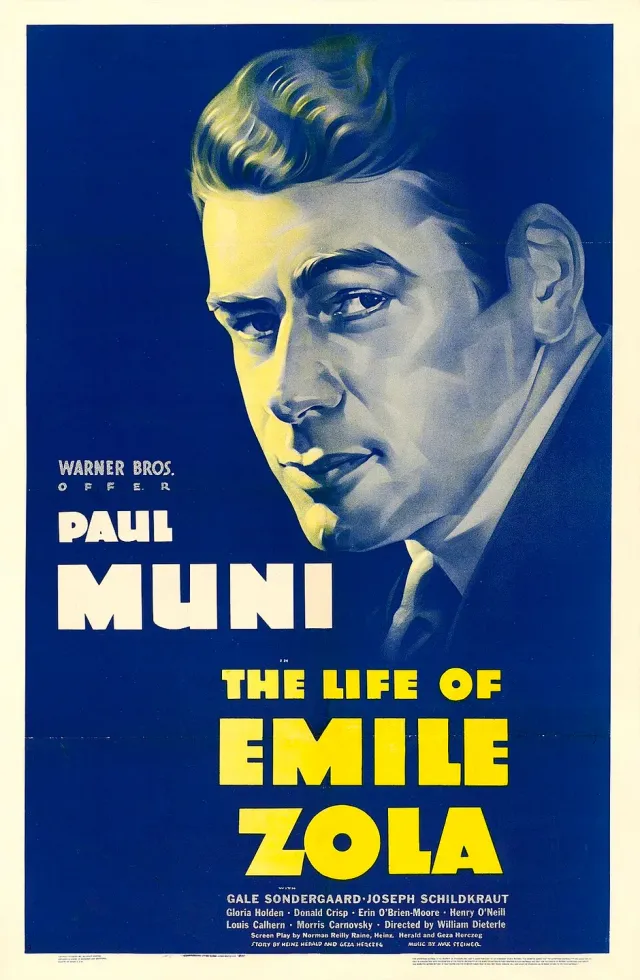
What changes Quills: contained institutional drama, escalating conflict and theatrical confrontations. The Life of Emile Zola: career-to-courtroom structure and legal climax.
The film follows Émile Zola from financial hardship and bohemian writing circles to literary fame, then to his intervention in the wrongful conviction of Captain Alfred Dreyfus. Zola initially builds his career alongside painter Paul Cézanne, but success brings different paths; when evidence points to antisemitic injustice in the French military, the writer risks prosecution by publishing an open letter defending Dreyfus. The court case turns a literary biography into a courtroom and conscience drama, asking what a public figure owes to truth once comfortable success is at stake. Its studio-era account celebrates Zola’s courage but substantially simplifies the antisemitism at the heart of the Dreyfus Affair.
Based on recorded story, mood and style. Your preferences can change the order.
What changes Quills: contained institutional drama, escalating conflict and theatrical confrontations. Belle de Jour: measured.
Séverine, married to the attentive but emotionally distant Pierre, begins working afternoons at a discreet Paris brothel under the name Belle de Jour. The arrangement gives her a private space for sexual fantasy and choice, but the boundaries between work, marriage, humiliation and danger do not stay neatly divided. Clients and coworkers bring unequal power into a life Séverine initially treats as compartmentalized. Buñuel's controlled images and sudden dream episodes leave the status of some events uncertain, resisting both a simple moral punishment and a single clinical explanation of her desire.
Based on recorded story, mood and style. Your preferences can change the order.
What changes Quills: contained institutional drama, escalating conflict and theatrical confrontations. The 400 Blows: observational episodes and open-ended finish.
Antoine Doinel grows up in Paris feeling unwanted at home and misunderstood at school. Small acts of defiance, including truancy and a failed attempt to sell a stolen typewriter, draw him deeper into conflict with the adults who supervise him. His parents send him to a youth observation center, where a rare interview lets him speak about his life without interruption. Antoine escapes and runs toward the sea he has never seen, ending the film alone at the shoreline. The story follows a child's search for space and recognition rather than a neat reform narrative.
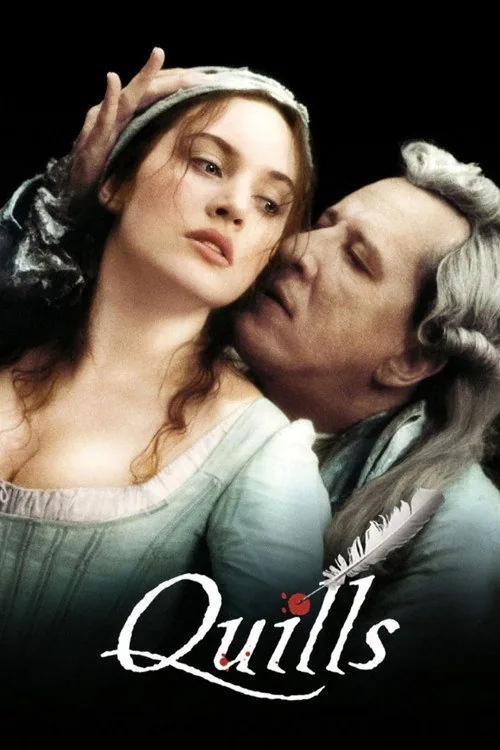
At the Charenton asylum, the Marquis de Sade continues to publish provocative writing through the help of laundress Madeleine and a sympathetic abbé. When Napoleon sends Dr. Royer-Collard to suppress him, the doctor's methods become as cruel and theatrical as the Marquis's stories. Madeleine's literacy and the asylum's residents complicate the effort to silence one writer, raising questions about censorship, desire, madness, and who has the authority to define obscenity. The historical drama uses stylized scenes rather than a strict biography.
What drives the story
The Marquis keeps finding ways to publish his work from Charenton as a new doctor is tasked with silencing him.
The people at its centre
Madeleine, the abbé, and Royer-Collard each complicate the boundary between care, control, and complicity.
What it feels like
A theatrical period drama uses provocative imagery and institutional satire to debate expression and repression.
Worth knowing
It is a deliberately fictionalized exploration of censorship and art, rather than a historically exact biography of de Sade.
censorship and expressioninstitutional authoritydesire and repression
Mood
provocative · darkly comic · baroque
Pacing
contained institutional drama · escalating conflict · theatrical confrontations
Visual style
period costumes · gothic asylum interiors · stylized sensual imagery
Storytelling
writer smuggles manuscripts from asylum · doctor is sent to silence him · writing spreads through a closed institution