Prophecy and the pursuit of kingship transform Macbeth’s choices into a tragedy about ambition and the cost of political power.
Why this matches +
These offer a related experience with a meaningful difference in story, tone, or presentation.
An adjacent discovery: a related idea with a different viewing experience.
Genres: Drama / History
Shared film traits
Based on recorded story, mood and style. Your preferences can change the order.
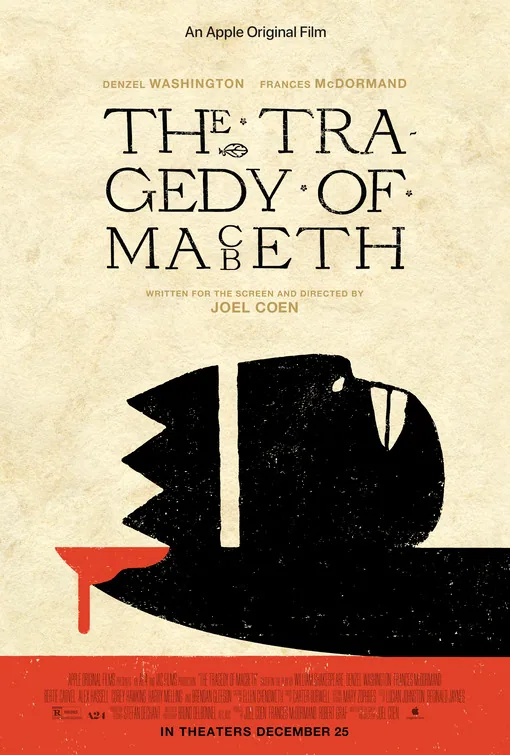
What changes The Tragedy of Macbeth adapts Shakespeare in stark monochrome and connects murder with a damaged court, but centers an ambitious usurper rather than a son seeking revenge.
After three witches tell Macbeth that he will become king, the Scottish commander and his wife consider how prophecy might be turned into power. Their decisions set off a cycle of suspicion, violence and political resistance. Joel Coen’s adaptation focuses on the play’s verbal force and on how ambition changes the couple’s judgment as the kingdom shifts around them.
Hedda maneuvers the people around her as Løvborg's literary return threatens her marriage's status quo and the future she feels trapped in.
Why this matches +
These offer a related experience with a meaningful difference in story, tone, or presentation.
An adjacent discovery: a related idea with a different viewing experience.
Genres: Drama / Psychological
Shared film traits
Based on recorded story, mood and style. Your preferences can change the order.
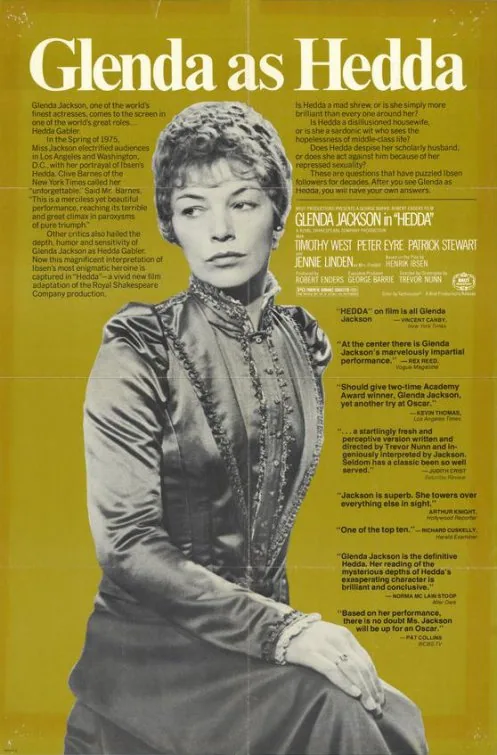
What changes Hedda adapts a stage tragedy centered on destructive choices and psychological confinement, with social marriage replacing the Danish court's revenge plot.
Newly married Hedda Tesman returns from her honeymoon already bored by the respectable home and financial dependence her marriage has secured. The arrival of former lover Ejlert Løvborg, now a rival to her husband George for a university position, unsettles the household. Hedda manipulates Løvborg and his collaborator Thea, destroys the manuscript that could change their futures, and tries to shape the manner of his death. Judge Brack turns her private power games into a trap.
The production process makes rehearsing another person’s words a form of emotional inquiry.
Why this matches +
These offer a related experience with a meaningful difference in story, tone, or presentation.
An adjacent discovery: a related idea with a different viewing experience.
Genres: Drama
Shared film traits
Based on recorded story, mood and style. Your preferences can change the order.
What changes Drive My Car uses a theatrical production to explore grief and difficult truths within relationships; its contemporary setting and rehearsal structure differ from Olivier's direct Shakespeare adaptation.
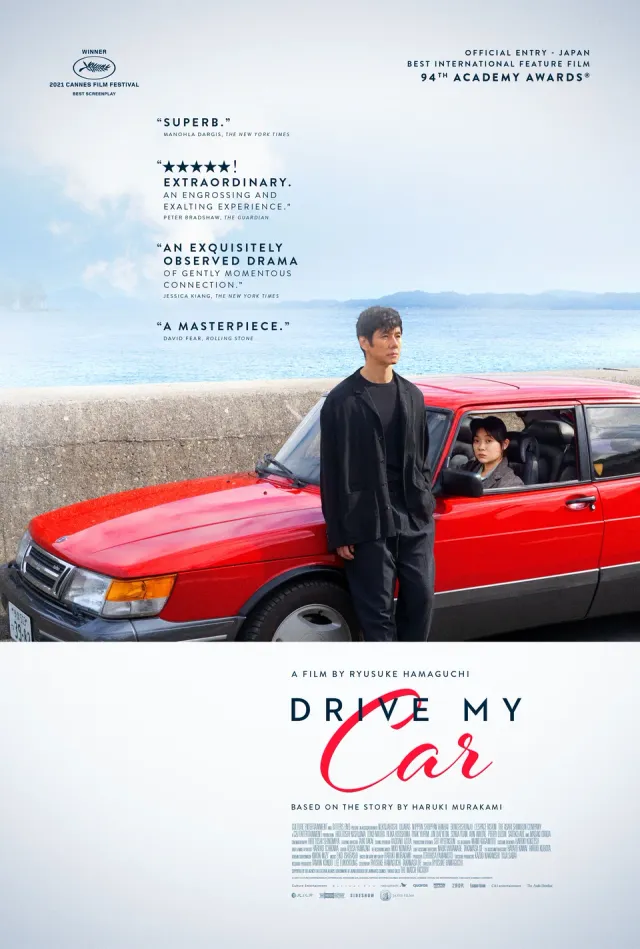
Theater director Yūsuke Kafuku travels to Hiroshima to stage Uncle Vanya and is assigned a quiet driver, Misaki. Rehearsals, long drives and the use of recorded lines gradually create room for both to confront grief and difficult memories. Ryusuke Hamaguchi gives the adaptation a patient, conversational structure, using Chekhov’s play and the red Saab as recurring spaces where private pain can be approached indirectly.
Bereavement transfers the children into an authoritarian household, where legal and familial vulnerability makes rescue a collective act rather than a simple triumph of imagination. The father’s death changes household authority, making legal dependency part of the children’s danger.
Why this matches +
These offer a related experience with a meaningful difference in story, tone, or presentation.
An adjacent discovery: a related idea with a different viewing experience.
Genres: Drama
Shared film traits
Based on recorded story, mood and style. Your preferences can change the order.
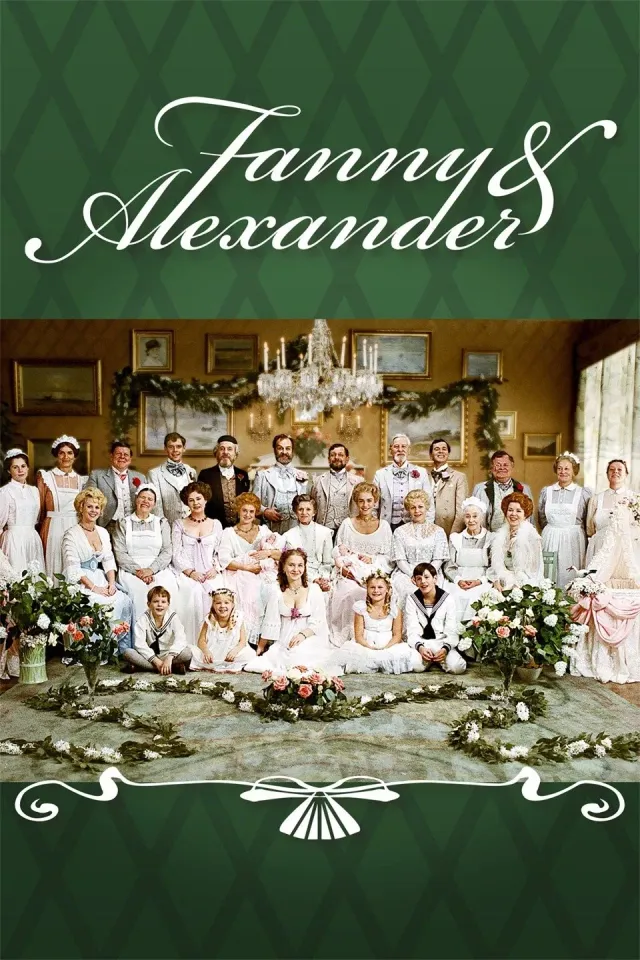
What changes Fanny and Alexander follows children through family loss, a ghostly presence and a controlling household, shifting the tragedy from royal succession to family life.
After their father dies, Fanny and Alexander move from the Ekdahl family’s theatrical, affectionate and imperfect home into the bishop’s rigid household. Alexander’s vivid imagination contests an authority that treats obedience as proof of virtue, while their mother’s marriage and the children’s vulnerability limit the protection she can provide. Their escape depends on an extended family whose earlier warmth should not be mistaken for innocence. Because Bergman released both a shorter theatrical version and a much longer television version, the balance between family life, punishment and uncanny perception changes with the cut being watched.
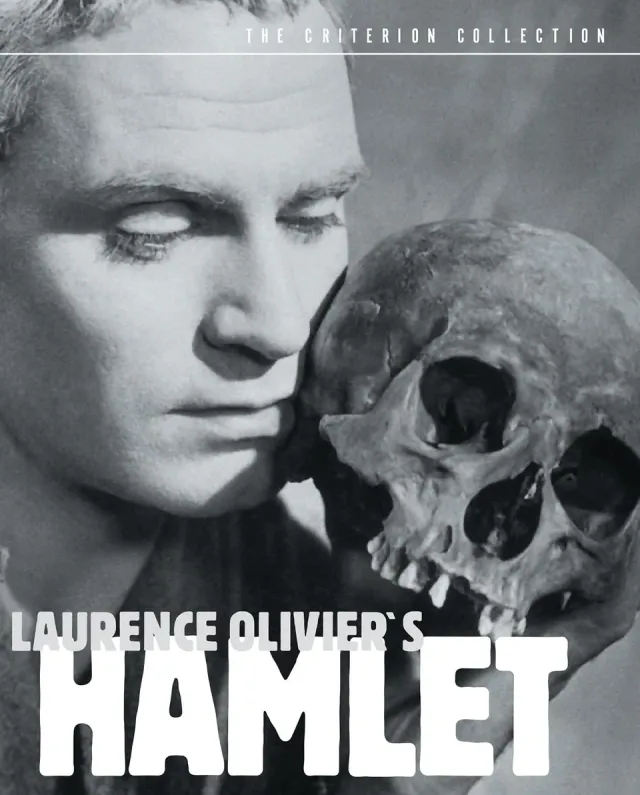
Olivier’s black-and-white Hamlet centers the prince’s uncertainty after his father’s death and the ghost’s accusation destabilizes the Danish court. The adaptation makes inner hesitation and family betrayal its organizing concerns, trimming Shakespeare’s play and emphasizing shadowed spaces within Elsinore. That choice turns the castle into a psychological maze, but it also reduces some of the political and social machinery surrounding the succession. Ophelia, Gertrude and the court remain part of the tragedy’s consequences, even as the camera stays close to Hamlet’s perspective. This is Olivier’s particular screen reading, not a neutral substitute for the full play or other film versions.
What drives the story
The ghost’s charge forces Hamlet to test whether revenge is justified, while his delay destabilizes the court and intensifies danger for those near him. Hamlet’s delay becomes dangerous to Ophelia and the court, not only evidence of his inner conflict.
The people at its centre
Hamlet’s suspicion reaches Gertrude, Ophelia and the court unevenly; his introspection shapes other people’s exposure to a conflict he cannot resolve. The film’s shortened text gives less room to political action around the succession.
What it feels like
Deep-focus shadows, stark black and white and a labyrinthine studio castle emphasize psychological uncertainty in a deliberately shortened adaptation. Shadowed corridors and close interior spaces turn Elsinore into an image of divided thought.
Worth knowing
Compare with Shakespeare adaptations emphasizing interiority and atmosphere, while identifying Olivier’s 1948 cut and not importing political scenes or character motives omitted from it. Compare the film’s choices with the full play only after naming what Olivier omitted.
RevengeGriefUncertainty
Mood
Tragic · Claustrophobic · Reflective
Pacing
Measured · Escalating
Visual style
Black-and-white deep spaces · Interiorized speech
Storytelling
Ghostly accusation · Feigned madness · Staged guilt test