Both share literary adaptation, plus themes of agency and desire.
Why this matches +
Genres: Drama / Erotic drama
Shared film traits
Based on recorded story, mood and style. Your preferences can change the order.
Romance and intimacy · Social hierarchy
Expect provocative and restrained, with ritualized and measured pacing.
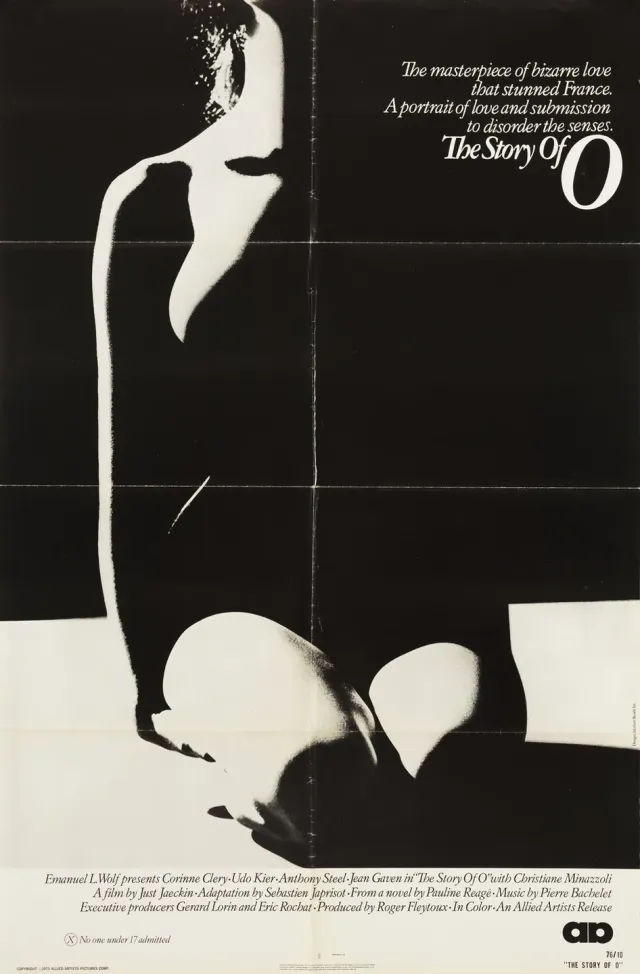
Fashion photographer O is taken by her lover René to Château Roissy, where an organized circle subjects her to rituals of sexual control. As René's older half-brother Sir Stephen assumes authority, O is pushed to distinguish obedience from affection while trying to retain a sense of self. Her encounters with Jacqueline and the women at Anne-Marie's country house broaden the film's closed study of desire, hierarchy and agency.
Both share a character study, plus a claustrophobic atmosphere.
Why this matches +
Genres: Drama / Experimental
Shared film traits
Based on recorded story, mood and style. Your preferences can change the order.
Social hierarchy
What changes Hedda: dialogue-driven, measured and escalating. Jeanne Dielman, 23 quai du Commerce, 1080 Bruxelles: slow, repetitive and deliberate.
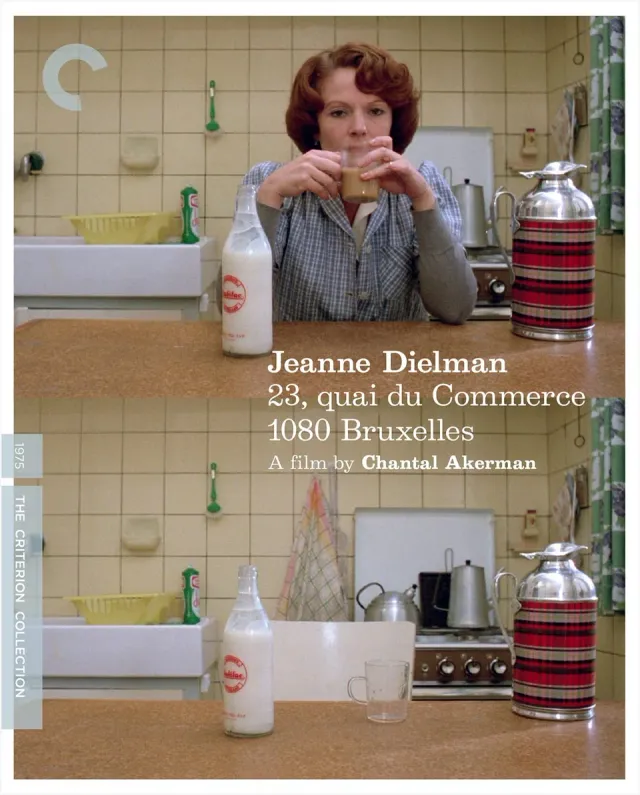
For several days in Brussels, widowed Jeanne Dielman moves through a carefully repeated schedule of cooking, cleaning, shopping and caring for her teenage son. She also receives a client at home each afternoon, fitting that work into the same disciplined routine. Small disruptions accumulate—a meal overcooks, an errand goes wrong, a task slips—until the rituals that structure her life no longer hold. The drama stays close to ordinary time and domestic labor.
Based on recorded story, mood and style. Your preferences can change the order.
Romance and intimacy · Social hierarchy
What changes Hedda is tagged tense and claustrophobic; The Marriage of Maria Braun is tagged coolly observant and melancholy.
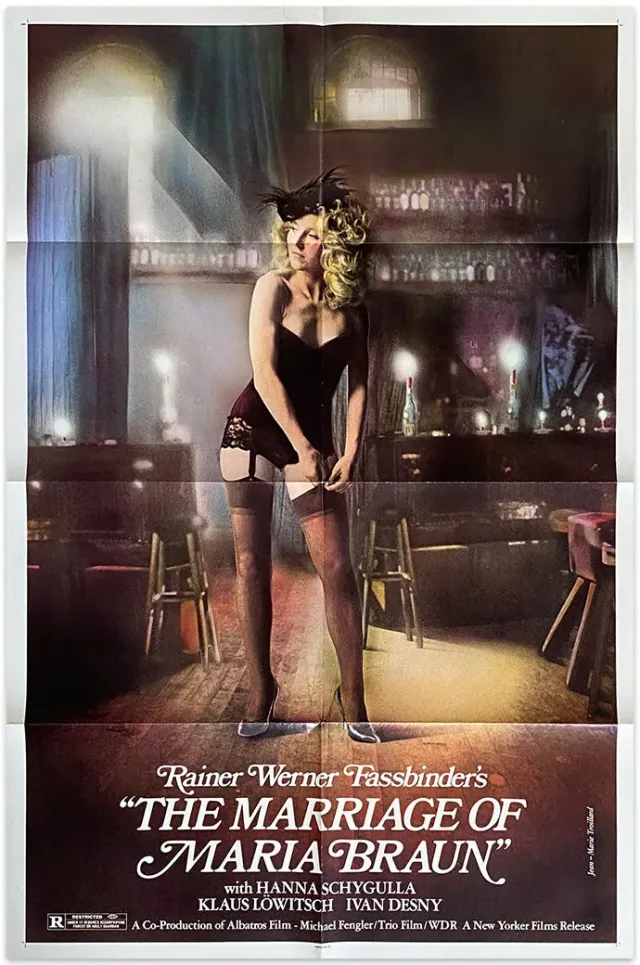
Maria Berger marries Hermann Braun during a wartime air raid, then loses him to the front and the uncertainty of Germany’s defeat. Believing him dead, she finds work in the unstable postwar economy and uses her intelligence and charm to secure a future for herself and her family. A relationship with American soldier Bill brings affection as well as practical support, while Maria continues to hold onto the idea of Hermann. As she rises from precarious survival into financial success, the film links her private compromises to a country rebuilding itself and postponing its reckoning with the past.
Based on recorded story, mood and style. Your preferences can change the order.
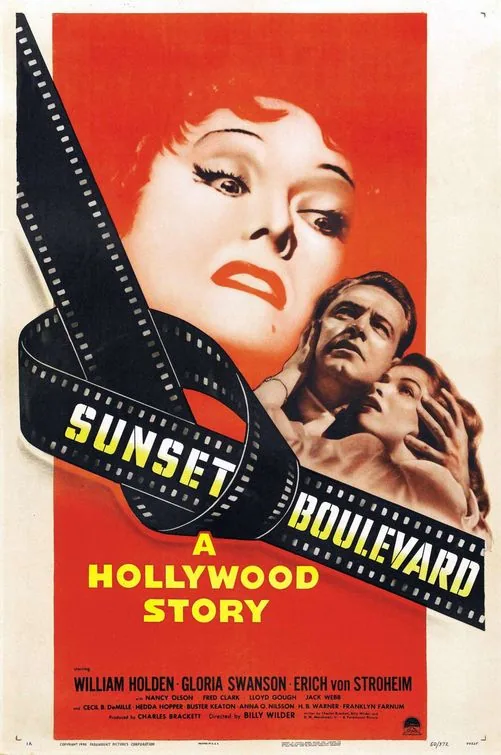
What changes Hedda is tagged tense and claustrophobic; Sunset Boulevard is tagged bleak and mysterious.
A struggling Hollywood screenwriter takes refuge in the mansion of a former silent-film star who believes her return to prominence is imminent. Agreeing to revise her screenplay gives him financial security at the cost of increasing dependence on her emotional demands and carefully maintained illusions. As another professional relationship offers creative and romantic possibility, the arrangement turns into a contest over control, humiliation and the refusal to accept time's passage.
Based on recorded story, mood and style. Your preferences can change the order.
Romance and intimacy · Social hierarchy
What changes Hedda: dialogue-driven, measured and escalating. The Wife: character-led, past and present interwoven and emotional revelation.
Joan Castleman accompanies her husband, celebrated novelist Joe, to Stockholm after he receives the Nobel Prize in Literature. The ceremonies bring their adult son and an intrusive biographer into the couple’s orbit, while Joan’s frustration with the public story of Joe’s success grows. Flashbacks to their early relationship as student and professor reveal the compromises that shaped their marriage and creative partnership, raising questions about recognition, authorship, and a life spent in another person’s shadow.
Based on recorded story, mood and style. Your preferences can change the order.
What changes Hedda is tagged tense and claustrophobic; Belle de Jour is tagged erotic and ambiguous.
Séverine, married to the attentive but emotionally distant Pierre, begins working afternoons at a discreet Paris brothel under the name Belle de Jour. The arrangement gives her a private space for sexual fantasy and choice, but the boundaries between work, marriage, humiliation and danger do not stay neatly divided. Clients and coworkers bring unequal power into a life Séverine initially treats as compartmentalized. Buñuel's controlled images and sudden dream episodes leave the status of some events uncertain, resisting both a simple moral punishment and a single clinical explanation of her desire.
Both share themes of class and desire, plus a tense atmosphere.
Why this matches +
Genres: Drama / Thriller
Shared film traits
Based on recorded story, mood and style. Your preferences can change the order.
Expect tense and bleak, with measured pacing.
Recently retired tennis professional Chris Wilton takes a job at an elite London club and enters the wealthy Hewett family through his relationship with Chloe. He is also drawn to her brother Tom's fiancée, aspiring actor Nola Rice, and begins an affair that continues after Chris marries Chloe and gains a place in her family's business. When Nola becomes pregnant and threatens the comfortable life he has chosen, Chris commits murder and tries to disguise the crime. A piece of evidence appears to implicate someone else, leaving chance rather than moral correction to decide his fate.
Based on recorded story, mood and style. Your preferences can change the order.
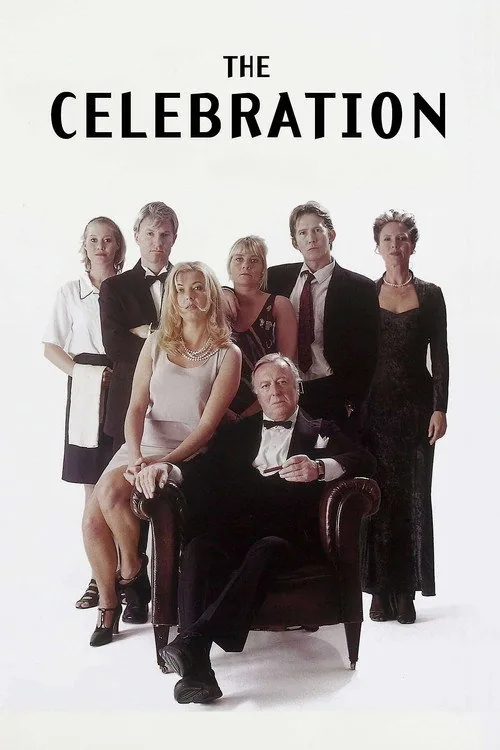
What changes Hedda: dialogue-driven, measured and escalating. The Celebration: a son publicly accuses his father of long-term abuse during a formal birthday dinner..
At a family-run Danish hotel, businessman Helge Klingenfeldt-Hansen gathers relatives and friends for his sixtieth birthday. During the formal dinner, his eldest son Christian uses a prepared toast to accuse Helge of sexually abusing him and his late twin sister, Linda. The guests’ attempts to resume the celebration and protect the family’s reputation turn the event into a public struggle over whose account will be believed. Thomas Vinterberg’s Dogme 95 drama uses a single gathering and handheld naturalism to examine abuse, complicity, and the pressure to maintain appearances.
Based on recorded story, mood and style. Your preferences can change the order.
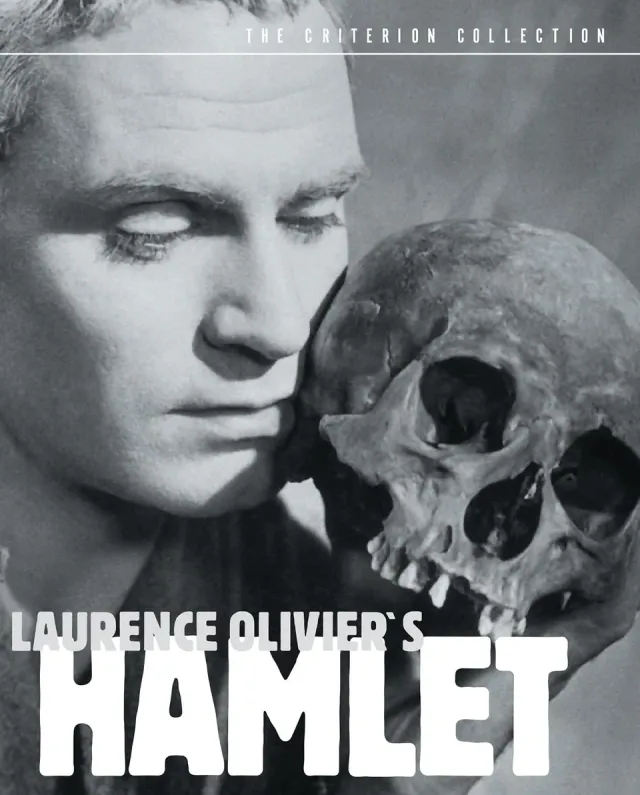
Expect tragic and claustrophobic, with measured and escalating pacing.
Olivier’s black-and-white Hamlet centers the prince’s uncertainty after his father’s death and the ghost’s accusation destabilizes the Danish court. The adaptation makes inner hesitation and family betrayal its organizing concerns, trimming Shakespeare’s play and emphasizing shadowed spaces within Elsinore. That choice turns the castle into a psychological maze, but it also reduces some of the political and social machinery surrounding the succession. Ophelia, Gertrude and the court remain part of the tragedy’s consequences, even as the camera stays close to Hamlet’s perspective. This is Olivier’s particular screen reading, not a neutral substitute for the full play or other film versions.
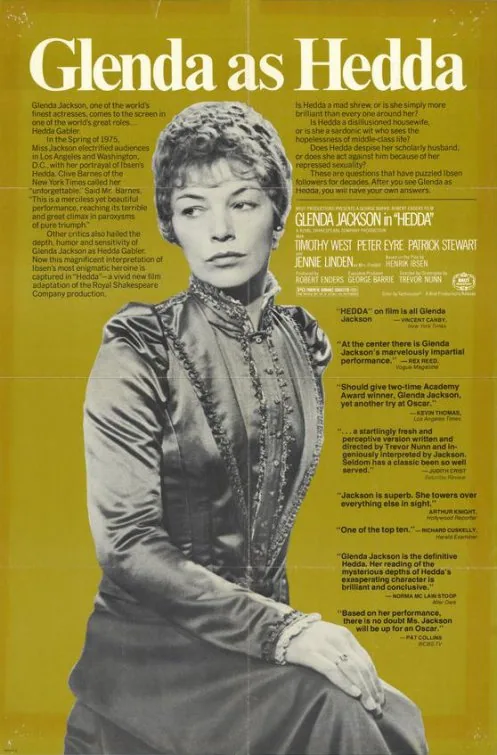
Newly married Hedda Tesman returns from her honeymoon already bored by the respectable home and financial dependence her marriage has secured. The arrival of former lover Ejlert Løvborg, now a rival to her husband George for a university position, unsettles the household. Hedda manipulates Løvborg and his collaborator Thea, destroys the manuscript that could change their futures, and tries to shape the manner of his death. Judge Brack turns her private power games into a trap.
What drives the story
Hedda maneuvers the people around her as Løvborg's literary return threatens her marriage's status quo and the future she feels trapped in.
The people at its centre
Hedda's games with George, Løvborg, Thea and Brack expose how each relationship offers leverage but little durable independence.
What it feels like
Glenda Jackson's tightly contained performance and the confined interiors make polite conversation feel like a contest over control and exposure.
Worth knowing
This is not a romance centered on choosing between suitors; it focuses on agency, class and the damage of control games.
AgencyClassDesire
Mood
Tense · Claustrophobic · Provocative
Pacing
Dialogue-driven · Measured · Escalating
Visual style
Stage-derived · Period interiors · Restrained · Performance-led
Storytelling
Character study · Literary adaptation · Domestic psychological drama