Both share themes of truth and family, plus a confrontational and claustrophobic atmosphere.
Why this matches +
Genres: Drama
Shared film traits
Based on recorded story, mood and style. Your preferences can change the order.
What changes The Celebration: a son publicly accuses his father of long-term abuse during a formal birthday dinner.. Cat on a Hot Tin Roof: measured.
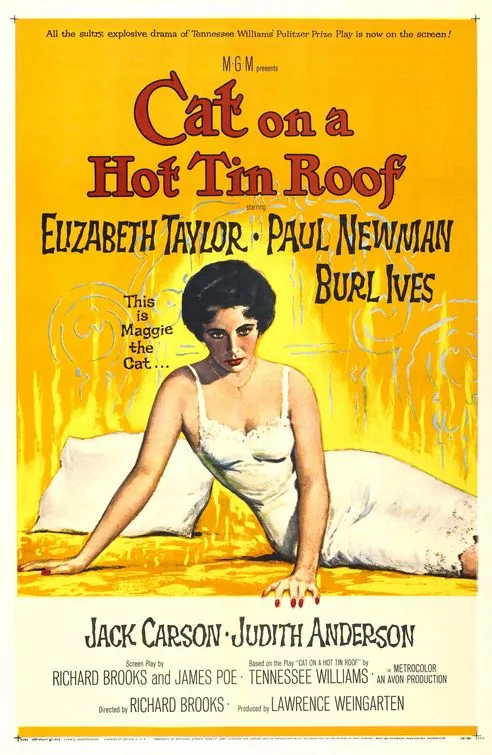
At Big Daddy's birthday gathering, Maggie presses her estranged husband Brick to face their marriage, the family inheritance and his grief over his friend Skipper. Brick's drinking and the family's evasions keep several explanations in play, while the film's Production Code-era adaptation softens aspects of Tennessee Williams's play, particularly its account of Brick and Skipper. The result is emotionally charged but not a transparent version of the stage work: viewers should distinguish what the film states, implies and leaves unsaid.
Based on recorded story, mood and style. Your preferences can change the order.
What changes The Celebration: a son publicly accuses his father of long-term abuse during a formal birthday dinner.. Hedda: dialogue-driven, measured and escalating.
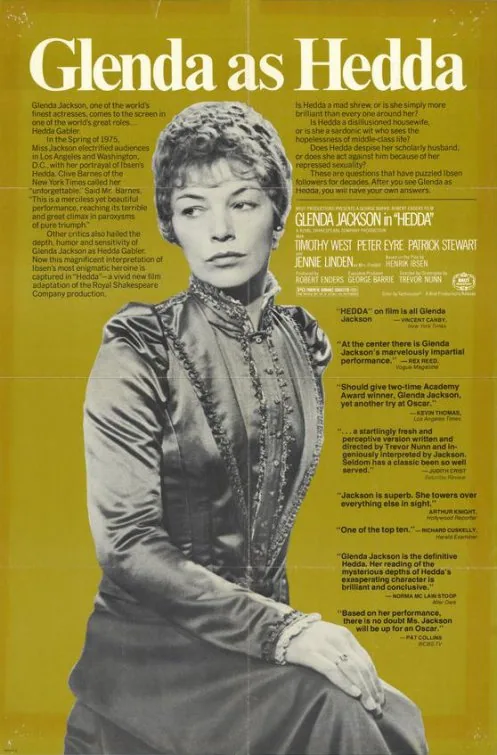
Newly married Hedda Tesman returns from her honeymoon already bored by the respectable home and financial dependence her marriage has secured. The arrival of former lover Ejlert Løvborg, now a rival to her husband George for a university position, unsettles the household. Hedda manipulates Løvborg and his collaborator Thea, destroys the manuscript that could change their futures, and tries to shape the manner of his death. Judge Brack turns her private power games into a trap.
Based on recorded story, mood and style. Your preferences can change the order.
What changes The Celebration: a son publicly accuses his father of long-term abuse during a formal birthday dinner.. Jeanne Dielman, 23 quai du Commerce, 1080 Bruxelles: slow, repetitive and deliberate.
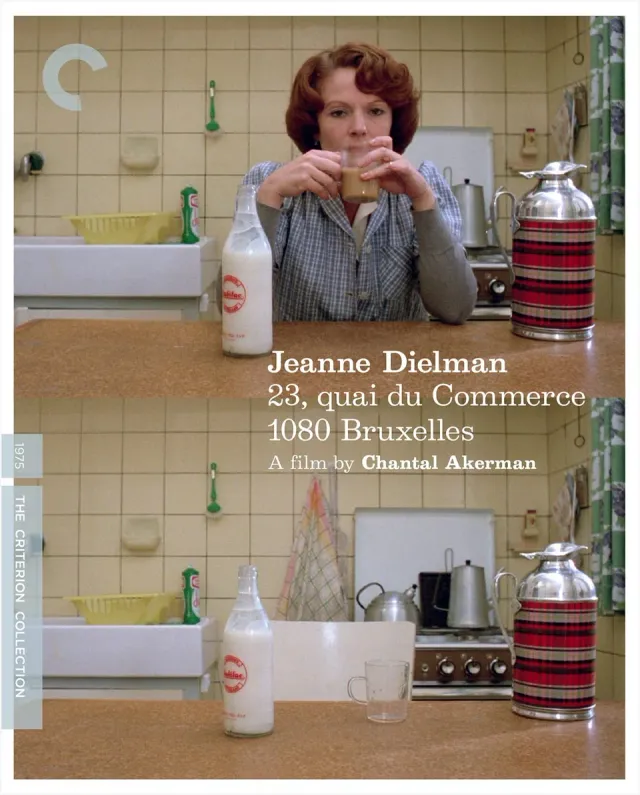
For several days in Brussels, widowed Jeanne Dielman moves through a carefully repeated schedule of cooking, cleaning, shopping and caring for her teenage son. She also receives a client at home each afternoon, fitting that work into the same disciplined routine. Small disruptions accumulate—a meal overcooks, an errand goes wrong, a task slips—until the rituals that structure her life no longer hold. The drama stays close to ordinary time and domestic labor.
Both share themes of family, plus a raw atmosphere.
Why this matches +
Genres: Drama / Biography
Shared film traits
Based on recorded story, mood and style. Your preferences can change the order.
What changes The Celebration: a son publicly accuses his father of long-term abuse during a formal birthday dinner.. Beautiful Boy: fragmented and recurrent.
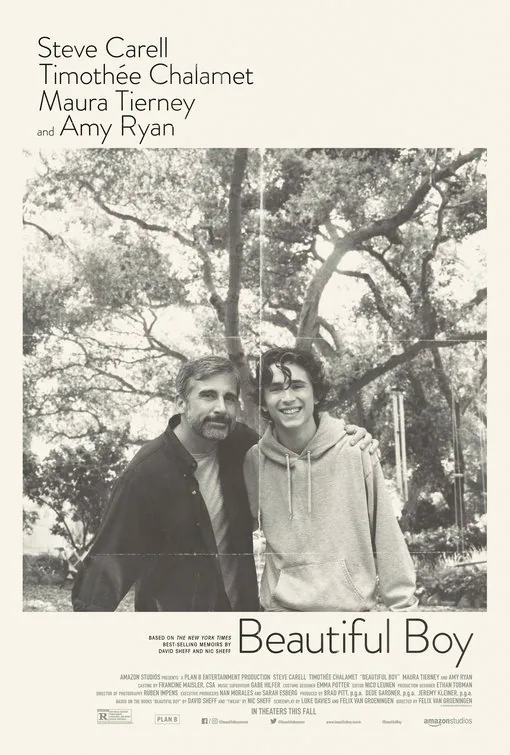
Journalist David Sheff tries to understand and help his teenage son Nic through repeated cycles of drug use, treatment and relapse. The story shifts between the father's perspective and Nic's experience, showing how affection can persist alongside exhaustion and uncertainty. Felix van Groeningen adapts a family memoir into an intimate drama about addiction that avoids a simple recovery arc, focusing instead on care, fear and the limits of control.
Based on recorded story, mood and style. Your preferences can change the order.
Memory and identity
What changes The Celebration: a son publicly accuses his father of long-term abuse during a formal birthday dinner.. The Divine Secrets of the Ya-Ya Sisterhood: alternating timelines and character-led.
A playwright's public comments about her childhood deepen a long-running rift with her mother and threaten to disrupt her upcoming wedding. The mother's lifelong friends intervene, bringing the daughter into a shared history that spans girlhood, marriage and painful family choices. The drama uses memories and an ensemble of older women to ask how adult children can understand parents without excusing the harm they experienced.
Based on recorded story, mood and style. Your preferences can change the order.
Memory and identity
What changes The Celebration: a son publicly accuses his father of long-term abuse during a formal birthday dinner.. How Green Was My Valley: episodic and measured.
A man remembers childhood in a Welsh mining family before changes in work and landscape dissolved the world he knew. Wage conflict divides his father from older brothers, while schooling, romance and religious gossip expose other hierarchies inside a community he still loves. Injuries and departures accumulate beneath the warmth of song and family ritual. The drama makes recollection both a shelter and an admission of loss, presenting industrial change through the child who cannot yet understand every pressure shaping the adults around him.
Based on recorded story, mood and style. Your preferences can change the order.
Memory and identity
What changes The Celebration: a son publicly accuses his father of long-term abuse during a formal birthday dinner.. Hesher: grief-centered setup, episodic disruption and emotional catharsis.
After his mother dies in a car crash, teenager T.J. and his father Paul retreat into grief and live with T.J.'s grandmother. Their routine is disrupted when Hesher, a volatile heavy-metal fan with few boundaries, begins squatting in the family's garage and inserting himself into their lives. T.J. follows him through trouble and forms a cautious bond with a grocery clerk. The dark comedy-drama uses Hesher's disruptive behavior to force a grieving family toward anger, care, and renewed connection.
Based on recorded story, mood and style. Your preferences can change the order.
What changes The Celebration: a son publicly accuses his father of long-term abuse during a formal birthday dinner.. The Sacrifice: slow and contemplative.
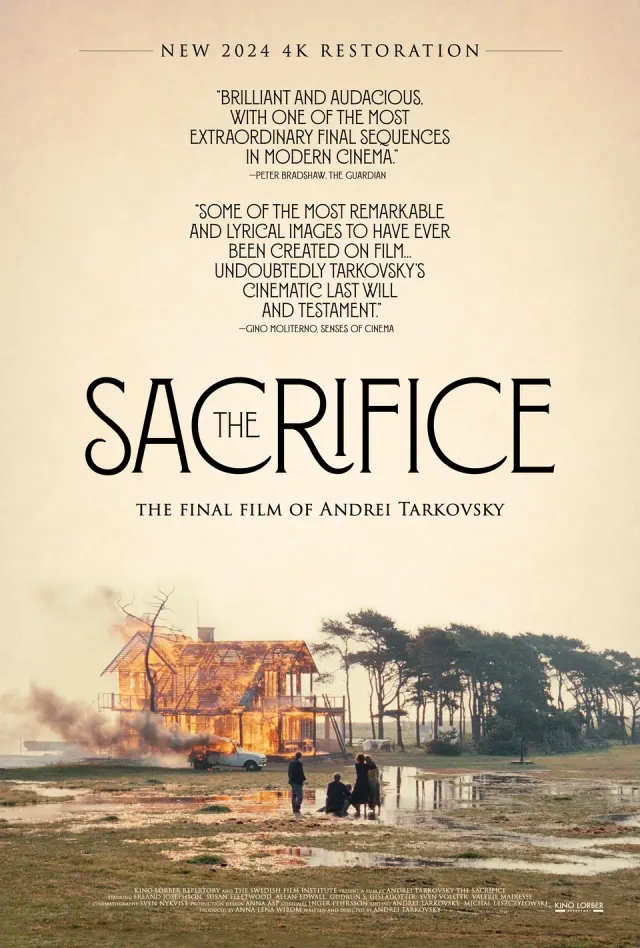
On his birthday, former actor and writer Alexander gathers family and friends at a remote Swedish home, where he talks with his young son about spiritual life and the modern world. Low-flying aircraft and a broadcast announcement interrupt the celebration with news that a nuclear war may have begun. The adults react with panic and disbelief; Alexander responds by making a private vow that he will give up what he loves if the catastrophe is somehow undone. A postman with an interest in the inexplicable suggests a course of action involving the family's maid, Maria. By morning the threat appears to have passed, but Alexander's promise remains, and his decision to burn the house and withdraw from ordinary life leaves his family and the viewer confronting what his act means.
Based on recorded story, mood and style. Your preferences can change the order.
What changes The Celebration: a son publicly accuses his father of long-term abuse during a formal birthday dinner.. Man of Iron: layered and documentary.
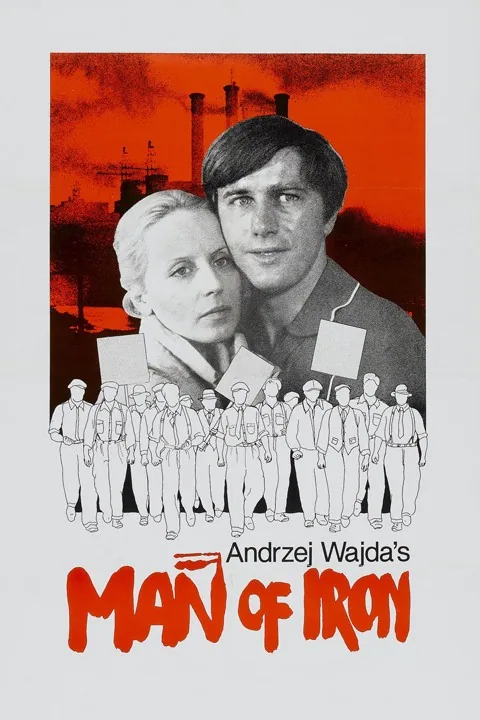
In communist Poland, journalist Winkel is sent to investigate and discredit a worker-led strike connected to the Solidarity movement. His assignment draws him into the story of Maciek Tomczyk, a shipyard activist, and into testimony from people affected by the state's repression. As Winkel gathers accounts, the distinction between reporting and propaganda becomes harder to maintain, forcing him to consider whether he can keep serving an institution whose narrative he has been asked to manufacture.
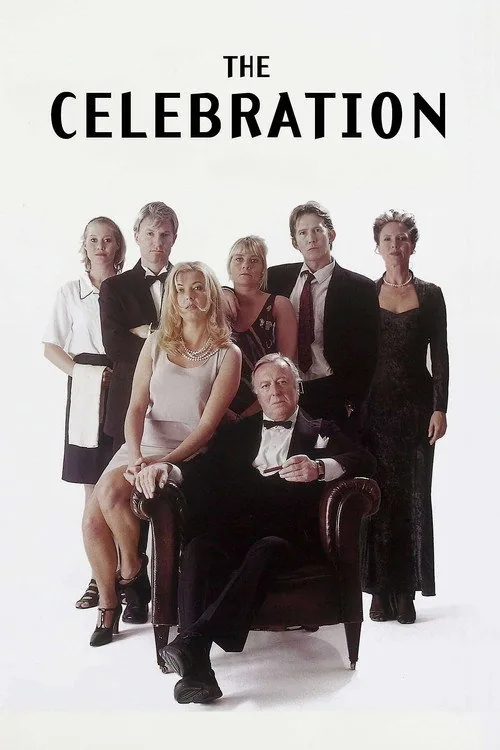
At a family-run Danish hotel, businessman Helge Klingenfeldt-Hansen gathers relatives and friends for his sixtieth birthday. During the formal dinner, his eldest son Christian uses a prepared toast to accuse Helge of sexually abusing him and his late twin sister, Linda. The guests’ attempts to resume the celebration and protect the family’s reputation turn the event into a public struggle over whose account will be believed. Thomas Vinterberg’s Dogme 95 drama uses a single gathering and handheld naturalism to examine abuse, complicity, and the pressure to maintain appearances.
What drives the story
The guests’ reactions reveal how family loyalty and social status can be used to protect an abuser.
The people at its centre
Christian’s sister Helene helps bring Linda’s written account into the open after the party tries to suppress his accusation.
What it feels like
The story contains sexual abuse, suicide, racism, and family violence.
Worth knowing
The single-event structure turns a family celebration into a test of collective denial and accountability.
TruthFamilyComplicity
Mood
Confrontational · Raw · Claustrophobic
Pacing
A son publicly accuses his father of long-term abuse during a formal birthday dinner.
Visual style
Handheld naturalism · Available-light interiors · Unbroken social tension
Storytelling
Birthday gathering · Public accusation · Family denial