The guests’ reactions reveal how family loyalty and social status can be used to protect an abuser.
Why this matches +
Selected for the central appeal: Intense family dramas about inheritance, grief and truths concealed within a marriage.
Genres: Drama
Shared film traits
Based on recorded story, mood and style. Your preferences can change the order.
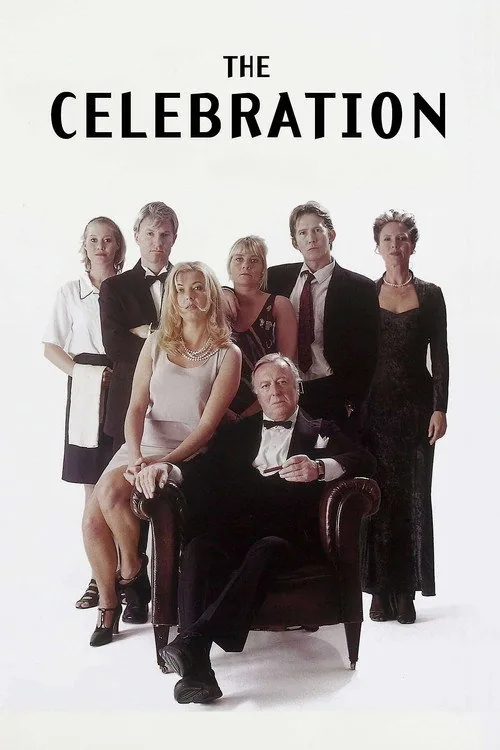
What changes The Celebration brings a family together for a birthday where hidden harm and inheritance tensions erupt.
At a family-run Danish hotel, businessman Helge Klingenfeldt-Hansen gathers relatives and friends for his sixtieth birthday. During the formal dinner, his eldest son Christian uses a prepared toast to accuse Helge of sexually abusing him and his late twin sister, Linda. The guests’ attempts to resume the celebration and protect the family’s reputation turn the event into a public struggle over whose account will be believed. Thomas Vinterberg’s Dogme 95 drama uses a single gathering and handheld naturalism to examine abuse, complicity, and the pressure to maintain appearances.
A father's decision to leave unsettles a family whose members have built their lives around an emotionally fragile mother.
Why this matches +
Selected for the central appeal: Intense family dramas about inheritance, grief and truths concealed within a marriage.
Genres: Drama
Shared film traits
Based on recorded story, mood and style. Your preferences can change the order.
What changes Interiors examines family estrangement and unspoken resentments through a restrained domestic drama.
Arthur, a New York attorney, tells his wife Eve that he wants to separate and begin a different life. Their three adult daughters respond in different ways: Renata, a poet, feels caught between sympathy for her mother and concern for her father; Joey struggles with her own direction; and Flyn is often away working as an actress. When Arthur returns from a trip with Pearl, a warm and outgoing woman unlike Eve, the family must confront grief, resentment, and the emotional distance that has long shaped their home.
An unexpected guardianship forces a grieving man to revisit the place and history he has been unable to re-enter.
Why this matches +
These offer a related experience with a meaningful difference in story, tone, or presentation.
An adjacent discovery: a related idea with a different viewing experience.
Genres: Drama
Shared film traits
Based on recorded story, mood and style. Your preferences can change the order.
What changes Manchester by the Sea examines grief, drinking and the difficulty of reconnecting after a family tragedy.
After his brother Joe dies, Lee Chandler returns to the Massachusetts town he left and learns that he has been named guardian of Joe's teenage son, Patrick. The practical arrangements bring him face to face with an earlier catastrophe: a house fire accidentally killed Lee's three children, and he could not remain in the community afterward. Patrick wants to stay with friends and his band, while Lee cannot imagine rebuilding a life there. The two negotiate care without a consoling cure, settling on a future that preserves a relationship Lee can bear.
A couple's separation changes how their children relate to both parents.
Why this matches +
These offer a related experience with a meaningful difference in story, tone, or presentation.
An adjacent discovery: a related idea with a different viewing experience.
Genres: Drama
Shared film traits
Based on recorded story, mood and style. Your preferences can change the order.
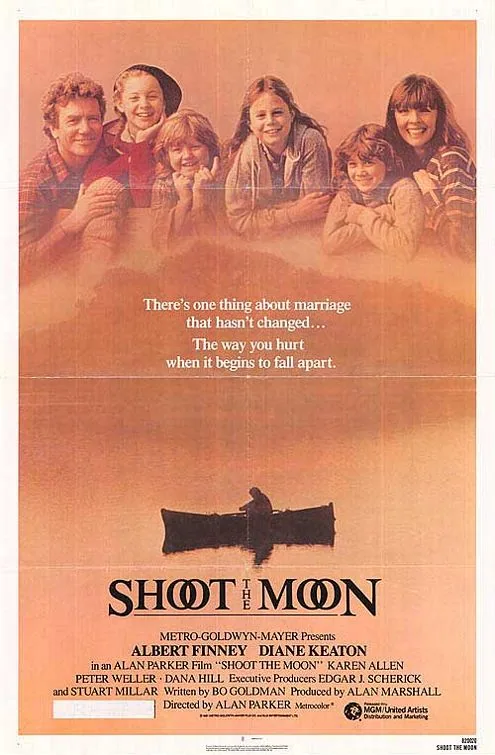
What changes Shoot the Moon follows a marriage disintegrating through confrontation, betrayal and family pressure.
Writer George and his wife Faith are separating in Marin County, while their four daughters try to understand the changing household. George's affair and Faith's new relationship make family loyalties unstable, especially for their eldest daughter Sherry, who sees the conflict more clearly than the adults expect. The drama observes marital collapse through domestic routines, anger and attempts at reconciliation.
The film’s central action is Conrad’s attempt to live with grief, while the family’s outward order repeatedly blocks honest mourning.
Why this matches +
These offer a related experience with a meaningful difference in story, tone, or presentation.
An adjacent discovery: a related idea with a different viewing experience.
Genres: Drama
Shared film traits
Based on recorded story, mood and style. Your preferences can change the order.
What changes Ordinary People follows a family whose unresolved grief makes honest communication difficult.
After the accidental drowning death of their eldest son Buck, the affluent Jarrett family tries to resume ordinary routines. Younger son Conrad returns home after a suicide attempt and psychiatric hospitalization, struggling with guilt and the belief that he should have died instead. Therapy with Dr. Berger helps him name grief and anger, while his father Calvin tries to reconnect with both sons’ absence. His mother Beth maintains control through social appearances and finds Conrad’s vulnerability intolerable. Their conflict forces Calvin to recognize that family recovery may not mean preserving the household intact.
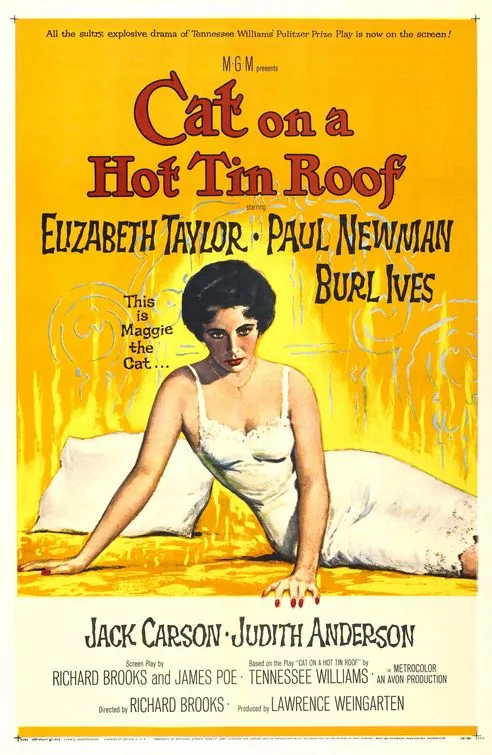
At Big Daddy's birthday gathering, Maggie presses her estranged husband Brick to face their marriage, the family inheritance and his grief over his friend Skipper. Brick's drinking and the family's evasions keep several explanations in play, while the film's Production Code-era adaptation softens aspects of Tennessee Williams's play, particularly its account of Brick and Skipper. The result is emotionally charged but not a transparent version of the stage work: viewers should distinguish what the film states, implies and leaves unsaid.
What drives the story
A family gathering forces marital, financial and emotional secrets into the open, yet Brick's refusal to explain his grief prevents one account from settling the conflict. The family's inheritance needs and his private loss remain entangled.
The people at its centre
Maggie's effort to secure a future competes with Brick's withdrawal and Big Daddy's demands; Skipper's absence shapes their marriage without the film making every implication explicit. The family needs an heir as much as it needs an honest account.
What it feels like
A hot, compressed setting and confrontational dialogue trap private grief inside a family spectacle whose explanations keep shifting. Even pauses feel like accusations because the household cannot escape its own audience.
Worth knowing
Compare contested grief and coded desire in the 1958 film, not the play's fuller treatment. Do not convert implication into a settled claim the adaptation avoids stating.
TruthGriefFamily
Mood
Confrontational · Intimate · Claustrophobic
Pacing
Measured
Visual style
Theatrical staging · Intimate interiors
Storytelling
Family gathering · Concealed diagnosis · Marital confrontation