Explore films connected to The Marriage of Maria Braun through Postwar recovery, Ambition and compromise, Romance and loyalty. Choose the qualities you want to carry into your next watch.
What should feel similar?
Find your next favourite
9 films · Closest overall matches
Hide films you’ve seen or don’t want. Saved on this device.
No matches for this combination yet.
Try another option or reset your choices to see more films.
Based on recorded story, mood and style. Your preferences can change the order.
What changes The Marriage of Maria Braun is tagged coolly observant and melancholy; Ida is tagged austere and somber.
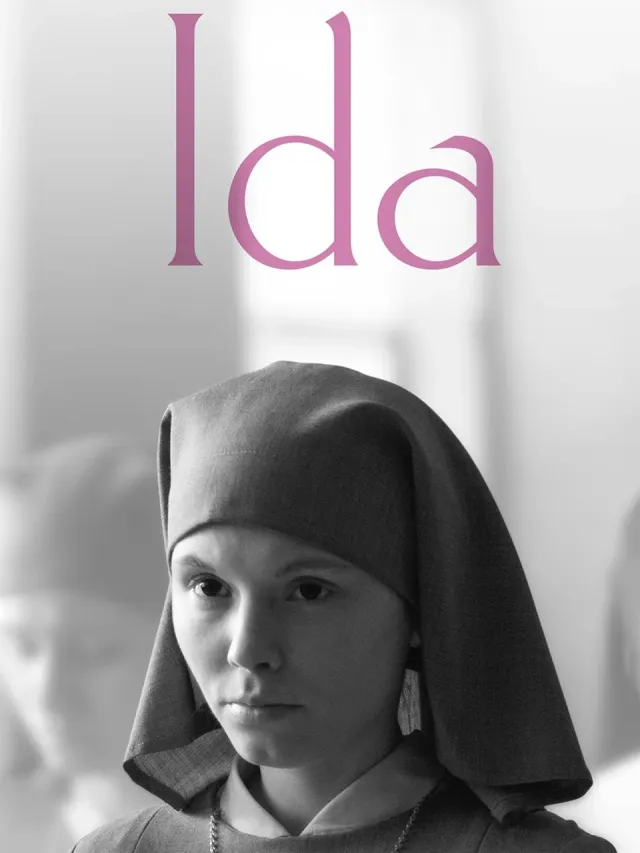
Before taking religious vows, novice Anna visits her only surviving relative, Wanda, and learns that she was born Jewish and given a different name. Their journey to locate the remains of family members killed during the occupation leads to difficult questions about local violence, survival and what can be recovered from silence. Wanda’s political past and grief shape one response; Ida’s quiet discipline and uncertainty shape another. Their discoveries do not produce a simple replacement identity or a single verdict on Poland. The film’s black-and-white, nearly square compositions make its sparse spaces and withheld information part of the historical tension, not merely an elegant style.
Based on recorded story, mood and style. Your preferences can change the order.
Romance and intimacy · Social hierarchy
What changes The Marriage of Maria Braun is tagged coolly observant and melancholy; Hedda is tagged tense and claustrophobic.
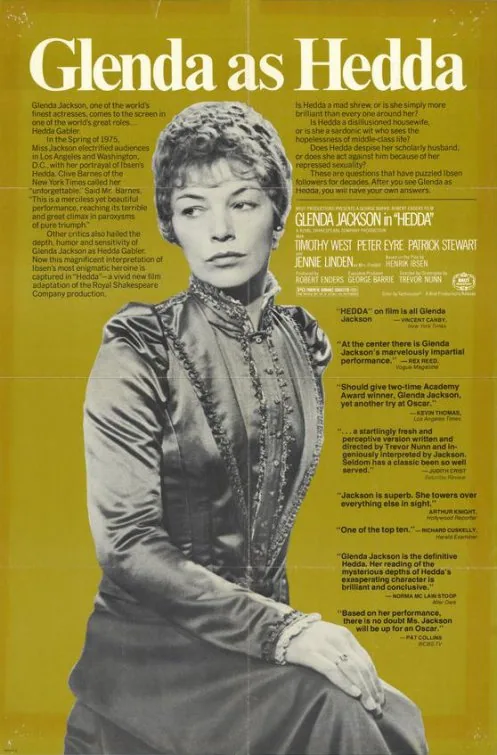
Newly married Hedda Tesman returns from her honeymoon already bored by the respectable home and financial dependence her marriage has secured. The arrival of former lover Ejlert Løvborg, now a rival to her husband George for a university position, unsettles the household. Hedda manipulates Løvborg and his collaborator Thea, destroys the manuscript that could change their futures, and tries to shape the manner of his death. Judge Brack turns her private power games into a trap.
Based on recorded story, mood and style. Your preferences can change the order.
Work and ambition · Social hierarchy
What changes The Marriage of Maria Braun: measured, chapter-like, character-driven and retrospective. Jeanne Dielman, 23 quai du Commerce, 1080 Bruxelles: slow, repetitive and deliberate.
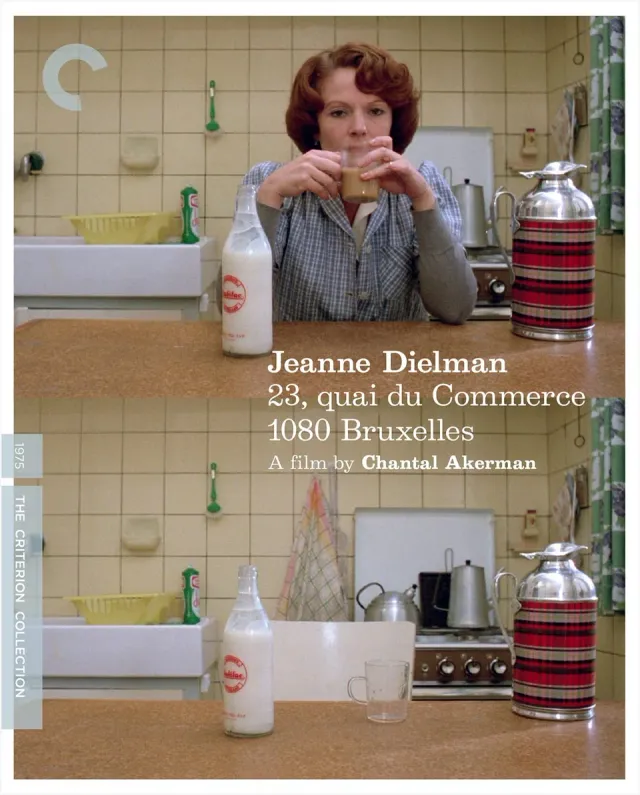
For several days in Brussels, widowed Jeanne Dielman moves through a carefully repeated schedule of cooking, cleaning, shopping and caring for her teenage son. She also receives a client at home each afternoon, fitting that work into the same disciplined routine. Small disruptions accumulate—a meal overcooks, an errand goes wrong, a task slips—until the rituals that structure her life no longer hold. The drama stays close to ordinary time and domestic labor.
Based on recorded story, mood and style. Your preferences can change the order.
Work and ambition · Romance and intimacy
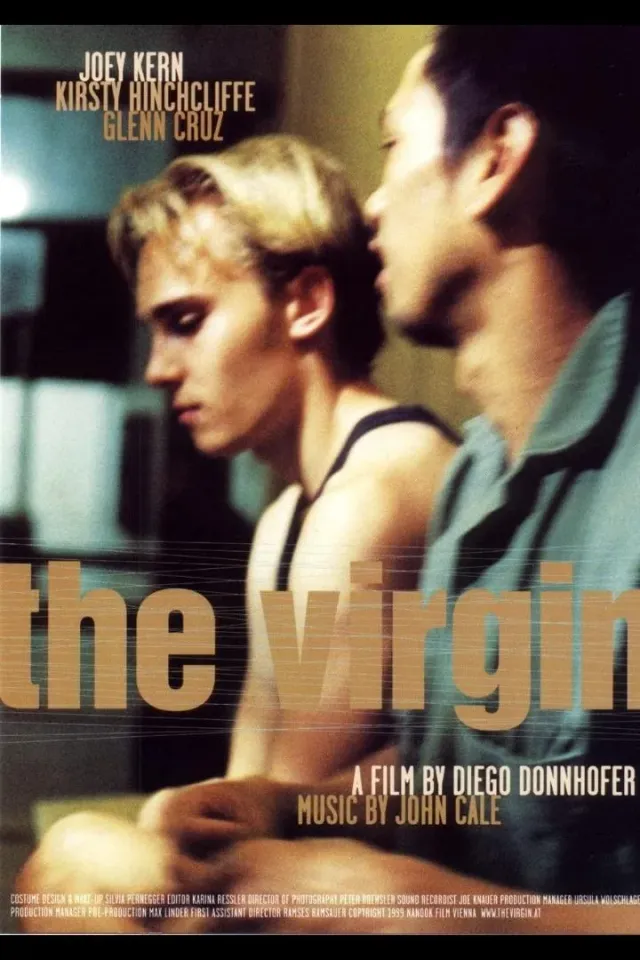
What changes The Marriage of Maria Braun: measured, chapter-like, character-driven and retrospective. The Virgin: the film follows their movement across several cities and the emotional difference between konrad’s detachment and nina’s involvement.
Konrad, who calls himself The Virgin, moves through a life of travel, hustling and drug use without allowing events to touch him. Nina sees him as an example and follows him across Vienna, Athens, Cairo and Giza, but she experiences each encounter with far greater intensity. As the pair’s journeys and relationships unfold, the contrast between Konrad’s detachment and Nina’s vulnerability becomes the film’s central tension. Their travels reveal how a person can imitate another’s apparent freedom while becoming more exposed to hurt.
Based on recorded story, mood and style. Your preferences can change the order.
What changes The Marriage of Maria Braun: measured, chapter-like, character-driven and retrospective. A Streetcar Named Desire: slow burn.
Blanche DuBois arrives at her sister Stella's New Orleans apartment after losing the family estate, Belle Reve, and tries to present herself as a refined visitor rather than a woman in need. Stella's husband Stanley reads that performance as a challenge to his authority and investigates the past Blanche is trying to control. Mitch's courtship briefly offers a possible refuge, but his judgment and Stanley's coercion narrow Blanche's choices. This profile describes the 1951 theatrical film, whose Production Code-era changes altered references to Blanche's first marriage and sexual violence; the screen version is not interchangeable with Tennessee Williams's play.
Based on recorded story, mood and style. Your preferences can change the order.
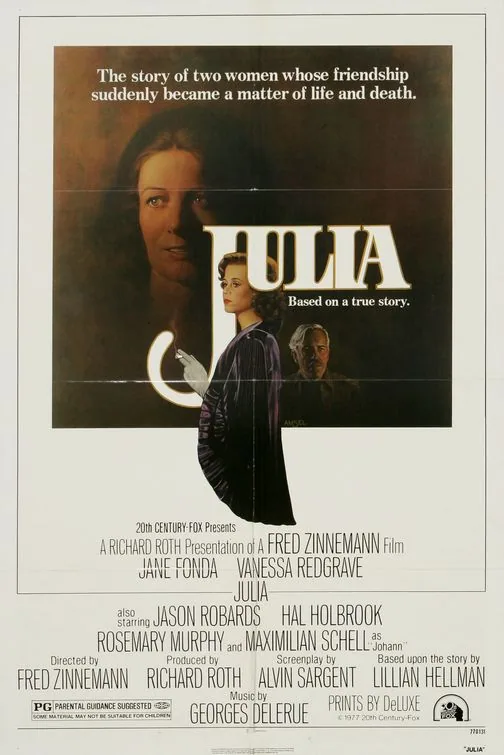
What changes The Marriage of Maria Braun is tagged coolly observant and melancholy; Julia is tagged reflective and somber.
Playwright Lillian Hellman recalls her close friend Julia, whose anti-fascist work takes her into danger in Europe. In the film, Julia asks Hellman to carry money through Nazi Germany, a mission performed with limited information and little control over its outcome. Hellman’s earlier dependence on the older friend gives the journey emotional weight, but the brief reunion cannot restore their former intimacy or verify what became of Julia. The story is adapted from Hellman’s memoir Pentimento, whose account was challenged after publication; Muriel Gardiner said she recognized her own life in Julia, while Hellman denied that identification. The film’s elegant suspense therefore sits inside an unresolved question of memory and source identity, not a fully verified biography of a resistance courier.
Based on recorded story, mood and style. Your preferences can change the order.
War and civilian life · Romance and intimacy
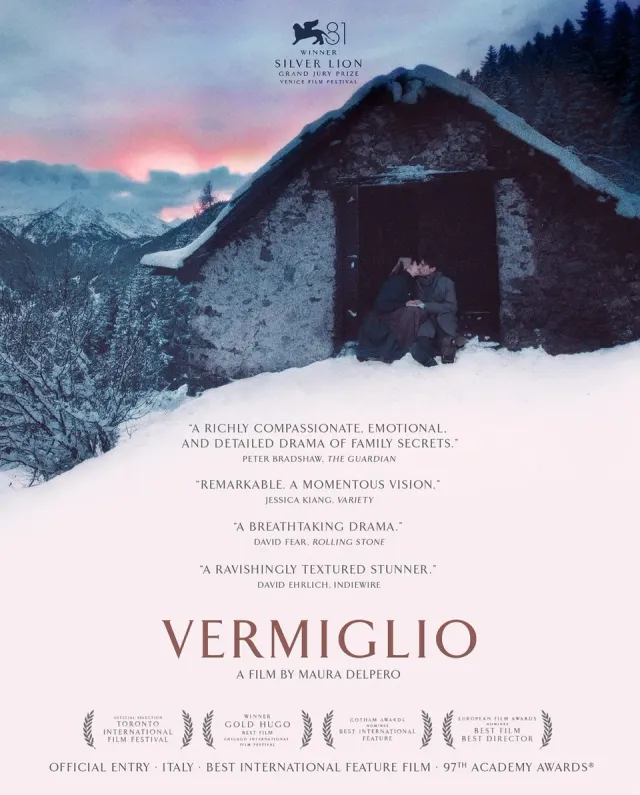
What changes The Marriage of Maria Braun: measured, chapter-like, character-driven and retrospective. Vermiglio: patient, seasonal and ensemble-led.
In the final winter of the Second World War, a Sicilian soldier arrives in the alpine village of Vermiglio and is taken in by a local family. His presence changes the lives of the household's daughters, especially Lucia, and draws private desires into the rhythms of village life. Maura Delpero observes the family across seasons as war, religion, work and social expectations shape what each generation can say aloud and what futures remain possible.
Based on recorded story, mood and style. Your preferences can change the order.
Expect lyrical and disturbing, with episodic and measured pacing.
In wartime Sicily, adolescent Renato watches Malèna, a young woman whose beauty makes her the subject of the town’s desire, gossip and punishment. He imagines a relationship with her but has little knowledge of her thoughts or access to the choices shaping her life. When her husband is reported dead and the war deepens, social protection falls away; the town first objectifies Malèna and then condemns her for the very attention it has imposed. Giuseppe Tornatore’s nostalgic narration and explicit scenes of cruelty place viewers inside Renato’s gaze while also exposing its limits. His late gesture is small beside the material vulnerability and communal violence she has endured. The film is not an equal romance or a simple fond memory of boyhood.
Based on recorded story, mood and style. Your preferences can change the order.
War and civilian life
Expect intimate and melancholy, with nonlinear and measured pacing.
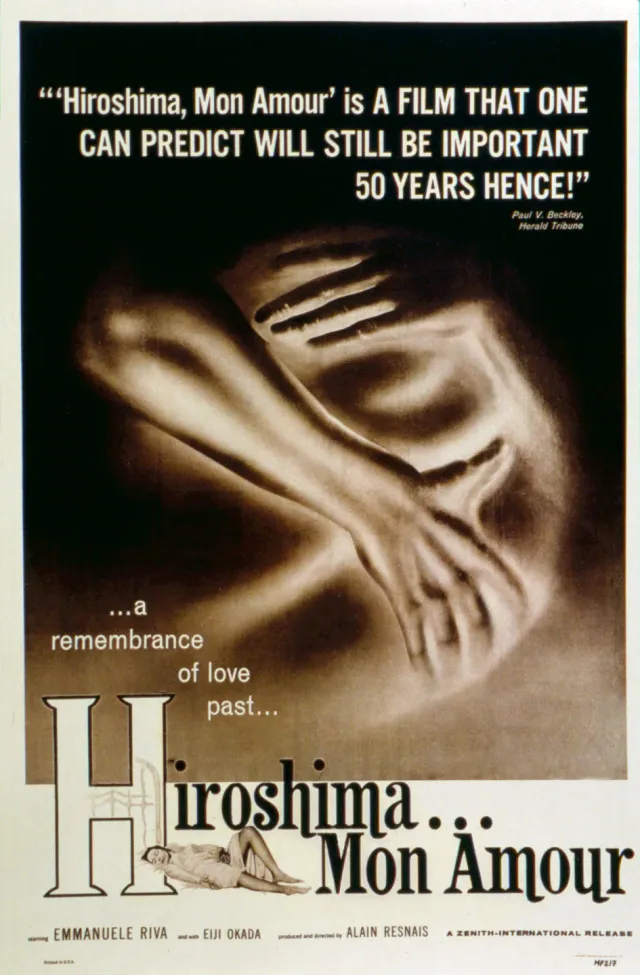
A French actress and a Japanese architect begin an affair in postwar Hiroshima, where her film work about peace does not grant her full access to the city’s history. Their conversations open onto her earlier love affair in occupied Nevers and the punishment that followed its loss. Repetition, fragmented images and documentary traces let one memory interrupt another without making the woman’s private suffering equivalent to the atomic bombing. The architect can ask her to remember, but cannot turn memory into shared ownership. The film’s formal argument lies in that unfinished encounter between personal recollection, public catastrophe and the limits of witnessing.
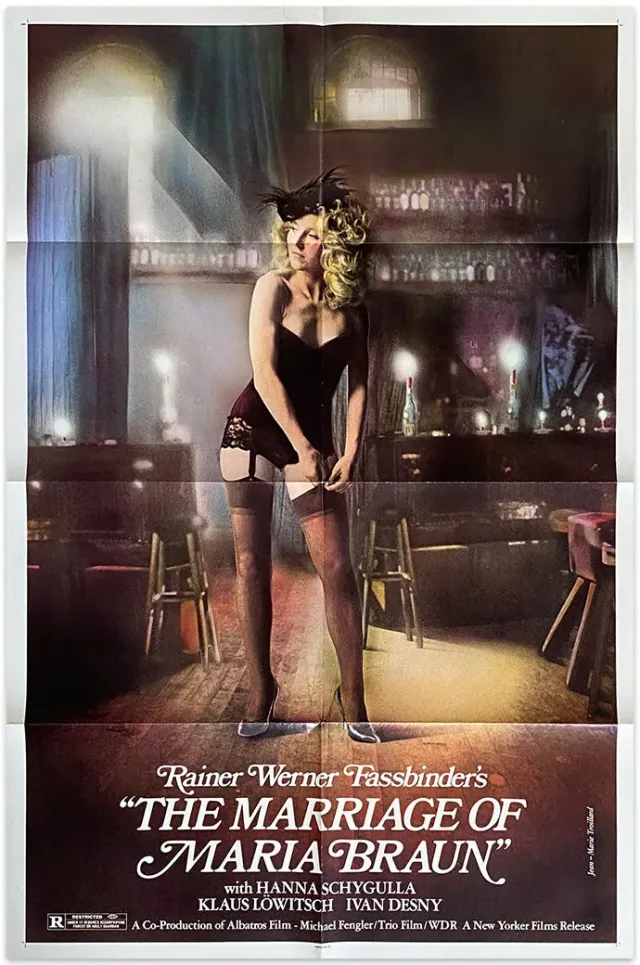
Maria Berger marries Hermann Braun during a wartime air raid, then loses him to the front and the uncertainty of Germany’s defeat. Believing him dead, she finds work in the unstable postwar economy and uses her intelligence and charm to secure a future for herself and her family. A relationship with American soldier Bill brings affection as well as practical support, while Maria continues to hold onto the idea of Hermann. As she rises from precarious survival into financial success, the film links her private compromises to a country rebuilding itself and postponing its reckoning with the past.
What drives the story
Maria’s efforts to survive become increasingly entangled with the economic recovery around her, so success carries both agency and moral cost.
The people at its centre
Her devotion to Hermann coexists with relationships and work that make daily security possible, leaving love and necessity difficult to separate.
What it feels like
The story tracks a private life across political and economic change without reducing Maria to a simple emblem of the nation.
Worth knowing
This is a postwar German character drama shaped by memory and material ambition, not a conventional wartime battlefield film.
Postwar recoveryAmbition and compromiseRomance and loyalty