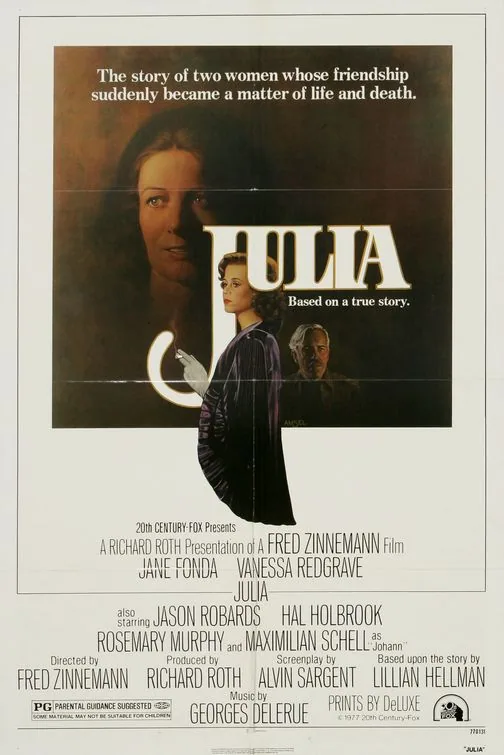
A writer's remembered friendship becomes the route into a dangerous courier task, with partial instructions turning ordinary travel into controlled political suspense.
What should feel similar?
Find your next favourite
9 of 20 films · Closest overall matches
Hide films you’ve seen or don’t want. Saved on this device.
No matches for this combination yet.
Try another option or reset your choices to see more films.
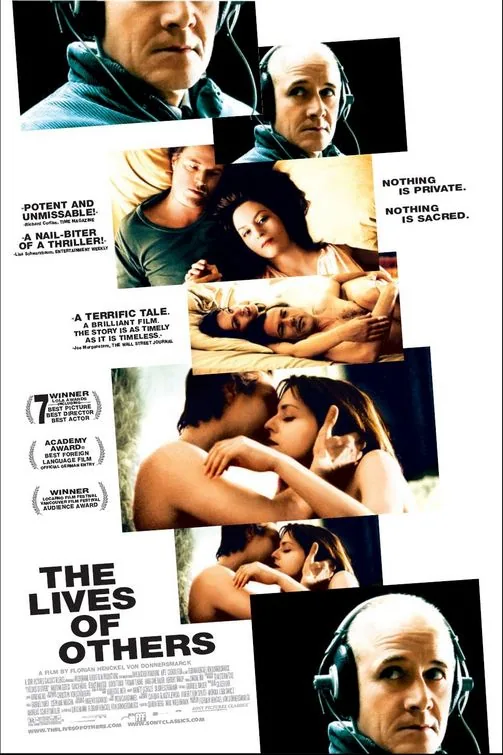
A politically motivated surveillance assignment turns a loyal operative's access to private evidence into a conflict between bureaucratic obedience and covert protection.
Why this matches +
These films share important themes, atmosphere or storytelling interests with this selection.
Genres: Drama / Thriller
Shared film traits
Based on recorded story, mood and style. Your preferences can change the order.
Political resistance
What changes Its own story: A politically motivated surveillance assignment turns a loyal operative's access to private evidence into a conflict between bureaucratic obedience and covert protection.
An East German surveillance officer is assigned to monitor a celebrated playwright and his partner, ostensibly for national security. Listening to their private life reveals artistic friendships, fear and a senior official's exploitative motive behind the operation. The officer's identification with people he is meant to expose creates small opportunities to intervene, but every altered report risks his position within an institution that treats conscience as disloyalty.
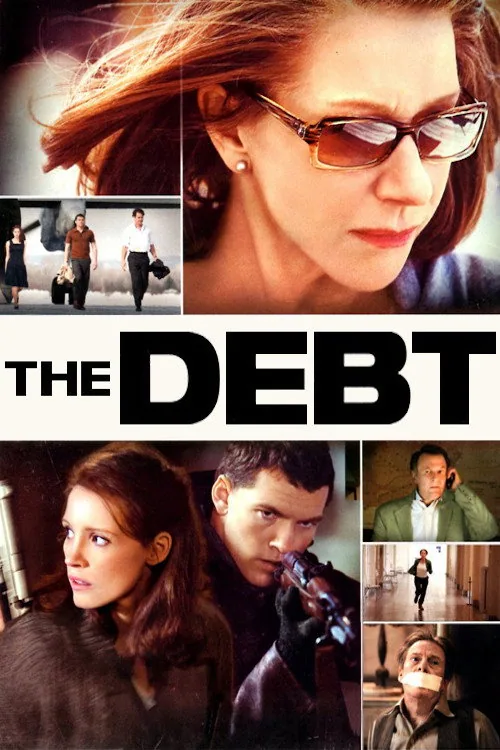
A new disclosure about a long-past operation challenges the public story built around three agents’ pursuit of Vogel.
Why this matches +
These films share important themes, atmosphere or storytelling interests with this selection.
Genres: Thriller / Drama
Shared film traits
Based on recorded story, mood and style. Your preferences can change the order.
What changes Its own story: A new disclosure about a long-past operation challenges the public story built around three agents’ pursuit of Vogel.
In 1960s East Berlin, young Mossad agents Rachel, Stefan, and David undertake a dangerous mission to capture Nazi war criminal Dieter Vogel and bring him to justice. Decades later, their celebrated account of the operation is unsettled by new information, forcing the aging agents to confront what happened and the story they told. John Madden’s thriller moves between two periods of espionage and memory, examining the moral weight of the Holocaust, a mission’s legacy, and the cost of preserving a national hero narrative.
Tessa's report about a clinical trial gives Justin a trail to follow after her death; institutional complicity makes each new disclosure more dangerous.
Why this matches +
These films share important themes, atmosphere or storytelling interests with this selection.
Genres: Drama / Thriller
Shared film traits
Based on recorded story, mood and style. Your preferences can change the order.
Political resistance
What changes Its own story: Tessa's report about a clinical trial gives Justin a trail to follow after her death; institutional complicity makes each new disclosure more dangerous.
British diplomat Justin Quayle meets activist Tessa, marries her and follows her to a posting in Kenya. Tessa and doctor Arnold Bluhm investigate deaths they connect to drug trials by the pharmaceutical company Three Bees, but their report threatens powerful corporate and government interests. After Tessa is murdered, Justin follows the evidence she left behind, moving through official files, colleagues' memories and the places where she worked. His private grief becomes a public investigation that reveals the cost of protecting a profitable drug program.
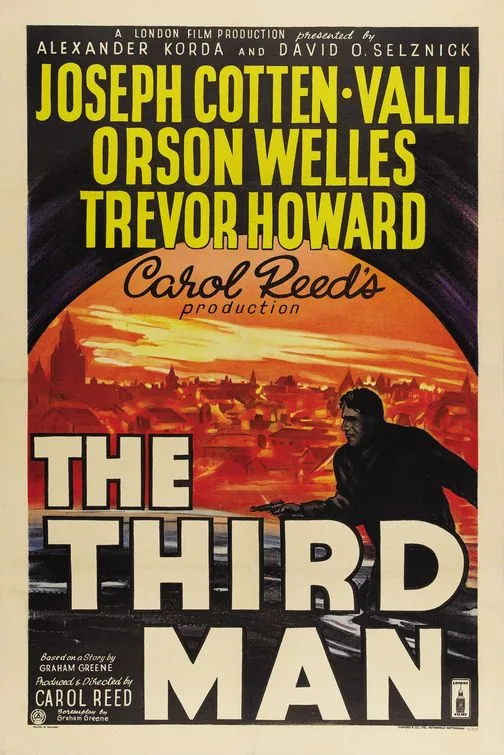
An apparently accidental death becomes an investigation in which solving a friend's disappearance threatens the investigator's cherished account of their friendship.
Why this matches +
These films share important themes, atmosphere or storytelling interests with this selection.
Genres: Mystery / Thriller
Shared film traits
Based on recorded story, mood and style. Your preferences can change the order.
What changes Its own story: An apparently accidental death becomes an investigation in which solving a friend's disappearance threatens the investigator's cherished account of their friendship.
An American writer arrives in occupied Vienna expecting work from an old friend, only to hear that the friend has died in a street accident. Conflicting accounts of the witnesses draw him into a city divided by military authorities and sustained by illicit trade. Investigating what appears to be a personal injustice forces him to confront the harm hidden by a loyalty he had treated as evidence of good character.
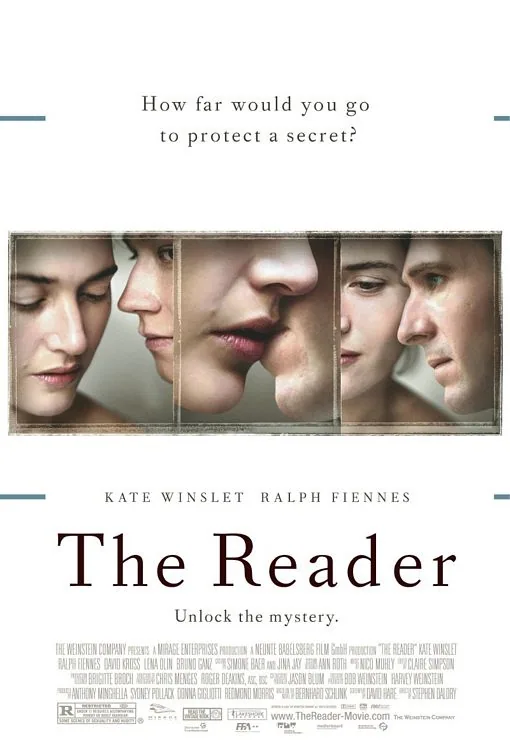
A teenage affair resurfaces in a war-crimes trial, forcing Michael to reconcile private memory with Hanna's public culpability and concealed shame.
Why this matches +
These films share important themes, atmosphere or storytelling interests with this selection.
Genres: Drama / Romance
Shared film traits
Based on recorded story, mood and style. Your preferences can change the order.
What changes Its own story: A teenage affair resurfaces in a war-crimes trial, forcing Michael to reconcile private memory with Hanna's public culpability and concealed shame.
In 1958, fifteen-year-old Michael Berg begins a secret relationship with Hanna Schmitz, an older tram conductor who asks him to read aloud to her. Hanna disappears without explanation; years later, Michael sees her among former Nazi camp guards on trial for the deaths of prisoners during a death march. As a law student observing the proceedings, he recognizes details from their relationship and learns that shame about illiteracy is shaping how Hanna responds to the court. The revelation complicates Michael's memory of the affair without erasing the power imbalance or Hanna's crimes. He later records books for her in prison, but the connection remains defined by what he cannot say. The film links intimacy, literacy and postwar responsibility through one man's long, conflicted recollection.
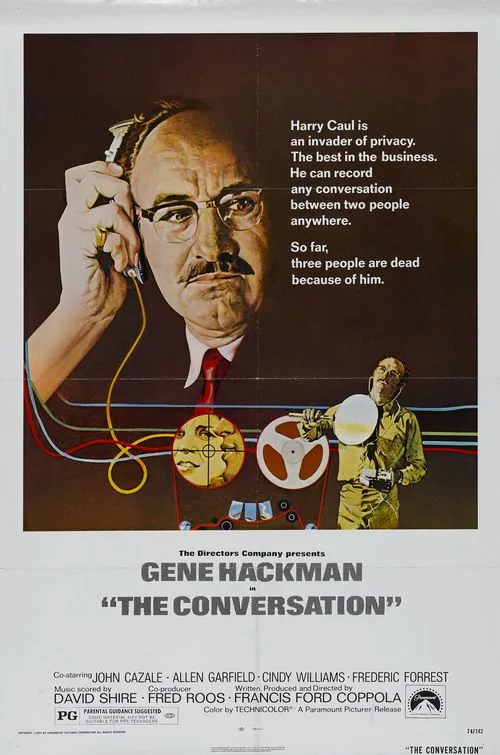
Repeated analysis of a recorded conversation deepens a technician's uncertainty about the harm his work may enable.
Why this matches +
These films share important themes, atmosphere or storytelling interests with this selection.
Genres: Mystery / Thriller
Shared film traits
Based on recorded story, mood and style. Your preferences can change the order.
What changes Its own story: Repeated analysis of a recorded conversation deepens a technician's uncertainty about the harm his work may enable.
A surveillance specialist records a couple in a crowded square and becomes preoccupied with what their apparently ordinary exchange might mean. His professional distance is eroded by memories of an earlier job with deadly consequences. Replaying and refining the recording draws him into a situation where technical precision cannot guarantee understanding, and the observer begins to fear that he is also being watched.
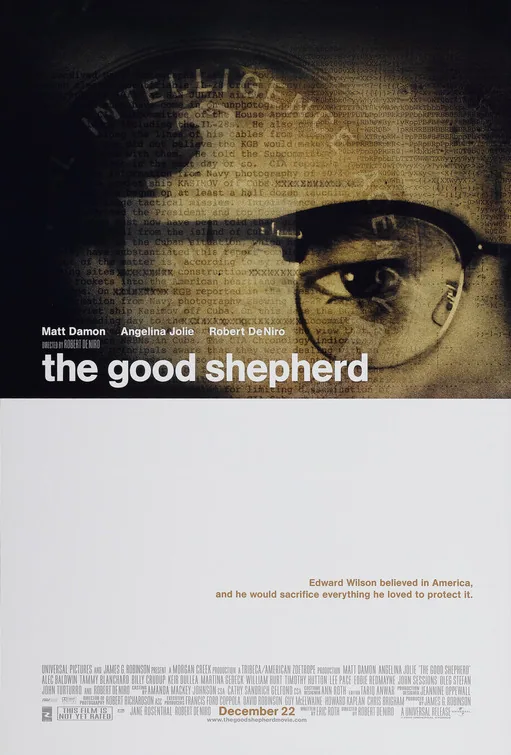
The compromised Bay of Pigs operation gives the inquiry its immediate urgency; Edward’s older choices explain why he mistrusts nearly everyone involved.
Why this matches +
These films share important themes, atmosphere or storytelling interests with this selection.
Genres: Crime / Drama
Shared film traits
Based on recorded story, mood and style. Your preferences can change the order.
What changes Its own story: The compromised Bay of Pigs operation gives the inquiry its immediate urgency; Edward’s older choices explain why he mistrusts nearly everyone involved.
Edward Wilson is recruited into an intelligence service during the Second World War and rises into the CIA’s covert world, where personal loyalty and national security are difficult to separate. Years later, a botched operation at the Bay of Pigs prompts an internal investigation that sends him back through memories of his recruitment, marriage and increasingly secretive career. The film connects a single operational crisis to the gradual reshaping of a man who has made privacy and suspicion into habits. Its characters are fictional, even as the story borrows the atmosphere of real intelligence history.
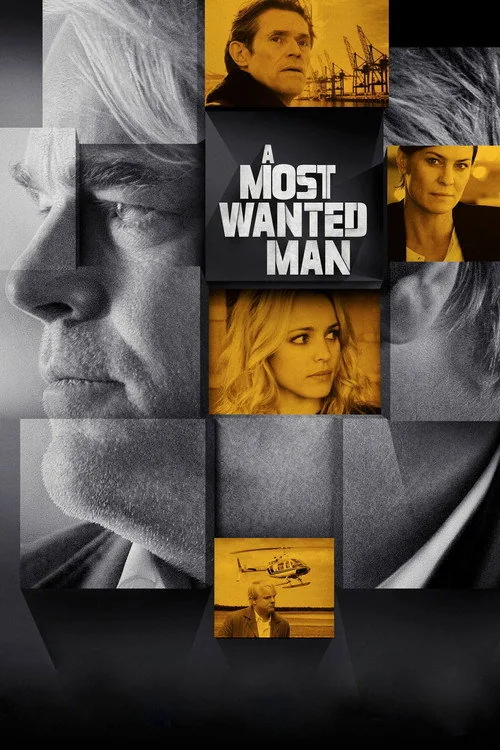
Bachmann tries to turn a refugee’s arrival and a suspected financial channel into a broader intelligence operation before rival agencies intervene.
Why this matches +
These films share important themes, atmosphere or storytelling interests with this selection.
Genres: Thriller / Espionage
Shared film traits
Based on recorded story, mood and style. Your preferences can change the order.
Political resistance
What changes Its own story: Bachmann tries to turn a refugee’s arrival and a suspected financial channel into a broader intelligence operation before rival agencies intervene.
Issa Karpov, a refugee from Chechnya who has endured torture, arrives illegally in Hamburg and attracts the attention of German intelligence officer Günther Bachmann. Bachmann’s team is already monitoring a respected Muslim philanthropist suspected of channeling money to extremist groups. Rather than arrest everyone at once, Bachmann tries to use an immigration lawyer and a banker to build a larger case while securing safety for Karpov. Competing German and American agencies bring their own priorities, turning the investigation into a study of surveillance, trust, and political pressure.
A retired intelligence officer reconstructs a failed operation to expose a mole hidden among the service’s most senior figures.
Why this matches +
These films share important themes, atmosphere or storytelling interests with this selection.
Genres: Drama / Thriller
Shared film traits
Based on recorded story, mood and style. Your preferences can change the order.
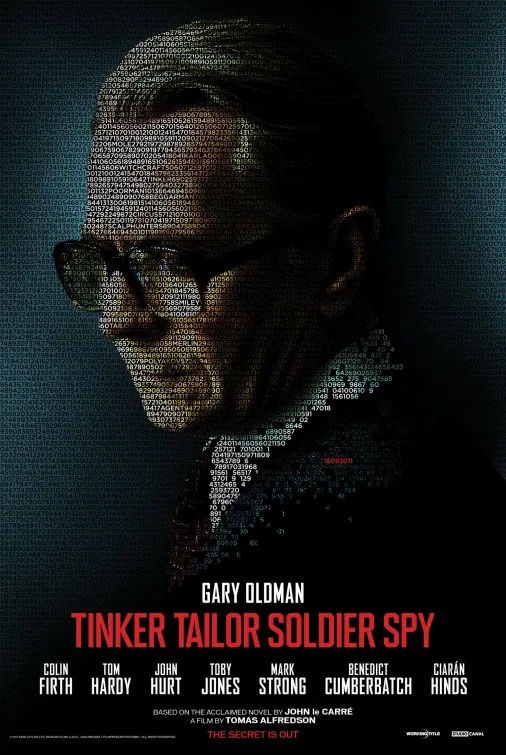
What changes Its own story: A retired intelligence officer reconstructs a failed operation to expose a mole hidden among the service’s most senior figures.
After a failed operation in Budapest, British intelligence suspects that a Soviet mole has reached the highest levels of the service. Retired officer George Smiley is quietly brought back to examine the evidence and identify which senior men can still be trusted. His investigation moves through fragmented memories, interviews and old case files rather than a sequence of action missions. Field agent Jim Prideaux’s experience of the failed operation gives the inquiry an emotional cost, while Smiley’s own history with his rival Karla complicates his return to a world built on concealment. Smiley’s marriage and long rivalry with Karla haunt the investigation, though the mole case remains his immediate problem.
The unfinished memoir is both paid work and evidence: each revision brings the writer closer to the reason his predecessor died.
Why this matches +
These films share important themes, atmosphere or storytelling interests with this selection.
Genres: Crime / Drama
Shared film traits
Based on recorded story, mood and style. Your preferences can change the order.
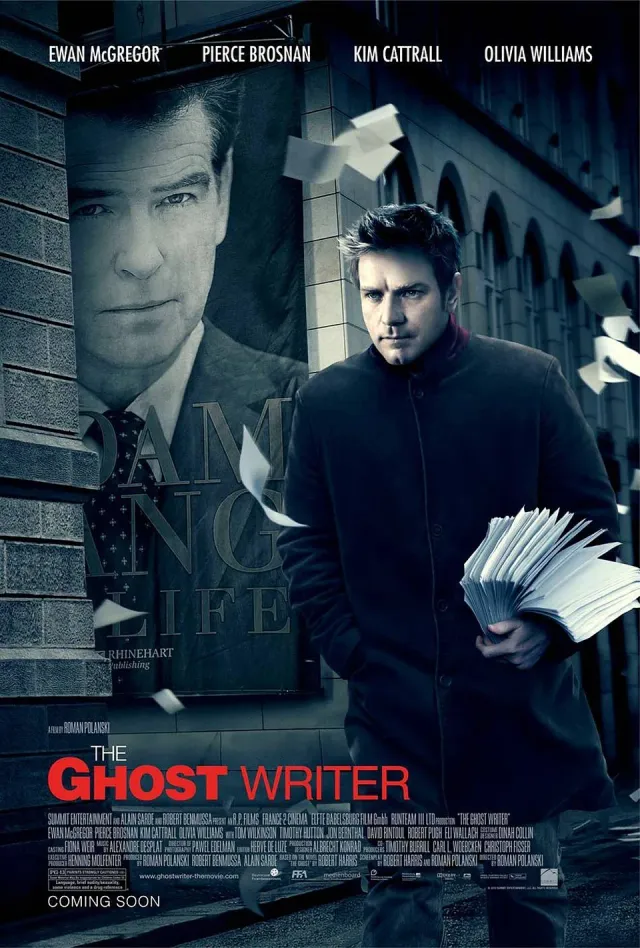
What changes Its own story: The unfinished memoir is both paid work and evidence: each revision brings the writer closer to the reason his predecessor died.
A professional ghostwriter accepts the job of finishing the memoir of former British prime minister Adam Lang after his predecessor dies under suspicious circumstances. At Lang’s isolated coastal residence, the writer works through the manuscript, watches the politician’s public defense against accusations of war crimes and notices clues hidden in the previous draft. As he investigates, the assignment becomes dangerous and he must decide whether publishing the truth is worth the risk. The film turns a literary job into a political mystery, using the writer’s outsider status and the limits of what he can verify to sustain unease.
A pre-vow family visit becomes a search for concealed wartime deaths, unsettling two women’s different ways of living with history and choosing a future. Wanda’s investigation and Ida’s vocation meet at family graves but lead to different future choices.
Why this matches +
These films explore a related idea in a different setting, genre or style.
An adjacent discovery: a related idea with a different viewing experience.
Genres: Drama
Shared film traits
Based on recorded story, mood and style. Your preferences can change the order.
Memory and identity
What changes Its own story: A pre-vow family visit becomes a search for concealed wartime deaths, unsettling two women’s different ways of living with history and choosing a future. Wanda’s investigation and Ida’s vocation meet at family graves but lead to different future choices.
Before taking religious vows, novice Anna visits her only surviving relative, Wanda, and learns that she was born Jewish and given a different name. Their journey to locate the remains of family members killed during the occupation leads to difficult questions about local violence, survival and what can be recovered from silence. Wanda’s political past and grief shape one response; Ida’s quiet discipline and uncertainty shape another. Their discoveries do not produce a simple replacement identity or a single verdict on Poland. The film’s black-and-white, nearly square compositions make its sparse spaces and withheld information part of the historical tension, not merely an elegant style.
A false accusation produced by limited observation and class assumptions creates a separation that later writing can revisit but cannot simply undo.
Why this matches +
These films explore a related idea in a different setting, genre or style.
An adjacent discovery: a related idea with a different viewing experience.
Genres: Drama / Romance
Shared film traits
Based on recorded story, mood and style. Your preferences can change the order.
What changes Its own story: A false accusation produced by limited observation and class assumptions creates a separation that later writing can revisit but cannot simply undo.
A young girl in an affluent English household misreads encounters between her older sister and the housekeeper's son, then gives testimony that converts private imagination into devastating institutional consequences. The separated couple's attempt to retain a future unfolds against prison, military service and wartime nursing. Later acts of narration revisit what can be known and repaired, exposing a gap between the consolations a story offers and the irreversible lives on which it depends.
A patient's uncertain identity and recollections gradually connect an intimate love affair with betrayals and irreversible losses across a wartime landscape.
Why this matches +
These films explore a related idea in a different setting, genre or style.
An adjacent discovery: a related idea with a different viewing experience.
Genres: Drama / Romance
Shared film traits
Based on recorded story, mood and style. Your preferences can change the order.
Memory and identity
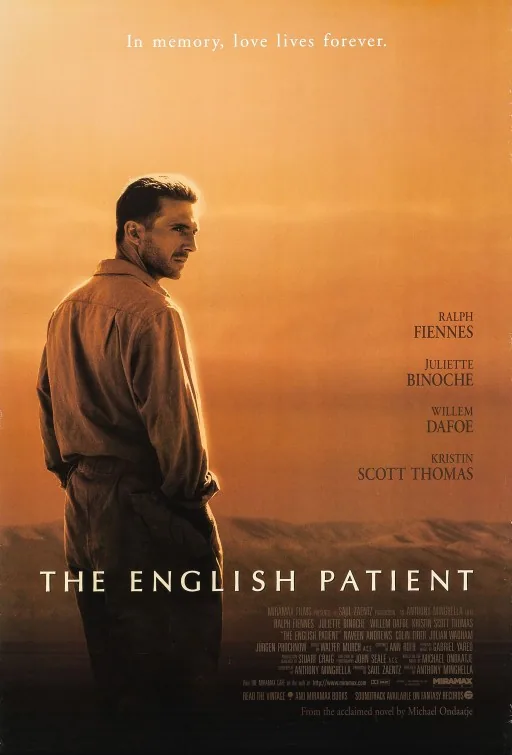
What changes Its own story: A patient's uncertain identity and recollections gradually connect an intimate love affair with betrayals and irreversible losses across a wartime landscape.
Near the end of the Second World War, a nurse tends a severely burned man in an abandoned Italian monastery while fragments of his earlier life emerge. His memories return to a desert mapping expedition, an affair with a married woman and decisions whose consequences cross wartime allegiances. Other displaced people briefly form a household around the patient's care, placing his consuming lost romance beside more tentative attempts to remain open to life.
A developing romance is shaped by a custody system that can turn private intimacy into evidence and by each woman's changing sense of what she wants for herself. Public scrutiny changes what the relationship can safely leave undocumented.
Why this matches +
These films explore a related idea in a different setting, genre or style.
An adjacent discovery: a related idea with a different viewing experience.
Genres: Drama / Romance
Shared film traits
Based on recorded story, mood and style. Your preferences can change the order.
What changes Its own story: A developing romance is shaped by a custody system that can turn private intimacy into evidence and by each woman's changing sense of what she wants for herself. Public scrutiny changes what the relationship can safely leave undocumented.
Therese, a young department-store clerk and aspiring photographer, meets Carol, a married mother navigating divorce and a custody dispute. Their attraction begins with tentative looks and a shared journey, but power between them is not fixed by age, wealth or experience alone. Custody surveillance makes private affection legible to people who can use it against Carol, while Therese's artistic and personal choices develop beyond the romance. The film treats restraint as an effect of scrutiny and social risk, not a lack of desire.
Reading becomes Liesel's way to make sense of a political world that intrudes into her home; hiding Max makes language and silence matters of safety.
Why this matches +
These films explore a related idea in a different setting, genre or style.
An adjacent discovery: a related idea with a different viewing experience.
Genres: Drama / War
Shared film traits
Based on recorded story, mood and style. Your preferences can change the order.
What changes Its own story: Reading becomes Liesel's way to make sense of a political world that intrudes into her home; hiding Max makes language and silence matters of safety.
In Nazi Germany, young Liesel Meminger is sent to live with foster parents Hans and Rosa Hubermann. Hans teaches her to read after she takes a book at her brother's funeral, and she shares her new love of words with her friend Rudy. The Hubermanns later hide Max, a Jewish man whose family once helped Hans. As Liesel and Max build a friendship through stories, the danger of discovery shapes daily life in their home. The film is narrated by Death and follows the family through wartime loss toward a reunion after the war.
A present-day visit to a former colleague opens memories of the household and of the choices Stevens made in the name of service.
Why this matches +
These films explore a related idea in a different setting, genre or style.
An adjacent discovery: a related idea with a different viewing experience.
Genres: Drama
Shared film traits
Based on recorded story, mood and style. Your preferences can change the order.
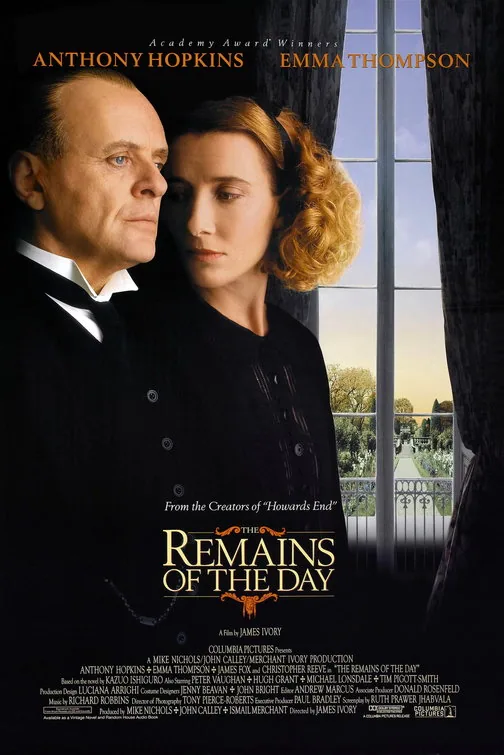
What changes Its own story: A present-day visit to a former colleague opens memories of the household and of the choices Stevens made in the name of service.
In postwar Britain, butler James Stevens drives across the West Country to visit Miss Kenton, the former housekeeper at Darlington Hall. Their journey is intercut with memories of the years they served Lord Darlington, a gentleman whose prewar political associations later stain his reputation. Stevens prides himself on emotional restraint and professional dignity, while Kenton challenges his loyalty to the household and invites him to acknowledge their personal attachment. He repeatedly subordinates private feeling to service, even as the political choices made at the estate reveal how professionalism can become complicity. The return trip gives Stevens time to reconsider what he has preserved and what he has lost. James Ivory's adaptation builds its drama from manners, omissions and the distance between public conduct and private regret.
Rachel's access depends on performing an identity inside the occupier's world, but failed operations and postwar suspicion make the same concealment dangerous on both sides of liberation.
Why this matches +
These films explore a related idea in a different setting, genre or style.
An adjacent discovery: a related idea with a different viewing experience.
Genres: War / Thriller
Shared film traits
Based on recorded story, mood and style. Your preferences can change the order.
What changes Its own story: Rachel's access depends on performing an identity inside the occupier's world, but failed operations and postwar suspicion make the same concealment dangerous on both sides of liberation.
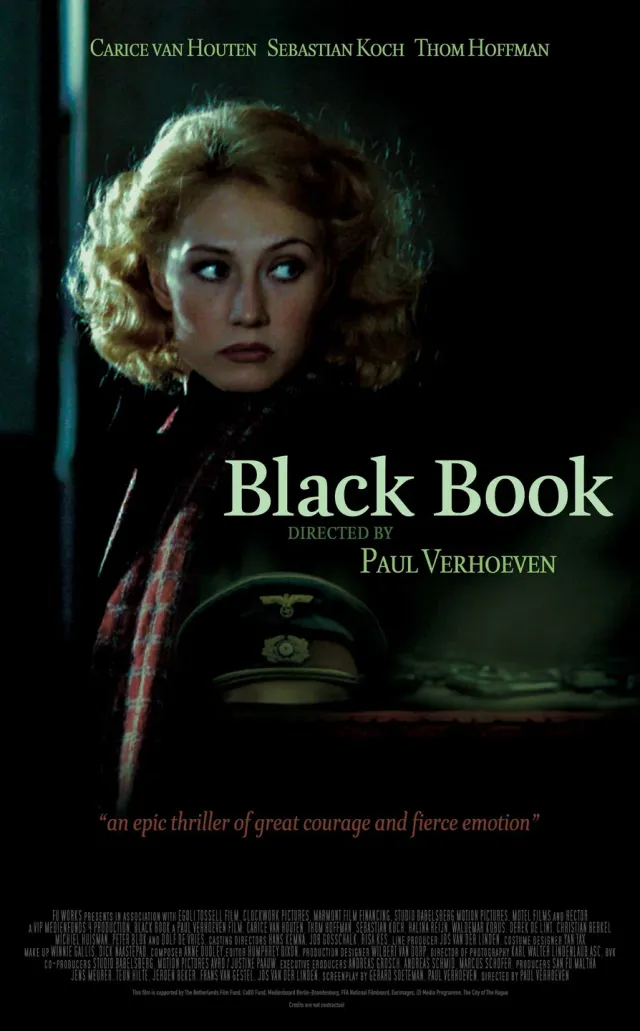
Rachel Stein, a Jewish singer hiding in occupied Netherlands, survives a betrayal and joins the Dutch resistance under a concealed identity. Her infiltration of a German officer's circle gives the resistance access, but intimacy complicates the role and does not suspend occupation's violence. When operations fail and the Netherlands is liberated, Rachel encounters new accusations and institutional loyalties that make safety no more automatic than it was under German rule. Paul Verhoeven's fast-moving thriller challenges simple moral categories without making persecutor and victim equivalent or treating betrayal as evidence that resistance itself was meaningless.
A retired investigator revisits an unresolved murder through memory and writing, uncovering how legal power and political violence shaped the original case.
Why this matches +
These films explore a related idea in a different setting, genre or style.
An adjacent discovery: a related idea with a different viewing experience.
Genres: Crime / Drama
Shared film traits
Based on recorded story, mood and style. Your preferences can change the order.
What changes Its own story: A retired investigator revisits an unresolved murder through memory and writing, uncovering how legal power and political violence shaped the original case.
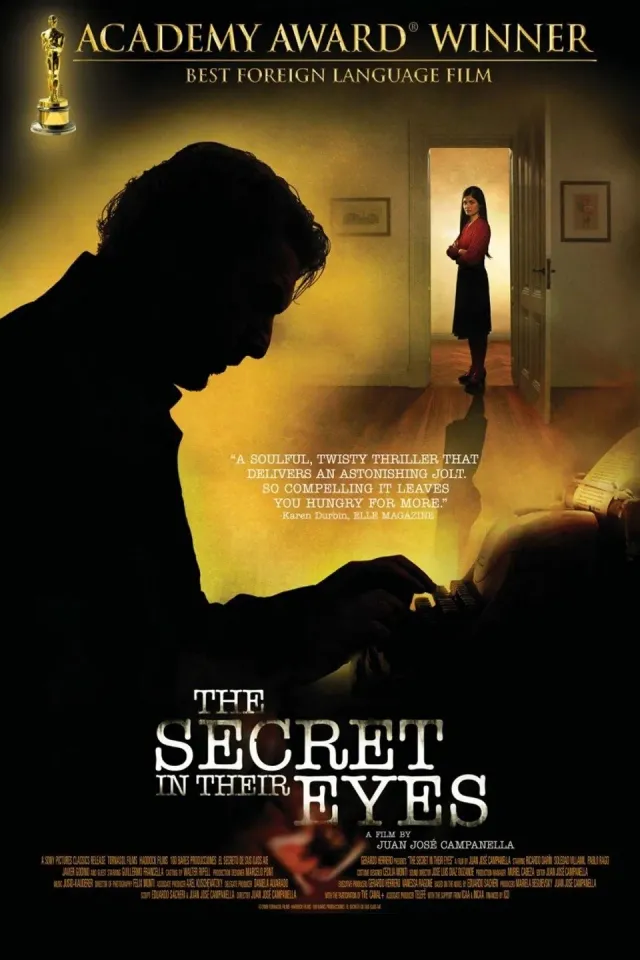
Retired legal investigator Benjamín Espósito begins writing about a rape and murder case that has haunted him for decades. Reconstructing the investigation takes him back to 1970s Argentina, where he worked with his superior Irene and encountered Ricardo Morales, the victim's grieving husband. The search for the killer was shaped by institutional corruption and the political climate, while Benjamín's restrained feelings for Irene remained unresolved. In the present, details that seemed settled become newly uncertain as memory and evidence are tested against one another. Benjamín's decision to revisit the case is not only professional: the act of writing forces him to confront what he has avoided in both the investigation and his personal life.
The episodic assassination mission gradually becomes an inquiry into the consequences of retaliation, with each target bringing new uncertainty instead of closure.
Why this matches +
These films explore a related idea in a different setting, genre or style.
An adjacent discovery: a related idea with a different viewing experience.
Genres: Drama / Thriller
Shared film traits
Based on recorded story, mood and style. Your preferences can change the order.
What changes Its own story: The episodic assassination mission gradually becomes an inquiry into the consequences of retaliation, with each target bringing new uncertainty instead of closure.
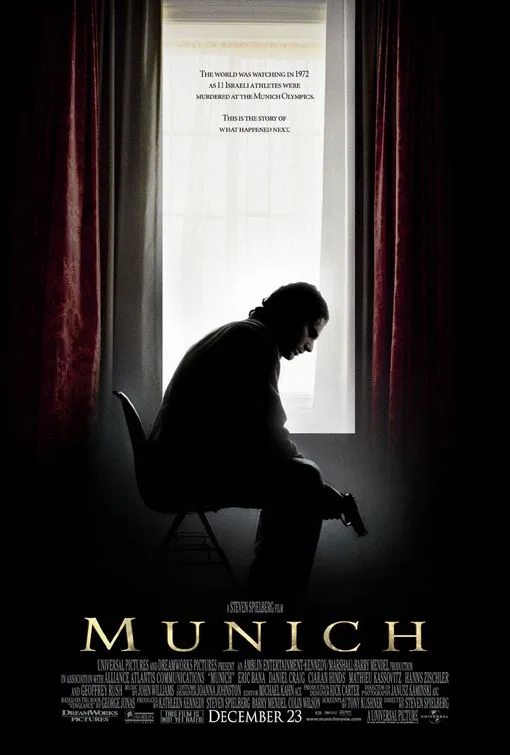
After the 1972 Munich massacre, Mossad agent Avner is assigned to lead an unofficial team tasked with killing Palestinians identified as involved. The small group follows targets across Europe using information from a French intermediary, but each operation raises questions about civilian deaths, intelligence reliability and the morality of retaliation. Avner's wife gives birth as the mission continues, and his team's arguments grow sharper after a safe-house encounter with a PLO member. The effort to reach Ali Hassan Salameh exposes the team's vulnerability and leaves Avner uncertain that violence can restore security.
Escalating persecution reduces a musician's social world to unstable shelters and practical survival, with each reprieve exposing dependence on another person's risk or restraint.
Why this matches +
These films explore a related idea in a different setting, genre or style.
An adjacent discovery: a related idea with a different viewing experience.
Genres: Drama / Biography
Shared film traits
Based on recorded story, mood and style. Your preferences can change the order.
What changes Its own story: Escalating persecution reduces a musician's social world to unstable shelters and practical survival, with each reprieve exposing dependence on another person's risk or restraint.
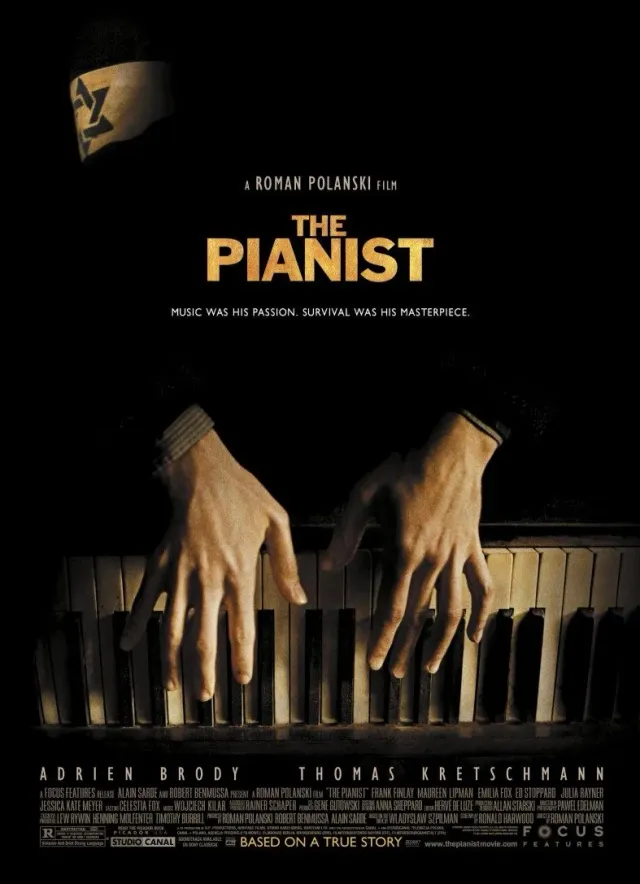
Polish Jewish musician Władysław Szpilman watches the Nazi occupation of Warsaw progressively strip his family of livelihood, movement and safety. Separated from them during deportation, he survives through forced labour, help from acquaintances and prolonged hiding in a city being destroyed around him. Music remains part of his identity, but endurance depends on contingent aid and temporary shelter rather than the protection professional distinction might once have promised.
Playwright Lillian Hellman recalls her close friend Julia, whose anti-fascist work takes her into danger in Europe. In the film, Julia asks Hellman to carry money through Nazi Germany, a mission performed with limited information and little control over its outcome. Hellman’s earlier dependence on the older friend gives the journey emotional weight, but the brief reunion cannot restore their former intimacy or verify what became of Julia. The story is adapted from Hellman’s memoir Pentimento, whose account was challenged after publication; Muriel Gardiner said she recognized her own life in Julia, while Hellman denied that identification. The film’s elegant suspense therefore sits inside an unresolved question of memory and source identity, not a fully verified biography of a resistance courier.
What drives the story
The courier mission follows Hellman’s remembered relationship rather than a conventional resistance network plot. Its partial instructions keep the viewer close to her uncertainty while limiting what the story can establish about the organization behind the request.
The people at its centre
Hellman’s admiration and dependence shape how Julia appears: formidable, secretive and increasingly inaccessible. Their reunion allows affection but not full explanation, preserving the gap between the friend remembered and the person the film cannot recover.
What it feels like
Retrospective narration and carefully staged stations, borders and meetings turn political danger into controlled suspense. The film’s polished recollection can make uncertain memoir feel settled, so the framing itself needs attention.
Worth knowing
Gardiner’s claim and Hellman’s denial remain part of the work’s contested reception. Describe this as a film adaptation of Hellman’s account; do not use its dramatic detail as independent proof that Julia existed exactly as presented.