A short span between arrest and death is expanded into a sequence of trial, punishment and witnesses, with intermittent memories of earlier teaching.
Why this matches +
Selected for the central appeal: Spiritual dramas about faith, sacrifice and the tension between human desire and religious duty.
Genres: Drama / Biography
Shared film traits
Based on recorded story, mood and style. Your preferences can change the order.
War and civilian life
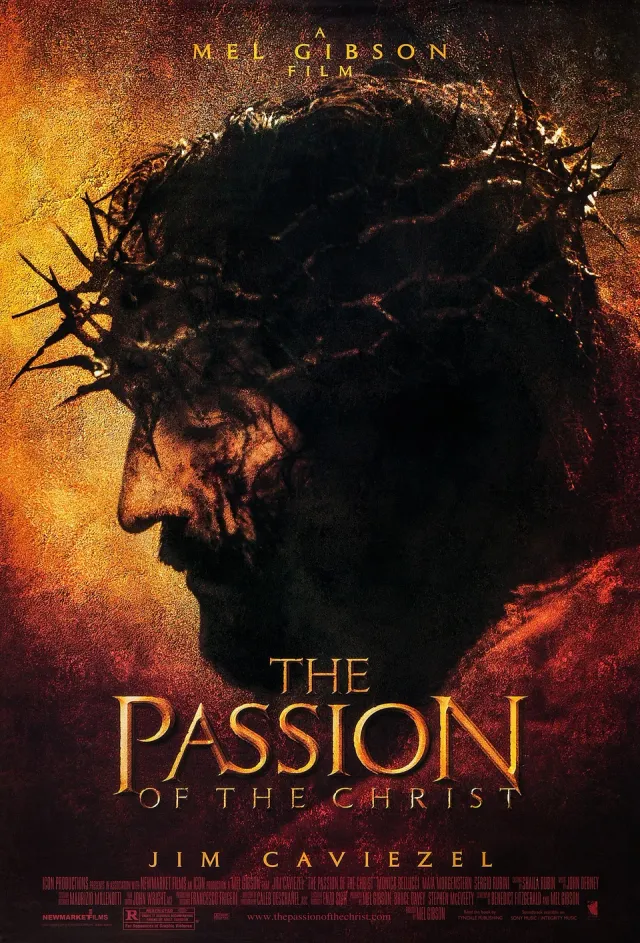
What changes The Passion of the Christ focuses on Jesus's arrest and crucifixion as a religious drama.
Set during Passover, the film follows Jesus from prayer in Gethsemane through Judas’s betrayal, arrest, interrogation and condemnation by Roman authorities, ending with his crucifixion and a brief resurrection image. Mary, Mary Magdalene and the disciples witness the escalating punishment, while flashbacks to Jesus’s teaching and earlier life interrupt the ordeal. Mel Gibson draws on the canonical Gospels and devotional visions associated with Anne Catherine Emmerich, blending sources into a highly graphic theological interpretation. The film gives sustained attention to physical suffering rather than a broad account of Jesus’s ministry, and its allocation of blame between Roman authorities and Jewish leaders has prompted longstanding debate about anti-Jewish framing.
Well-known episodes provide the film’s structure and build toward a culmination centered on sacrifice.
Why this matches +
Selected for the central appeal: Spiritual dramas about faith, sacrifice and the tension between human desire and religious duty.
Genres: Drama
Shared film traits
Based on recorded story, mood and style. Your preferences can change the order.
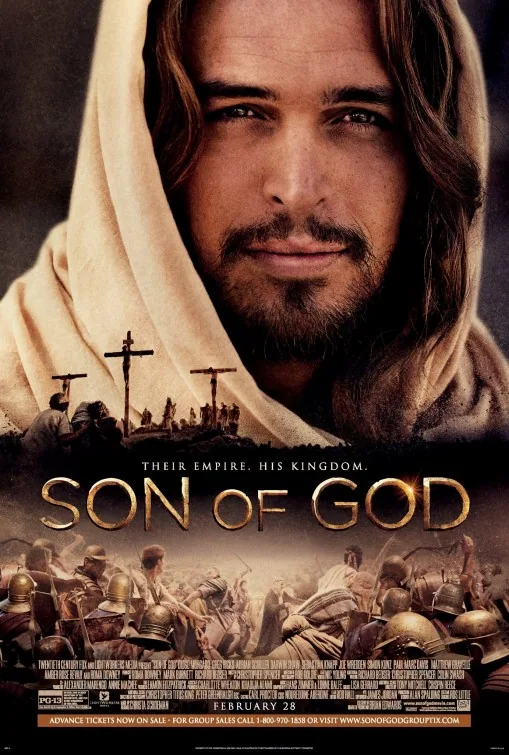
What changes Son of God dramatizes the life and ministry of Jesus through a more conventional biblical narrative.
A retelling of Jesus’s life follows his ministry, relationships with disciples, conflict with Roman authority and final days in Jerusalem. The film emphasizes recognizable Gospel episodes and the emotional bonds around the central figure, framing familiar events as a large-scale devotional drama. Its episodic progression gives viewers a broad narrative of faith, sacrifice and community rather than a narrow historical investigation.
The treaty puts the mission’s survival at stake; the clergy and community must decide how to respond before Portuguese forces arrive.
Why this matches +
These offer a related experience with a meaningful difference in story, tone, or presentation.
An adjacent discovery: a related idea with a different viewing experience.
Genres: Drama / Historical
Shared film traits
Based on recorded story, mood and style. Your preferences can change the order.
Political resistance
What changes The Mission examines faith, sacrifice and conflicting responses to violence within a religious community.
In eighteenth-century South America, mercenary and slave trader Rodrigo Mendoza enters Jesuit territory after a personal tragedy and eventually seeks atonement among the Guaraní people he once exploited. Jesuit Father Gabriel has built a mission where the community lives under growing threat from colonial authorities. When a treaty transfers the territory from Spain to Portugal, both the missionaries and Guaraní face the prospect of enslavement or expulsion. Mendoza and Gabriel disagree over whether to defend the mission through force or spiritual resistance. Roland Joffé’s drama turns a colonial political crisis into a moral conflict between two forms of action.
Religious differences divide a farming family and neighboring households until a domestic crisis demands a response beyond argument.
Why this matches +
These offer a related experience with a meaningful difference in story, tone, or presentation.
An adjacent discovery: a related idea with a different viewing experience.
Genres: Drama
Shared film traits
Based on recorded story, mood and style. Your preferences can change the order.
What changes Ordet explores faith, doubt and the possibility of divine intervention through a contemplative family drama.
On a Danish farm, Morten Borgen and his sons disagree about religion, reason and family obligations. One son believes himself to be Jesus, another has lost his faith, and the youngest hopes to marry a woman whose father follows a rival religious community. As disputes over belief intersect with illness and childbirth, the family faces a crisis that tests what faith means to each of them.
Shared characteristics
Mood: Contemplative
Genre: Drama
Poster: Film rights holders; original promotional poster documented by Wikipedia · Image source
A delayed encounter with death creates a finite journey in which a search for certainty competes with the practical possibility of protecting others.
Why this matches +
These offer a related experience with a meaningful difference in story, tone, or presentation.
An adjacent discovery: a related idea with a different viewing experience.
Genres: Fantasy / Drama
Shared film traits
Based on recorded story, mood and style. Your preferences can change the order.
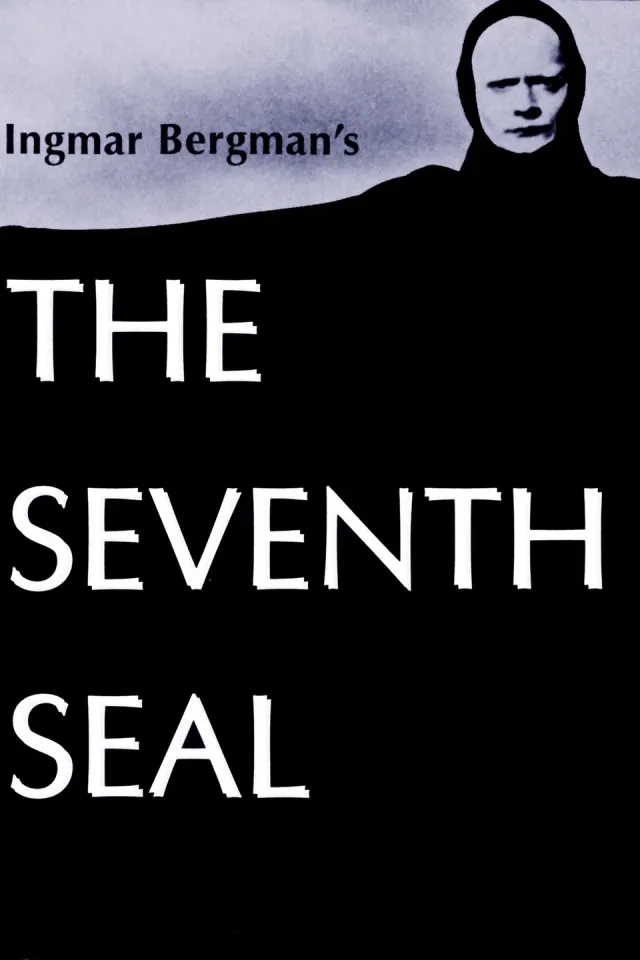
What changes The Seventh Seal follows a man questioning faith and mortality amid suffering.
A knight returning from the Crusades encounters Death in a country devastated by plague and proposes a chess game to postpone his end. Travelling with a sceptical squire, he searches for evidence of divine presence among fear, cruelty and ordinary acts of care. A family of travelling performers offers a form of fragile happiness that shifts the value of the remaining time from obtaining an answer toward making one useful intervention.
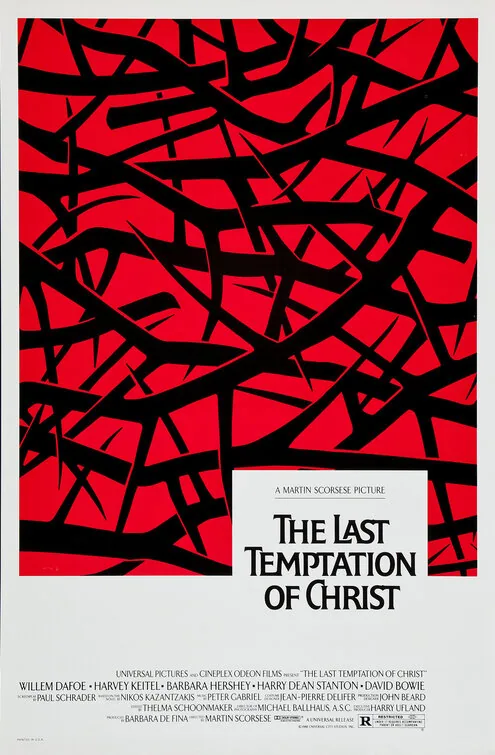
Jesus, a carpenter in Roman-ruled Judea, is pulled between ordinary human fear and a growing conviction that his life has a divine purpose. Judas first sees him as a collaborator with the occupiers, then becomes an uneasy ally as Jesus gathers followers and turns toward Jerusalem. The film follows the ministry through miracles, conflict with authorities and the decision that leads to crucifixion; there, an apparent rescue imagines the family life Jesus might have had before revealing the cost of that escape. Martin Scorsese’s adaptation of Nikos Kazantzakis’s novel is a fictional spiritual inquiry, not a literal retelling of the Gospels.
What drives the story
The struggle is internal: Jesus’ compassion and fear coexist, while Judas’s demand for political resistance forces the question of what kind of Messiah he will be.
The people at its centre
Judas moves from would-be executioner to confidant charged with a painful act of loyalty. Jesus’ bond with Mary Magdalene and the Bethany sisters makes the imagined alternative feel personal rather than abstract.
What it feels like
A long, physically grounded religious drama with urgent preaching, desert imagery and an intimate, unsettling final movement. It invites interpretation instead of offering a devotional account.
Worth knowing
For viewers open to a challenging film about faith, embodiment and sacrifice. Its deliberate fictional premise and sexual temptation material distinguish it from reverent biblical epics; its portrayal of Jesus is not a claim about Gospel text.
Faith and desireHuman vulnerabilitySacrifice
Mood
Contemplative · Agonized · Provocative
Pacing
Ministry and temptation · Crucifixion climax
Visual style
Earthy biblical-era imagery · Desert and city contrasts
Storytelling
Messianic calling · Imagined alternate life · Roman occupation