Explore films connected to Tess through Class and inheritance, Gender and power, Fate and agency. Choose the qualities you want to carry into your next watch.
What should feel similar?
Find your next favourite
9 films · Closest overall matches
Hide films you’ve seen or don’t want. Saved on this device.
No matches for this combination yet.
Try another option or reset your choices to see more films.
Based on recorded story, mood and style. Your preferences can change the order.
What changes Tess is tagged lyrical and somber; Places in the Heart is tagged sober and resilient.
In Depression-era Texas, widowed Edna Spalding tries to keep her farm after her husband's death. She hires a blind boarder and a Black laborer, whose work and differing circumstances become central to the household's survival through a difficult season. Their practical cooperation unfolds against racism, economic insecurity and family grief, giving the farm's struggle a wider view of interdependence in a small community.
Based on recorded story, mood and style. Your preferences can change the order.
Romance and intimacy · Family and care
Expect restrained and somber, with measured and chamber-like pacing.
Arthur, a New York attorney, tells his wife Eve that he wants to separate and begin a different life. Their three adult daughters respond in different ways: Renata, a poet, feels caught between sympathy for her mother and concern for her father; Joey struggles with her own direction; and Flyn is often away working as an actress. When Arthur returns from a trip with Pearl, a warm and outgoing woman unlike Eve, the family must confront grief, resentment, and the emotional distance that has long shaped their home.
Based on recorded story, mood and style. Your preferences can change the order.
Social hierarchy · Romance and intimacy
What changes Tess: measured, seasonal progression, character-led and tragic culmination. Passing: a chance meeting renews the women’s friendship, clare enters irene’s social world and and shifting loyalties raise the risks of exposure..
In 1920s New York, Irene Redfield encounters Clare Bellew, a childhood friend who has been living as white. Their renewed connection draws Clare back into Harlem society and into Irene’s household, while Irene becomes increasingly unsettled by Clare’s presence. Rebecca Hall’s adaptation follows the social codes, private desires and racial dangers that shape what each woman can reveal.
Based on recorded story, mood and style. Your preferences can change the order.
Social hierarchy · Family and care
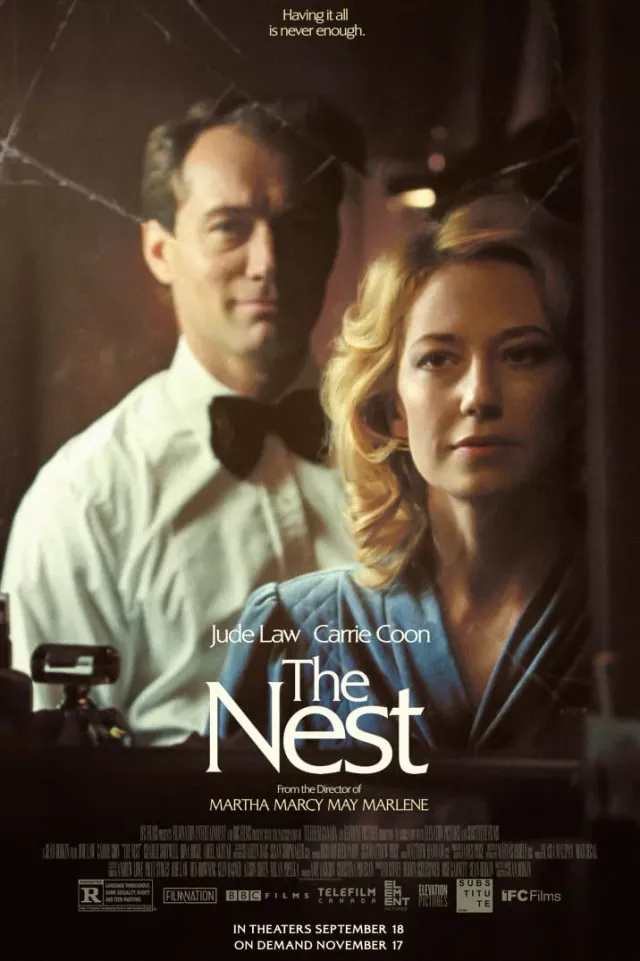
What changes Tess: measured, seasonal progression, character-led and tragic culmination. The Nest: measured domestic episodes, gradual financial revelations, tension accumulates through routine and quiet unresolved aftermath.
In the late 1980s, trader Rory O’Hara persuades his American family to leave New York for a grand Surrey manor, promising that a return to London will revive his career. His wife Allison tries to build a horse farm and maintain a home for their children, but unpaid bills, stalled renovations, and Rory’s social ambitions expose how precarious their new life is. Sean Durkin’s slow-burn family drama watches a marriage strain under class performance, financial instability, and the gap between appearance and security.
Based on recorded story, mood and style. Your preferences can change the order.
Expect reflective and somber, with nonlinear and measured pacing.
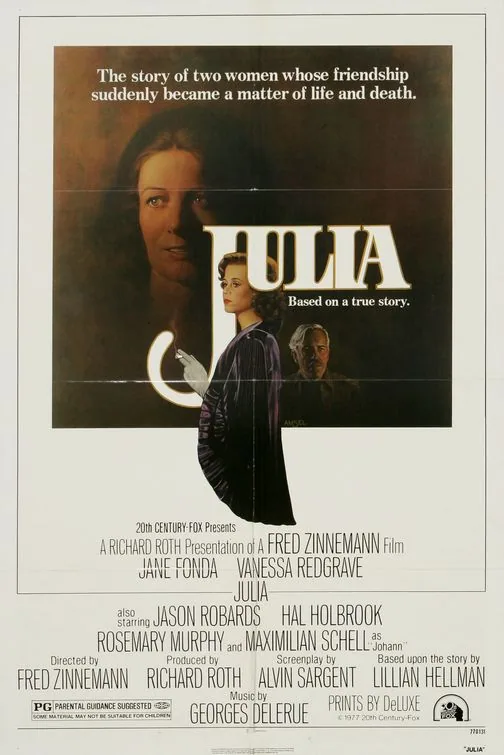
Playwright Lillian Hellman recalls her close friend Julia, whose anti-fascist work takes her into danger in Europe. In the film, Julia asks Hellman to carry money through Nazi Germany, a mission performed with limited information and little control over its outcome. Hellman’s earlier dependence on the older friend gives the journey emotional weight, but the brief reunion cannot restore their former intimacy or verify what became of Julia. The story is adapted from Hellman’s memoir Pentimento, whose account was challenged after publication; Muriel Gardiner said she recognized her own life in Julia, while Hellman denied that identification. The film’s elegant suspense therefore sits inside an unresolved question of memory and source identity, not a fully verified biography of a resistance courier.
Based on recorded story, mood and style. Your preferences can change the order.
Expect somber and contemplative, with episodic and measured pacing.
A donkey named Balthazar begins life as a cherished companion to Marie, a farmer’s daughter, before passing through the hands of different owners. Marie’s own fortunes change as family conflict and the cruelty of a local youth draw her away from childhood. Their parallel experiences trace tenderness, exploitation and suffering through a rural community without giving either an easy escape.
Shared characteristics
Mood: Somber
Pacing: Measured
Genre: Drama
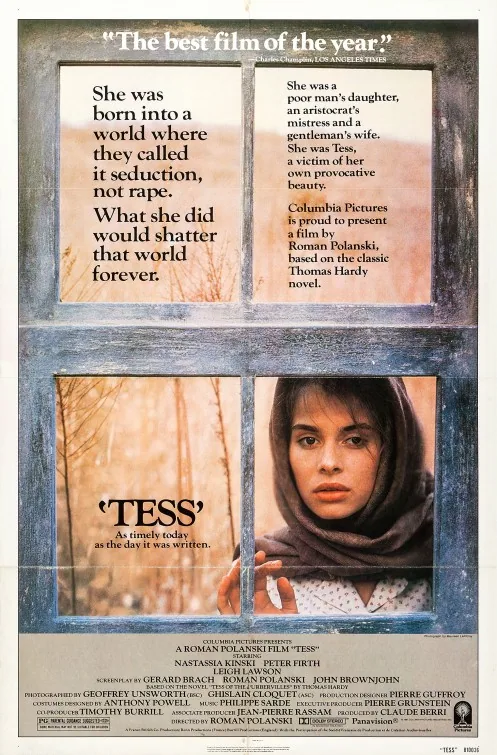
Poster: Film rights holders; original promotional poster documented by Wikipedia · Image source
Based on recorded story, mood and style. Your preferences can change the order.
Social hierarchy · Family and care
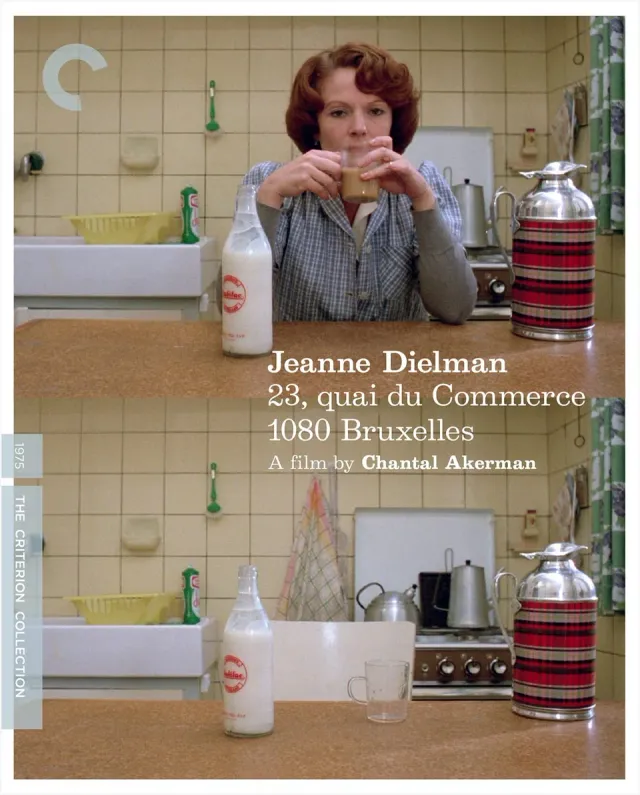
What changes Tess: measured, seasonal progression, character-led and tragic culmination. Jeanne Dielman, 23 quai du Commerce, 1080 Bruxelles: slow, repetitive and deliberate.
For several days in Brussels, widowed Jeanne Dielman moves through a carefully repeated schedule of cooking, cleaning, shopping and caring for her teenage son. She also receives a client at home each afternoon, fitting that work into the same disciplined routine. Small disruptions accumulate—a meal overcooks, an errand goes wrong, a task slips—until the rituals that structure her life no longer hold. The drama stays close to ordinary time and domestic labor.
Based on recorded story, mood and style. Your preferences can change the order.
Expect lyrical and somber, with episodic and measured pacing.
A man remembers childhood in a Welsh mining family before changes in work and landscape dissolved the world he knew. Wage conflict divides his father from older brothers, while schooling, romance and religious gossip expose other hierarchies inside a community he still loves. Injuries and departures accumulate beneath the warmth of song and family ritual. The drama makes recollection both a shelter and an admission of loss, presenting industrial change through the child who cannot yet understand every pressure shaping the adults around him.
Based on recorded story, mood and style. Your preferences can change the order.
Expect romantic and distressing, with measured and escalating pacing.
Lily Bloom builds an independent life in Boston and enters a relationship with neurosurgeon Ryle Kincaid, whose charm gradually gives way to troubling patterns of anger and control. When Lily reconnects with Atlas, a figure from her past, she must make decisions about safety, love and the family she hopes to create. The adaptation treats romantic ideals as complicated by the lived experience of abuse and by the effort to break a cycle.
In rural Wessex in the 1880s, Tess Durbeyfield is sent by her poor family to seek help from wealthy people who share their supposed ancestral name. Her encounter with Alec d’Urberville brings unwanted attention and a lasting rupture in her prospects. Tess later finds work as a dairymaid, falls in love with Angel Clare, and hopes that honesty can give them a future together. Class prejudice, family need, and the double standards governing women continue to shape her choices, turning the pastoral landscape into the setting for an increasingly tragic struggle over dignity and self-determination.
What drives the story
Tess’s family turns a disputed ancestral connection into a plan for security, placing her in a social world that values her chiefly for usefulness.
The people at its centre
Her relationship with Angel offers hope but also exposes how unequal standards of sexual history and reputation shape their choices.
What it feels like
The film’s expansive landscapes contrast with the narrow social options available to Tess as the plot moves through work and romance.
Worth knowing
This is a faithful-feeling literary tragedy about class and gendered judgment, not a simple pastoral romance.
Class and inheritanceGender and powerFate and agency