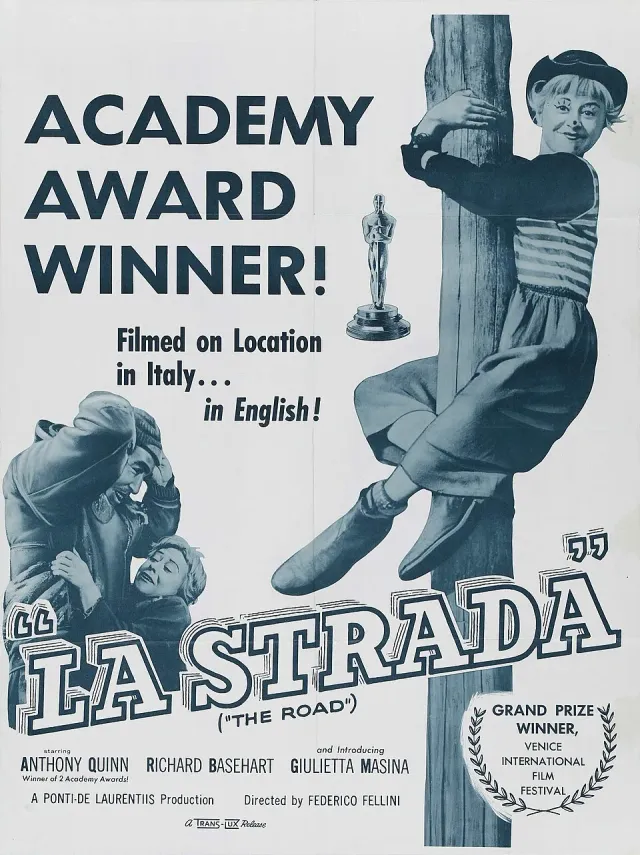
The road performances provide the story’s structure, but Gelsomina’s dependence on Zampanò limits her alternatives. The Fool’s claim that every object has a purpose offers meaning, not a practical escape from abuse.
Why this matches +
These films share important themes, atmosphere or storytelling interests with this selection.
Genres: Drama
Shared film traits
Based on recorded story, mood and style. Your preferences can change the order.
What changes Its own story: The road performances provide the story’s structure, but Gelsomina’s dependence on Zampanò limits her alternatives. The Fool’s claim that every object has a purpose offers meaning, not a practical escape from abuse.
Poor Gelsomina is sold by her mother to Zampanò, a traveling strongman who takes her on the road as his assistant. His cruelty and her isolation become more visible when the Fool offers her a different account of what her companionship might mean. Gelsomina remains attached to the idea that she has a purpose, but the film does not grant her equal power to choose the life she is enduring. Zampanò abandons her after rejecting that bond, and only later recognizes the loss. Fellini’s fable uses circus performance and spiritual language to make tenderness feel possible, while its ending risks framing a woman’s suffering as a service that transforms an abusive man. Grief is not retroactive consent, redemption or proof that she had to stay.
Daily needs and modest hopes shape a family's life while children discover possibilities beyond its immediate limits.
Why this matches +
These films share important themes, atmosphere or storytelling interests with this selection.
Genres: Drama
Shared film traits
Based on recorded story, mood and style. Your preferences can change the order.
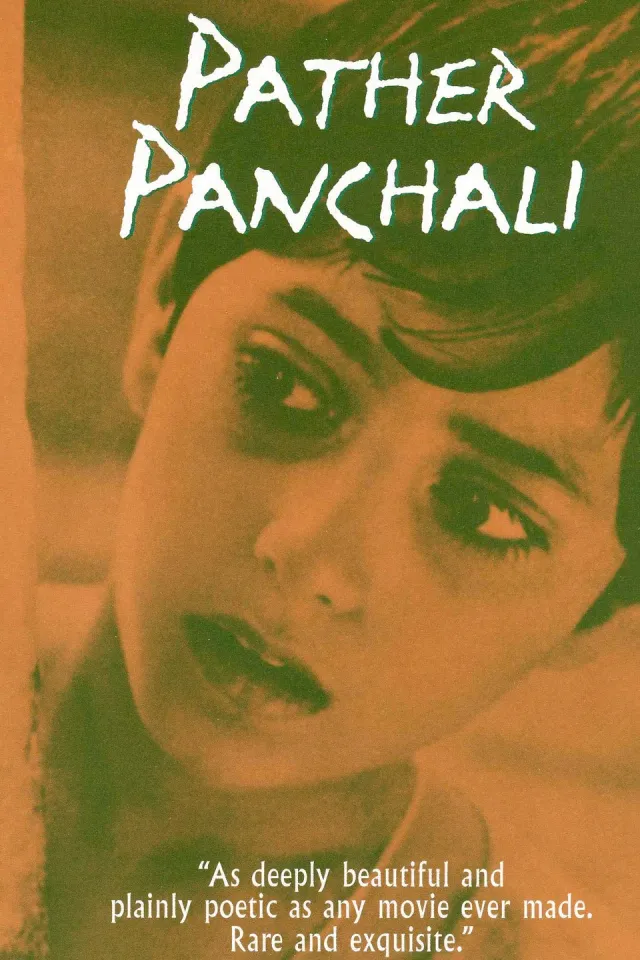
What changes Its own story: Daily needs and modest hopes shape a family's life while children discover possibilities beyond its immediate limits.
A boy grows up in a poor rural Bengali household with an older sister whose curiosity guides his encounters with the wider world. Their mother's daily effort to keep the family together contrasts with their father's hopes for work and advancement. Small discoveries, family tensions and material insecurity unfold through changing seasons, allowing wonder and loss to emerge from the same ordinary surroundings.
A stolen work tool turns an ordinary first day into a search whose failure threatens a family's fragile income and the father's self-respect.
Why this matches +
These films share important themes, atmosphere or storytelling interests with this selection.
Genres: Drama / Art
Shared film traits
Based on recorded story, mood and style. Your preferences can change the order.
What changes Its own story: A stolen work tool turns an ordinary first day into a search whose failure threatens a family's fragile income and the father's self-respect.
A father in postwar Rome finally obtains work that depends on owning a bicycle, only to have it stolen at the beginning of the job. Searching the city with his young son reveals how little protection formal authority and community can offer against material desperation. Each failed lead narrows his options, exposing the pressure poverty places on the identity he hopes to maintain in front of a child who still depends on him.
A pre-vow family visit becomes a search for concealed wartime deaths, unsettling two women’s different ways of living with history and choosing a future. Wanda’s investigation and Ida’s vocation meet at family graves but lead to different future choices.
Why this matches +
These films share important themes, atmosphere or storytelling interests with this selection.
Genres: Drama
Shared film traits
Based on recorded story, mood and style. Your preferences can change the order.
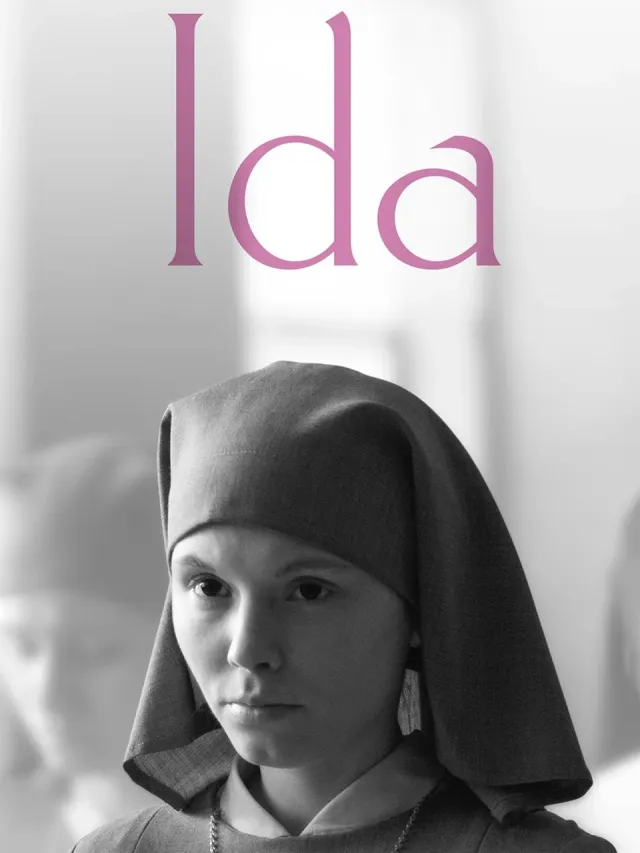
What changes Its own story: A pre-vow family visit becomes a search for concealed wartime deaths, unsettling two women’s different ways of living with history and choosing a future. Wanda’s investigation and Ida’s vocation meet at family graves but lead to different future choices.
Before taking religious vows, novice Anna visits her only surviving relative, Wanda, and learns that she was born Jewish and given a different name. Their journey to locate the remains of family members killed during the occupation leads to difficult questions about local violence, survival and what can be recovered from silence. Wanda’s political past and grief shape one response; Ida’s quiet discipline and uncertainty shape another. Their discoveries do not produce a simple replacement identity or a single verdict on Poland. The film’s black-and-white, nearly square compositions make its sparse spaces and withheld information part of the historical tension, not merely an elegant style.
Each attempt Antoine makes to escape school or home brings a stronger institutional response, until running toward the sea becomes the only freedom he can claim.
Why this matches +
These films share important themes, atmosphere or storytelling interests with this selection.
Genres: Drama / Coming-of-age
Shared film traits
Based on recorded story, mood and style. Your preferences can change the order.
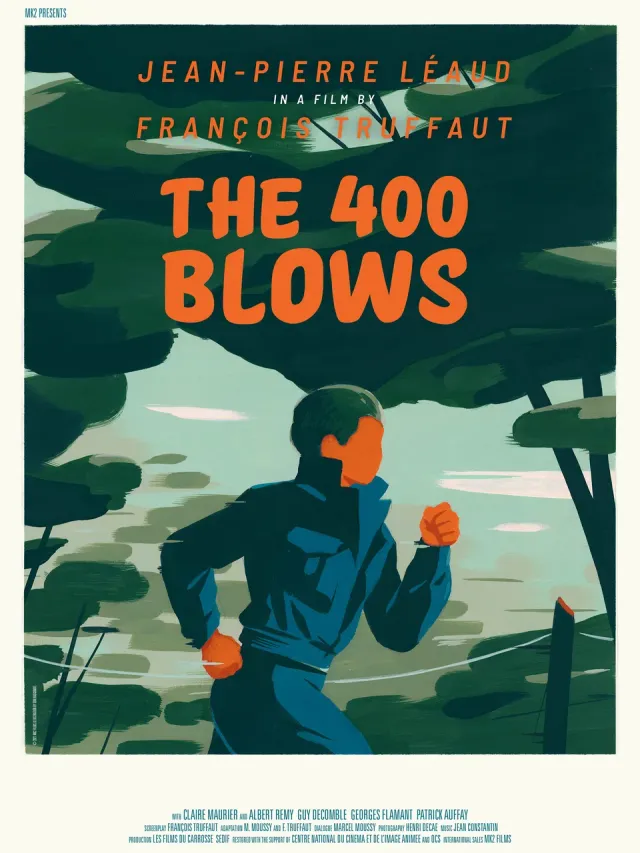
What changes Its own story: Each attempt Antoine makes to escape school or home brings a stronger institutional response, until running toward the sea becomes the only freedom he can claim.
Antoine Doinel grows up in Paris feeling unwanted at home and misunderstood at school. Small acts of defiance, including truancy and a failed attempt to sell a stolen typewriter, draw him deeper into conflict with the adults who supervise him. His parents send him to a youth observation center, where a rare interview lets him speak about his life without interruption. Antoine escapes and runs toward the sea he has never seen, ending the film alone at the shoreline. The story follows a child's search for space and recognition rather than a neat reform narrative.
Personal crises among a worker and her employers reveal the unequal labour sustaining a shared household.
Why this matches +
These films explore a related idea in a different setting, genre or style.
An adjacent discovery: a related idea with a different viewing experience.
Genres: Drama
Shared film traits
Based on recorded story, mood and style. Your preferences can change the order.
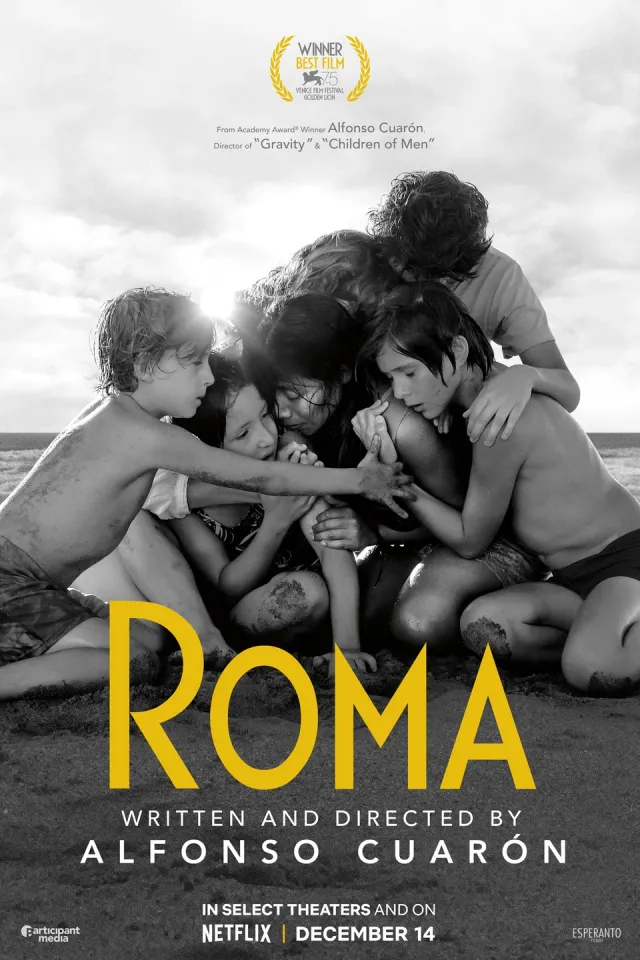
What changes Its own story: Personal crises among a worker and her employers reveal the unequal labour sustaining a shared household.
A domestic worker cares for a middle-class family in Mexico City while her own relationship exposes her to abandonment and uncertainty. Changes in the employers' marriage unfold alongside her pregnancy and the political tensions surrounding the household. Work, affection and class hierarchy remain inseparable as she supports children whose dependence on her does not erase the unequal conditions of their bond.
A visit by elderly parents exposes the distance between generations as their adult children balance affection with urban routines and obligations.
Why this matches +
These films explore a related idea in a different setting, genre or style.
An adjacent discovery: a related idea with a different viewing experience.
Genres: Drama
Shared film traits
Based on recorded story, mood and style. Your preferences can change the order.
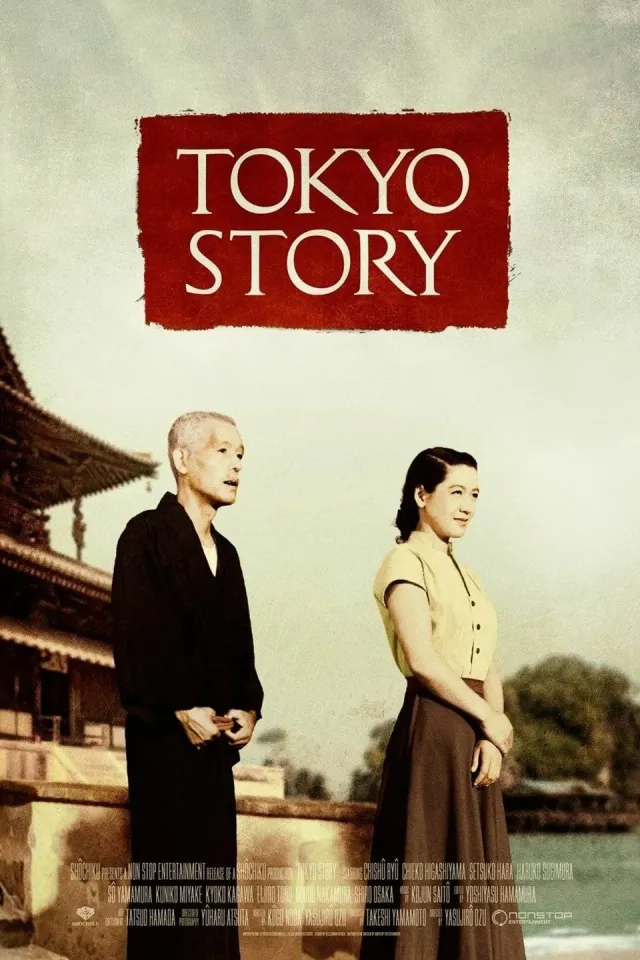
What changes Its own story: A visit by elderly parents exposes the distance between generations as their adult children balance affection with urban routines and obligations.
An aging couple, Shukichi and Tomi Hirayama, travel from their coastal town to Tokyo to visit their adult children and grandchildren. Their son and daughter are busy with work and family, and arrange a brief trip to a seaside resort rather than spending much time with them. Noriko, the widow of their deceased son, treats the couple with particular kindness despite her own modest life. When Tomi becomes ill, the family’s attentions reveal different forms of affection, duty and regret. Ozu follows these changes through small domestic gestures rather than dramatic confrontations. The visit’s short duration turns small family accommodations into signs of affection, impatience and regret.
An adult revisits family memories and a sibling's death while the film places his private grief beside an immense cosmic history.
Why this matches +
These films explore a related idea in a different setting, genre or style.
An adjacent discovery: a related idea with a different viewing experience.
Genres: Drama / Coming-of-age
Shared film traits
Based on recorded story, mood and style. Your preferences can change the order.
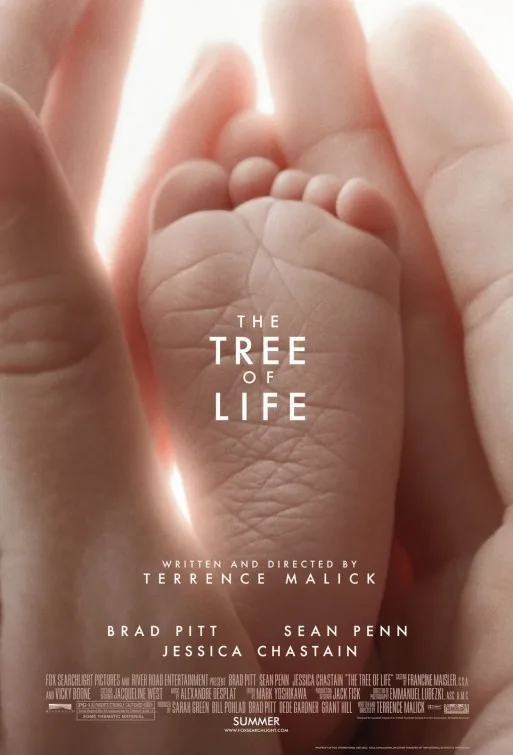
What changes Its own story: An adult revisits family memories and a sibling's death while the film places his private grief beside an immense cosmic history.
Adult Jack reflects on his childhood in 1950s Texas, where his mother's warmth and his father's strict, ambitious parenting shaped his ideas about love and power. The memory of a family loss runs through his recollections, making ordinary moments of play, discipline and sibling rivalry feel charged with questions he could not answer as a child. The film moves between Jack's present, fragmented family memories and vast images of the universe's origins, placing private grief beside the scale of creation. Rather than offer a single explanatory account of the past, it lets images, music and recurrence carry much of the emotional argument. Jack's adult search is for a way to hold anger, love and absence together.
A string of unexplained injuries and acts of damage exposes a village where adult authority depends on fear and punishment.
Why this matches +
These films explore a related idea in a different setting, genre or style.
An adjacent discovery: a related idea with a different viewing experience.
Genres: Drama / Historical
Shared film traits
Based on recorded story, mood and style. Your preferences can change the order.
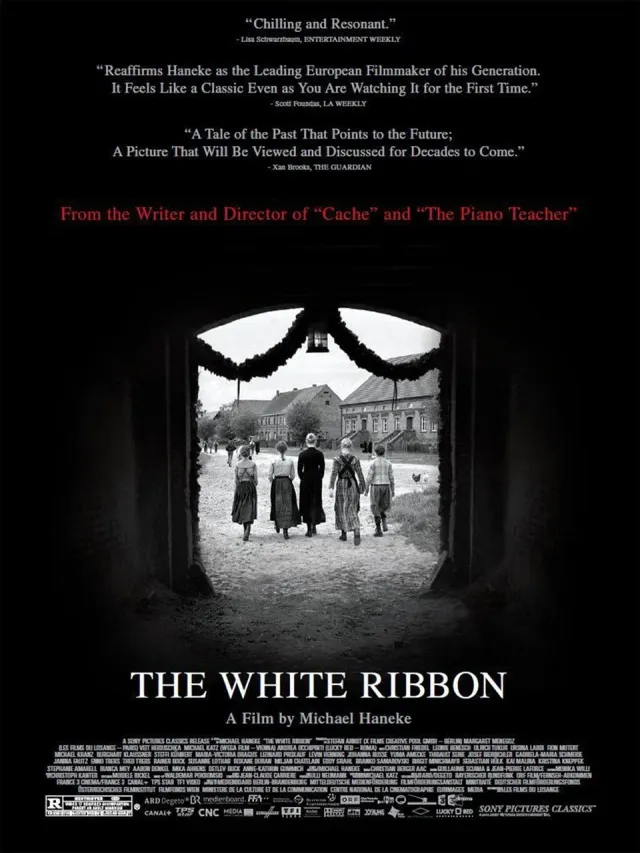
What changes Its own story: A string of unexplained injuries and acts of damage exposes a village where adult authority depends on fear and punishment.
In a Protestant village in northern Germany shortly before World War I, a doctor is injured when his horse trips over a wire, and a series of other disturbing incidents unsettles the community. The schoolteacher narrates events as he remembers them, including the abuse and rigid discipline imposed by adults, the baron’s household and the children’s choral group. Suspicion moves through the village, but the events are never conclusively assigned to a single culprit. The film connects private cruelty with social authority while preserving the limits of what its older narrator can know. The adults’ punishments are visible, while the identities and motives behind the attacks remain uncertain.
A delayed encounter with death creates a finite journey in which a search for certainty competes with the practical possibility of protecting others.
Why this matches +
These films explore a related idea in a different setting, genre or style.
An adjacent discovery: a related idea with a different viewing experience.
Genres: Fantasy / Drama
Shared film traits
Based on recorded story, mood and style. Your preferences can change the order.
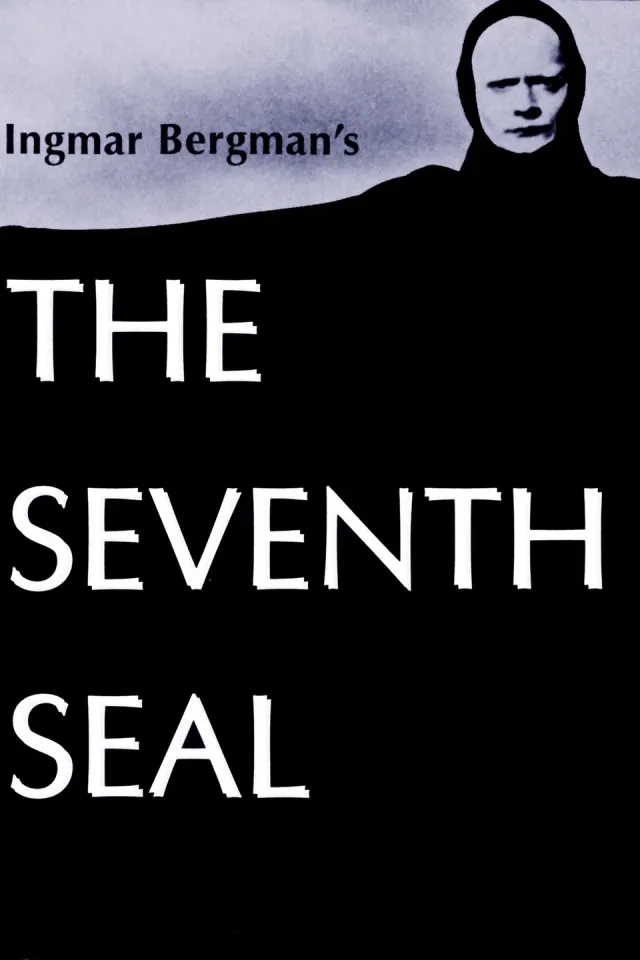
What changes Its own story: A delayed encounter with death creates a finite journey in which a search for certainty competes with the practical possibility of protecting others.
A knight returning from the Crusades encounters Death in a country devastated by plague and proposes a chess game to postpone his end. Travelling with a sceptical squire, he searches for evidence of divine presence among fear, cruelty and ordinary acts of care. A family of travelling performers offers a form of fragile happiness that shifts the value of the remaining time from obtaining an answer toward making one useful intervention.
A precarious household takes in a neglected child and forms a family through care and theft.
Why this matches +
These films explore a related idea in a different setting, genre or style.
An adjacent discovery: a related idea with a different viewing experience.
Genres: Drama / Crime
Shared film traits
Based on recorded story, mood and style. Your preferences can change the order.
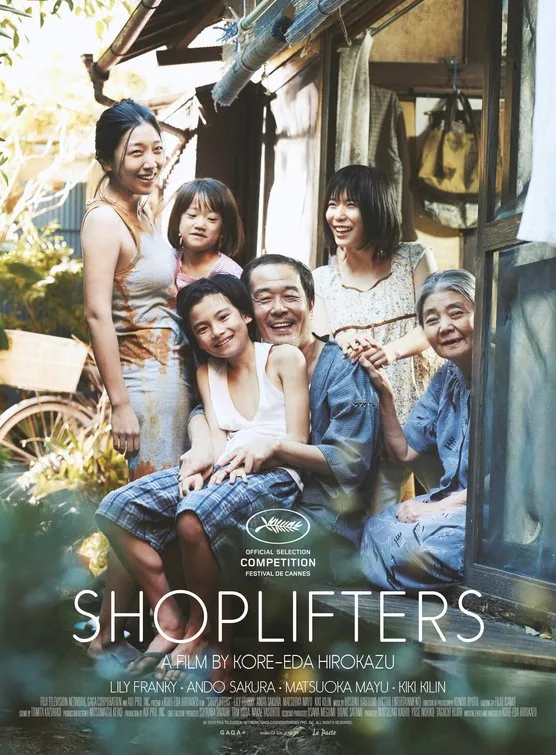
What changes Its own story: A precarious household takes in a neglected child and forms a family through care and theft.
A poor Tokyo household survives through a mix of informal work and petty theft, with adults Osamu and Nobuyo caring for children who have limited security elsewhere. When the family brings a neglected young girl into their home, ordinary routines deepen into attachment and questions about who counts as family. Hirokazu Kore-eda's drama observes tenderness alongside ethical uncertainty, gradually revealing the histories and choices that hold the household together.
The court uses questioning, deception and threat to make Joan renounce her mission; her recantation and withdrawal shape the movement toward execution.
Why this matches +
These films explore a related idea in a different setting, genre or style.
An adjacent discovery: a related idea with a different viewing experience.
Genres: Drama / Silent
Shared film traits
Based on recorded story, mood and style. Your preferences can change the order.
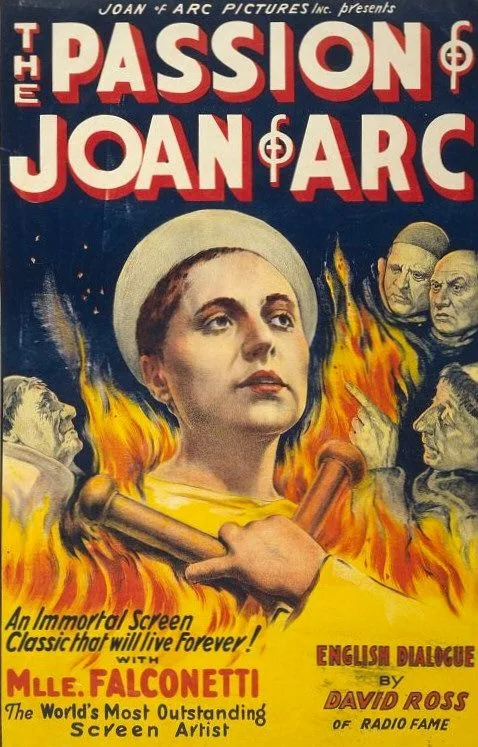
What changes Its own story: The court uses questioning, deception and threat to make Joan renounce her mission; her recantation and withdrawal shape the movement toward execution.
Captured near Compiègne, Joan of Arc is brought before a clerical court in Rouen, where judges loyal to the English seek to discredit her claim that God called her to drive the occupiers from France. Their questions move from doctrine to her visions, clothing and authority, turning the trial into a battle over who has the right to define her. Deception and threats of torture pressure Joan to sign a confession, but she later withdraws it and faces execution. Carl Theodor Dreyer compresses the historical proceedings into an intensely immediate ordeal, focusing on Joan's face and the reactions of the men judging her rather than recreating her military campaign. The film's emotional force comes from the conflict between institutional power and private conviction.
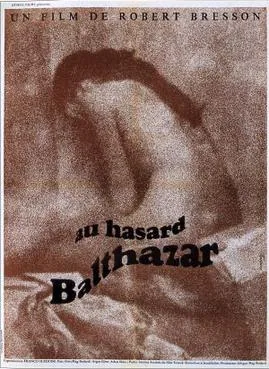
A donkey named Balthazar begins life as a cherished companion to Marie, a farmer’s daughter, before passing through the hands of different owners. Marie’s own fortunes change as family conflict and the cruelty of a local youth draw her away from childhood. Their parallel experiences trace tenderness, exploitation and suffering through a rural community without giving either an easy escape.
What drives the story
A donkey’s passage among owners parallels the hardships of the girl who once cared for him.
The people at its centre
Marie and Balthazar encounter affection and exploitation from people whose choices reveal the community’s uneven power.
What it feels like
Restrained performances and an episodic structure make ordinary acts of care or cruelty carry considerable emotional weight.
Worth knowing
This is a demanding, often painful rural drama involving animal suffering, not a comforting animal adventure.
InnocenceCrueltyCompassion
Mood
Somber · Contemplative · Spare
Pacing
Episodic · Measured
Visual style
Minimalist filmmaking · Rural landscapes
Storytelling
Animal perspective · Parallel lives · Rural community