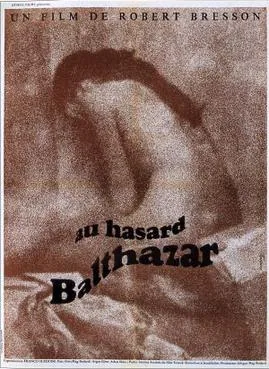
A donkey’s passage among owners parallels the hardships of the girl who once cared for him.
Why this matches +
Selected for the central appeal: Poignant films about vulnerability, suffering and empathy, including performance as a precarious livelihood.
Genres: Drama
Shared film traits
Based on recorded story, mood and style. Your preferences can change the order.
What changes Au hasard Balthazar similarly observes innocence and cruelty through a tragic, spare fable.
A donkey named Balthazar begins life as a cherished companion to Marie, a farmer’s daughter, before passing through the hands of different owners. Marie’s own fortunes change as family conflict and the cruelty of a local youth draw her away from childhood. Their parallel experiences trace tenderness, exploitation and suffering through a rural community without giving either an easy escape.
Shared characteristics
Mood: Somber
Pacing: Episodic
Pacing: Measured
Genre: Drama
Poster: Film rights holders; original promotional poster documented by Wikipedia · Image source
A rescue creates reciprocal artistic encouragement, but the younger performer's ascent exposes the older comedian's declining public and physical prospects.
Why this matches +
Selected for the central appeal: Poignant films about vulnerability, suffering and empathy, including performance as a precarious livelihood.
Genres: Drama / Comedy
Shared film traits
Based on recorded story, mood and style. Your preferences can change the order.
Music and performance
What changes Limelight follows struggling performers and finds pathos in companionship and the fragility of a life on stage.
A fading comedian interrupts a young dancer's attempt to end her life and supports her return to work. Her recovery gives him companionship and renewed faith in performance, but his own attempts to regain an audience do not follow the same trajectory. Their affection becomes difficult to distinguish from gratitude and dependence, especially when he imagines a younger partner might offer her more. The late-career drama treats artistic survival as an unequal exchange of care, with a final stage opportunity unable to undo the body's finite time.
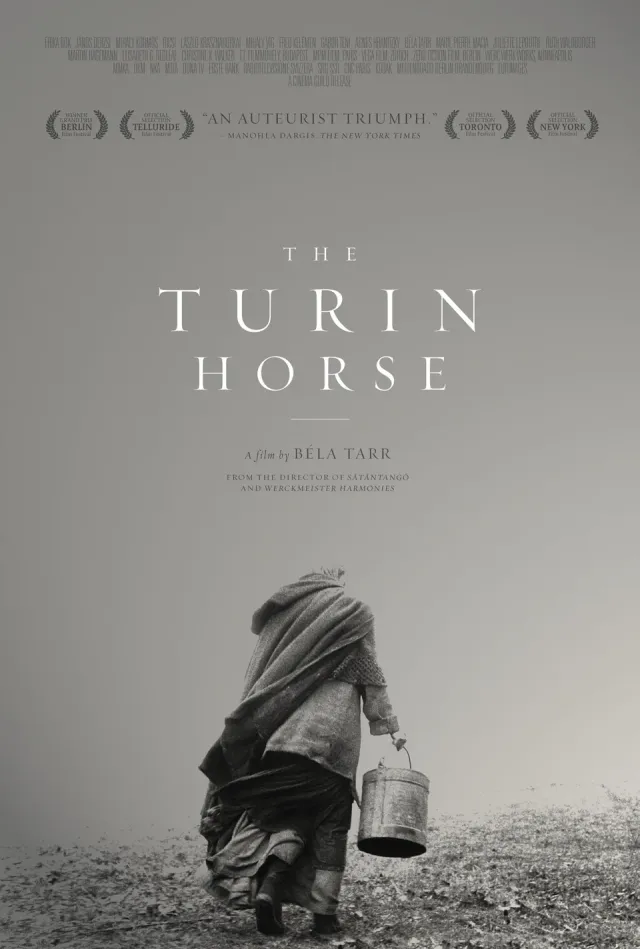
Each day repeats a small set of chores as the horse’s refusal and failing resources make the household’s existence harder to sustain.
Why this matches +
These offer a related experience with a meaningful difference in story, tone, or presentation.
An adjacent discovery: a related idea with a different viewing experience.
Genres: Drama
Shared film traits
Based on recorded story, mood and style. Your preferences can change the order.
What changes The Turin Horse shares an austere attention to hardship and an unforgiving cycle of existence.
The film begins with the story of Friedrich Nietzsche’s breakdown after embracing a horse in Turin, then follows the coachman, his daughter and the horse across six days on the Hungarian plain. Their routine is pared down to harnessing the animal, drawing water, preparing a potato and sitting through the wind. When the horse refuses to work and basic necessities begin to fail, the household’s repetitions become increasingly fragile. Béla Tarr and Ágnes Hranitzky make endurance, labor and the ending of a world visible through sound and duration.
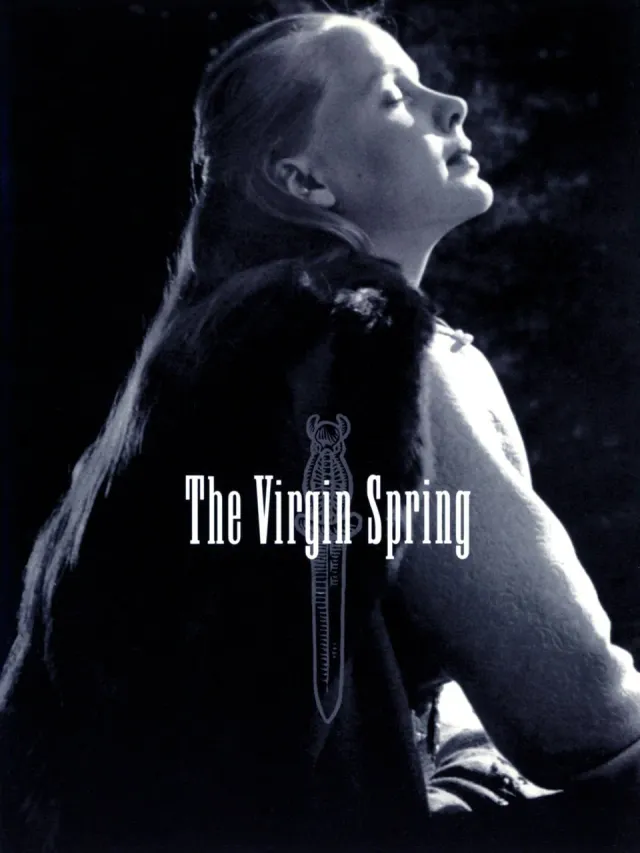
A daughter’s murder brings the violence of the road into the family home, where a grieving father must decide how to answer it.
Why this matches +
These offer a related experience with a meaningful difference in story, tone, or presentation.
An adjacent discovery: a related idea with a different viewing experience.
Genres: Drama
Shared film traits
Based on recorded story, mood and style. Your preferences can change the order.
What changes The Virgin Spring uses a stark moral fable to confront cruelty, grief and spiritual questions.
In medieval Sweden, farmer Töre and his wife Märeta send their teenage daughter Karin to deliver candles to a church, accompanied by their foster daughter Ingeri. Karin’s confidence and privilege contrast with Ingeri’s resentment and foreboding. On the road, Ingeri leaves Karin alone, and three herdsmen assault and kill her before seeking shelter at Töre’s farm without recognizing their hosts. When the truth emerges, Töre’s grief becomes a deliberate act of revenge. The final image introduces a religious miracle but does not erase the violence or settle the moral cost of vengeance. The film leaves the miracle as a religious image beside human violence, not a resolution that cancels it.
The alternative school gives Precious a concrete route toward literacy and independence, even as abuse and poverty keep obstructing it.
Why this matches +
These offer a related experience with a meaningful difference in story, tone, or presentation.
An adjacent discovery: a related idea with a different viewing experience.
Genres: Drama
Shared film traits
Based on recorded story, mood and style. Your preferences can change the order.
What changes Precious focuses on a vulnerable young woman enduring abuse while seeking recognition and agency.
In 1987 Harlem, sixteen-year-old Claireece “Precious” Jones lives under her mother Mary’s abuse and carries the consequences of sexual violence by her absent father. Her first child, a daughter with Down syndrome, is also part of the family life Precious is trying to build beyond her mother’s control. After she is expelled from school, she enters an alternative education program where teacher Blu Rain encourages her to read, write and imagine a future beyond home. Precious gives birth to a second child and learns she is HIV-positive; the support of classmates and social worker Ms. Weiss helps her name what has happened. She leaves her mother with both children and plans to continue her education.
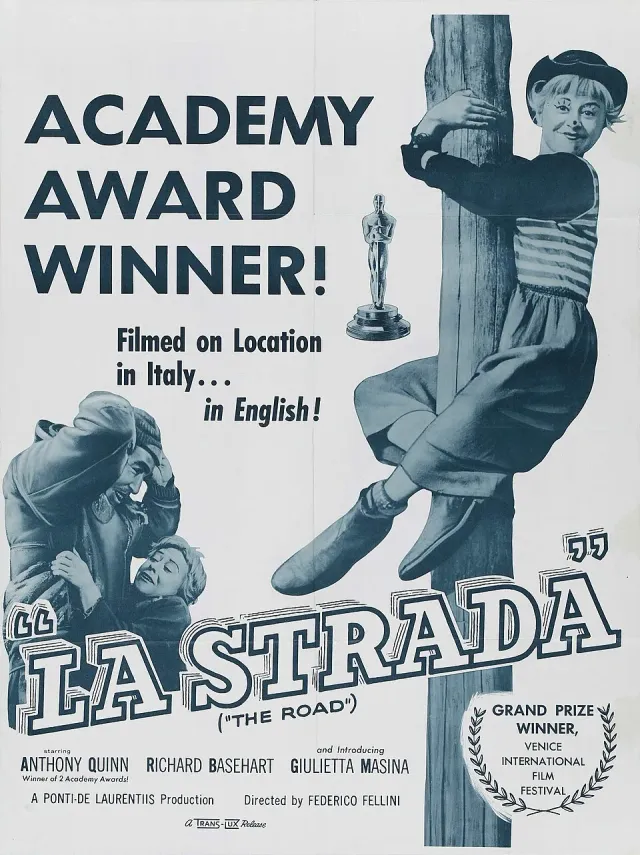
Poor Gelsomina is sold by her mother to Zampanò, a traveling strongman who takes her on the road as his assistant. His cruelty and her isolation become more visible when the Fool offers her a different account of what her companionship might mean. Gelsomina remains attached to the idea that she has a purpose, but the film does not grant her equal power to choose the life she is enduring. Zampanò abandons her after rejecting that bond, and only later recognizes the loss. Fellini’s fable uses circus performance and spiritual language to make tenderness feel possible, while its ending risks framing a woman’s suffering as a service that transforms an abusive man. Grief is not retroactive consent, redemption or proof that she had to stay.
What drives the story
The road performances provide the story’s structure, but Gelsomina’s dependence on Zampanò limits her alternatives. The Fool’s claim that every object has a purpose offers meaning, not a practical escape from abuse.
The people at its centre
Zampanò treats Gelsomina as labor and property, while she looks for attachment and recognition. His late grief reveals that he has changed; it does not repair the coercion or establish that her endurance was owed to him.
What it feels like
Sparse locations, recurring trumpet music and clown performance give the fable a lyrical surface that sits uneasily beside physical cruelty. The final beach image is emotionally open but should not be read as a tidy moral reward.
Worth knowing
Pair with neorealist-influenced road stories and spiritual melodramas, while preserving the modern discomfort around Gelsomina’s constrained agency. Compassion for Zampanò at the end must not make his violence disappear.