Both share themes of faith, plus an austere atmosphere.
Why this matches +
Genres: Drama
Shared film traits
Based on recorded story, mood and style. Your preferences can change the order.
What changes The Turin Horse: extremely slow, repetitive and ritualistic. The Virgin Spring: deliberate and tragic.
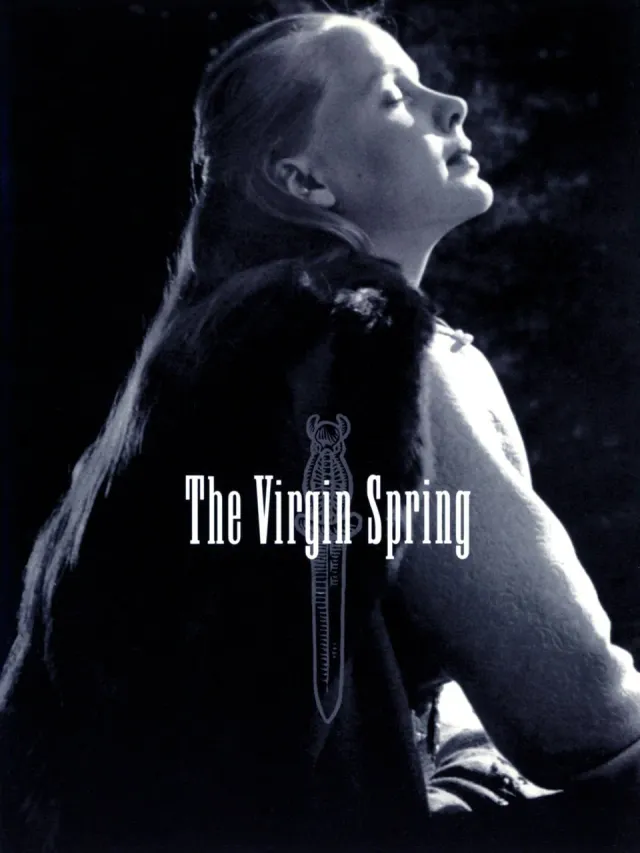
In medieval Sweden, farmer Töre and his wife Märeta send their teenage daughter Karin to deliver candles to a church, accompanied by their foster daughter Ingeri. Karin’s confidence and privilege contrast with Ingeri’s resentment and foreboding. On the road, Ingeri leaves Karin alone, and three herdsmen assault and kill her before seeking shelter at Töre’s farm without recognizing their hosts. When the truth emerges, Töre’s grief becomes a deliberate act of revenge. The final image introduces a religious miracle but does not erase the violence or settle the moral cost of vengeance. The film leaves the miracle as a religious image beside human violence, not a resolution that cancels it.
Based on recorded story, mood and style. Your preferences can change the order.
What changes The Turin Horse: extremely slow, repetitive and ritualistic. Andrei Rublev: slow.
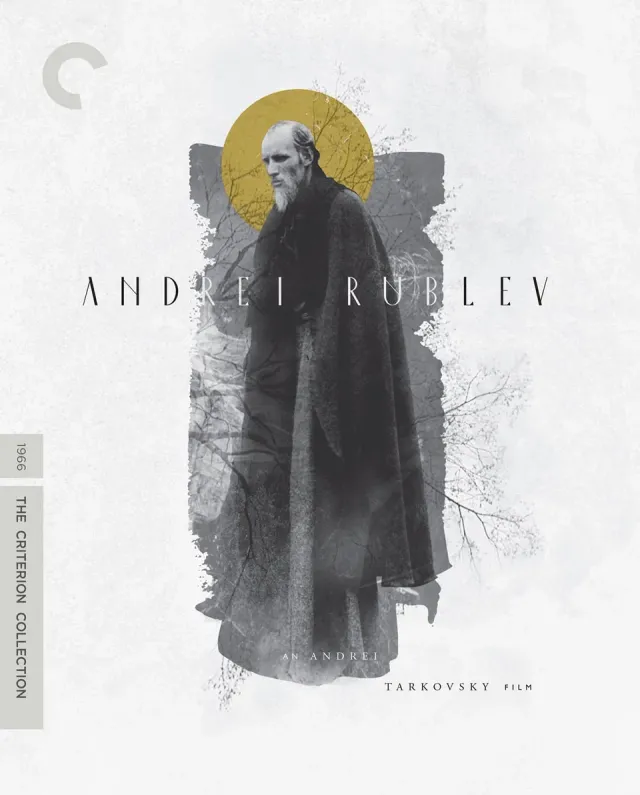
In Tarkovsky's director-preferred 183-minute cut, Andrei Rublev moves through a series of episodes in fifteenth-century Russia, where an icon painter encounters invasion, religious authority, famine and ordinary cruelty. His commitment to painting falters as he questions whether sacred work can survive a violent world. A young bellmaker, Boriska, claims he knows his late father's casting secret and is entrusted with a major bell; after it rings, he confesses that he had been bluffing. Rublev comforts him, and the episode becomes a counter-image of art emerging through risk, labor and trust. The film is a constructed meditation on artistic responsibility, not a continuous biography.
Based on recorded story, mood and style. Your preferences can change the order.
What changes The Turin Horse: extremely slow, repetitive and ritualistic. A Single Man: measured and interior.
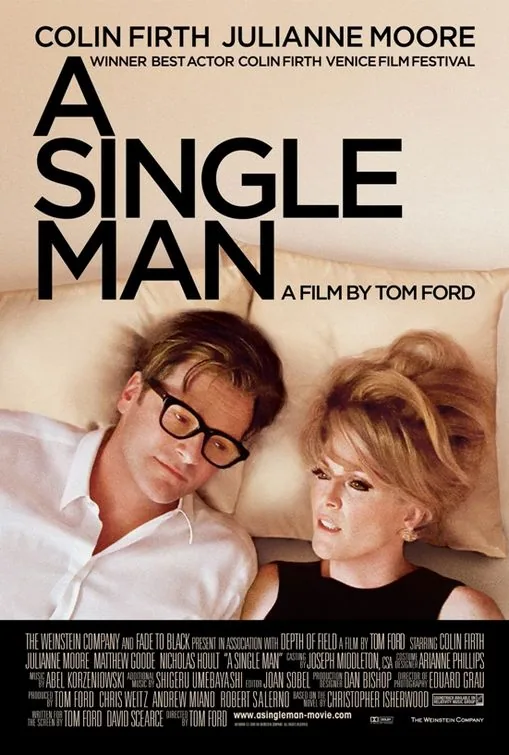
In 1960s Los Angeles, a British professor is grieving the sudden death of his partner and tries to move through one day while deciding whether he can continue living alone. Encounters with a friend, a student and strangers alter the emotional texture of that day without undoing his loss. The film turns clothing, color and routine into close expressions of grief, loneliness and the fragile possibility of renewed attention.
Based on recorded story, mood and style. Your preferences can change the order.
Family and care · Work and ambition
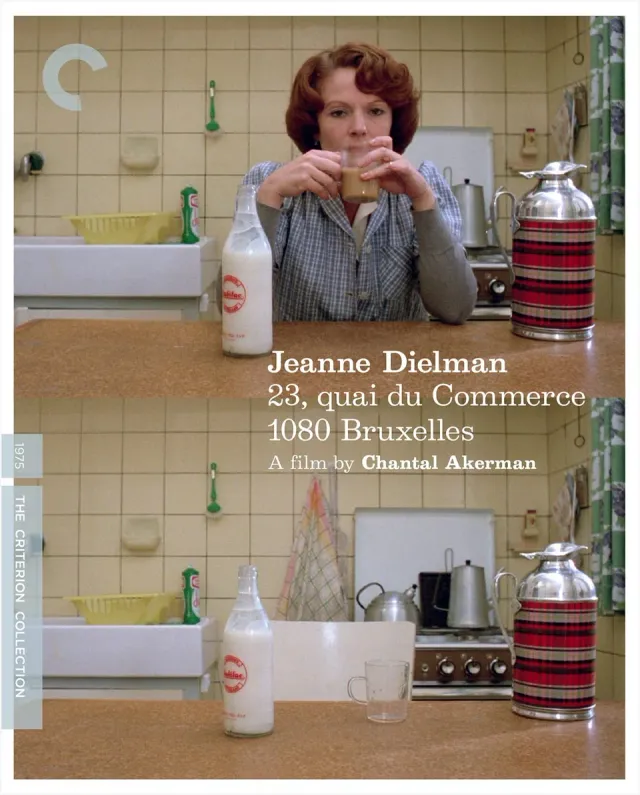
What changes The Turin Horse: extremely slow, repetitive and ritualistic. Jeanne Dielman, 23 quai du Commerce, 1080 Bruxelles: slow, repetitive and deliberate.
For several days in Brussels, widowed Jeanne Dielman moves through a carefully repeated schedule of cooking, cleaning, shopping and caring for her teenage son. She also receives a client at home each afternoon, fitting that work into the same disciplined routine. Small disruptions accumulate—a meal overcooks, an errand goes wrong, a task slips—until the rituals that structure her life no longer hold. The drama stays close to ordinary time and domestic labor.
Based on recorded story, mood and style. Your preferences can change the order.
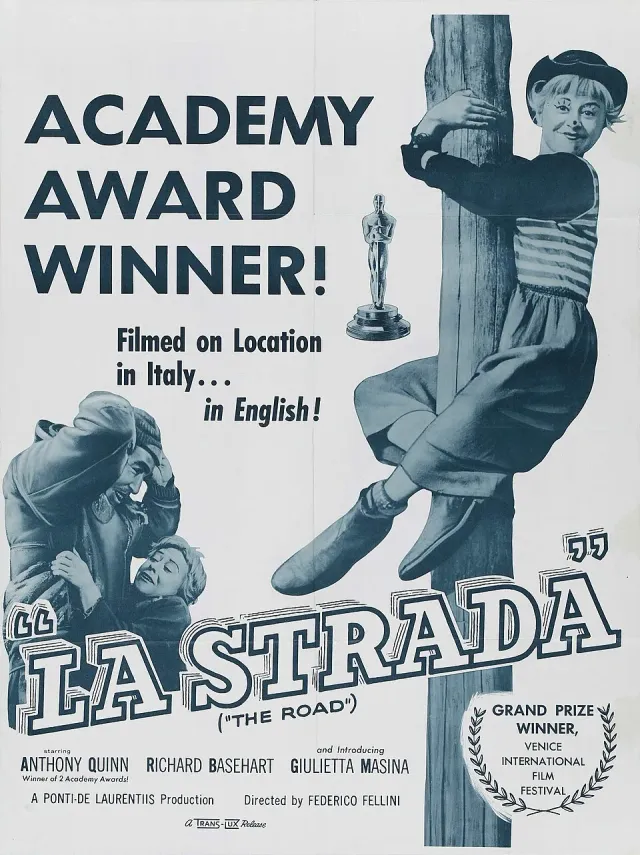
What changes The Turin Horse: extremely slow, repetitive and ritualistic. La Strada: measured and episodic.
Poor Gelsomina is sold by her mother to Zampanò, a traveling strongman who takes her on the road as his assistant. His cruelty and her isolation become more visible when the Fool offers her a different account of what her companionship might mean. Gelsomina remains attached to the idea that she has a purpose, but the film does not grant her equal power to choose the life she is enduring. Zampanò abandons her after rejecting that bond, and only later recognizes the loss. Fellini’s fable uses circus performance and spiritual language to make tenderness feel possible, while its ending risks framing a woman’s suffering as a service that transforms an abusive man. Grief is not retroactive consent, redemption or proof that she had to stay.
Based on recorded story, mood and style. Your preferences can change the order.
Survival · Family and care
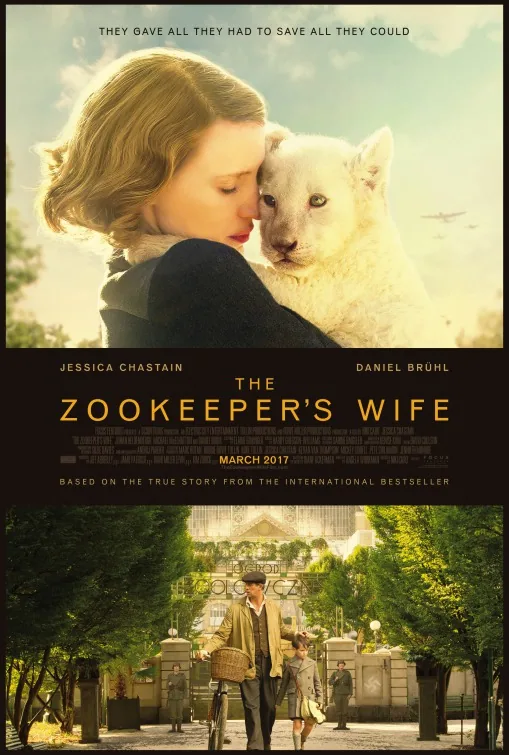
What changes The Turin Horse: extremely slow, repetitive and ritualistic. The Zookeeper's Wife: period setup, sustained suspense and rescue episodes.
When Nazi Germany invades Poland in 1939, Warsaw zookeeper Jan Żabiński and his wife Antonina find their zoo destroyed and their Jewish friends in danger. Antonina uses the couple’s home and the abandoned animal enclosures to hide people who are being smuggled out of the Warsaw Ghetto. The rescue effort requires secrecy, cooperation and careful attention to the occupiers who control the grounds. The film follows the family’s work under occupation through Antonina’s perspective.
Based on recorded story, mood and style. Your preferences can change the order.
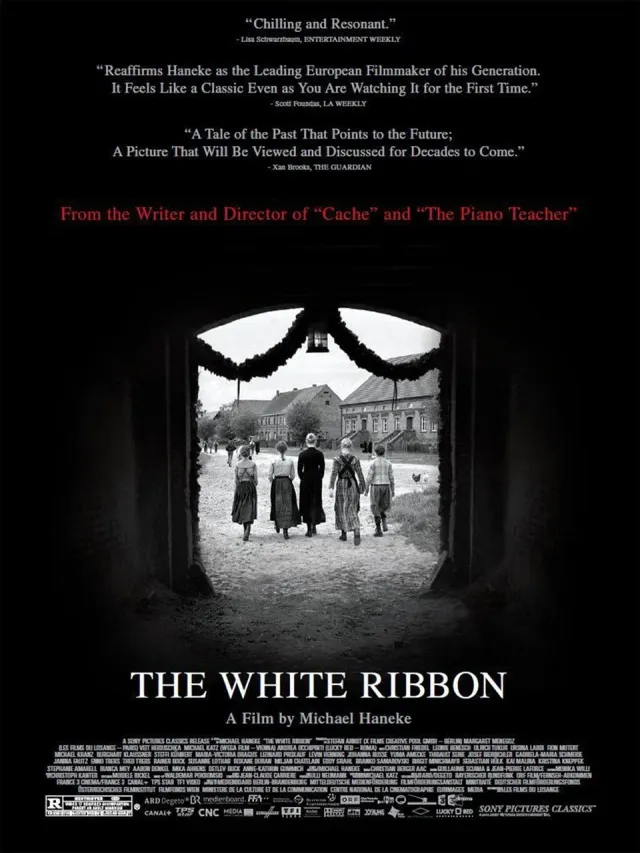
What changes The Turin Horse: extremely slow, repetitive and ritualistic. The White Ribbon: slow-burn and episodic inquiry.
In a Protestant village in northern Germany shortly before World War I, a doctor is injured when his horse trips over a wire, and a series of other disturbing incidents unsettles the community. The schoolteacher narrates events as he remembers them, including the abuse and rigid discipline imposed by adults, the baron’s household and the children’s choral group. Suspicion moves through the village, but the events are never conclusively assigned to a single culprit. The film connects private cruelty with social authority while preserving the limits of what its older narrator can know. The adults’ punishments are visible, while the identities and motives behind the attacks remain uncertain.
Based on recorded story, mood and style. Your preferences can change the order.
Family and care
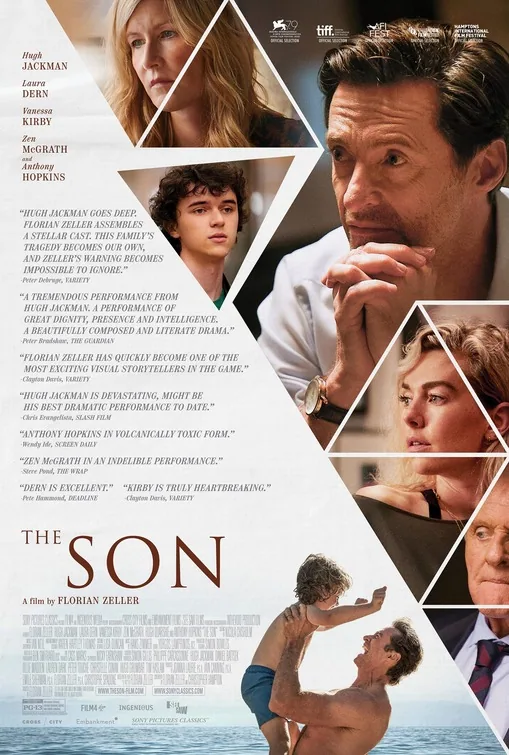
What changes The Turin Horse: extremely slow, repetitive and ritualistic. The Son: dialogue-led, tense, domestic and emotionally escalating.
Peter is building a new family with his second wife when his former partner asks him to take in their teenage son Nicholas, who has stopped attending school and is struggling with depression. Peter wants to offer the care he believes he lacked from his own father, but his attempts to help are complicated by old resentments and by the limits of his understanding. Florian Zeller’s family drama follows the strain of trying to support a young person in crisis while maintaining the appearance of ordinary domestic life.
Based on recorded story, mood and style. Your preferences can change the order.
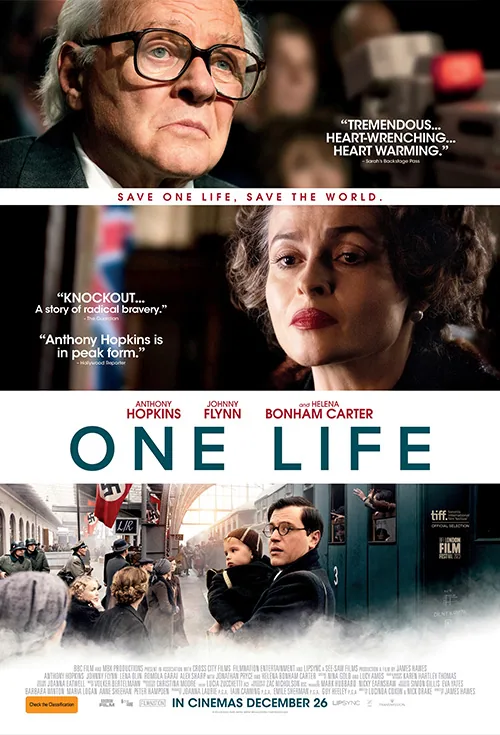
What changes The Turin Horse: extremely slow, repetitive and ritualistic. One Life: interwoven timelines, steadily building and reflective.
In 1938, London stockbroker Nicholas Winton visits Prague and encounters refugee families facing the threat of Nazi persecution. He helps organize a rescue effort to bring children to safety in Britain, while the film also follows Winton decades later as he reflects on those he could not save. The dual-time structure connects a practical act of coordination with the burden of memory, asking how one person understands responsibility after history has moved on.
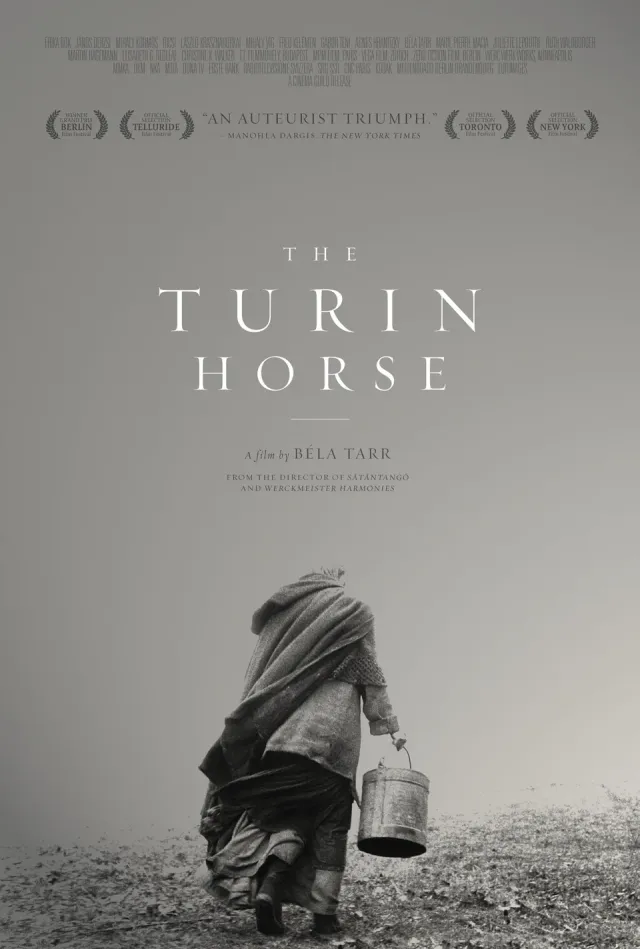
The film begins with the story of Friedrich Nietzsche’s breakdown after embracing a horse in Turin, then follows the coachman, his daughter and the horse across six days on the Hungarian plain. Their routine is pared down to harnessing the animal, drawing water, preparing a potato and sitting through the wind. When the horse refuses to work and basic necessities begin to fail, the household’s repetitions become increasingly fragile. Béla Tarr and Ágnes Hranitzky make endurance, labor and the ending of a world visible through sound and duration.
What drives the story
Each day repeats a small set of chores as the horse’s refusal and failing resources make the household’s existence harder to sustain.
The people at its centre
The father and daughter depend on one another for daily survival, sharing labor and silence as their familiar world narrows.
What it feels like
Duration, wind and repeated gestures carry the drama, asking viewers to attend to exhaustion rather than conventional plot turns.
Worth knowing
Its rigorous formal austerity and near-static routine distinguish it from more event-driven rural dramas or historical biopics.
labordecayroutine
Mood
austere · somber · hypnotic · apocalyptic
Pacing
extremely slow · repetitive · ritualistic
Visual style
long takes · black-and-white photography · wind-swept landscapes · stark interior light