A string of unexplained injuries and acts of damage exposes a village where adult authority depends on fear and punishment.
Why this matches +
Related viewing experiences with the specific differences recorded for each pair.
An adjacent discovery: a related idea with a different viewing experience.
Genres: Drama / Historical
Shared film traits
Based on recorded story, mood and style. Your preferences can change the order.
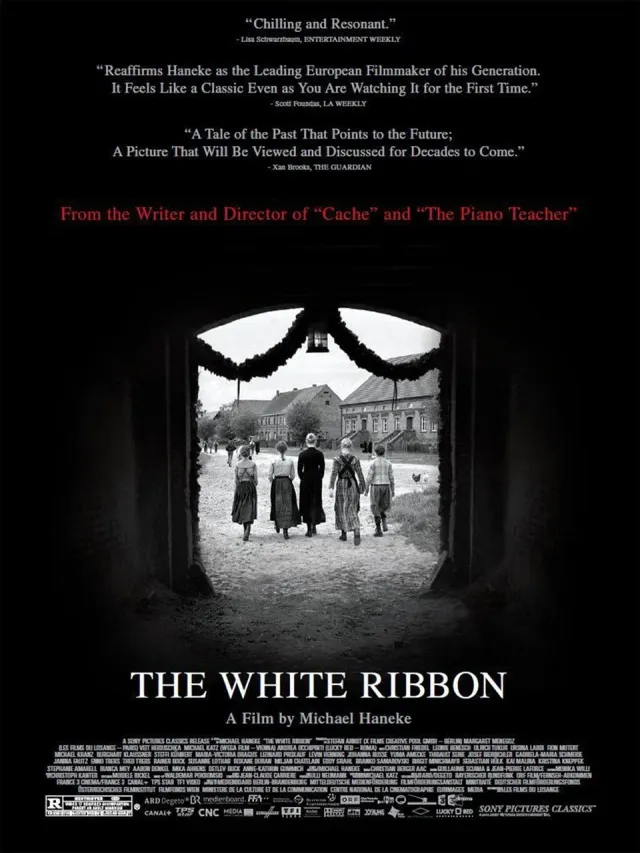
What changes Severe rural images expose violence beneath religiously sanctioned authority and apparent innocence; unresolved prewar communal attacks replace the source’s known crime and deliberate retribution.
In a Protestant village in northern Germany shortly before World War I, a doctor is injured when his horse trips over a wire, and a series of other disturbing incidents unsettles the community. The schoolteacher narrates events as he remembers them, including the abuse and rigid discipline imposed by adults, the baron’s household and the children’s choral group. Suspicion moves through the village, but the events are never conclusively assigned to a single culprit. The film connects private cruelty with social authority while preserving the limits of what its older narrator can know. The adults’ punishments are visible, while the identities and motives behind the attacks remain uncertain.
Successive retellings of a forest encounter replace a stable reconstruction with contradictions shaped by each speaker's self-presentation.
Why this matches +
Related viewing experiences with the specific differences recorded for each pair.
An adjacent discovery: a related idea with a different viewing experience.
Genres: Crime / Drama
Shared film traits
Based on recorded story, mood and style. Your preferences can change the order.
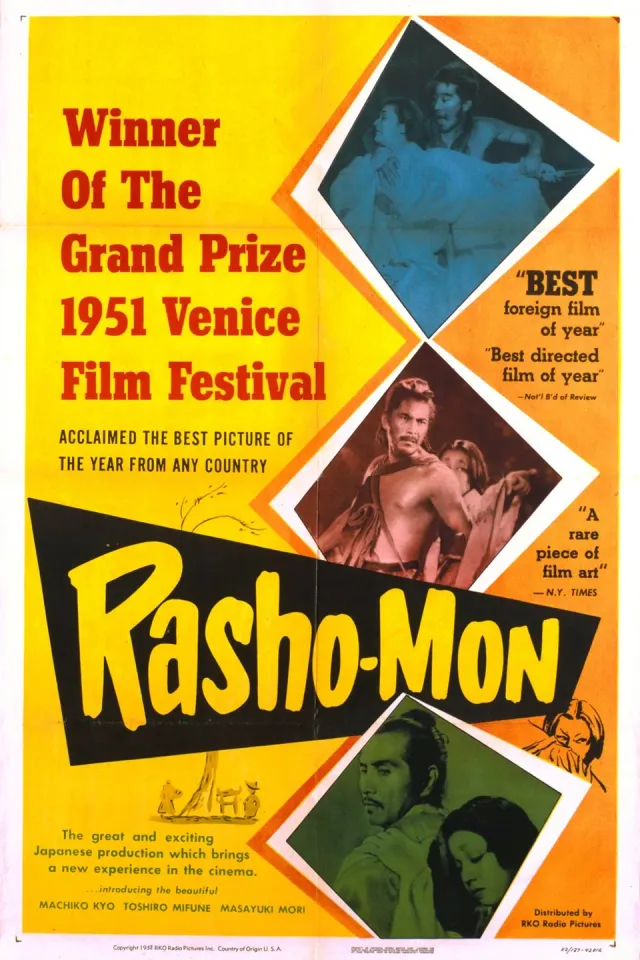
What changes Sexual violence and murder in a period woodland setting become an austere inquiry into human cruelty and moral judgment; competing testimony replaces the known crime, paternal revenge and unresolved religious image.
Sheltering from rain at a ruined gate, several men discuss testimony concerning a violent encounter in a forest. A bandit, a woman, her dead husband through a medium, and another witness offer incompatible accounts of the same events. Each version rearranges agency, shame and honour, making the search for factual certainty inseparable from what people need their stories to say about themselves.
A delayed encounter with death creates a finite journey in which a search for certainty competes with the practical possibility of protecting others.
Why this matches +
Related viewing experiences with the specific differences recorded for each pair.
An adjacent discovery: a related idea with a different viewing experience.
Genres: Fantasy / Drama
Shared film traits
Based on recorded story, mood and style. Your preferences can change the order.
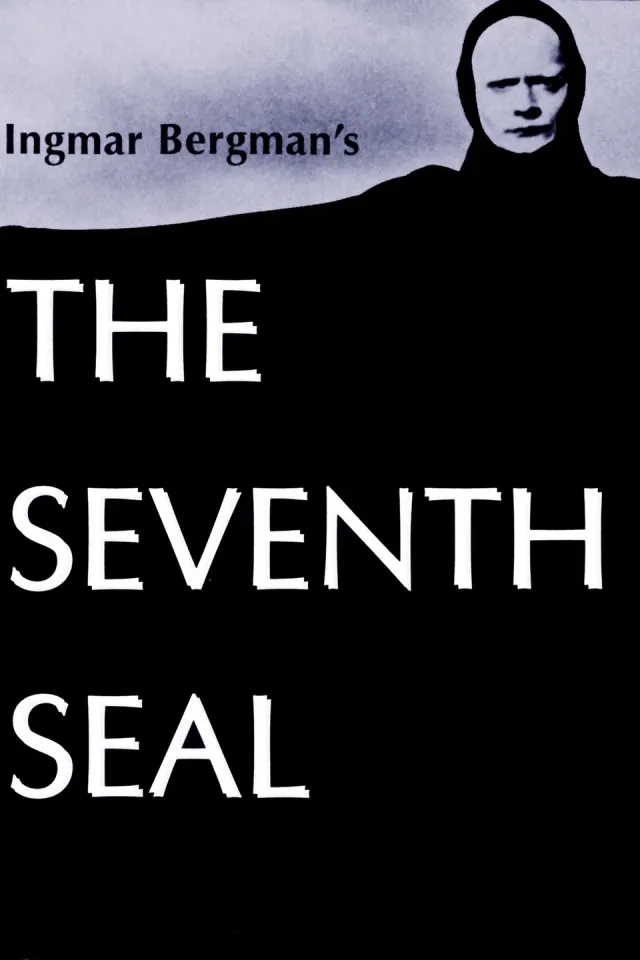
What changes Medieval landscapes and austere encounters make cruelty and death a test of divine presence; a knight’s philosophical journey replaces a family’s specific crime and revenge.
A knight returning from the Crusades encounters Death in a country devastated by plague and proposes a chess game to postpone his end. Travelling with a sceptical squire, he searches for evidence of divine presence among fear, cruelty and ordinary acts of care. A family of travelling performers offers a form of fragile happiness that shifts the value of the remaining time from obtaining an answer toward making one useful intervention.
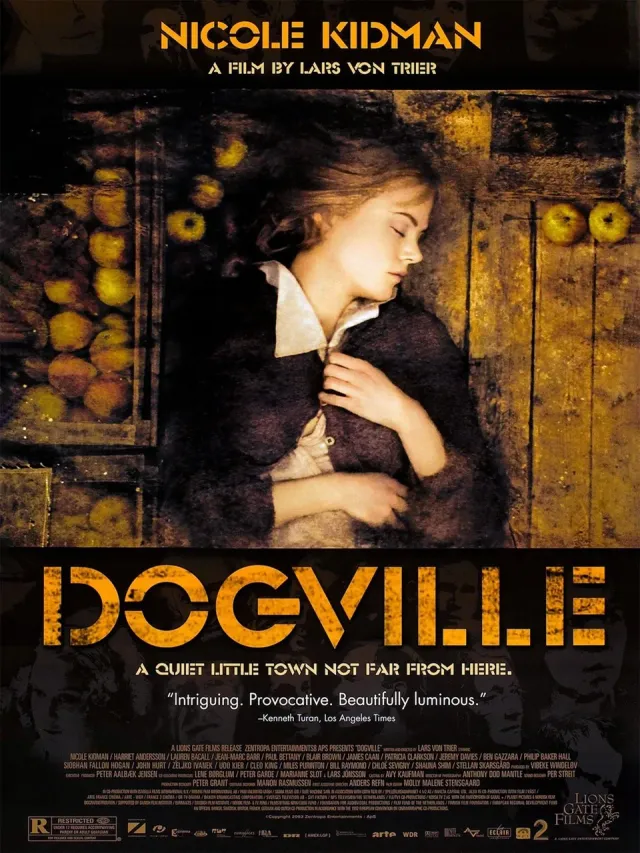
Conditional hospitality becomes a labor bargain whose terms worsen whenever the fugitive's outside options narrow, making the town's claimed generosity a structure of coercion. After a search notice raises the town’s perceived risk, residents increase their demands while Grace’s alternatives shrink.
Why this matches +
Related viewing experiences with the specific differences recorded for each pair.
An adjacent discovery: a related idea with a different viewing experience.
Genres: Drama / Crime
Shared film traits
Based on recorded story, mood and style. Your preferences can change the order.
What changes A community’s violence against a woman leads to a morally unsettling act of retaliation; modern theatrical abstraction and the victim’s agency replace medieval realism and a father’s revenge.
A woman fleeing gangsters accepts shelter in an isolated town, where an aspiring moral leader proposes her presence as a test of communal generosity. Work initially offered as gratitude becomes the condition of being allowed to remain, and her increasing vulnerability gives neighbors leverage to demand more. When the protection they claim to provide becomes systematic exploitation, a later reversal of power questions both the community's self-description and the moral certainty of punishing it. Its exposed stage makes spectators watch private coercion as collective behavior, not as unseen domestic misfortune.
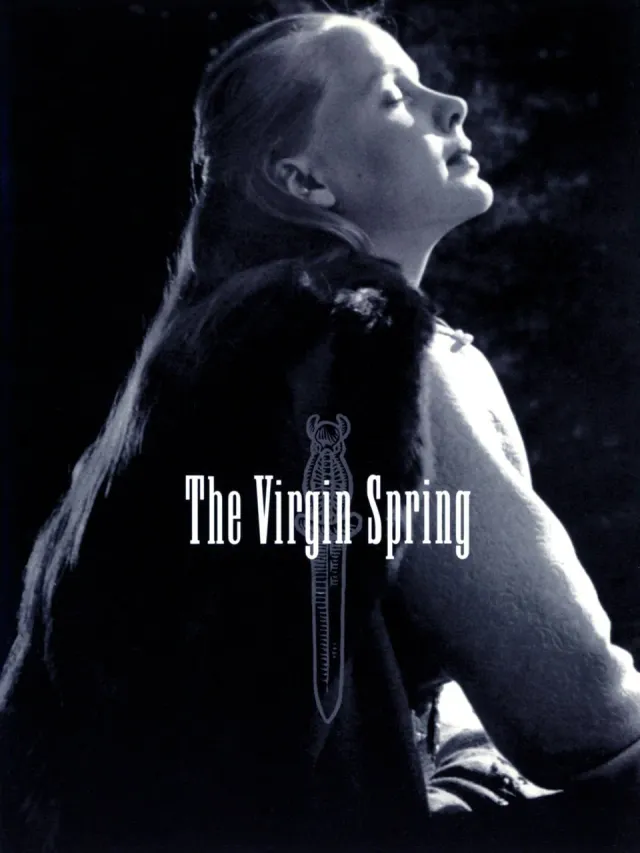
In medieval Sweden, farmer Töre and his wife Märeta send their teenage daughter Karin to deliver candles to a church, accompanied by their foster daughter Ingeri. Karin’s confidence and privilege contrast with Ingeri’s resentment and foreboding. On the road, Ingeri leaves Karin alone, and three herdsmen assault and kill her before seeking shelter at Töre’s farm without recognizing their hosts. When the truth emerges, Töre’s grief becomes a deliberate act of revenge. The final image introduces a religious miracle but does not erase the violence or settle the moral cost of vengeance. The film leaves the miracle as a religious image beside human violence, not a resolution that cancels it.
What drives the story
A daughter’s murder brings the violence of the road into the family home, where a grieving father must decide how to answer it.
The people at its centre
Karin’s innocence is filtered through the security of her status; Ingeri’s fear and jealousy leave her carrying a painful share of responsibility without making her the killer.
What it feels like
Bergman uses sparse medieval settings, stark daylight and ritualized compositions to make the violence feel morally severe rather than adventurous.
Worth knowing
For viewers prepared for a solemn medieval drama with sexual violence and revenge. Its religious and ethical ambiguity differs from a revenge thriller that treats retaliation as uncomplicated justice.
griefrevengefaith
Mood
severe · austere · solemn
Pacing
deliberate · tragic
Visual style
medieval minimalism · stark daylight
Storytelling
sexual violence · revenge decision · religious miracle