The candle promise gives a small physical task to Andrei’s diffuse homesickness and to Domenico’s desperate belief in shared responsibility.
Why this matches +
Selected for the central appeal: Contemplative historical films about faith, artistic responsibility and suffering.
Genres: Drama
Shared film traits
Based on recorded story, mood and style. Your preferences can change the order.
Both directed by Andrei Tarkovsky.
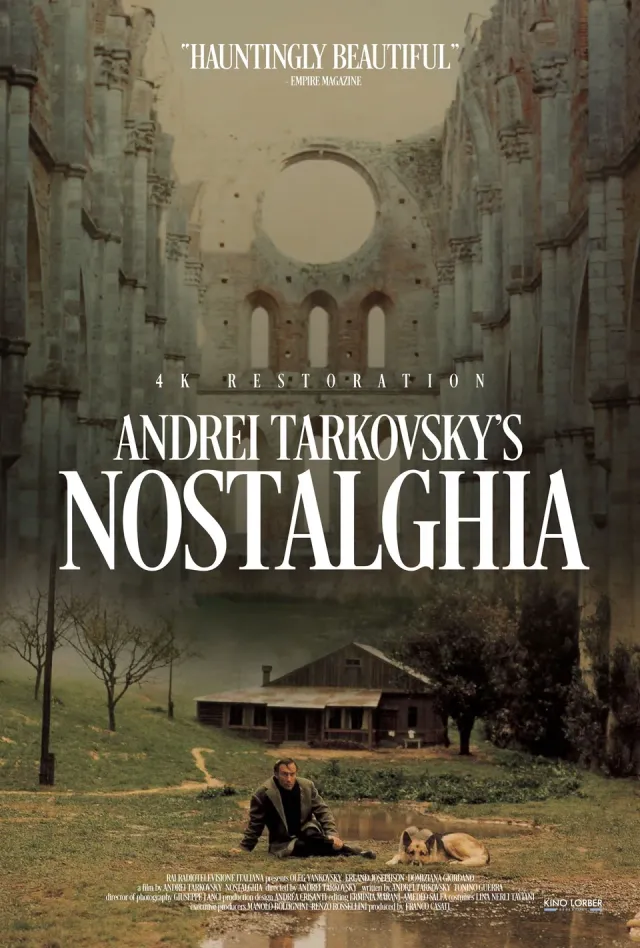
What changes Nostalghia shares Tarkovsky's meditative style and concern with faith, memory and artistic purpose.
Russian writer Andrei Gorchakov travels through Tuscany with interpreter Eugenia while researching composer Pavel Sosnovsky, a countryman who died by suicide after returning from Italy. Andrei feels estranged from the landscape and from Eugenia’s attempts at closeness. He befriends Domenico, a man regarded as mad after locking his family indoors to save them from the end of the world, and accepts a candle with a promise to carry its flame across a drained mineral pool. As Domenico’s public protest ends in self-immolation, Andrei returns to complete the candle crossing, collapsing after he succeeds.
A domestic birthday gathering turns into an apocalyptic moral crisis, then into a question of whether a vow can carry meaning after the threat recedes.
Why this matches +
Selected for the central appeal: Contemplative historical films about faith, artistic responsibility and suffering.
Genres: Drama
Shared film traits
Based on recorded story, mood and style. Your preferences can change the order.
Both directed by Andrei Tarkovsky.
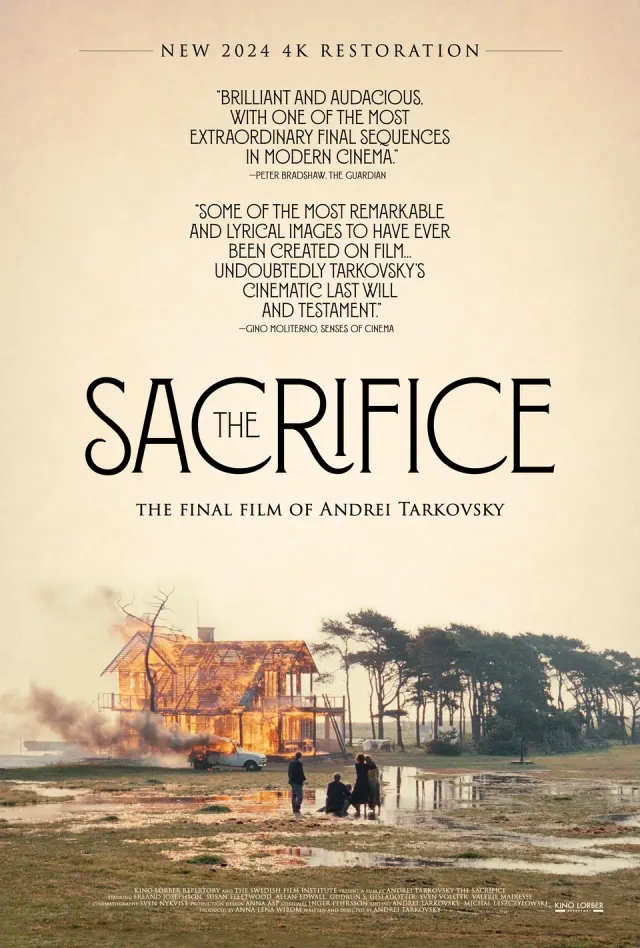
What changes The Sacrifice shares Tarkovsky's spiritual questions and patient imagery as a man responds to a threatened world.
On his birthday, former actor and writer Alexander gathers family and friends at a remote Swedish home, where he talks with his young son about spiritual life and the modern world. Low-flying aircraft and a broadcast announcement interrupt the celebration with news that a nuclear war may have begun. The adults react with panic and disbelief; Alexander responds by making a private vow that he will give up what he loves if the catastrophe is somehow undone. A postman with an interest in the inexplicable suggests a course of action involving the family's maid, Maria. By morning the threat appears to have passed, but Alexander's promise remains, and his decision to burn the house and withdraw from ordinary life leaves his family and the viewer confronting what his act means.
A daughter’s murder brings the violence of the road into the family home, where a grieving father must decide how to answer it.
Why this matches +
These offer a related experience with a meaningful difference in story, tone, or presentation.
An adjacent discovery: a related idea with a different viewing experience.
Genres: Drama
Shared film traits
Based on recorded story, mood and style. Your preferences can change the order.
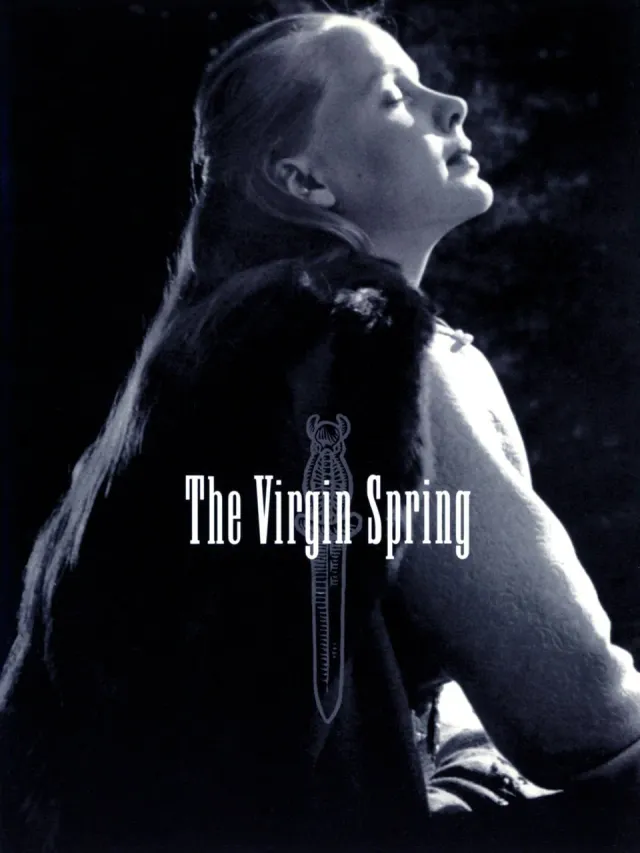
What changes The Virgin Spring examines faith and cruelty in a stark medieval setting.
In medieval Sweden, farmer Töre and his wife Märeta send their teenage daughter Karin to deliver candles to a church, accompanied by their foster daughter Ingeri. Karin’s confidence and privilege contrast with Ingeri’s resentment and foreboding. On the road, Ingeri leaves Karin alone, and three herdsmen assault and kill her before seeking shelter at Töre’s farm without recognizing their hosts. When the truth emerges, Töre’s grief becomes a deliberate act of revenge. The final image introduces a religious miracle but does not erase the violence or settle the moral cost of vengeance. The film leaves the miracle as a religious image beside human violence, not a resolution that cancels it.
Religious differences divide a farming family and neighboring households until a domestic crisis demands a response beyond argument.
Why this matches +
These offer a related experience with a meaningful difference in story, tone, or presentation.
An adjacent discovery: a related idea with a different viewing experience.
Genres: Drama
Shared film traits
Based on recorded story, mood and style. Your preferences can change the order.
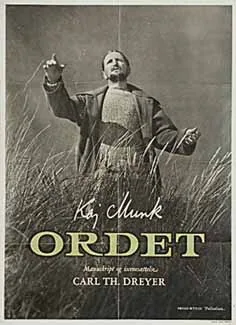
What changes Ordet treats faith, doubt and spiritual experience through deliberate, contemplative filmmaking.
On a Danish farm, Morten Borgen and his sons disagree about religion, reason and family obligations. One son believes himself to be Jesus, another has lost his faith, and the youngest hopes to marry a woman whose father follows a rival religious community. As disputes over belief intersect with illness and childbirth, the family faces a crisis that tests what faith means to each of them.
Shared characteristics
Mood: Contemplative
Mood: Solemn
Theme: Faith
Style: Long takes
Genre: Drama
Poster: Film rights holders; original promotional poster documented by Wikipedia · Image source
Karamakate’s two journeys make cultural loss visible through his changing relationship to memory.
Why this matches +
These offer a related experience with a meaningful difference in story, tone, or presentation.
An adjacent discovery: a related idea with a different viewing experience.
Genres: Drama / Adventure
Shared film traits
Based on recorded story, mood and style. Your preferences can change the order.
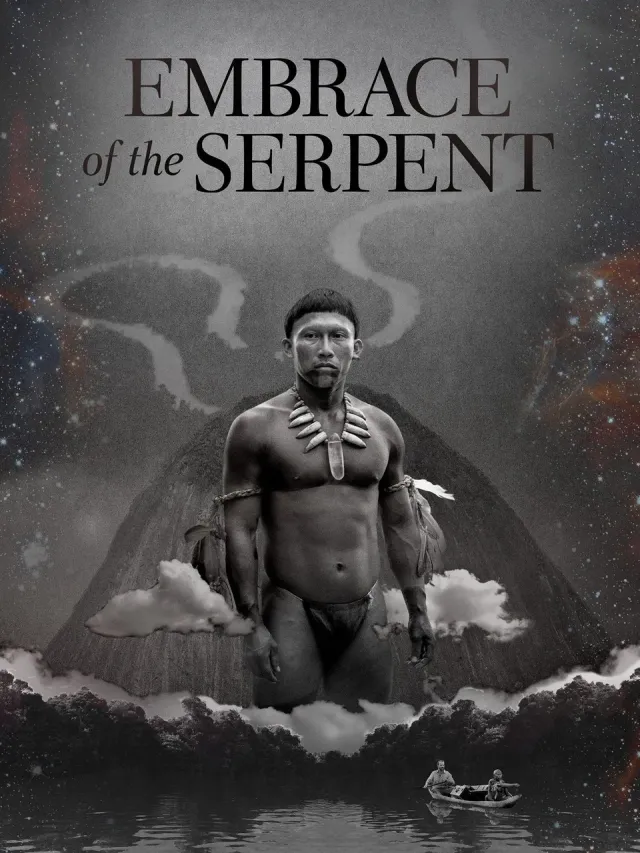
What changes Embrace of the Serpent uses episodic journeys and arresting imagery to consider cultural survival amid violence.
Karamakate, a shaman in the Colombian Amazon, guides two foreign scientists on journeys separated by decades as they search for the sacred plant yakruna. The parallel expeditions reveal how colonial exploitation damages communities, knowledge and the natural world, while Karamakate confronts changes in his own culture and memory. Ciro Guerra films the story in evocative monochrome for much of its length, creating a meditative adventure about encounter, loss and the limits of translation.
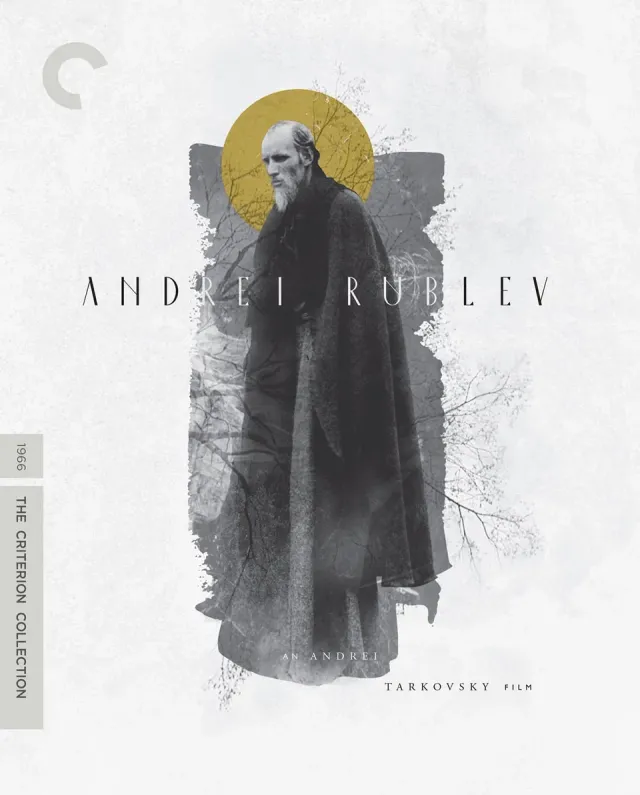
In Tarkovsky's director-preferred 183-minute cut, Andrei Rublev moves through a series of episodes in fifteenth-century Russia, where an icon painter encounters invasion, religious authority, famine and ordinary cruelty. His commitment to painting falters as he questions whether sacred work can survive a violent world. A young bellmaker, Boriska, claims he knows his late father's casting secret and is entrusted with a major bell; after it rings, he confesses that he had been bluffing. Rublev comforts him, and the episode becomes a counter-image of art emerging through risk, labor and trust. The film is a constructed meditation on artistic responsibility, not a continuous biography.
What drives the story
Linked episodes test whether an artist can make sacred images amid violence and failed authority. Rublev's silence is one response; the bell episode changes the question from whether a master can transmit a secret to whether collective labor and trust can produce something worthy without certainty.
The people at its centre
Rublev's encounters repeatedly challenge his vow of nonviolence. Boriska claims inherited knowledge he does not possess, risking punishment to lead the bell casting; after the bell succeeds, he admits the lie, and Rublev responds with care rather than judgment.
What it feels like
The 183-minute director-preferred cut uses long takes, harsh material detail and extended silence, then moves into a color epilogue of icons. Its episodes and chronology create a demanding, stylized portrait rather than a continuous historical life story; the 205-minute Passion According to Andrei is a distinct earlier edit.
Worth knowing
Connect it to episodic films about faith, violence and making under pressure. The bellmaker's story is a parallel created by Tarkovsky, not verified biography; identify the cut, and do not treat the film's medieval episodes as a neutral chronicle of Rublev's life.