An industry ascent unfolds alongside a spouse's decline, turning professional support into an intimate conflict over dependence, dignity and sacrifice.
Why this matches +
These offer a related experience with a meaningful difference in story, tone, or presentation.
An adjacent discovery: a related idea with a different viewing experience.
Genres: Drama / Romance
Shared film traits
Based on recorded story, mood and style. Your preferences can change the order.
Music and performance
What changes A musician's creative success changes the balance within a romantic partnership, with performance and personal vulnerability closely linked.
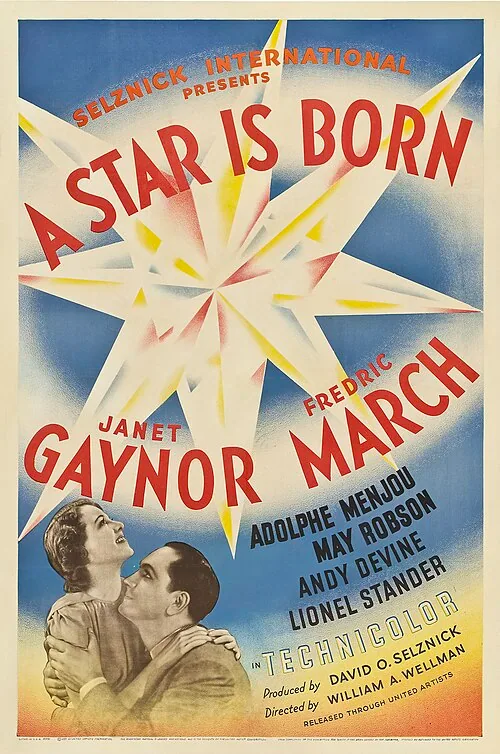
An aspiring actress arrives in Hollywood and receives help from an established actor whose career is beginning to collapse. Their professional collaboration becomes marriage, but her growing recognition intensifies the imbalance between public success and his dependence on alcohol. Attempts to protect one another become tangled with pride and sacrifice, exposing the cost of a relationship whose partners are moving in opposite directions within the same industry.
Gerda’s portrait session is the catalyst, but Lili’s self-understanding grows beyond the pose and the assumptions of the people around her. The film follows her effort to live as herself while its novel-based structure reshapes the historical record.
Why this matches +
These offer a related experience with a meaningful difference in story, tone, or presentation.
An adjacent discovery: a related idea with a different viewing experience.
Genres: Drama / Romance
Shared film traits
Based on recorded story, mood and style. Your preferences can change the order.
What changes A marriage between creative partners is reshaped by evolving identity, public expectations and the demands of an artistic career.
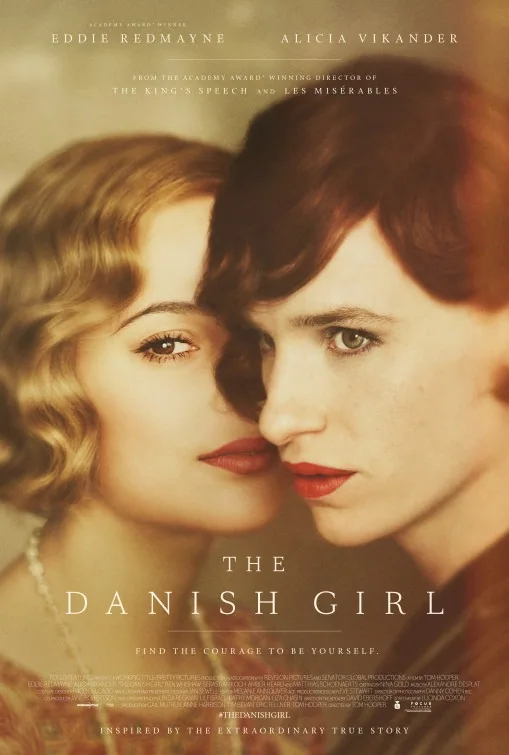
In 1920s Copenhagen, artist Gerda Wegener asks her spouse to pose in a dress for a portrait when a model is unavailable. The session opens a path for Lili Elbe to understand and live publicly as herself, while Gerda’s paintings draw attention to Lili and change the life they share. Encounters with doctors and the possibility of surgery add pressure to their marriage, but Lili’s identity is not simply a role-play or a project for her spouse. Tom Hooper’s film adapts David Ebershoff’s fictionalized novel about Elbe and Wegener, combining documented people with invented scenes and altered chronology. It is therefore a dramatized interpretation, not a direct record of Lili’s life or early gender-affirming care.
Parker’s charisma and brilliance coexist with dependency and self-destruction; Chan tries to keep a home life possible.
Why this matches +
These offer a related experience with a meaningful difference in story, tone, or presentation.
An adjacent discovery: a related idea with a different viewing experience.
Genres: Drama / Biography
Shared film traits
Based on recorded story, mood and style. Your preferences can change the order.
Music and performance
What changes A musician's artistic achievements are intertwined with intimate relationships, addiction and the strains of public life.
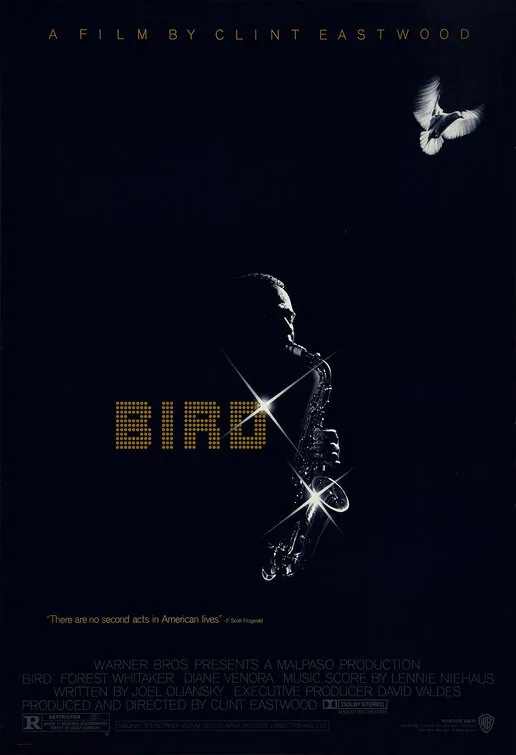
The film follows jazz saxophonist Charlie Parker from his early Kansas City performances into the New York bebop scene and his turbulent life with Chan Parker. Success brings periods of exhilaration and collapse, while drug and alcohol dependence repeatedly interrupts his playing and relationships. Chan helps reconnect him with work and family life, but Parker’s health and artistic drive remain difficult to separate. Told through shifting memories and music, the portrait moves between performance, intimacy and breakdown, framing bebop as a creative revolution carried by a life under strain.
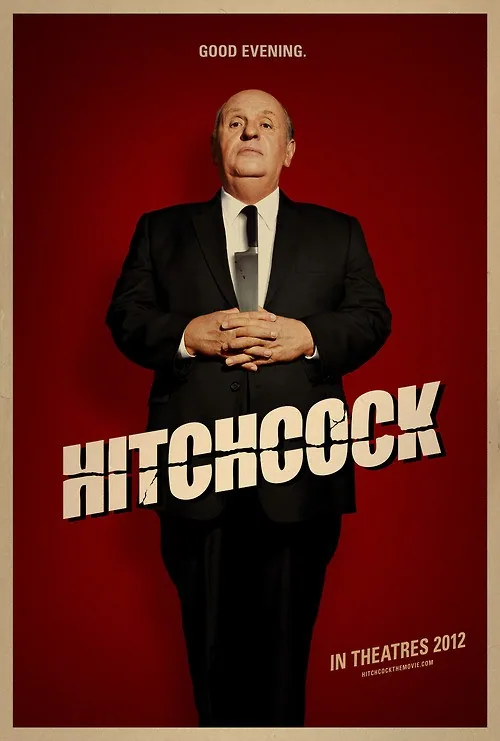
Hitchcock commits to making Psycho when the studios around him doubt its commercial prospects.
Why this matches +
These offer a related experience with a meaningful difference in story, tone, or presentation.
An adjacent discovery: a related idea with a different viewing experience.
Genres: Drama / Biography
Shared film traits
Based on recorded story, mood and style. Your preferences can change the order.
What changes A biographical portrait places a celebrated artist's career alongside the complicated partnership and work of his spouse.
Alfred Hitchcock risks his own money and reputation to make Psycho after studios hesitate about the material. As production proceeds, his collaboration with wife Alma Reville is tested by creative pressure and the attention he gives another screenwriter. Sacha Gervasi's biographical drama focuses on the making of one film rather than surveying Hitchcock's entire career, linking artistic daring to partnership, control, and the personal labor behind a celebrated work.
The accident redirects Kahlo toward painting, while a changing body, political commitments and an unstable marriage keep artistic life from becoming a simple recovery story. The accident alters the conditions of Kahlo’s life but does not reduce her to injury.
Why this matches +
These offer a related experience with a meaningful difference in story, tone, or presentation.
An adjacent discovery: a related idea with a different viewing experience.
Genres: Drama / Biography
Shared film traits
Based on recorded story, mood and style. Your preferences can change the order.
What changes An artist's public career and long, complicated marriage are explored together through a visually expressive biographical drama.
After a serious accident changes her body and ambitions, Frida Kahlo turns to painting while building a turbulent life with Diego Rivera and moving among political and artistic circles. Pain and disability shape her daily life, but the film also gives space to her humor, sexual autonomy and creative decisions rather than making suffering the whole explanation for her art. Its vivid images translate paintings into a biographical fantasy, and its compressed account of relationships can make private conflict overshadow political context. Read it as a dramatized portrait of an artist, not a comprehensive biography or transparent key to every painting.
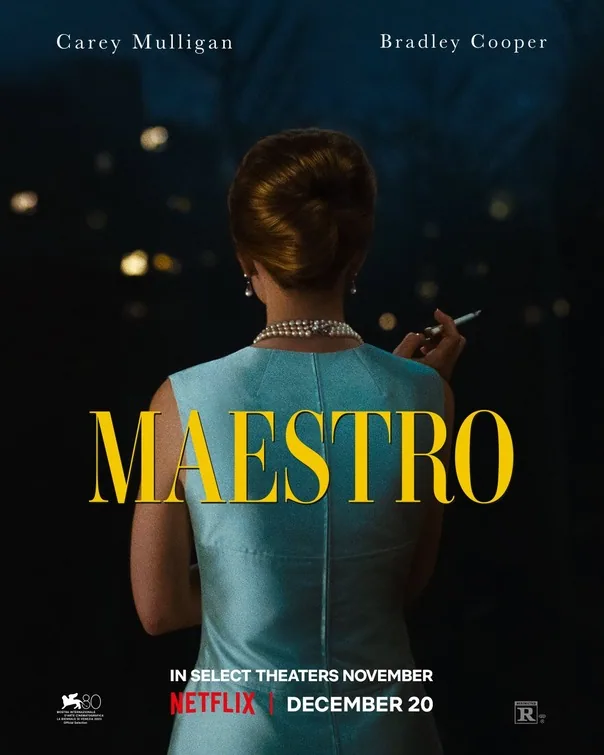
Leonard Bernstein’s conducting career begins with an unexpected debut, while his long relationship with actress Felicia Montealegre becomes the emotional center of his personal life. The film follows their marriage through professional success, parenthood and Bernstein’s complicated identity, moving across decades and shifts in style. Bradley Cooper uses music, performance and black-and-white-to-color transitions to portray public artistry alongside private strain, without reducing either spouse to a simple role.
What drives the story
Bernstein’s public brilliance and private relationships remain connected but cannot be collapsed into one story.
The people at its centre
Felicia’s experience gives the marriage a perspective beyond the famous artist’s career.
What it feels like
Musical sequences and visual shifts move between public image and domestic intimacy.
Worth knowing
Its marital strain and biographical focus suit viewers interested in character-driven music history.
ArtMarriageIdentity
Mood
Lush · Intimate · Melancholy
Pacing
Interwoven · Decade-spanning
Visual style
Changing aspect ratios · Orchestral performance · Period detail
Storytelling
Composer biography · Marriage · Public performance