A screenwriter works through illness and deadlines on the script that will become Citizen Kane.
Why this matches +
These offer a related experience with a meaningful difference in story, tone, or presentation.
An adjacent discovery: a related idea with a different viewing experience.
Genres: Drama / Biography
Shared film traits
Based on recorded story, mood and style. Your preferences can change the order.
Memory and identity
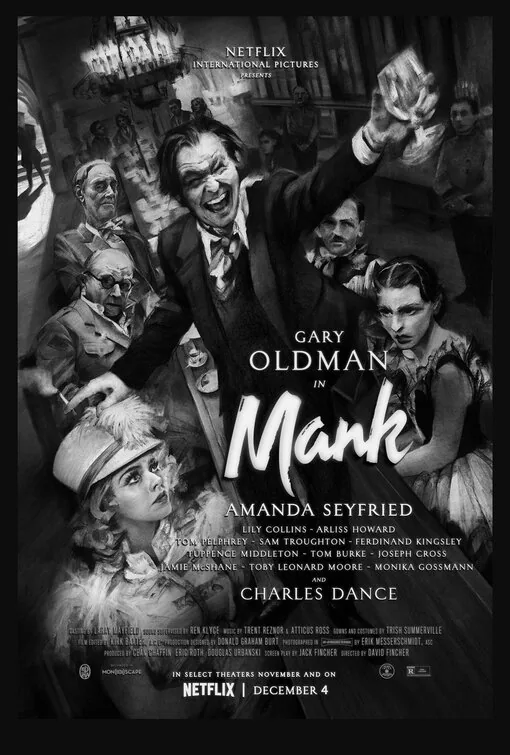
What changes A Hollywood screenwriter confronts studio power and creative disagreements while working on a celebrated film; the making of Citizen Kane.
Screenwriter Herman J. Mankiewicz works on the screenplay that will become Citizen Kane while recovering at a secluded ranch. Flashbacks follow his encounters with Hollywood power brokers, political campaigning, and the film industry's social circles as he develops a story shaped by personal observation. David Fincher's black-and-white drama explores creative credit and influence through a stylized portrait of a writer navigating a system that rewards access while contesting who authored a celebrated film.
Travers’s contractual objections are not merely artistic fussiness: the proposed adaptation touches memories she has converted into fiction and has spent decades guarding.
Why this matches +
These offer a related experience with a meaningful difference in story, tone, or presentation.
An adjacent discovery: a related idea with a different viewing experience.
Genres: Drama / Biography
Shared film traits
Based on recorded story, mood and style. Your preferences can change the order.
Memory and identity
What changes A biographical drama follows a famous filmmaker negotiating creative control and difficult collaboration around a specific adaptation.
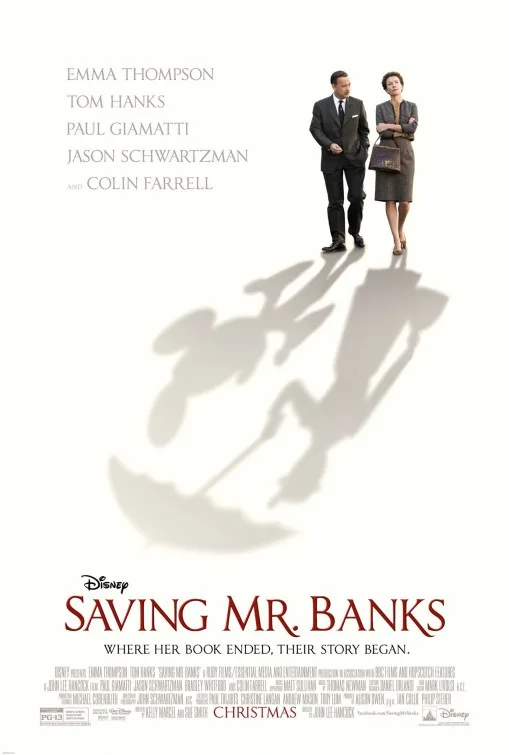
In the early 1960s, financially pressured author P. L. Travers travels to Los Angeles to negotiate Walt Disney’s long pursuit of the Mary Poppins screen rights. She resists the changes proposed by the studio and its songwriters, while memories of her childhood in Australia reveal the complicated love she had for her imaginative but alcoholic father and the aunt whose strict presence helped shape the nanny. The present-day dispute over tone, animation and approval gradually becomes intertwined with Travers’s effort to revisit her father’s failures. The film ends with her response to the finished movie, though its version of the negotiation is a dramatized account.
A blacklisted screenwriter keeps working under other names to support his family.
Why this matches +
These offer a related experience with a meaningful difference in story, tone, or presentation.
An adjacent discovery: a related idea with a different viewing experience.
Genres: Drama / Biography
Shared film traits
Based on recorded story, mood and style. Your preferences can change the order.
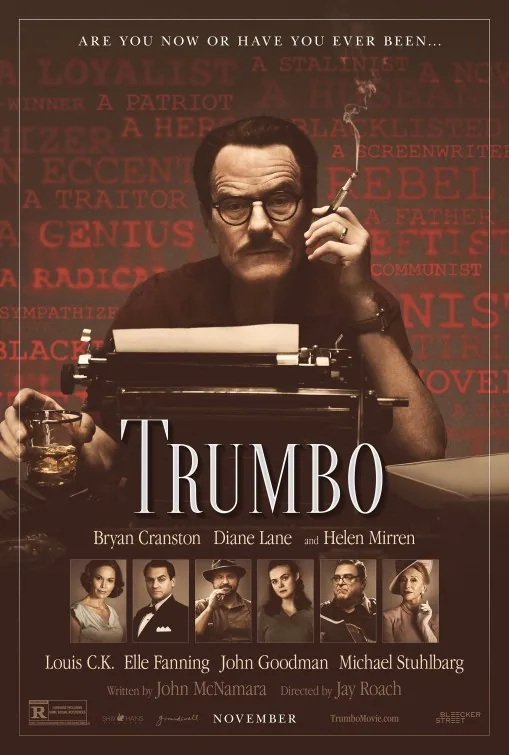
What changes A Hollywood writer's work and family life are shaped by pressure from the film industry, mixing professional struggle with biographical drama.
Screenwriter Dalton Trumbo's career is interrupted when political suspicion puts him among Hollywood's blacklisted writers. He continues writing through pseudonyms while facing pressure from industry leaders, political figures and the strain his work places on family life. Jay Roach builds the biographical drama around authorship, public identity and professional survival, showing how a creative life continues when a person is denied credit for the work he produces.
Bernstein’s public brilliance and private relationships remain connected but cannot be collapsed into one story.
Why this matches +
These offer a related experience with a meaningful difference in story, tone, or presentation.
An adjacent discovery: a related idea with a different viewing experience.
Genres: Drama / Romance
Shared film traits
Based on recorded story, mood and style. Your preferences can change the order.
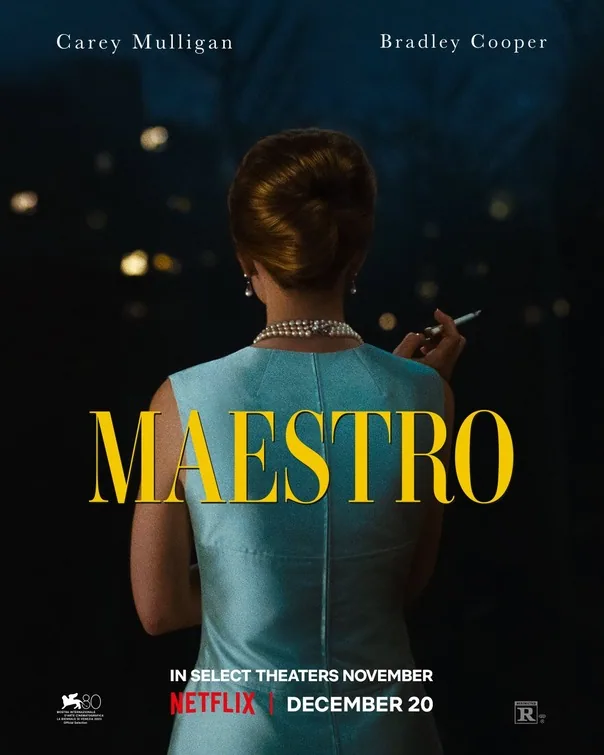
What changes A biographical portrait connects a celebrated artist's public career to the intimate, complicated partnership behind it; composer Leonard Bernstein and Felicia Montealegre.
Leonard Bernstein’s conducting career begins with an unexpected debut, while his long relationship with actress Felicia Montealegre becomes the emotional center of his personal life. The film follows their marriage through professional success, parenthood and Bernstein’s complicated identity, moving across decades and shifts in style. Bradley Cooper uses music, performance and black-and-white-to-color transitions to portray public artistry alongside private strain, without reducing either spouse to a simple role.
A writer's paid involvement in a star's imagined comeback becomes a dependency from which escape threatens the fantasy sustaining the household.
Why this matches +
These offer a related experience with a meaningful difference in story, tone, or presentation.
An adjacent discovery: a related idea with a different viewing experience.
Genres: Drama / Flashback
Shared film traits
Based on recorded story, mood and style. Your preferences can change the order.
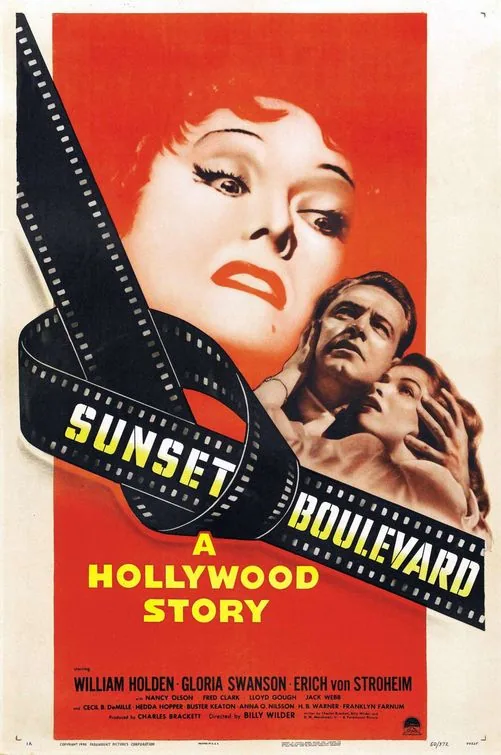
What changes Hollywood ambition and artistic control collide with personal relationships in a dark story about the film industry; fictional and more noir-inflected.
A struggling Hollywood screenwriter takes refuge in the mansion of a former silent-film star who believes her return to prominence is imminent. Agreeing to revise her screenplay gives him financial security at the cost of increasing dependence on her emotional demands and carefully maintained illusions. As another professional relationship offers creative and romantic possibility, the arrangement turns into a contest over control, humiliation and the refusal to accept time's passage.
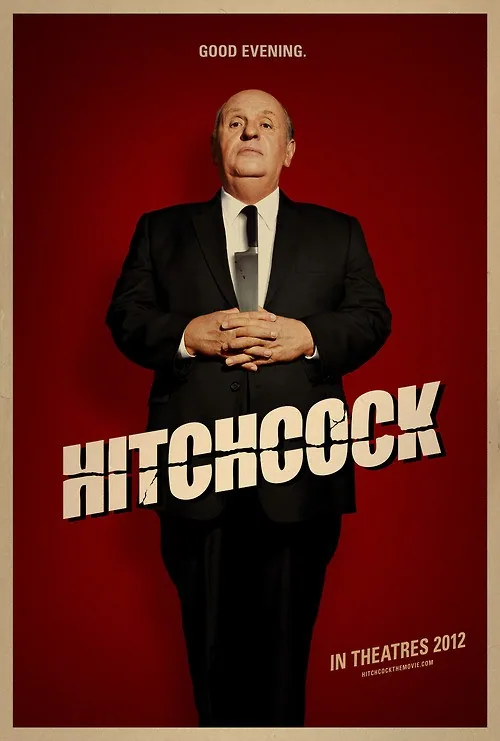
Alfred Hitchcock risks his own money and reputation to make Psycho after studios hesitate about the material. As production proceeds, his collaboration with wife Alma Reville is tested by creative pressure and the attention he gives another screenwriter. Sacha Gervasi's biographical drama focuses on the making of one film rather than surveying Hitchcock's entire career, linking artistic daring to partnership, control, and the personal labor behind a celebrated work.
What drives the story
Hitchcock commits to making Psycho when the studios around him doubt its commercial prospects.
The people at its centre
Alma's creative contribution and perspective become essential to the film's completion and the marriage's balance.
What it feels like
The production story gives the biography a clear professional deadline and a private emotional thread.
Worth knowing
It treats cinematic authorship as collaborative work, even when one public figure dominates the story.
ArtMarriageAmbition
Mood
Witty · Affectionate · Reflective
Pacing
Character-led · Process-focused
Visual style
Period Hollywood detail · Studio sets · Playful imagined scenes
Storytelling
Film production · Creative partnership · Marital strain