A writer’s contact with a bereaved household develops into a play whose first performance for the family offers companionship rather than only a career breakthrough. The play’s domestic performance matters because it brings imagination to the family rather than only to an audience.
Why this matches +
Selected for the central appeal: An author’s struggle over adaptation exposes the private memories beneath a beloved work.
Genres: Drama / Biography
Shared film traits
Based on recorded story, mood and style. Your preferences can change the order.
Music and performance
What changes The creation of a famous children’s story is dramatized through an author’s emotionally important family relationships; artistic origins and a grieving household replace rights negotiations and a difficult studio collaboration.
After a disappointing play, J. M. Barrie forms a friendship with Sylvia Llewelyn Davies and her sons, finding in shared imaginative games a way to engage with childhood and grief. The bond inspires Peter Pan but also exposes tensions with his wife and with the family’s different needs. As Sylvia’s illness narrows the future, a performance brought into the home becomes an act of accompaniment rather than simply a triumph for the playwright. The film compresses and sentimentalizes biographical material, so its emotional account of inspiration should not be mistaken for a complete record of the real family or Barrie’s obligations to them.
Sammy’s camera shifts from toy to instrument of understanding; filming lets him notice family tensions he is too young to interpret directly.
Why this matches +
Related viewing experiences with the specific differences recorded for each pair.
An adjacent discovery: a related idea with a different viewing experience.
Genres: Drama / Coming-of-age
Shared film traits
Based on recorded story, mood and style. Your preferences can change the order.
Memory and identity · Music and performance
What changes An artist’s growing control of stories is shaped by difficult discoveries about parents and memory; a young filmmaker’s coming of age replaces an established author negotiating adaptation.
Young Sammy Fabelman becomes fascinated with filmmaking after seeing a train crash in a movie and recreates it with his toy set and camera. As his family moves from New Jersey to Arizona and later California, the hobby grows into a way to understand what he sees at home. Sammy’s mother Mitzi is an expressive pianist; his father Burt is a practical engineer, and the household’s closeness is strained by changes neither parent can easily explain to their children. Sammy discovers that his camera can preserve details adults would rather avoid, placing him in a painful position between them. The coming-of-age story follows how making films becomes both an artistic calling and a way to process family fracture.
Hitchcock commits to making Psycho when the studios around him doubt its commercial prospects.
Why this matches +
Related viewing experiences with the specific differences recorded for each pair.
An adjacent discovery: a related idea with a different viewing experience.
Genres: Drama / Biography
Shared film traits
Based on recorded story, mood and style. Your preferences can change the order.
Memory and identity
What changes A familiar screen work emerges from contested creative collaboration and intimate professional pressures; a director’s suspense production and marriage replace a children’s author and Disney.
Alfred Hitchcock risks his own money and reputation to make Psycho after studios hesitate about the material. As production proceeds, his collaboration with wife Alma Reville is tested by creative pressure and the attention he gives another screenwriter. Sacha Gervasi's biographical drama focuses on the making of one film rather than surveying Hitchcock's entire career, linking artistic daring to partnership, control, and the personal labor behind a celebrated work.
Jeanette revisits the childhood she shared with her siblings as she decides how to understand and relate to her parents as an adult.
Why this matches +
Related viewing experiences with the specific differences recorded for each pair.
An adjacent discovery: a related idea with a different viewing experience.
Genres: Biography / Drama
Shared film traits
Based on recorded story, mood and style. Your preferences can change the order.
Memory and identity
What changes Adult recollection weighs an imaginative but alcoholic father’s warmth against the harm his family endured; a direct memoir of childhood replaces the negotiation of a fictional character’s screen future.
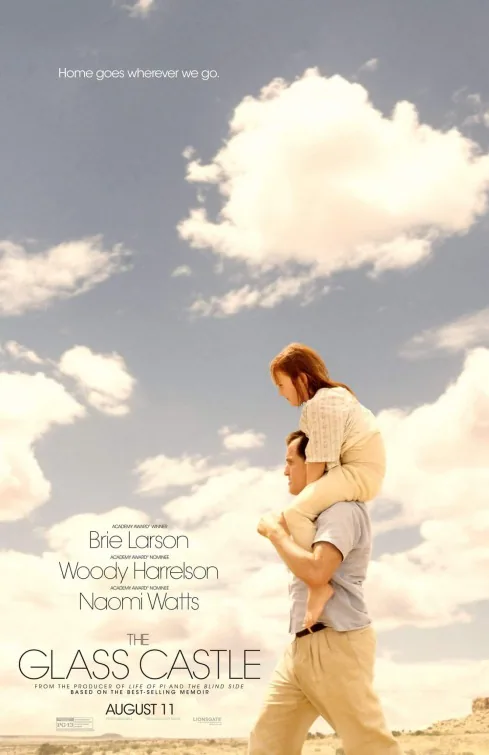
Jeanette Walls grows up with her siblings in a family that moves frequently, living on limited means under the shifting plans of her charismatic father Rex and artist mother Rose Mary. Rex encourages his children’s imagination and independence but his alcoholism and unreliable promises leave them exposed. As an adult in New York, Jeanette looks back on the family’s itinerant childhood and the choices that shaped her relationship with her parents and siblings.
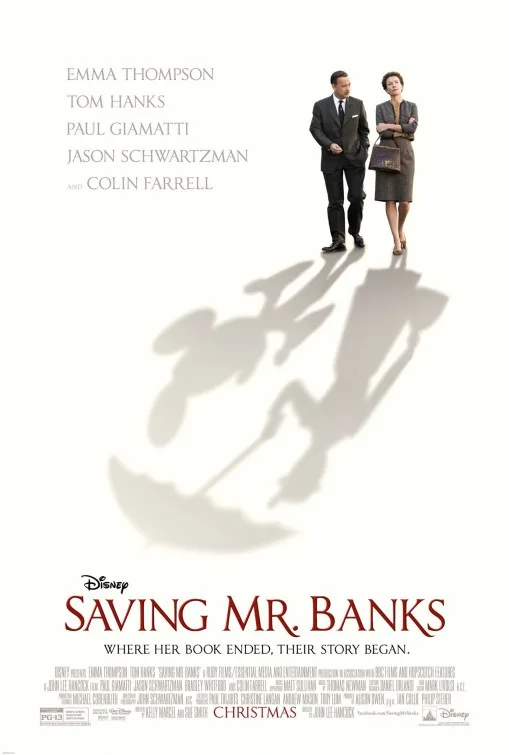
In the early 1960s, financially pressured author P. L. Travers travels to Los Angeles to negotiate Walt Disney’s long pursuit of the Mary Poppins screen rights. She resists the changes proposed by the studio and its songwriters, while memories of her childhood in Australia reveal the complicated love she had for her imaginative but alcoholic father and the aunt whose strict presence helped shape the nanny. The present-day dispute over tone, animation and approval gradually becomes intertwined with Travers’s effort to revisit her father’s failures. The film ends with her response to the finished movie, though its version of the negotiation is a dramatized account.
What drives the story
Travers’s contractual objections are not merely artistic fussiness: the proposed adaptation touches memories she has converted into fiction and has spent decades guarding.
The people at its centre
Her affection for her father coexists with the damage his drinking caused; Disney’s friendly persistence is framed as negotiation, not a simple cure for that grief.
What it feels like
Flashbacks interrupt the studio comedy, linking specific images and characters to Travers’s past; music and adaptation debates provide a gentler counterpoint to the childhood material.
Worth knowing
A fit for behind-the-scenes literary and family dramas, but its warm ending is invented: Travers’s negotiation with Disney was more antagonistic, she disliked the finished adaptation and had limited control over its final form.
Family memoryArtistic controlGrief
Mood
Bittersweet · Witty · Reflective
Pacing
Interwoven timelines · Measured · Emotional pivot
Visual style
Studio-era polish · Australian countryside · Music-led scenes
Storytelling
Adaptation negotiation · Biographical drama · Childhood flashbacks