Gerda’s portrait session is the catalyst, but Lili’s self-understanding grows beyond the pose and the assumptions of the people around her. The film follows her effort to live as herself while its novel-based structure reshapes the historical record.
Why this matches +
Selected for the central appeal: Artist biographies about creative expression, bodily pain and complex intimate relationships.
Genres: Drama / Romance
Shared film traits
Based on recorded story, mood and style. Your preferences can change the order.
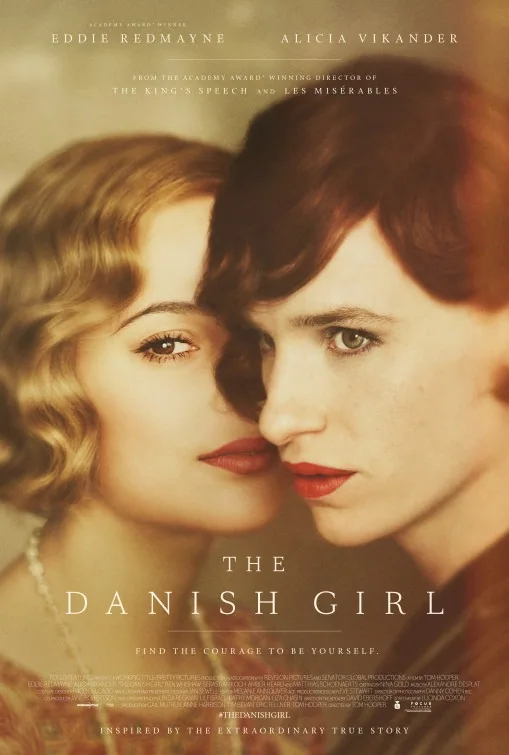
What changes The Danish Girl follows artists whose creative work and intimate partnership change alongside questions of identity.
In 1920s Copenhagen, artist Gerda Wegener asks her spouse to pose in a dress for a portrait when a model is unavailable. The session opens a path for Lili Elbe to understand and live publicly as herself, while Gerda’s paintings draw attention to Lili and change the life they share. Encounters with doctors and the possibility of surgery add pressure to their marriage, but Lili’s identity is not simply a role-play or a project for her spouse. Tom Hooper’s film adapts David Ebershoff’s fictionalized novel about Elbe and Wegener, combining documented people with invented scenes and altered chronology. It is therefore a dramatized interpretation, not a direct record of Lili’s life or early gender-affirming care.
A nonlinear account of artistic formation and decline juxtaposes commanding performance with relationships and physical crises that fame cannot secure against loss.
Why this matches +
These offer a related experience with a meaningful difference in story, tone, or presentation.
An adjacent discovery: a related idea with a different viewing experience.
Genres: Drama / Biography
Shared film traits
Based on recorded story, mood and style. Your preferences can change the order.
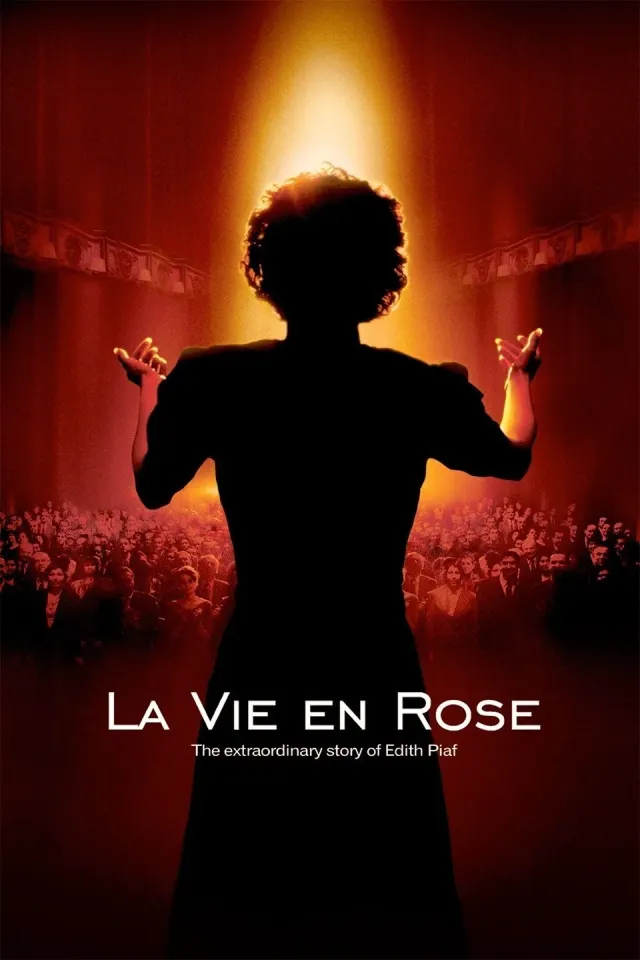
What changes La Vie en Rose portrays a celebrated artist whose public expression coexists with illness and turbulent relationships.
A singer's public force emerges from an unstable childhood of poverty, illness and dependence on people whose care is unevenly available. Success brings technical discipline, fame and passionate attachment without providing reliable safety from bodily decline or loss. The narrative moves among periods rather than allowing each triumph to cancel what preceded it. The biographical drama makes performance a way of commanding attention that private life cannot sustain, while refusing to keep the celebrated voice separate from the vulnerable person through whom it is produced.
Creative blockage and bodily pain bring Salvador back to earlier relationships, while heroin opens memories rather than serving as a simple cure; memory and authorship remain unstable throughout.
Why this matches +
These offer a related experience with a meaningful difference in story, tone, or presentation.
An adjacent discovery: a related idea with a different viewing experience.
Genres: Drama / Comedy
Shared film traits
Based on recorded story, mood and style. Your preferences can change the order.
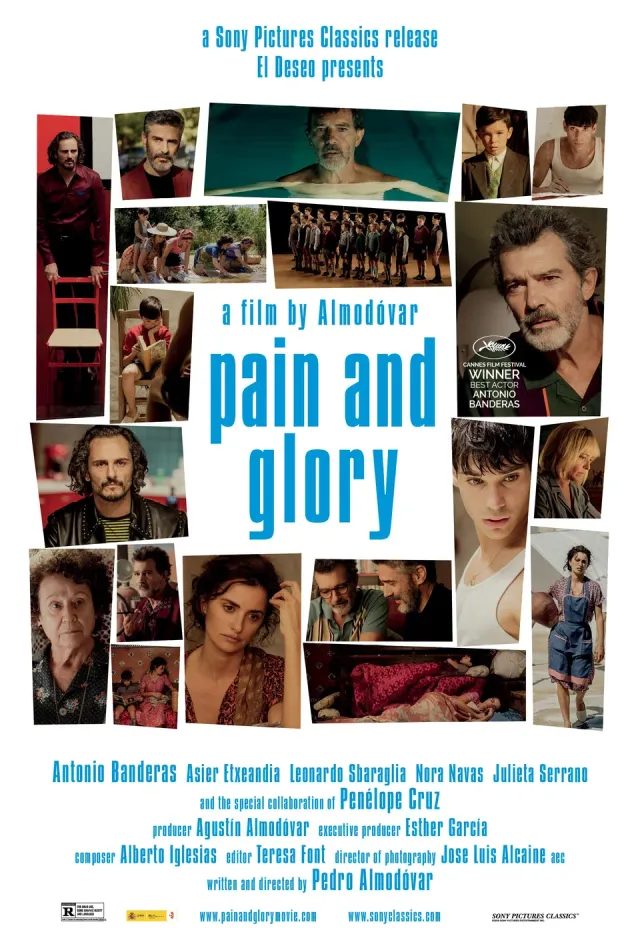
What changes Pain and Glory follows an artist whose physical pain and memories shape his creative life.
Aging film director Salvador Mallo lives with chronic pain and creative paralysis, then attends a screening of one of his old films and reconnects with actor Alberto. Their reunion brings back memories of childhood in Paterna, his mother’s sacrifices and a past relationship with Federico. When Salvador tries heroin, the drug opens a path into memories he has avoided; meanwhile, Alberto stages a monologue from one of Salvador’s texts. The film moves between present-day illness, remembered youth and fiction, eventually revealing that some apparent memories belong to a film Salvador is making.
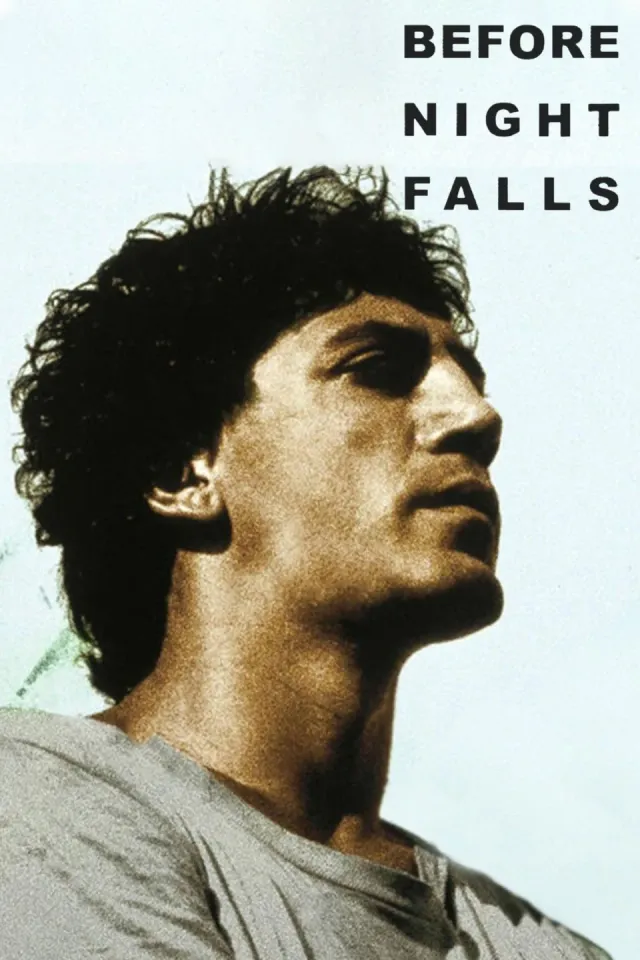
Arenas’ writing and private relationships bring him into repeated conflict with political authority.
Why this matches +
These offer a related experience with a meaningful difference in story, tone, or presentation.
An adjacent discovery: a related idea with a different viewing experience.
Genres: Biography / Drama
Shared film traits
Based on recorded story, mood and style. Your preferences can change the order.
What changes Before Night Falls dramatizes an artist's life through creativity, sexuality and political constraints.
Cuban writer Reinaldo Arenas pursues a life in literature and love while political persecution, censorship and imprisonment shape what he can safely write. His story follows a creative life across changing periods and eventually into exile in New York. The film places artistic freedom beside the costs of survival, treating memory and self-expression as acts of resistance.
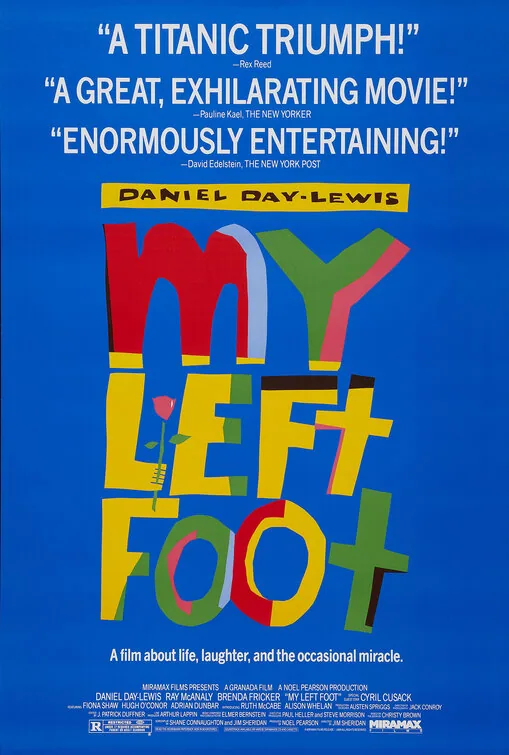
A young man with cerebral palsy develops as a writer and painter with the help of a close family.
Why this matches +
These offer a related experience with a meaningful difference in story, tone, or presentation.
An adjacent discovery: a related idea with a different viewing experience.
Genres: Biography / Drama
Shared film traits
Based on recorded story, mood and style. Your preferences can change the order.
What changes My Left Foot follows a disabled artist whose creative achievements coexist with family and social barriers.
Born with cerebral palsy in working-class Dublin, Christy Brown is able to control only his left foot, but learns to use it to write and paint. His family supports his development while he fights for education, independence, and recognition as an artist. The biographical drama follows a life shaped by both physical barriers and determined self-expression, while keeping Christy's humor, anger, and complicated relationships in view.
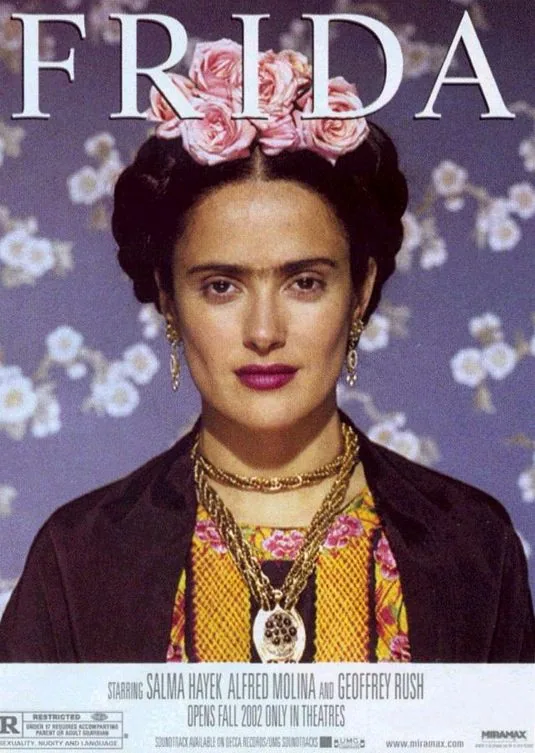
After a serious accident changes her body and ambitions, Frida Kahlo turns to painting while building a turbulent life with Diego Rivera and moving among political and artistic circles. Pain and disability shape her daily life, but the film also gives space to her humor, sexual autonomy and creative decisions rather than making suffering the whole explanation for her art. Its vivid images translate paintings into a biographical fantasy, and its compressed account of relationships can make private conflict overshadow political context. Read it as a dramatized portrait of an artist, not a comprehensive biography or transparent key to every painting.
What drives the story
The accident redirects Kahlo toward painting, while a changing body, political commitments and an unstable marriage keep artistic life from becoming a simple recovery story. The accident alters the conditions of Kahlo’s life but does not reduce her to injury.
The people at its centre
Frida and Diego remain creatively and emotionally entangled without making her work an extension of his; lovers, family and political peers shape different parts of her self-fashioning. Her relationship with Rivera is one influence among artistic, political and personal choices.
What it feels like
Costume, saturated color and animated references to Kahlo’s paintings turn biography into sensuous visual interpretation, sometimes privileging spectacle over historical complexity. Surreal transitions make the paintings an interpretive visual language rather than neutral illustrations.
Worth knowing
Compare with artist biopics about bodily pain and creative agency, while recognizing the film’s compression and avoiding a claim that its dramatized scenes explain the paintings themselves. A dramatized scene should not be used as evidence for the meaning of an actual canvas.
Artistic identityDisabilityDesire
Mood
Passionate · Reflective · Bittersweet
Pacing
Episodic
Visual style
Painterly tableaux · Surreal transitions
Storytelling
Artistic biography · Unstable marriage · Embodied self-expression